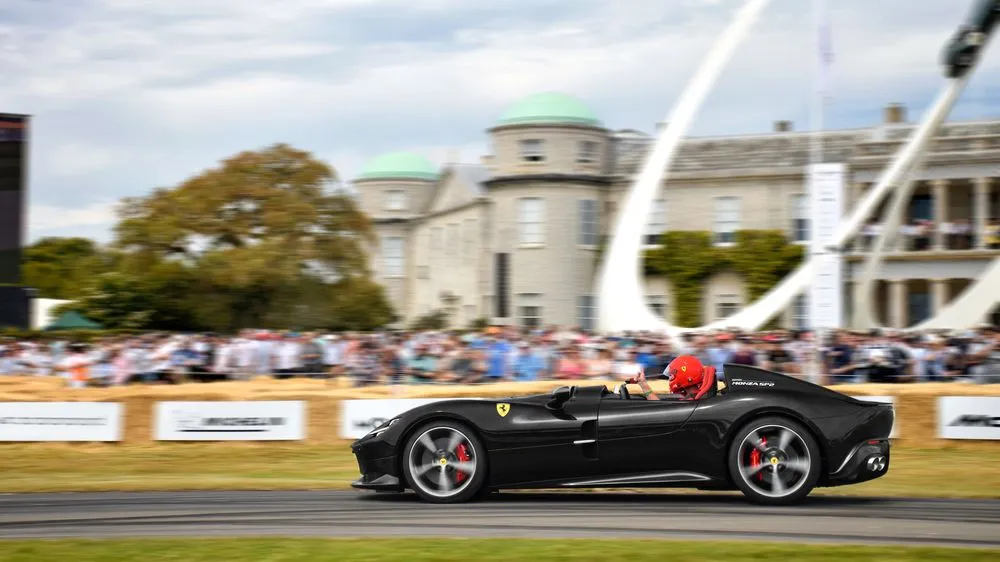
A few cars, such as the Ferrari Monza SP1/SP2 and McLaren Elva, have no windshield. Ducts in the nose accelerate air and fling it up over the cockpit, creating an invisible "air shield" that keeps the wind off the driver. These are limited-edition speedsters, not road-legal everywhere (notably not in the US), and not suited to everyday use.
We have been conditioned to visualize things in a certain way. For example, when imagining a smartphone, we think of a sleek cuboid unit with rounded edges, its silhouette broken only by a few slender buttons. Or, if visualizing an aircraft, the image of a central tube with protruding wings is the first thing to come to mind.
However, every now and then comes a design revolution that brings new concepts unlike anything ever seen. The result is outrageous designs; some are jaw dropping, while others are quite difficult to digest.
One such polarizing creation is the idea of cars without windshields!
Do Cars Without Windshields Exist?
The short answer? Yes!
Should they exist? Why not!
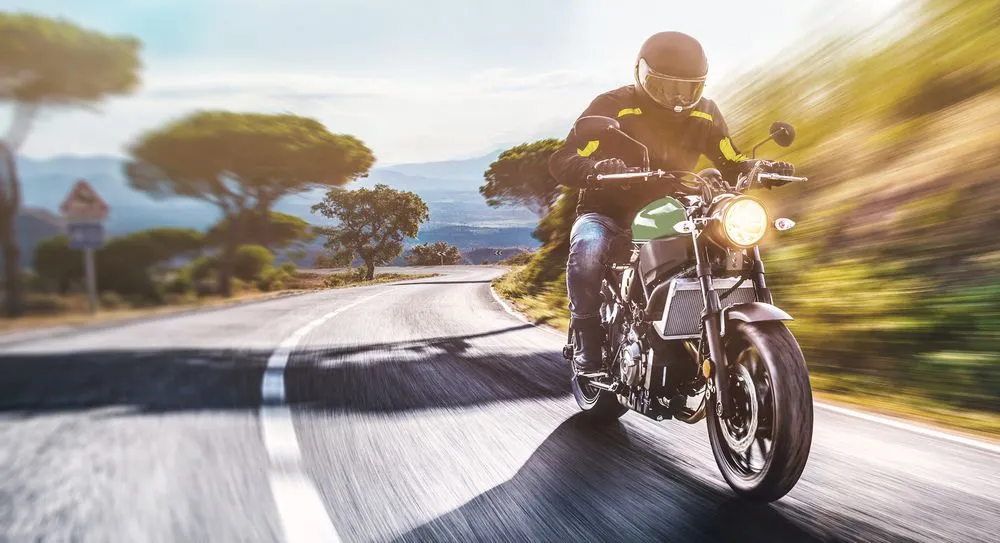
Like many other things on sale today, cars without windshields don’t look like items to which you would attach great utility. During their initial years, they were merely items of vanity, and still are for the most part. However, they do employ some science to make them drivable, as we shall enumerate further. However, let’s look into the need for windshields first.
Importance Of Windshields
Windshields have a very specific purpose: to keep wind and dust out of the occupants’ eyes. Surprisingly enough, windshields weren’t a mandatory part of cars when they first began selling. The earliest ones were chiefly plain plate glass, sold as optional extras rather than standard equipment. (Oldsmobile became one of the first automakers to fit a windshield as standard, back in 1915.)
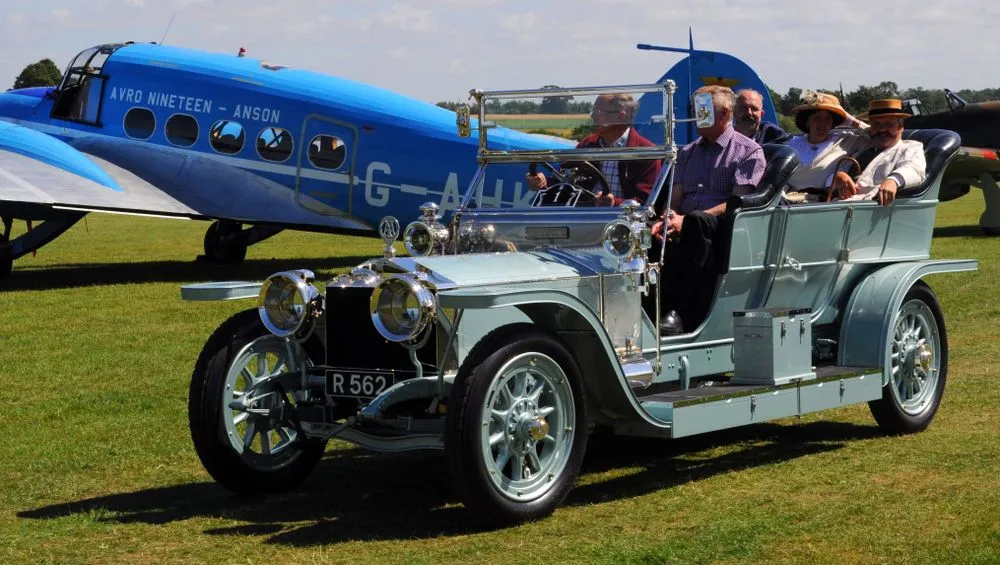
Given that IC engines were in their infancy, they moved at lower speeds, and consequently dealt with less wind and dirt disturbing occupants. Plate glass was brittle, however, so it would break into large, sharp pieces upon impact, making it very unsafe for occupants. This led to the development of toughened and laminated glasses.
The former breaks into small, blunt bits upon impact and is used for windows. The latter are composed of a plastic interlayer between two sheets of glass. Upon impact, it breaks, but retains its structure due to the interlayer, keeping occupants safe.
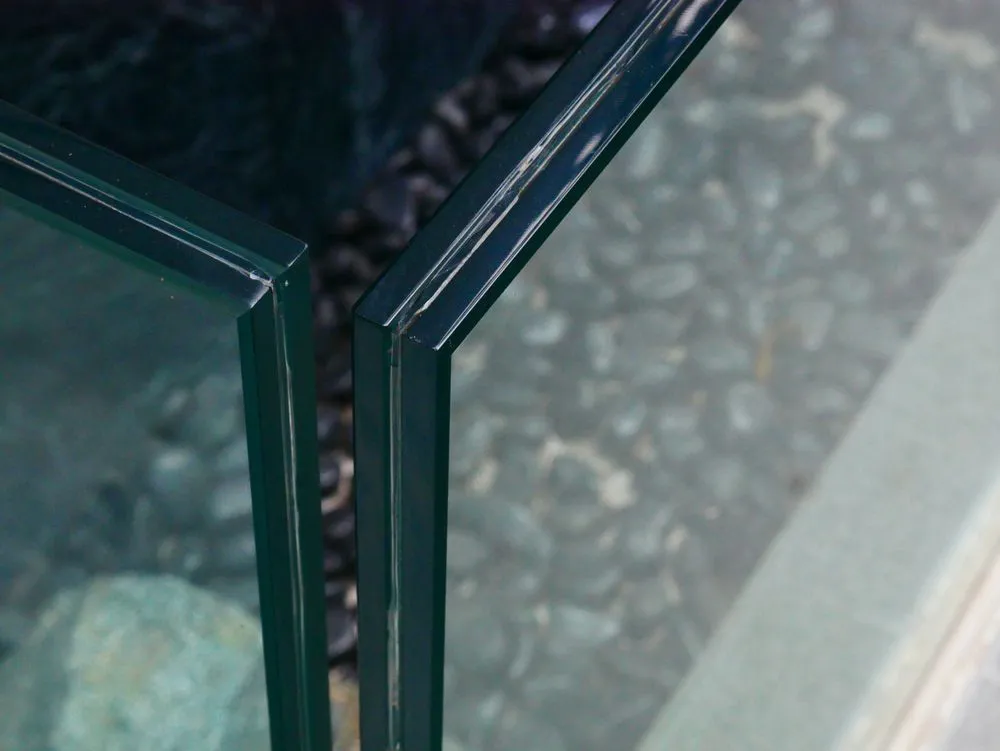
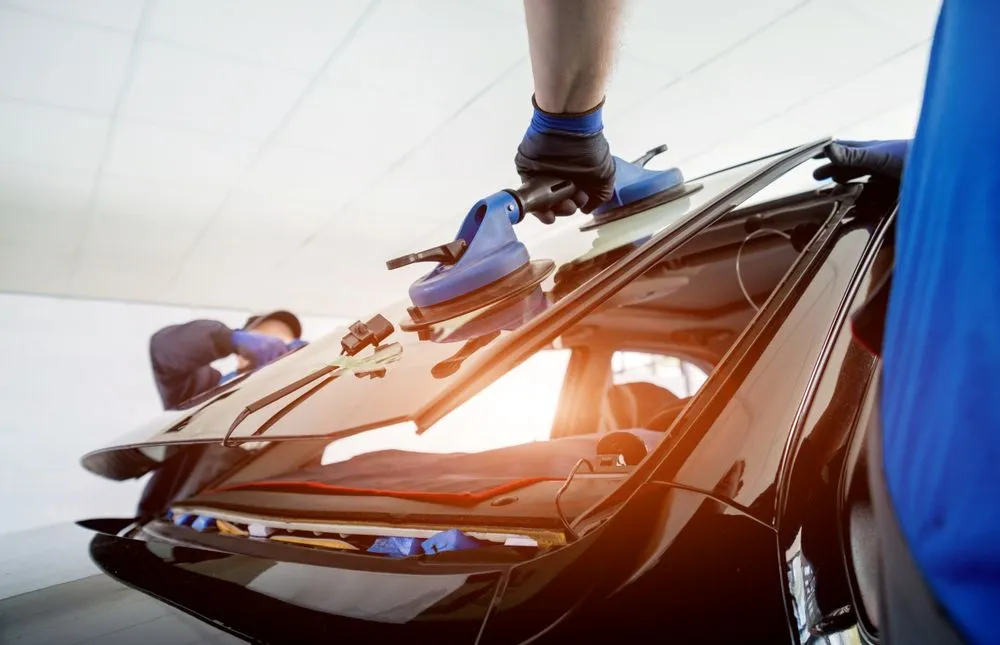
Modern windshields are therefore made of laminated glass. In addition to keeping passengers safe from external elements, they serve two additional functions. First, they form a structural component of the car. This means that they share some force of impact in the case of an accident, along with other parts of the car’s skeleton. Second, they make the car more aerodynamic, reducing drag forces and improving fuel economy.
Why Do Some Cars Have No Windshields?
If the windscreen plays so many roles, removing it from cars sounds like an engineering disaster, yet some of the most expensive and limited edition cars lack windshields.
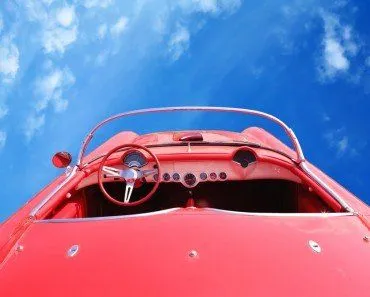
The idea stems from small Italian boats called barchettas (literally “little boats”). The moniker also found its way into automotive parlance, where it describes open-top, two-seat sports cars. The first car to wear the name was the Ferrari 166 MM, unveiled at the 1948 Turin Auto Show. The salient feature of barchetta-style cars is the absence of a full windshield; instead they have a low wind deflector, or none at all, to keep the driver somewhat shielded from the elements.
Newer concepts have done away with the windshield altogether. To keep occupants comfortable and the car drivable, the body panels and ducts are shaped to steer airflow over and around the cabin. The two headline examples are the Ferrari Monza SP1 (single-seat) and SP2 (two-seat), and the McLaren Elva, all built in tiny numbers and carrying seven-figure price tags.
While the trick goes by different proprietary names from one manufacturer to the next (Ferrari calls it the Virtual Wind Shield, McLaren the Active Air Management System), the underlying concept is the same.
How Is Air Manipulated In Cars Without Windshields?
In old barchetta-style cars, it was advisable to wear goggles or a helmet with a visor to protect yourself from the oncoming wind. Modern barchettas, by contrast, are designed around airflow being manipulated at the front of the car using air ducts. On the McLaren Elva, a hidden carbon-fiber vane even rises automatically out of the bonnet above roughly 30 km/h (20 mph) to help steer the airstream.
As a car moves forward, it cuts through the wind. Some part of this wind is channelized into the air duct, while the remaining flows over the hood (bonnet) of the car.
The air ducts are designed in such a way that they channelize air at high speeds, angling it to exit from the car’s bonnet. This angle is usually vertical, or towards the vehicle’s direction of travel, away from the driver. This air, exiting the duct, forms a barrier that is met by the high velocity airflow over the hood.
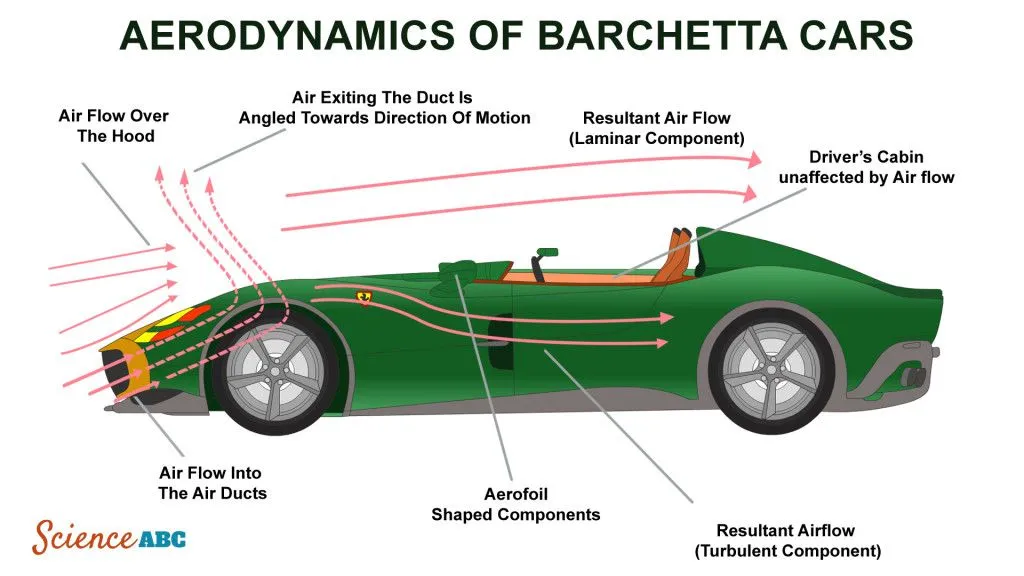
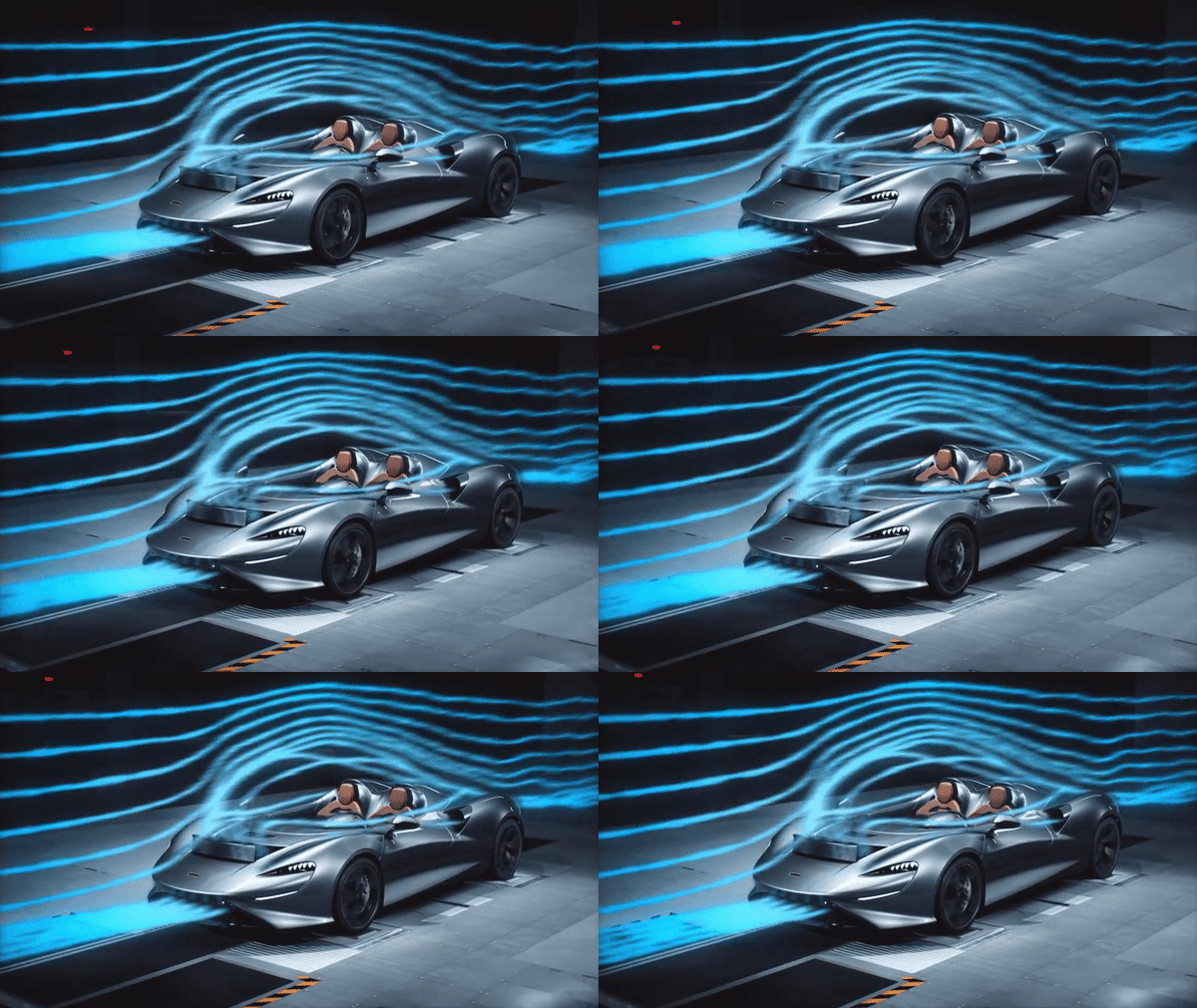
The result of this interaction is an energized upwash that lifts the airstream over the driver’s head, much as a windscreen would, leaving a pocket of calm, low-speed air around the cockpit. As this air reaches the cabin, it is further channeled to separate the turbulent component from the smooth, laminar component.
The turbulent component can cause buffeting or rapid up and down motion of the head. Due to this, it is directed away towards the driver’s chest, which is supported by the seat, whereas the laminar flow is directed over their head. The following illustrates the wind tunnel testing of a car without a windshield.
Barchettas are also equipped with spoilers that disrupt airflow in an otherwise high-pressure region to create a low-pressure one. This nudges the airflow in the desired direction. They also carry wings that generate downforce to keep the car planted firmly on the ground at high speeds.
Why Don’t F1 Cars Have Windshields?
If you have ever watched a Grand Prix, you have probably wondered the same thing: why does a 350 km/h (220 mph) Formula 1 car have no windshield at all? The answer is mostly tradition and aerodynamics. Open cockpits are part of F1’s DNA, and a full screen would add weight high up on the car and disrupt the carefully tuned airflow over the chassis.
That does not mean drivers are unprotected. Since 2018, every F1 car has carried a halo, a titanium ring that arcs over the cockpit and has saved several lives, including Romain Grosjean in his fiery 2020 Bahrain crash. To tame the airflow the halo creates, many cars also wear a small, jagged plastic deflector ahead of the driver. So an F1 car is windshield-free for the same reason a barchetta is: managing the wind, rather than blocking it, is the better trade-off.
Practical Use
As cool as they may be, cars without windshields are a vulnerable entrapment for human beings. Their value lies in their vanity, and any development they may contribute in the realm of aerodynamics and fluid mechanics. This development, however, has potential to improve the design of mass-market cars in a manner that benefits end users.
Because they lack conventional safety features, windshield-less cars run into trouble with road-legality rules. The Ferrari Monza SP1 and SP2, for instance, can be registered for the road in Europe but are not street legal in the United States, where a windshield is required. McLaren sidestepped this by offering the Elva with an optional windshield for markets that demand one. Between that and the eye-watering price tags, there is a slim chance of you crossing paths with one anytime soon!