Table of Contents (click to expand)
Red (ginger) hair is caused by a mutation in the MC1R gene on chromosome 16. The faulty gene switches melanocytes from making brown-black eumelanin to red-orange pheomelanin, so redheads end up with fair skin and red hair. Pheomelanin offers little UV protection, which is why redheads sunburn easily.
What do Prince Harry and Ed Sheeran have in common? They are both very famous and British? Well yes, but they’re also redheads.
Red is the rarest natural hair color, found in only about 1-2% of people worldwide. It clusters in northern and western Europe, with Scotland and Ireland boasting the highest shares (roughly 10-13% of the population). So what makes hair red in the first place?
We may find red hair attractive now, but there was once a time when redheads were considered evil and deceitful. During the period of witch trials in Europe, people with red hair were persecuted, as they were considered to be witches. During the Spanish inquisition, redheads were disparaged, as the red color was a sign that they had stolen fire from hell. (Source)

From turning into a vampire after death to being an unlucky, soulless creature, redheads have endured a barrage of preposterous beliefs throughout history. Fortunately, times have changed, and with scientific studies behind the causes of red hair, no one is hunting for redheads to be burnt at the stake.
Melanin And Its Role In Hair Color
From dark to light, the shade of skin and hair depends on a substance known as melanin. The visible color of the hair is a result of the pigment released by specialized cells known as melanocytes. They are present within the hair bulb and inside the hair matrix.
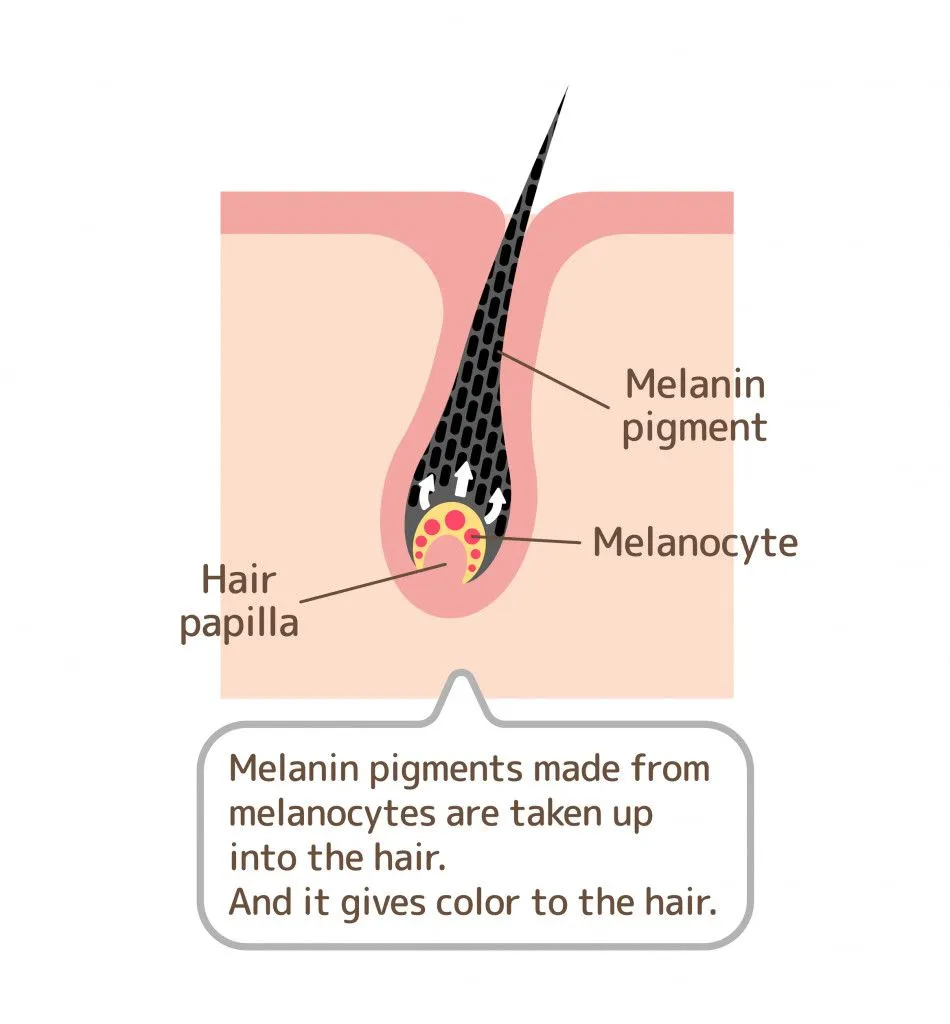
The melanocytes release two types of melanin pigment that give hair its color: eumelanin and pheomelanin.
People with black and brown hair have abundant levels of eumelanin pigment, whereas the absence of eumelanin corresponds to white hair. Blonde hair is a result of low levels of both eumelanin and pheomelanin. Red hair is a special case, wherein the amount of pheomelanin pigment is greater than the level of eumelanin.
But why do redheads have so much pheomelanin? To put it simply, the answer lies in their genetics.
The MC1R Gene Mutation
The presence or absence of the color pigment is not an arbitrary occurrence. Instead, one gene decides which melanin pigment is released in what amount.
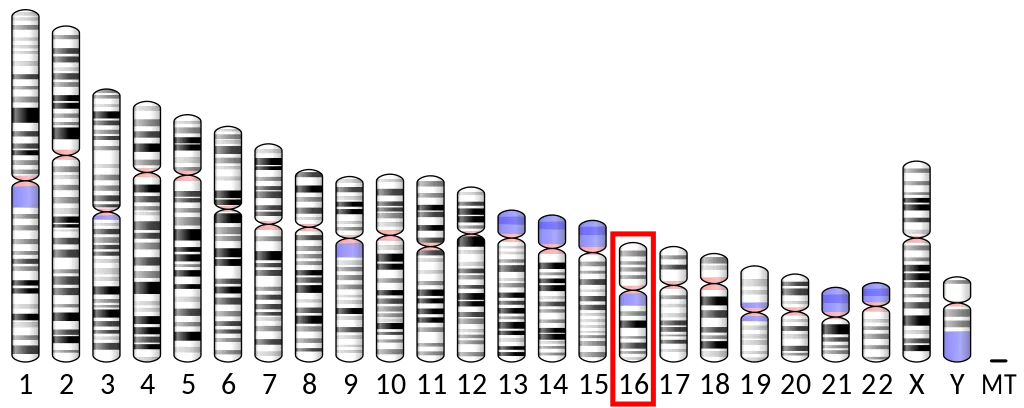
The MC1R gene found on chromosome 16 plays a critical role in the process of melanin synthesis by melanocytes. The MC1R gene provides instruction for the formation of a protein known as the melanocortin 1 receptor, which are present on the surface of melanocytes.
The type of melanin pigments you get (and display to the world) is decided by these receptors.
The Melanocortin 1 receptor is a type of receptor. Receptors act as an inbox for information coming in. A signaling molecule (which could be any chemical) binds to the receptor, which triggers a cascade of effects in the cell with the receptor. These effects can range from producing a new protein or inhibiting a certain function to passing along a signal. (Source)
Various hormones bind to and activate the MC1 receptor.
When the MC1R gene is activated, the cell will have more MC1 receptors, which will cause your melanocytes to produce more eumelanin and give you a darker hair color.
On the other hand, deactivating or inhibiting the MC1R gene will have quite the opposite effect. Your melanocytes will have fewer or no MC1 receptors, which will cause an increase in the production of pheomelanin, meaning that you’ll end up with a fair complexion and red-orange hair.
Redheads have a mutated version of the very same gene that causes the gene to make faulty or no MC1 receptors. This is called a loss-of-function mutation and leads to the increased production of pheomelanin.
Evolving Red Hair
It is a popular notion that the sun is a troublesome adversary for redheads. Many may think this is just another old wives’ tale, but sadly, it’s true.
Melanin acts as a natural sunscreen. Eumelanin absorbs UV rays, while acting as an antioxidant and free radical scavenger. Due to this, it makes sense from an evolutionary standpoint for people living near the equator to have dark skin and hair.
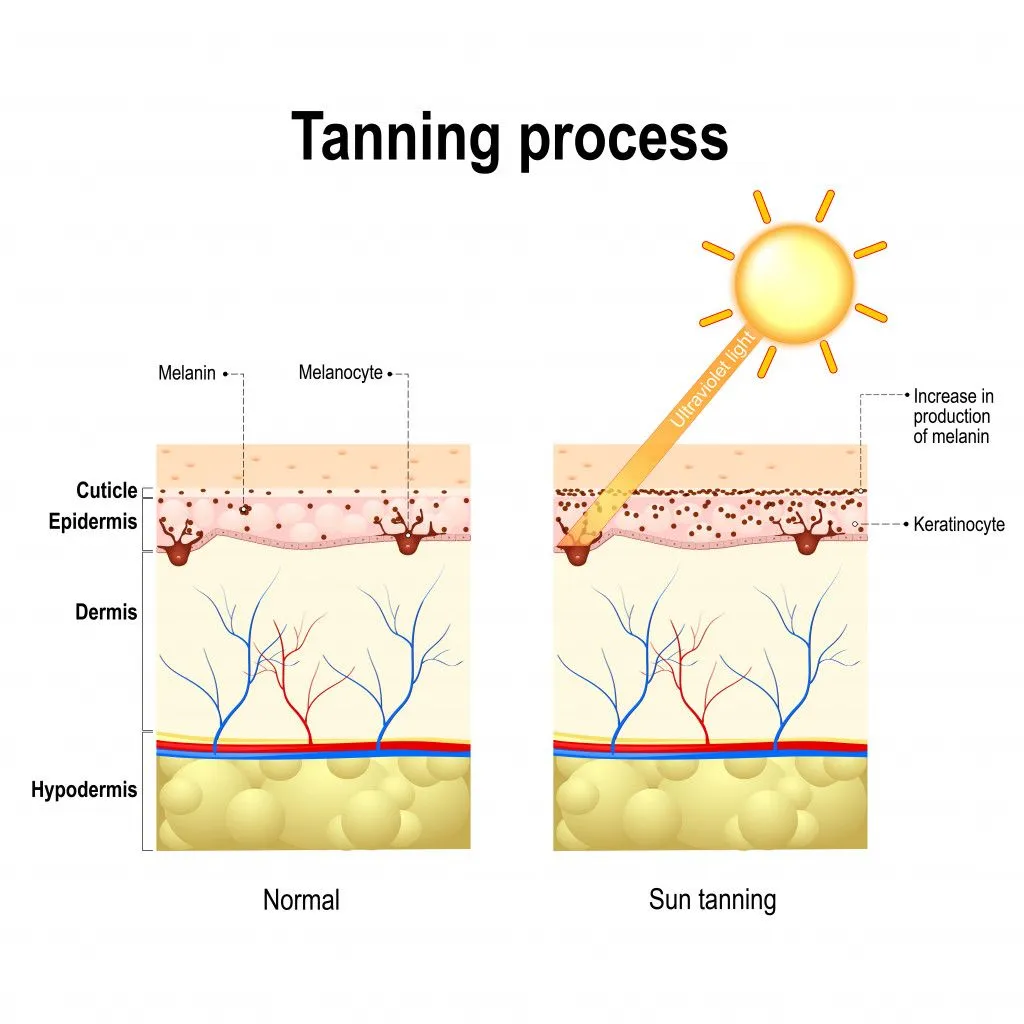
However, a majority of the pheomelanin-rich population live in the northern hemisphere, where the sun is not as harsh as in the equatorial region. Because the population does not face the wrath of the burning rays of the sun, their body doesn’t require a large amount of eumelanin pigment.
Why the MC1R variants caught on in the North is still debated. The leading idea is that fair skin (which usually comes bundled with red hair) lets the body make more vitamin D from the weak northern sun, a real advantage where sunlight is scarce. Others argue the gene simply spread by chance (genetic drift) in small, isolated populations. A 2026 ancient-DNA study in Nature, which scanned roughly 16,000 genomes spanning more than 10,000 years, found that natural selection has actively favored lighter-pigmentation genes in Europe, lending weight to the idea that these traits were selected for rather than merely tolerated.
Whatever the reason it spread, red hair comes with a cost: redheads do not react well to prolonged exposure to sunlight. Pheomelanin is far less protective than eumelanin, and worse, it can turn phototoxic. When hit with UV light it generates reactive oxygen species (free radicals) that damage DNA, a process that can drive skin cancer even without an obvious sunburn. That double whammy is why redheads are especially prone to sunburn and melanoma.
A study suggests that redheads are resistant to the numbing effect of local anesthetics such as subcutaneous lidocaine, and are also more sensitive to pain from cold or heat. Related research found that redheads need roughly 20% more general anesthesia than people with dark hair, a quirk traced back to the same MC1R receptor.
Another study associates redheads with high pain sensitivity, Parkinson’s disease, decreased platelet function and possible defects in the immune system. The study further adds that women incurred more downsides and fewer benefits from having red hair than women with any other hair color.
However, more studies are required to make any definitive conclusions about the relation between red hair and associated disorders.
Guess it’s still not easy being a redhead!
References (click to expand)
- Sheikh, A. Red Hair: A Mutation, A Royal Trait, and Sometimes a Curse. Elsevier (ScienceDirect).
- MC1R gene: MedlinePlus Genetics. MedlinePlus
- Wolf Horrell, E. M., Boulanger, M. C., & D’Orazio, J. A. (2016, May 31). Melanocortin 1 Receptor: Structure, Function, and Regulation. Frontiers in Genetics. Frontiers Media SA.
- Cunningham, A. L., et al. (2010). Red for danger: the effects of red hair in surgical practice. BMJ. PubMed.
- Liem, E. B., et al. (2005). Increased Sensitivity to Thermal Pain and Reduced Subcutaneous Lidocaine Efficacy in Redheads. Anesthesiology. PMC.
- Akbari, A., et al. (2026). Ancient DNA reveals pervasive directional selection across West Eurasia. Nature.
- Nasti, T. H., & Timares, L. (2015). MC1R, Eumelanin and Pheomelanin: their role in determining the susceptibility to skin cancer. Photochemistry and Photobiology. PMC.
- Frost, P., Kleisner, K., & Flegr, J. (2017, December 28). Health status by gender, hair color, and eye color: Red-haired women are the most divergent. (I. D. Stephen, Ed.), Plos One. Public Library of Science (PLoS).