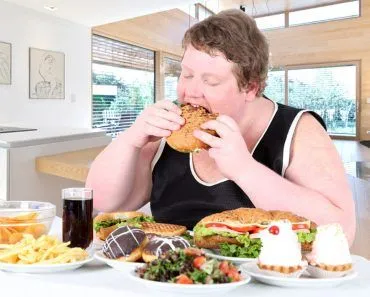
The turkey gets the blame, but its tryptophan is not why you feel sleepy after Thanksgiving dinner. The real cause is the sheer size of the meal. Overeating a feast loaded with carbohydrates triggers a surge of insulin, diverts blood toward digestion, and, helped along by alcohol and a tiring day, leaves you ready to nap on the couch.
Every year, on the fourth Thursday of November, friends and family in America gather around to celebrate Thanksgiving. We laugh, watch football games, drink and we eat and we eat and we eat… Finally, after filling ourselves to the brim, we lie down, and before we know it, we’re already asleep!
For ages, the staple item of a Thanksgiving dinner table, the turkey, has been blamed for causing all the drowsiness, but is that really the culprit?
Is It The Turkey?
The drowsiness immediately following a Thanksgiving dinner has been blamed on a poor little bird for generations. Turkey contains the amino acid tryptophan, which is said to lead to the post-meal torpor.
Have you ever heard the quote “half-knowledge is worse than ignorance”? Well, this is exactly what happened in this case of mistaken blame.
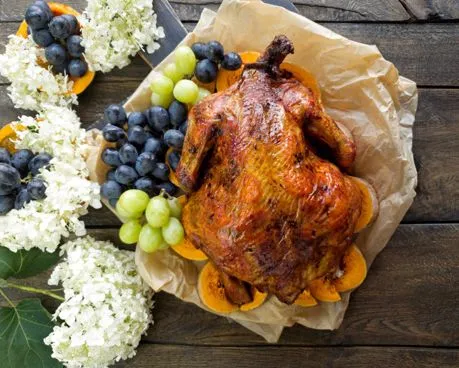
Yes, turkey does contain the amino acid tryptophan, an amino acid that the body needs, but can’t produce on its own. And yes, tryptophan also generates serotonin, a neurotransmitter and hormone that plays a role in our moods, as well as melatonin, the hormone responsible for our sleep cycles; their combined effect can cause us to feel sleepy.
Tryptophan In Turkey
However, the catch is that turkey does not contain enough tryptophan to make us snore right away. There are actually foods that we eat in our daily life that either have a higher amount of tryptophan or the same amount of tryptophan as you would find in one or two servings of turkey.
Even other forms of meat, such as chicken, beef and tuna, as well as food items like milk, eggs, cheese, soybeans, and nuts, are all good sources of tryptophan. Tryptophan is an essential amino acid and is therefore easily found in any protein-containing substance.
A pound (about 450 grams) of turkey, roughly 2 servings, contains only 410 milligrams of tryptophan. People who take tryptophan as a supplement to lift their mood or improve their sleep often swallow 4-5 grams a day, roughly ten times more than a hefty helping of turkey delivers. That gap should give you some idea of how our Thanksgiving serving of tryptophan is simply too small to knock us out.
But Then, What Is The Culprit?
To understand the drowsiness we so often feel after this holiday meal, we first need to reflect upon our delicious Thanksgiving dinner (apologies to those who have already started salivating).
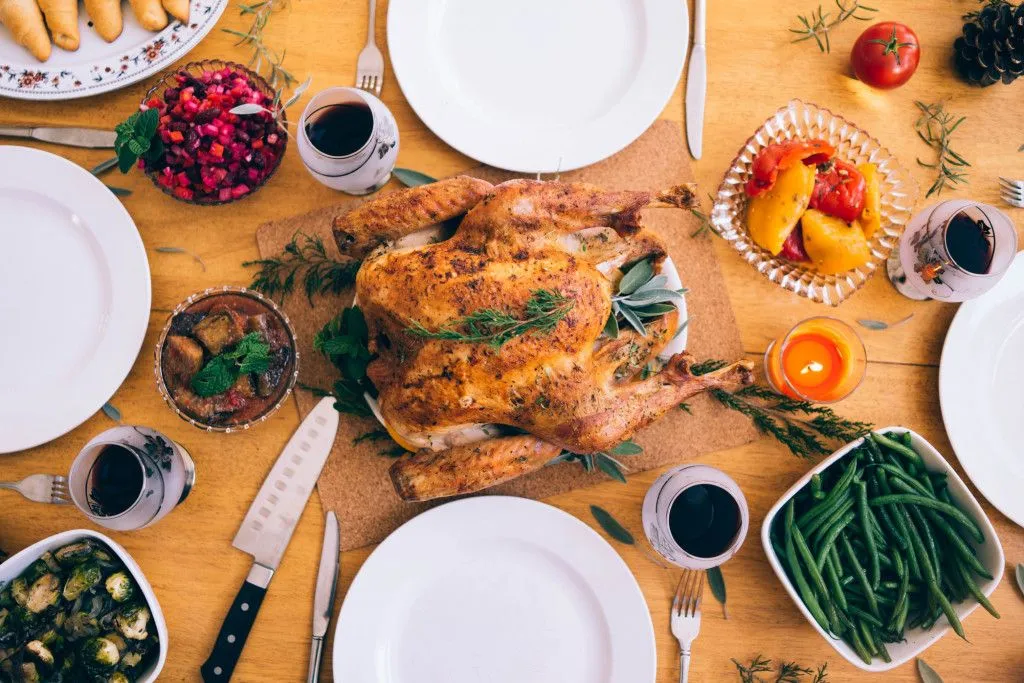
A “traditional” Thanksgiving dinner contains a roasted turkey (of course), stuffing, corn, green beans, dinner rolls, mashed potatoes, gravy, cranberry sauce, and the most awaited dessert, pumpkin pie.
The plentiful amount of food presented on our table and the amounts we consume are the real culprits behind the sleepiness. All of these food items are high in protein, carbohydrates, and fats.
The excessive intake of carbohydrates increases the amount of serotonin in the brain, although it does so indirectly. Excess carbs in the bloodstream trigger a greater release of insulin, which normally keeps glucose levels in the blood in check. Here is the clever part: insulin also sweeps most other amino acids out of the bloodstream and into your muscles, but it largely leaves tryptophan behind. Tryptophan normally has to compete with those amino acids for the limited transporters that carry it across the blood-brain barrier, so with much of the competition cleared away, more tryptophan slips into the brain and is converted into serotonin.
Serotonin levels are also increased by high-protein diets. The proteins contain amino acids like tryptophan, which also give rise to serotonin. Serotonin from both of these sources then produces melatonin, which is a sleep-inducing hormone.
Moreover, the heavy dinner and the plentiful amounts we let ourselves indulge in demands some extra work on the digestive system. It takes more time and energy (and therefore more blood) for the digestive system to process all the fats and carbs we intake at the holiday table.
This divergence of blood leaves less blood for our brain and other organs to function normally. Less blood means less energy (through cellular oxidation), ultimately leaving us feeling lethargic. All the more reason to just fall asleep right there on the couch!
Could There Be Any Other Reasons?
The other reason behind feeling sleepy post-dinner could be basic tiredness. We’re busy the entire week, managing work, cleaning the house for the festivities, buying groceries in preparation of the meal, cooking, hosting, etc. After the dinner is over, we let that full week of exertion take over, so all we see are comfortable spaces to lie down.
Additionally, our circadian rhythm might also be responsible for the strong will to sleep. The sun sets earlier in the late autumn, causing darkness in the latter part of the afternoon. Melatonin production increases as the darkness outside increases, which makes you want to go off to sleep earlier!
How To Avoid Feeling Drowsy After A Thanksgiving Meal
Sometimes, we do have important work that needs to be done, regardless of the holiday season. In those circumstances, this feeling of drowsiness might not be great! There are, however, ways in which it can be avoided:
- Eat your meal slowly, giving your body time to digest and realize that you are satiated.
- Avoid drinking excess alcohol, as it can also serve as a temporary sedative.
- Eat less. Pay attention to how many servings you take and whether you should take them.
- Drink water. Water often gives you the feeling of being full.
- After your meal, move your limbs and take a walk, which will also aid digestion.
This Thanksgiving, even if you go to bed a little hungry, trust that you won’t wake up feeling hungry. Check out this article to find out why.
A Final Word
Thanksgiving is a widely loved holiday, but it isn’t just about eating and napping. Friends and family gather to have fun, but end up blaming their drowsiness on the poor bird they’ve just stuffed and eaten. Next time, make sure the turkey doesn’t take all the blame!
References (click to expand)
- Fact or Fiction: Does Turkey Make You Sleepy? Scientific American
- High-glycemic-index carbohydrate meals shorten sleep onset. The American Journal of Clinical Nutrition (2007).
- The Truth About Turkey and Tryptophan. Texas Medical Center.
- Effects and side effects associated with the non-nutritional use of tryptophan by humans. The Journal of Nutrition (2012).