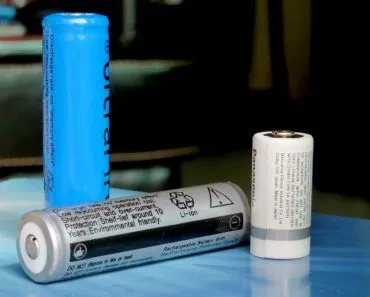
Oxidation is a chemical reaction in which an atom or molecule loses one or more electrons. Rusting of iron and browning of a cut apple are common examples of oxidation.
Oxidation is a common phenomenon; a browned apple or a rusty bicycle are both common examples of oxidation reactions. Oxidation does not mean that an oxygen atom is added to the compound. Instead, it is a chemical reaction that involves the loss of electrons. Metals are generally considered to be elements that can easily lose electrons, so they are known to be easily oxidized.
This lost electron does not wander around in the universe aimlessly; it is taken up by another atom. When one atom accepts an electron, it is called a reduction reaction. Oxidation and reduction go hand-in-hand and are jointly referred to as redox reactions.
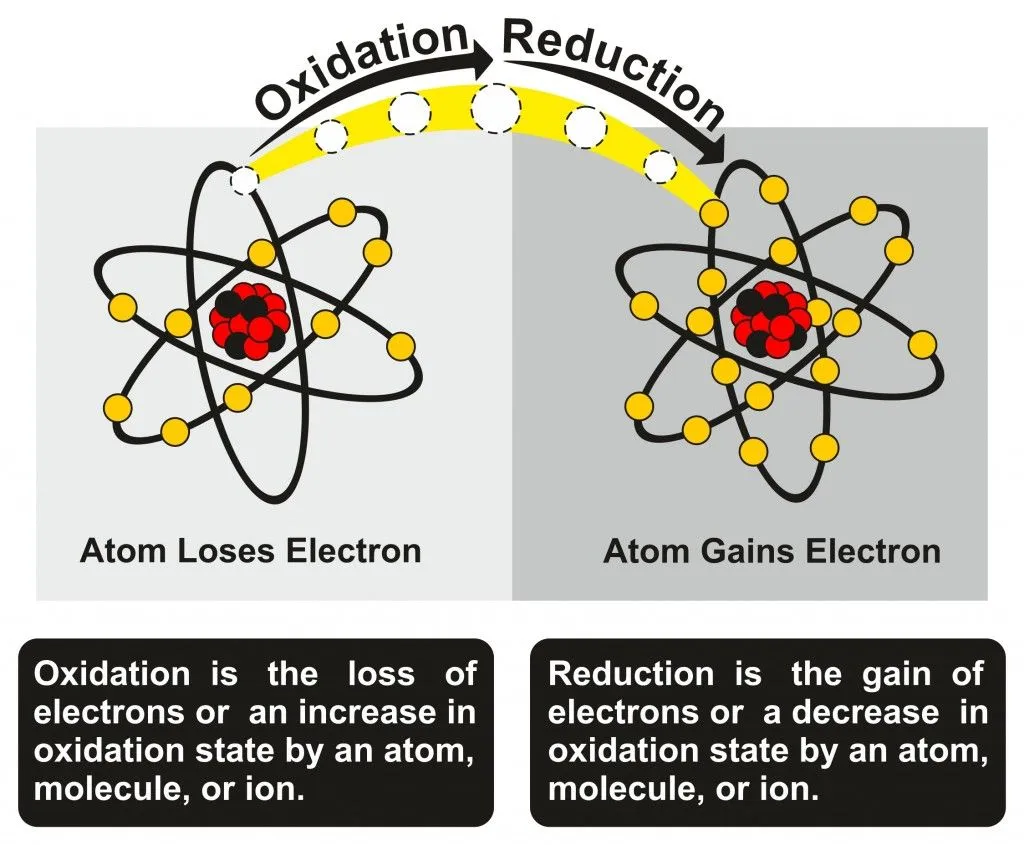
A simple way to remember oxidation and reduction is OIL-RIG; Oxidation Is the Loss of electrons and Reduction Is the Gaining of electrons. You can thank me later!
To make things easier, we’ll only be discussing oxidation reactions in this particular article.
What Is An Oxidation Number/state?
An atom is said to be oxidized when it loses an electron. The number of electrons that will be lost depends on the oxidation number of the atom or molecule.
The oxidation number or oxidation state is the charge of an atom. It can be positive, negative or zero. Oxidation numbers don’t always correspond to the real charges of the molecules.
An atom will have an oxidation number of zero when it is in its elemental state. This state of an atom is when it has ground zero-configuration or is in a neutral state. A neutral sodium atom has 11 electrons; in this elemental form, its oxidation number is zero. In nature, the oxidation number is rarely zero, as atoms always tend to gain or lose electrons to form compounds.
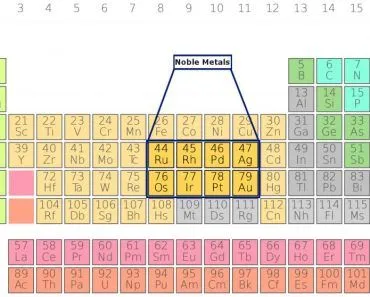
The oxidation number depends on the atom’s electronegativity, which is predetermined by its position on the periodic table. As a rule, elements on the left side of the table are less electronegative and are therefore able to lose electrons easily. As a result, they have a positive oxidation number. Group I elements typically become oxidized, as they lose their valence electron while forming chemical bonds. Their oxidation number is +1. A valence electron is an electron in the outermost shell of an atom.
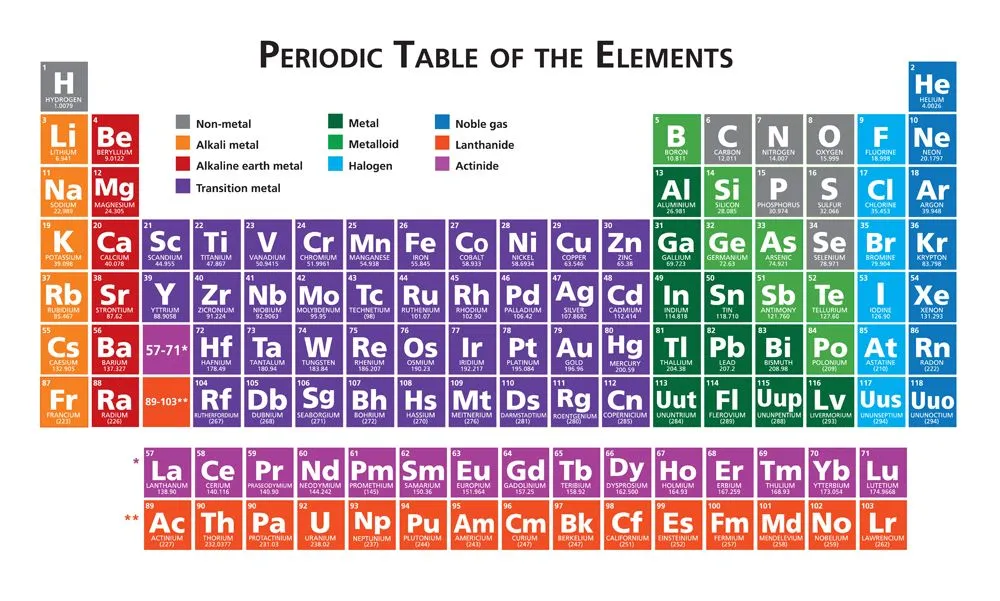
This property of elements changes as we move towards the right side of the table, where the elements tend to gain electrons and have a negative oxidation number. Take halogens, for example, which are extremely electronegative and usually undergo a reduction reaction. They gain one electron in order to have a configuration similar to that of noble gases. This leaves them with an oxidation state of -1. The oxidation number is negative, as they have gained an electron, as opposed to losing electrons.
When it comes to a hydrogen atom, it only has one electron in its ground zero configuration and can either gain or lose an electron. This gives hydrogen a +1 or a -1 oxidation state. The hydrogen atom can be a reducing agent or an oxidizing agent, depending on the element with which it interacts.
What Is An Oxidizing Agent And A Reducing Agent?
An oxidizing agent is a substance that oxidizes other substances. This means that it allows other substance to undergo oxidation. To break it down even further, when an oxidizing agent is present in a reaction, it causes other atoms in the reaction to lose an electron. These lost electrons are accepted by the oxidizing agent. As a result, oxidizing agents are called electron acceptors.
This is like when you hire someone to do some work and take some of the load off your shoulders. This outside agent takes the burden of work away from you, while becoming over-worked in the process.
In other words, a reducing agent is a substance that helps other substances get reduced in a reaction. The reducing agent helps the substance gain an electron.
An atom that gains an electron is called an oxidizing agent, as it allows the other atom to lose the electron and undergo oxidation. On the other hand, an atom that loses an electron is a reducing agent, as it allows the other atom to gain an electron and undergo reduction.
Think back to the abbreviation OIL-RIG; without this fundamental understanding, it will be difficult to fully comprehend the process.
How Does Iron Rust?
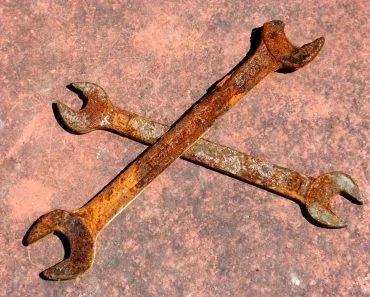
Rust, or iron oxide, is the most common example of oxidation. The shiny metal (iron) develops a brown layer upon reacting with oxygen and water. The reaction is quicker in seawater, as dissolved salt ions increase the water's conductivity, accelerating the electrochemical corrosion process. In these electrochemical reactions, a transfer of electrons takes place between 2 substances—a solid and a liquid.
Rusting doesn’t occur in dry air, but instead occurs when air is accompanied with water. Humidity is an important factor for the rusting of iron.
The simple reaction is:
Iron + water + oxygen Hydrated iron oxide
More specifically, the reaction is as follows:
2Fe2+ + 4OH– → 2Fe(OH)2 (iron hydroxide)
The reaction involves an ion of iron and the hydroxide ion (hydrogen and oxygen), which reacts to give us iron hydroxide.
This iron hydroxide further reacts with oxygen to give rust, or hydrated iron(III) oxide (Fe2O3·nH2O).
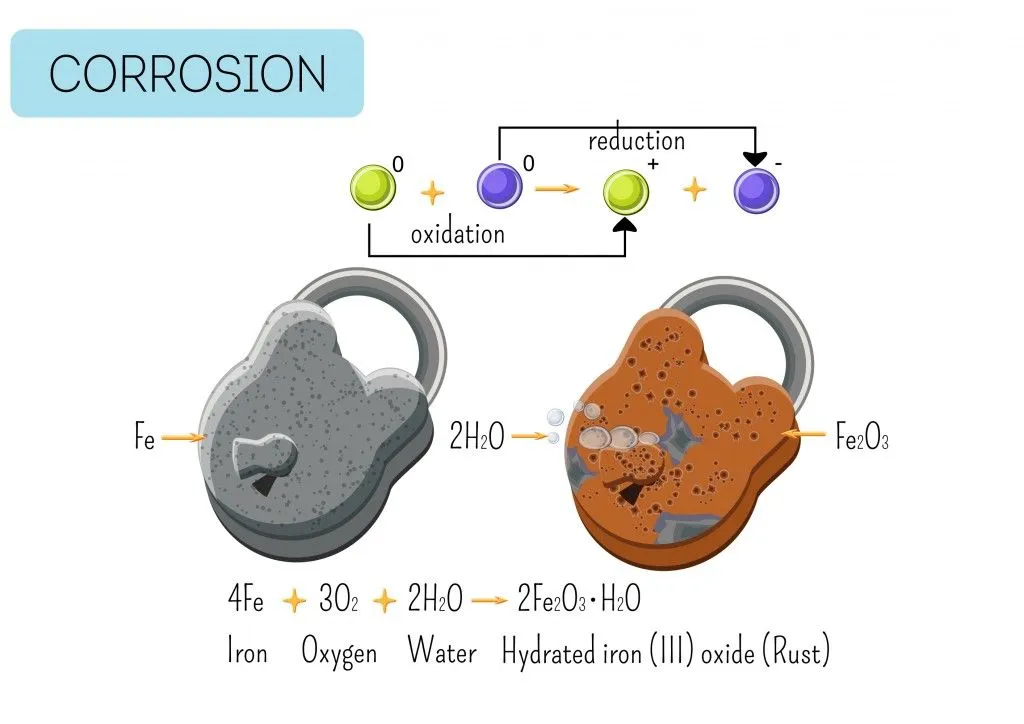
Both free oxygen gas (O2) and carbon dioxide (CO2) present in the air can be a source of oxygen for the formation of rust. Once rusting has settled in, the metal begins degrading further, eventually becoming brittle and unsuitable for use.
What Are Some Everyday Examples Of Oxidation?
Rust is the poster child for oxidation, but it is far from the only example you meet in a normal day. Chemists find it handy to sort these reactions by how quickly they happen: slow oxidation and rapid oxidation.
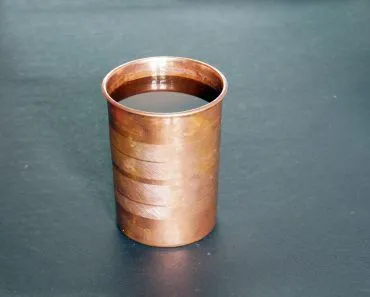
Slow oxidation creeps along. New substances form gradually, and only a tiny amount of heat is released, without any light or flame. Rusting iron is the classic case, but so are the rotting of fallen leaves, the tarnishing of silver, and the green patina that slowly spreads over copper roofs and statues. Even the browning of a cut apple belongs here. When you slice into the fruit, an enzyme called polyphenol oxidase meets the oxygen in the air and turns the apple's phenols into brown melanin, the very same pigment that colors your hair and skin. A squeeze of lemon juice slows this down, because its acid stops the enzyme from working properly.
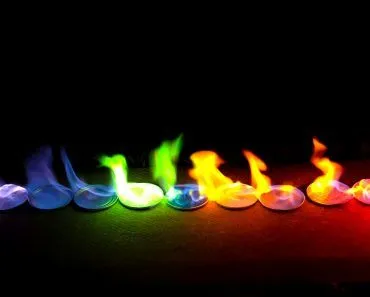
Rapid oxidation is the same electron-transfer process, just in a hurry. When a substance oxidizes quickly, it releases a large amount of energy all at once as heat and light, and we call the glowing result a flame. Burning wood, oil or natural gas is nothing more than rapid oxidation, better known as combustion. That is why fire counts as an example of oxidation: the fuel is combining with oxygen, exactly as iron does when it rusts, only thousands of times faster. In fact, if slow oxidation builds up enough heat to reach a material's ignition point, it can tip over into full-blown combustion.

What Does Oxidation Mean In Biology?
So far we have treated oxidation as something that happens to metals and machinery, but the very same reaction is quietly keeping you alive. In biology, oxidation still means the loss of electrons, and your body leans on it to pull energy out of food.
Every time you eat, your cells break down glucose in a process called cellular respiration. The overall reaction combines glucose with oxygen to give carbon dioxide, water and energy: C6H12O6 + 6O2 → 6CO2 + 6H2O + energy. Step by step, electrons are stripped away from the glucose and handed down a chain of molecules inside your mitochondria. Oxygen waits at the very end of that chain as the final electron acceptor, combining with the spent electrons to form water. The energy freed along the way is captured in molecules of ATP, the fuel that powers almost everything your cells do. This is also why you cannot survive without oxygen: without it, those electrons have nowhere to go and the whole energy line grinds to a halt.

Oxidation in the body has a darker side too. The same reactions generate free radicals, highly reactive molecules that are missing an electron. Because they are desperate to become stable again, they snatch electrons from nearby DNA, proteins and cell membranes, damaging them in the process. Your body produces free radicals as a normal byproduct of metabolism, and even more of them during exercise or when your immune system is fighting off invaders. When they build up faster than the body can neutralize them, the resulting damage has been linked to aging and a range of diseases. This is where antioxidants earn their reputation: substances such as vitamins C and E donate an electron to a free radical, acting as an "off switch" that stops it from stealing one from your cells.
Conclusion
While it might be time to say goodbye to an old rusted bicycle, there’s still hope for other metallic items. The dial of your wristwatch, for example, is made of stainless steel and will rarely have the same fate as a bicycle. Stainless steel prevents the items from corrosion, as it separates the surface of the metal from air and water, allowing it to last for many years.
Stainless steel is an alloy, meaning that it is a combination of metals, along with various other elements. It consists of iron, chromium, manganese, silicon, carbon and in some cases, small amounts of nickel and molybdenum. These elements react with oxygen in the presence of water to form a thin and stable film. This chromium oxide (Cr2O3) film, known as the passive layer, prevents corrosion by erecting a barrier to air and water. Remarkably, this passive layer is self-healing—if scratched or damaged, it reforms spontaneously in the presence of oxygen.
Oxidation isn’t a bad thing, just an unwelcome guest who is difficult to eliminate; fortunately, taking proper care of metallic things can help prevent or slow oxidation. Applying lubricant or a protective coating might help, although this isn’t a foolproof method.
You can’t escape the effect of oxidative reactions that occur in nature; the only way out is to take preventive measures to delay their onset or mitigate their spread!
References (click to expand)
- Oxidation States, Redox Reactions, Balancing.
- Oxidation state trends in periodic table (video).
- Gräfen, H., Horn, E.-M., Schlecker, H., & Schindler, H. (2000, June 15). Corrosion. Ullmann's Encyclopedia of Industrial Chemistry. Wiley-VCH Verlag GmbH & Co. KGaA.
- What Is Slow Oxidation? - MEL Chemistry.
- Fruit And Vegetables: Enzymic Browning - Institute of Food Science and Technology.
- Cellular Respiration - Biology LibreTexts.
- Antioxidants And Cancer Prevention - National Cancer Institute.