Table of Contents (click to expand)
Commercial airliners don't carry parachutes because they wouldn't actually save lives. Untrained passengers can't put on a chute and bail out under emergency conditions. Jets cruise at around 35,000 ft (10,700 m) where the air is too thin to breathe and the slipstream too fast to survive a jump. Most fatal crashes happen during takeoff or landing — phases where parachutes are useless. And adding thousands of pounds of bulky chute gear would mean fewer seats and pricier tickets.
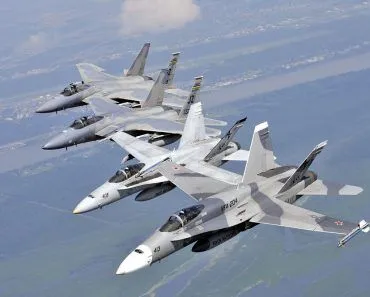
Fighter jets and military aircraft have multiple parachutes on board that passengers can use in the case of extreme emergencies – cases where jumping out of the plane is basically the only way to survive.
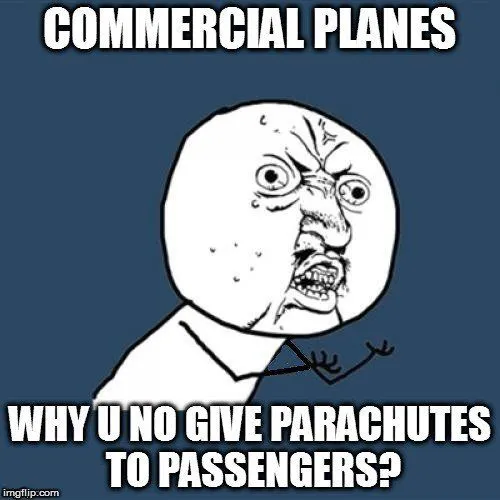
Given that commercial jets ferry significantly more passengers daily worldwide, wouldn’t it make sense to have parachutes for all the passengers onboard these planes, too?
Airline Passengers Have No Parachute Training
If you’ve watched enough action movies, you might believe that parachuting doesn’t require practice; even a first-timer would nail it without assistance.
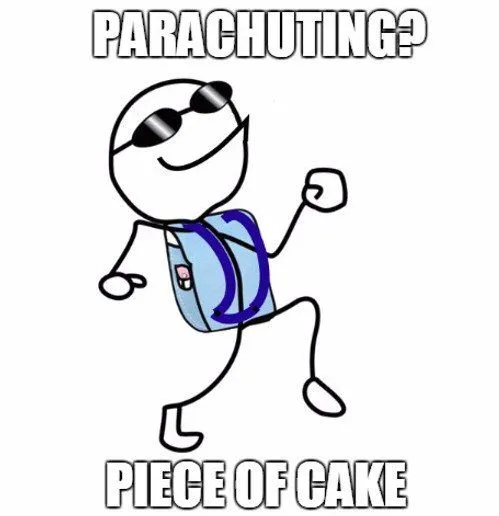
How hard could it really be since all you have to do is strap it on, pull the plug, and jump, right?
Wrong!
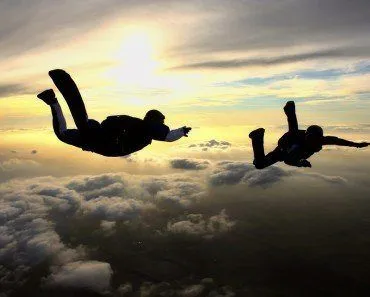
Parachuting may appear simple in movies, but it requires training and practice. Even for tandem skydiving, where an individual is attached to an expert, a minimum of half an hour of basic training and instructions is necessary.
The riskiest form of skydiving, where the person jumps out of an airplane from an altitude of over 10,000 ft (3,050 m), requires several hours of proper training and practice.
Skydives Are Preplanned
It’s important to note that skydiving is a planned activity that takes place under normal conditions. Skydivers know in advance that they will jump out of a moving airplane.
However, passengers onboard commercial flights are not prepared for such an event.
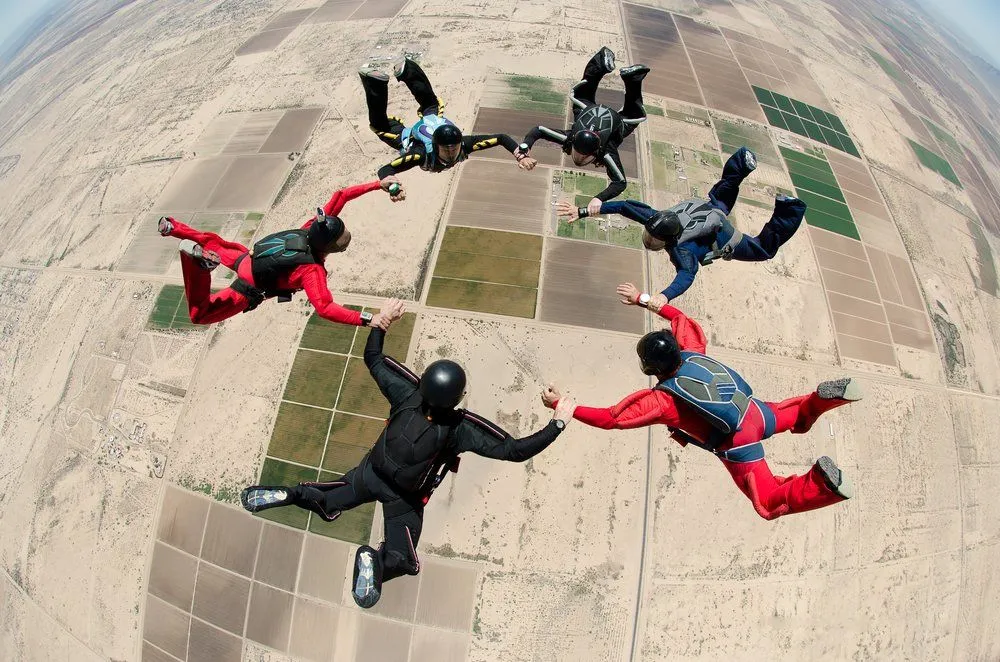
They have no experience in using a parachute and must quickly put on the gear and prepare for the jump, all while wearing emergency oxygen masks. This task becomes even more difficult in the chaotic and confusing environment of an emergency on a plane.
As a result, this exercise is less effective than it may initially seem.
Commercial Aircraft Fly Very High
Even the riskiest planned skydives occur at no more than about 15,000-16,000 ft (4,570-4,880 m) above the ground. The planes from which these skydivers jump are usually small and do not move very fast.
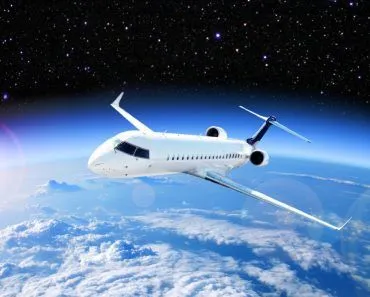
In contrast, most commercial airplanes cruise at around 35,000 ft (10,700 m), where the air is too thin to keep you conscious without supplemental oxygen, and they fly much faster. If passengers had to parachute out of a downed airplane, they would need oxygen cylinders to avoid passing out due to hypoxia.
However, clearing the plane safely is another important concern because…
Commercial Airplanes Are Not Designed To Be Conducive For People Jumping Out Of It
Planes that host regular, individual skydives are typically small, so skydivers clear it pretty much immediately after the jump. Large military aircraft, on the other hand, have a nice ramp at the back where parachutists can jump and steer clear of the fuselage.
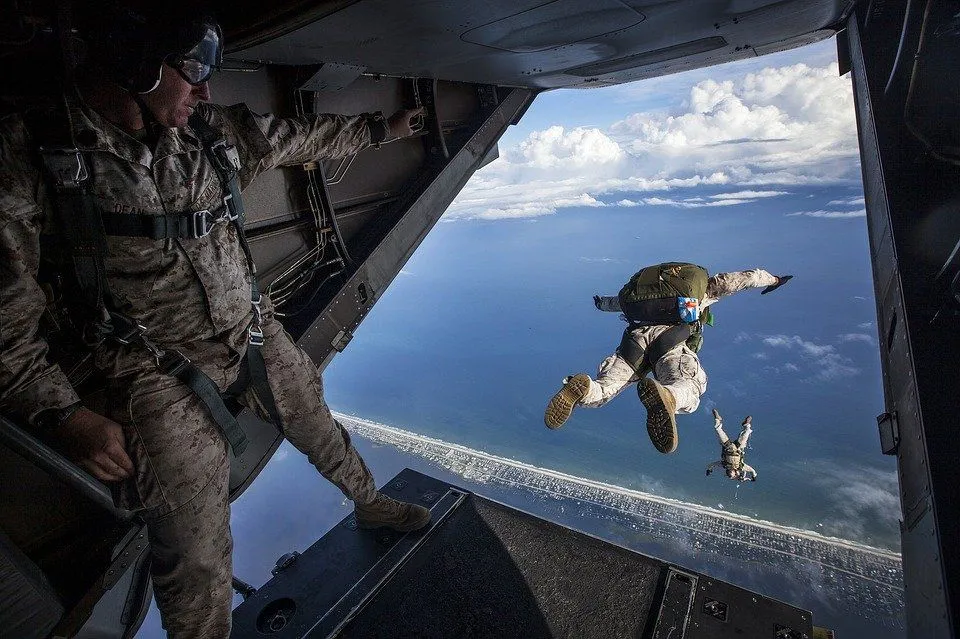
Commercial aircraft, however, have neither a small body nor a ramp. Jumping out of a conventional airplane would include the serious risk of smashing into the fuselage of the aircraft (its wings or tail) and sustaining grievous, if not fatal, injuries.
Speed Of The Airplane
Then there’s the airplane’s speed. Commercial airplanes not only cruise at a very high altitude, they also go really fast. If one were to try jumping out of the airplane at cruise speeds (~900 km/h or 560 mph), the slipstream alone would be enough to inflict serious or even fatal injuries before the parachute even opened.
Most Accidents Occur During Landing And Takeoff
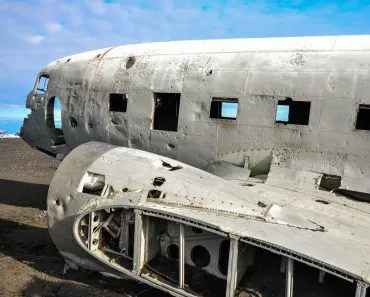
Now, this is a purely statistical reason. The most practical time for parachuting out of an airplane is when it’s cruising. However, it’s generally observed that most fatal plane crashes occur either during landings or takeoffs – times when parachutes would be pretty useless anyway.
Parachuting Kits Are Bulky And Expensive
A typical economy-class seat is not spacious enough to accommodate a bulky parachute, adding significant weight to the plane. This would add roughly 6,000-8,000 lb (2,700-3,600 kg) to the aircraft, something airlines try hard to avoid because every extra pound costs fuel for the life of the plane.
Additionally, parachuting gear like helmets, altimeters, and goggles can be expensive, which would significantly increase airfare if parachutes were made mandatory for all commercial flights.

It's worth noting that the closest real-world precedent — a parachute for the plane itself, not the passengers — does exist on small general-aviation aircraft. Cirrus Aircraft's SR-series single-engine planes come standard with the Cirrus Airframe Parachute System (CAPS), a rocket-deployed canopy that can lower the entire aircraft to the ground. As of 2024, CAPS deployments have saved more than 270 lives across more than 130 successful pulls. But Cirrus planes are small, slow, and fly relatively low — none of which is true of a Boeing 737 or Airbus A320.
All in all, parachuting on commercial airplanes isn't viable, both practically and economically. Even if it were rolled out, the chances that it would save every soul during a real emergency are virtually nil.
Last Updated By: Ashish Tiwari
References (click to expand)
- Special Investigation Report on the Safety of Parachute ....
- Basic Flight Physics.
- FAQs | Frequently Asked Questions About Skydiving.
- Peterson, C. W., Strickland, J. H., & Higuchi, H. (1996, January). The Fluid Dynamics of Parachute Inflation. Annual Review of Fluid Mechanics. Annual Reviews.
- Cirrus Airframe Parachute System (CAPS) - Cirrus Aircraft
- Survivability of Accidents in U.S. Air Carrier Operations (NTSB Safety Study)