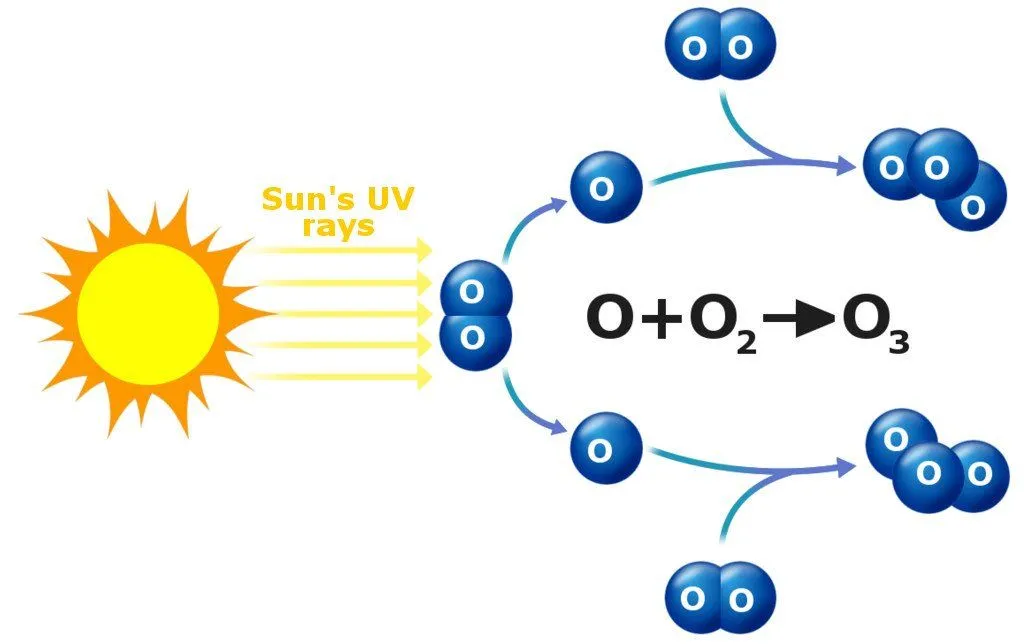
An ozone molecule (O3) contains three oxygen atoms, whereas an oxygen molecule (O2) contains two. Ozone is actually heavier than air, yet it concentrates high up in the stratosphere because that's where it's made: UV rays from the sun split O2 molecules, and a stray oxygen atom latches onto an intact O2 to form O3. Ozone is so unstable and reactive that it survives mainly where it's constantly created.
You have probably heard about ozone in discussions regarding global warming or climate change, specifically how there’s a ‘hole’ in the ozone layer of the atmosphere. For the uninitiated, ozone is a gas that consists of three atoms of oxygen stuck together (thus bearing the chemical formula O3). It is a pale blue gas with a pungent smell, and is found in small quantities in our atmosphere. Its highest concentration is found in the ozone layer of the atmosphere, which absorbs most of the harmful ultraviolet rays emitted by the sun.
As mentioned above, ozone is formed when 3 atoms of oxygen come together and join to form a molecule. On the other hand, oxygen gas exists in the atmosphere in its diatomic form, i.e., it consists of 2 oxygen atoms stuck together.
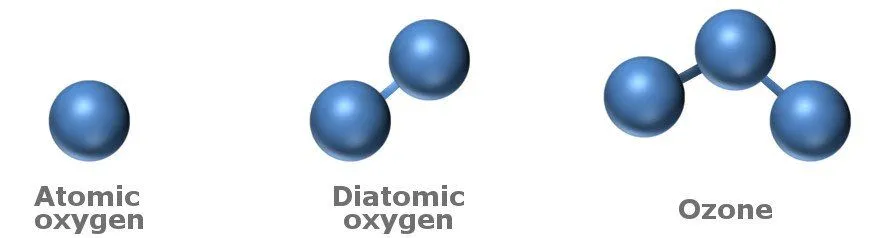
Now, applying some crude logic, it would seem that ozone gas should be heavier than diatomic oxygen, as the former consists of 3 oxygen atoms, while the latter consists of only two. As such, ozone should weigh more than oxygen and should therefore be closer to the ground. However, as you may know, it’s not like that. In reality, ozone is found in the upper layers of the atmosphere, but is infrequently found much closer to the ground.
Why is that?
In order to understand that, we need to first understand how ozone is formed.
The Formation Of Ozone
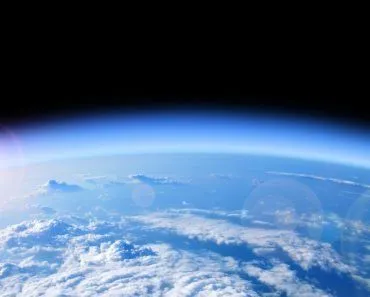
The atmosphere, which envelops our entire planet and shields us from all sorts of bad stuff from outer space, is actually just a collection of gases. You may also know that the atmosphere has various layers, all of which serve one purpose or another and ultimately contribute toward making our lives easier.
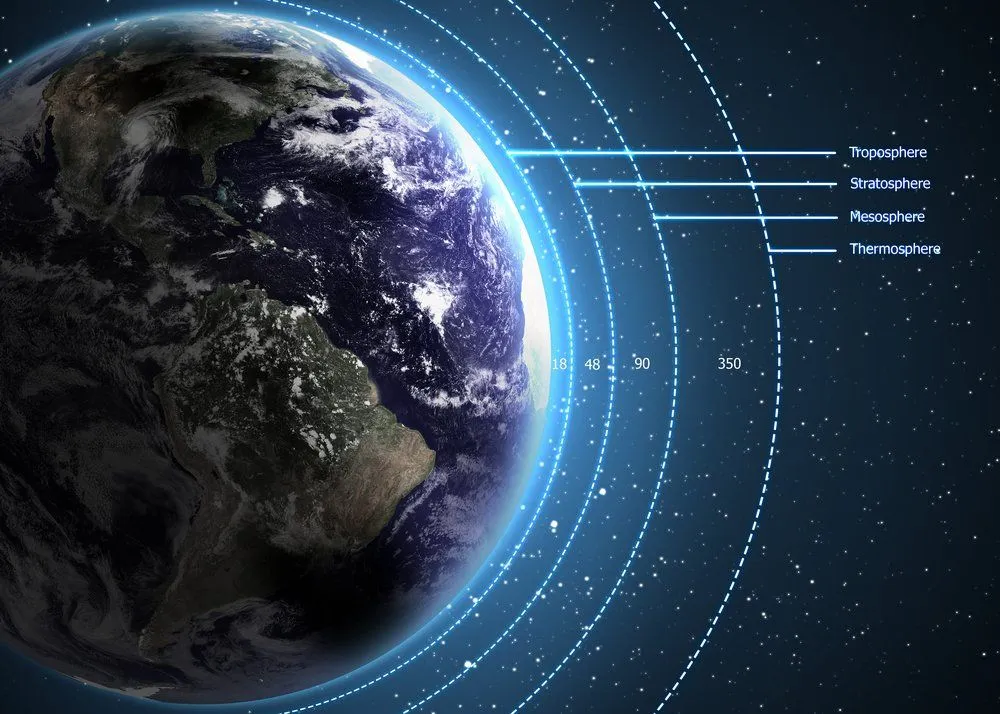
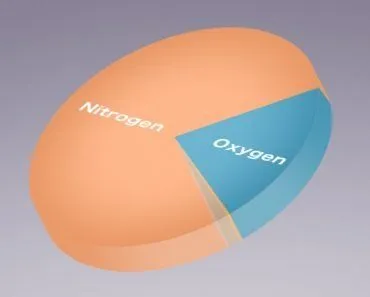
The most abundant gas in the atmosphere is nitrogen; it accounts for a whopping 78% of the atmosphere. In the second spot is the gas that ensures that there is life on Earth – oxygen.
Regular oxygen molecules, which science nerds refer to as O2, are made up of two oxygen atoms stuck together. These molecules are plentiful in the atmosphere. UV rays from the sun shoot in from space and split such molecules into two separate oxygen atoms. One of those stray oxygen atoms attaches itself to an intact O2 molecule, and voila! You’ve got yourself an O3 molecule, which is commonly referred to as an ozone molecule.
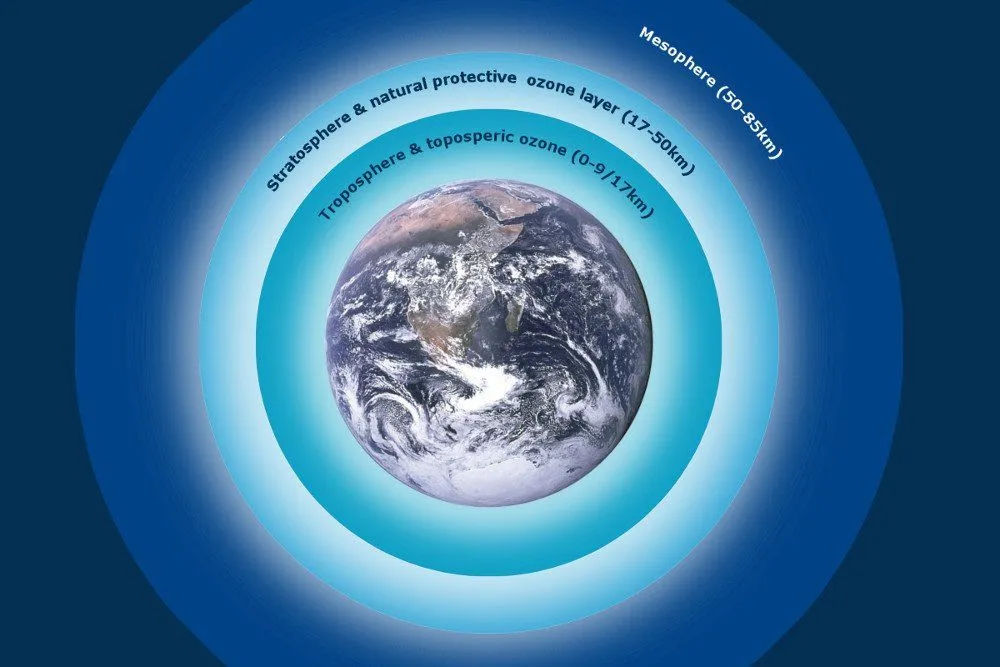
The part of the atmosphere (stratosphere) where ozone molecules are relatively more common is generally referred to as the ozone layer. It’s largely responsible for partially blocking all that harmful UV radiation from the sun.
Note that this is the good kind of ozone. Yes… there also exists a bad type of ozone (the one that’s found in the troposphere and contributes to lung damage in humans).
Why Is Ozone Not (Commonly) Found Near The Ground?
An ozone molecule contains three atoms, whereas an oxygen molecule contains two, so why is ozone mostly found in the upper reaches of the atmosphere, rather than close to the ground?
Well, actually, it’s found near the ground too.
In fact, there are ozone molecules around us right now (fun fact: you can even smell ozone; the smell of electric sparks is actually a bunch of ozone molecules!). However, their concentration is incredibly small.
The thing about ozone is that it is very, very unstable, which makes it extremely reactive. As such, it rapidly reacts with other elements in its vicinity. Thus, you are most likely to find a high concentration of ozone molecules where ozone is actually being created.
So what about that ‘crude logic’ from earlier? It turns out ozone really is heavier than ordinary air. An O3 molecule has a mass of about 48 atomic mass units, compared to roughly 29 for the average air molecule and 32 for O2, so ozone is genuinely denser than the air around it. If weight were the whole story, ozone really would pool near the ground. But it doesn’t, and that’s precisely the point: chemistry, not buoyancy, decides where ozone lives. Ozone is also far less stable than the O2 it’s made from, readily breaking back down into ordinary oxygen, so any heavy ozone that drifts downward simply doesn’t last long enough to settle.
Up in the higher reaches of the atmosphere, ozone is constantly being created due to all that sunlight constantly slamming into oxygen molecules and breaking them apart. That’s why the ozone concentration is higher up there than it is back on Earth.
Ozone vs. Oxygen: What’s The Difference?
People often use “oxygen” and “ozone” as if they were the same thing, but they are two different gases built from the same atom. Both are allotropes of oxygen, which simply means they are different molecular forms of the same element. The breathable oxygen in the air around you is diatomic, two oxygen atoms bonded together as O2. Ozone packs in a third atom to make O3. (If you have ever wondered why ordinary oxygen comes in pairs in the first place, that is a trait it shares with several other gases, as we cover in our piece on diatomic molecules.)

That extra atom changes almost everything. An O2 molecule is a straight line of two atoms; an O3 molecule is bent, with the three atoms sitting at an angle of roughly 117°. Curiously, the two bonds in ozone are exactly the same length (127.2 picometres), sitting neatly between a normal single O–O bond and a shorter O=O double bond. Chemists explain this with resonance: rather than one fixed single bond and one fixed double bond, ozone’s bonding is shared evenly across both sides, so each bond behaves like an average “bond-and-a-half”.
The rest of the differences follow from there. O2 is colorless and odorless and weighs about 32 grams per mole; O3 is a faintly pale blue gas with a sharp, pungent smell and weighs about 48 grams per mole. The big one, though, is what they do to us: the diatomic oxygen you breathe keeps you alive, while ozone is a toxic, irritating gas down at ground level. So the one similarity people are usually asked to spot is that both are made only of oxygen atoms; the key difference is the number of atoms (two versus three), and with it, the molecule’s shape, weight, smell, color, and how reactive it is.
Why Is Ozone So Unstable And Reactive?
We keep saying ozone is “unstable” and “reactive,” but it is worth unpacking what that actually means, because it is the real reason ozone doesn’t simply pile up wherever gravity wants it. Compared to ordinary O2, ozone is the higher-energy form of the two. Building it costs energy: forming a mole of ozone from oxygen takes in about +142.7 kilojoules (its standard enthalpy of formation, per the NIST Chemistry WebBook). That stored energy is exactly why the reverse step, ozone falling apart back into O2, releases energy and happens readily.

Each oxygen-oxygen bond in ozone is only about a bond-and-a-half, weaker than the full double bond that holds an O2 molecule together. So O3 is comparatively easy to pull apart, and when it does, it tends to hand off a single oxygen atom to whatever is nearby. A lone, hungry oxygen atom is a powerful oxidizer, which is why ozone attacks rubber, bleaches dyes, kills microbes, and irritates the lining of your lungs. That is also why “bad” ground-level ozone is treated as a pollutant.
This reactivity is the punchline of the whole article. Even though ozone really is denser than air, any O3 that drifts down toward the surface reacts with the first thing it bumps into and is gone within minutes to days. It only builds up where it is being made just as fast as it is destroyed, high in the stratosphere, where sunlight is forever splitting O2 and rebuilding fresh ozone.
References (click to expand)
- Good Up High Bad Nearby - What is Ozone? - cfpub.epa.gov
- Ozone - NASA Earth Observatory. The National Aeronautics and Space Administration
- The Link to the Ozone Problem - Earthguide. The University of California, San Diego
- The Ozone Layer - UCAR Center for Science Education. The University Corporation for Atmospheric Research
- Stratospheric ozone and the ozone layer. The University of Arizona
- Ozone (O3), CID 24823 - PubChem. National Center for Biotechnology Information, NIH
- Ozone - NIST Chemistry WebBook. National Institute of Standards and Technology
- Resonance Structures (ozone) - Chemistry LibreTexts
- Ground-level Ozone Basics - US Environmental Protection Agency