Table of Contents (click to expand)
Whether to use hot or cold water on a stain depends on the staining substance and the fabric. Use cold water for protein stains (blood, egg, milk, sweat) and delicate fabrics, since hot water “cooks” proteins into the fibers. Use hot water for oily and heavily soiled white items that need sanitizing. When in doubt, cold water is the safe choice that won’t set the stain.
Imagine you’re getting ready for a first date; you’re showered and coiffed, your shirt is ironed and your shoes are shined. To soothe your nerves, you’ve started your evening with a glass of red wine. Looking at the clock, you realize it’s almost time to leave, so you hurriedly raise your glass to down the rest of your merlot. Unfortunately, a stream of red wine slips out of the glass and lands squarely in the middle of your outfit! Panic sets in, and you try to remember everything your mother ever taught you about stains, but nothing comes to mind.
Hot water or cold water? Am I supposed to use vinegar or club soda? Dab, don’t rub, right? What material is this shirt made of anyways? Obviously, knowing how to effectively get stains out of your clothes and surfaces is important!
What Is A Stain?
While we all know what a stain may look like, it is harder to describe what they are. A stain is a discoloration or mark that can be clearly seen on another surface or material. These stains are caused by the chemical and physical interactions of two different materials. Most stains come in two types: oil-based and water-based.
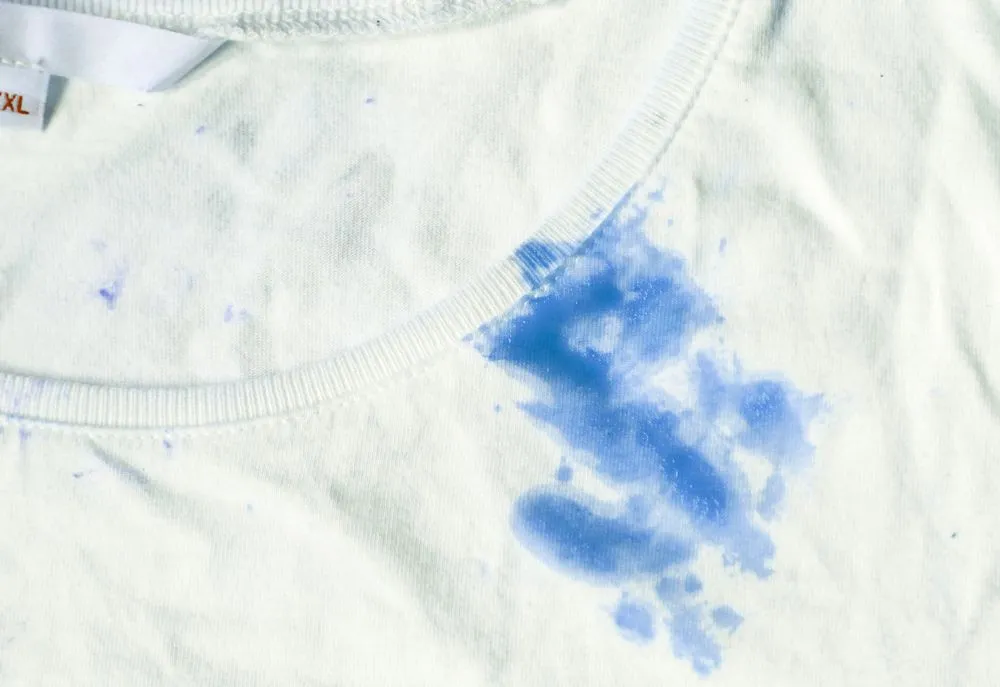
A water-based stain is one that comes from beverages and most liquids, drips from cutting fruit, and any other substance that is primarily composed of water. An oily stain is one from gravies, vinaigrettes, grease or oil spatters, substances that have a low concentration of water. There are some stains (such as those from ink, wine, chocolate, lipstick or paint) that will require a combination of approaches and may be more difficult to remove, particularly if they have a strong color of their own.
Just as there are different types of stains, the temperature of the water with which you clean such stains will also differ, as will the substance you use. For example, water alone won’t lift an oil-based stain, because oil and water don’t mix, so you’ll need a grease-cutting dish soap or stain remover to break up the oil before the wash water can carry it away. You also want to be careful how and when you use the classic “club soda” solution. Stubborn oil-based stains often require dry cleaning to fully remove the marks, but if you are going to wash out a stain at home, the most important consideration is the temperature of the water you use!
Hot Water For Stains
If you stain something white or pale in color, or if an item is heavily soiled, then hot water is the way to go. For example, diapers and underwear are usually washed in hot water because of their high need for sanitizing, which hot water provides. Hot water is effective at removing stains because it helps activate laundry detergent and fully dissolves powdered detergents, making them more efficient. As mentioned above, oil-based stains often need to be brought in for dry cleaning, but if you want to wash them at home, warm or hot water emulsifies the grease and helps lift it. Hot water can also help with dye-heavy stains like chocolate or red wine on sturdy, colorfast fabrics, though that same heat can set certain stains, so it is a judgment call.
The problem with using hot water on colored clothing is that it can increase the likelihood of color bleeding or fading. Furthermore, hot water can make clothes more prone to shrinking, particularly if the item is wool or any other delicate material.
Warm water (about 32–43 °C, or 90–110 °F) may not offer the same level of sanitizing as hot water (around 54 °C, or 130 °F), but it is typically adequate for common articles of clothing, such as jeans and clothes of manmade fabrics. The advantage of warm water is that it can get your clothes clean without the threat of shrinking or bleeding colors.
Cold Water For Stains
Cold water can be used on any type of stain, to varying effect, but there are some items of stained clothing and fabrics that should only be washed in cold water. To begin with, any stain on a delicate item of clothing, such as something made from wool, silk, satin or hand-dyed fabric, should be removed with cold water (below about 27 °C, or 80 °F).
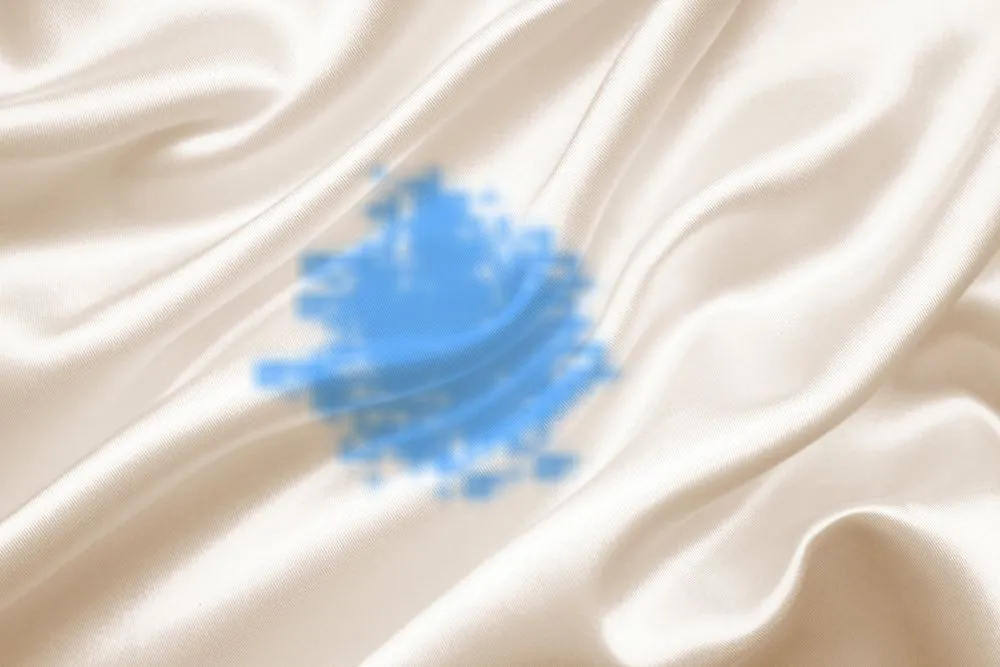
Additionally, if a stain is protein-based (namely blood, egg, milk and other dairy, sweat, deodorant or glue) it should be removed with cold water. If you use hot water, you could effectively “cook” the proteins. Heat unravels and denatures the protein molecules, which then bind even further into the fabric fibers, making the stain nearly impossible to get out. This is exactly why sweat and antiperspirant leave those stubborn yellow underarm marks once they have been through a hot wash or a hot dryer.
Some of the other stains that should be attacked with cold water include:
- Jelly/Jam
- Coffee/Tea
- Soy Sauce
- Urine
- Baby food
- Paint
If you aren’t sure about what temperature of water to use, it is always best to use cold water, as there is little chance of any damage to the garment. While this isn’t recommended if you want to sanitize your clothes thoroughly, it will reduce your energy bill, wear out your clothes slower, and prevent any shrinking or distortion that may make your clothes unwearable!
A Final Word
There will always be traditional remedies for getting stains out of clothes, from club soda and vinegar to lemon juice and hydrogen peroxide, but if you can’t remember all the tips and tricks, you should at least know whether to use hot or cold water! For delicate items, those stained with proteins, and any new clothes you want to prevent from shrinking or bleeding, use cold water. For intense stains that require sanitizing, or if you’re washing white/light clothes composed of manmade fabrics, hot water will be your best bet!
References (click to expand)
- Petkewich, R. (2005, December 1). Cold-water laundry detergent is a hot idea. Environmental Science & Technology. American Chemical Society (ACS).
- Spector, J., & Von Gemmingen, D. (1971, January). The Effect of Washing on the Detection of Blood and Seminal Stains. Canadian Society of Forensic Science Journal. Informa UK Limited.
- Easter, Elizabeth & McQuerry, Meredith & Baker, Erin. (2013). Assessing the Impact of Wash Water Temperature, Detergent Type and Laundering Platform on Basic Clothing Attributes. - ResearchGate
- Fan, J.,& Hunter, L. (2009). Engineering Apparel Fabrics and Garments (Woodhead Publishing Series in Textiles). Woodhead Publishing
- machine 0!ndc1ing - University of Minnesota. conservancy.umn.edu