Table of Contents (click to expand)
No, your future is not fully written in your genes. DNA accounts for only about half of the variation in traits like intelligence; the rest comes from environment and intrinsic developmental randomness. Even identical twins, who share the same DNA, differ in personality and IQ, so genes set predispositions, not destiny.
Recent breakthrough developments in genetics are increasingly making many people in the scientific world believe that we can accurately predict individual traits or personality tropes based simply on a person’s genetic composition. Also, this isn’t restricted to only making predictions; some are even trying out ways to manipulate genes, using advanced genome editing tools like CRISPR, to enhance certain traits or prevent disease from being passed on genetically.
For some basic physical traits, such as wanting a particular eye color or curing genetically simple diseases like sickle-cell anemia or cystic fibrosis, genetic engineering can be the right choice, provided we can judiciously alter the genetic profile of the embryos.
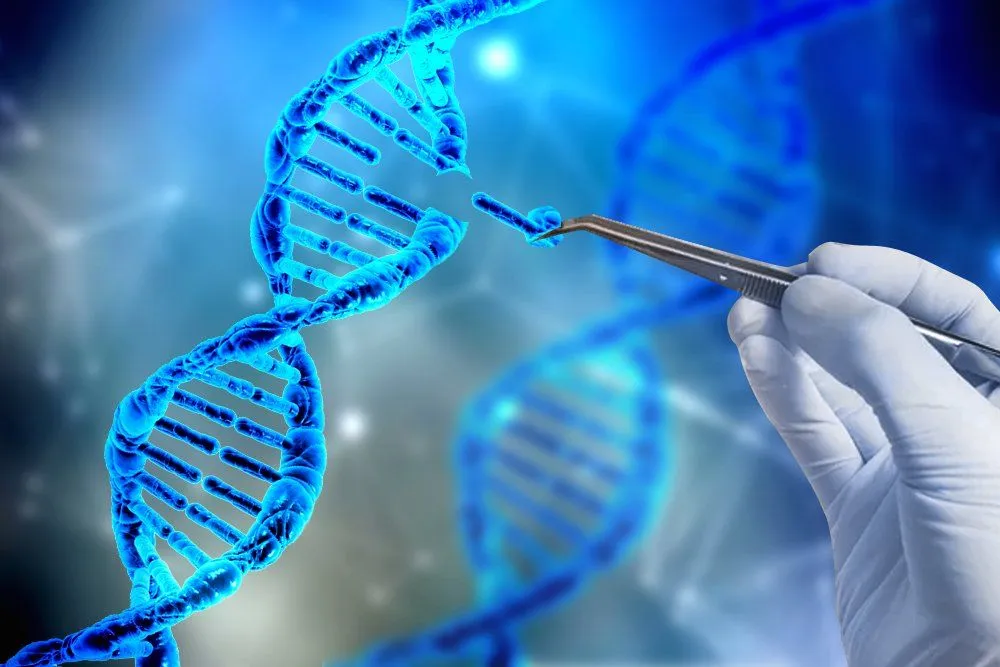
However, could we possibly implement the same tools for more complex traits, including psychological ones like intelligence? Studies and stories in this domain insinuate that it is possible (at least theoretically).
Polygenic Risk Scores
When it comes to practical implementation, the US biotech firm Genomic Prediction developed genetic screening tests that estimate the likelihood of an IVF embryo developing certain diseases or intellectual disability. The company was among the first to offer polygenic risk scores commercially, a test that scans the genome and aggregates the effects of many DNA variants to flag embryos at high risk for a particular condition. The service is now used at IVF clinics on several continents, with a few dozen reported live births to date.
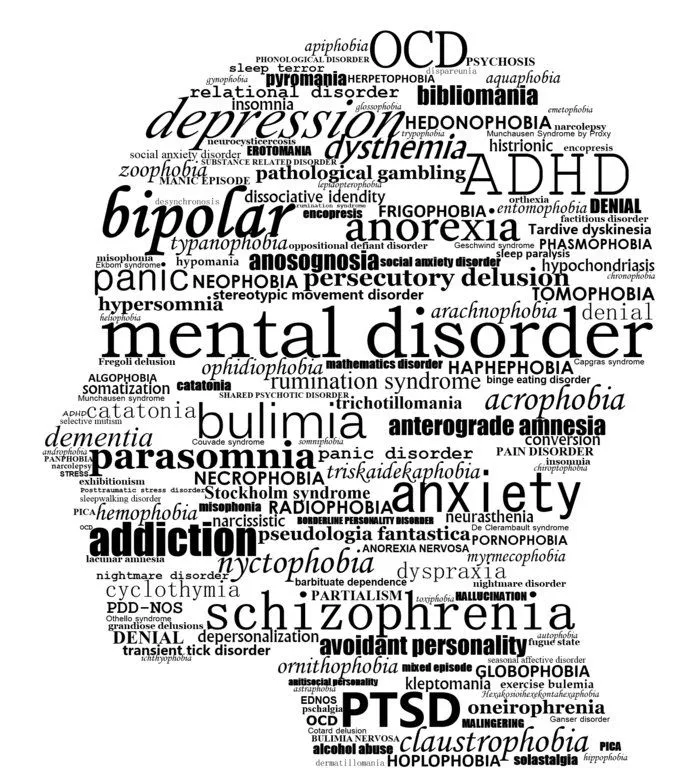
Stephen Hsu, cofounder of Genomic Prediction, has said that the company only offers the option of screening out embryos flagged with a high risk of intellectual disability, and that it deliberately does not return scores predicting high IQ because, in his words, society is not ready for it. He has, however, suggested that some company somewhere may eventually offer to identify embryos with genes linked to high IQ, because he believes people will demand it.
‘Blueprint’ Of Genetic Prediction
Behavioral geneticist Robert Plomin, in his book Blueprint, argues that genes act as fortune-tellers. He famously describes a polygenic score as a completely reliable and unbiased predictor, in the sense that the number itself never changes. It is worth being precise about what that means, though: Plomin’s own estimate is that inherited DNA differences account for roughly half of the variation in psychological traits, not all of it.
With the increase in sample size, researchers are uncovering more and more genetic nuances that affect our intelligence. Also, thanks to sophisticated present-day machine learning and artificial intelligence algorithms, we can use these algorithms on this genetic data to discover meaningful patterns. This may give us nearly superhuman powers of classification and prediction!
The Limitation
Despite such propitious genetic engineering discussions, the fundamental limit is often undermined, which is likely to impede our quest for prediction or control of psychological traits. Most traits of this kind are partially heritable, but not entirely. In other words, only a certain percentage of variation that we see in a trait across our community can be attributed to genetics. Talking specifically about intelligence, twin and adoption studies put its heritability at roughly 50% on average, a figure that actually rises with age (closer to 40% in childhood and up to 70-80% in later adulthood). The remaining share of the variation is non-genetic, which means it depends on environmental and other external factors.
It is the differences in physical structure and the chemical makeup of our brains that lead to the formation of psychological traits. The wiring of our brain is inscrutably complex and its incredible self-assembly relies on a plethora of cellular processes that keep the body going, thanks to the activities of thousands of genes.
It is the variation in these genes and genetic activity that affect our intelligence. Although these genes encode a program of development, they seldom encode a precise outcome. This encoding is done by setting arbitrary rules that regulate the biochemical interactions of thousands of protein molecules, with instructions for which genes are to be turned on and off in each cell in a developing embryo. Through complex sets of feed-forward and feedback interactions, different organs develop in their corresponding place. Similarly, through these interactions, different types of cells differentiate and nerve cells in the brain can get connected in the correct order.
However, on a molecular level, all those processes are subject to noise or inherent randomness. The genes can set the rules, but outcomes differ, sometimes markedly. This becomes evident when we study identical twins. Despite having a structurally very similar brain, there are still noticeable differences between the two. This difference is observed in their psychological traits, such as personality or intelligence. Interestingly enough, this variation is not due to environmental or external factors, but is instead intrinsic, arising from the nuances in the process of development that leads to disparate outcomes, even with the same encoding.
Thus, by the time we are born, our brains are already unique. It’s not just because of genetic composition, but also the consequence of an unprecedented sequence of developmental events.
This implies that there is a limit to which genomic prediction or editing would work, not just practically, but even theoretically. This doesn’t mean that we should stop using genetics for understanding statistical effects across populations, but we should bear in mind that there is always some degree of randomness or unpredictability involved in such research. In other words, given the present progress of genetics and advancements in other fields, it is unlikely that we will ever be able to perfectly predict the intelligence of an unborn baby just by looking at its genes.
References (click to expand)
- Plomin, R., & Deary, I. J. (2015). Genetics and intelligence differences: five special findings. Molecular Psychiatry. NCBI PMC.
- Plomin, R., & von Stumm, S. (2018). The new genetics of intelligence. Nature Reviews Genetics.
- Lello, L., Raben, T. G., Yong, S. Y., Tellier, L. C. A. M., & Hsu, S. D. H. (2019, October 25). Genomic Prediction of 16 Complex Disease Risks Including Heart Attack, Diabetes, Breast and Prostate Cancer. Scientific Reports. Springer Science and Business Media LLC.
- Blueprint - MIT Press. The MIT Press