Table of Contents (click to expand)
People become allergic when the immune system mistakes a harmless substance for a threat and makes IgE antibodies against it. That first exposure causes no symptoms, but it primes mast cells; on later exposures they release histamine, triggering the reaction. Allergies can be inherited or develop later in life, and can appear suddenly.
People can become allergic to things in two ways: they can either be allergic to something from birth (due to their genes), or they can become allergic to something as they grow up.
People become allergic when the immune system mistakes a harmless substance for a threat and makes IgE antibodies, so later exposures trigger a histamine reaction. How does that happen? How does one become, or stop being, allergic to something?
Let’s start with the basics…
What Is An Allergy?
An allergy is a condition that is caused by the hypersensitivity of an individual’s immune system to something that’s present in their environment, but is not generally considered harmful to other people. Allergies are also called allergic diseases, because allergies can result in a number of diseases and ailments, including allergic asthma, hay fever, atopic dermatitis and so on.
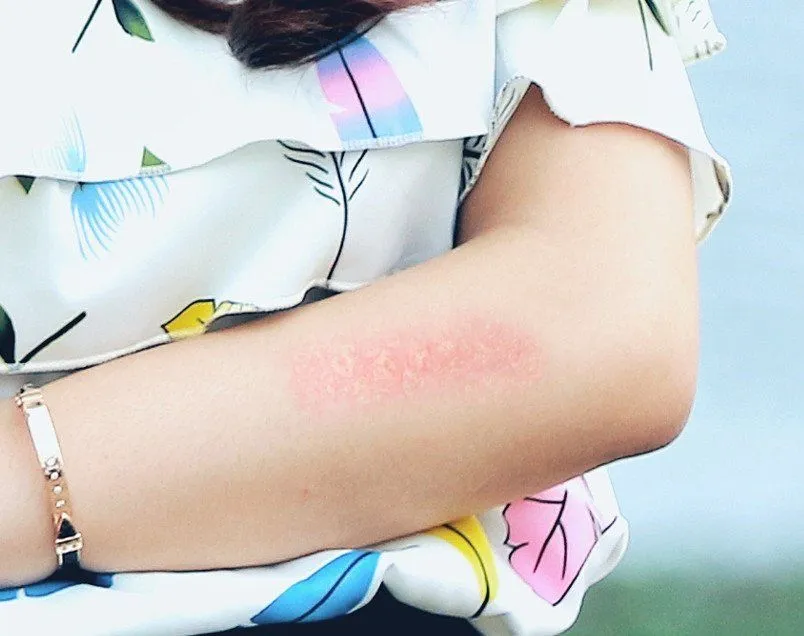
Although a number of allergies can potentially turn into nasty medical conditions (e.g., allergic asthma), not all allergies turn into harmful diseases, especially if they are identified and treated quickly.
Common Allergens
There are many different things that can trigger allergies in people. The list of allergens includes, but is not limited to — pollen (ragweed, cockleweed and pigweed are especially bad), peanuts, papayas, gold, latex, penicillin, insect venom, jellyfish stings, pecans, salmon, beef, perfume, eggs, the feces of house mites and nickel. People are also allergic to dust (which is present almost everywhere) and even certain seasons (in which their allergic symptoms flare up)!
Now, most of those examples are natural allergens, i.e., the ‘harmless’ stuff that you find in the environment. There are also allergies to certain medications, and these are particularly unpleasant.
Symptoms Of Allergies
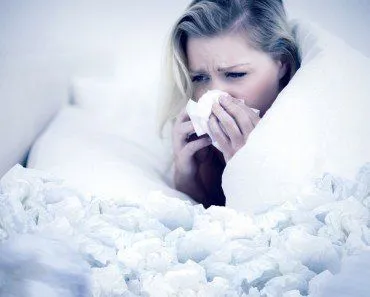
A variety of allergens trigger different symptoms in different individuals. Some of the most common symptoms of allergies include constant sneezing, stuffy nose, hay fever, itchy skin, shortness of breath, coughing and so on.
Some allergies are easy to deal with, meaning that all you have to do to is immediately stop yourself from being exposed to the particular allergen. That’s also arguably the most effective way of dealing with most non-lethal allergies. For instance, if you’re allergic to a particularly rare plant, all you have to do is avoid being around that plant. Similarly, if you are allergic to cats, simply stay away from cats (and also abandon the idea of ever adopting a cat).

So, you get the basic idea, right? People get allergic to stuff.
But how? And why? Why does a normal person’s body suddenly decide that it cannot stand cats or the spring season?
Why Do We Become Allergic To Things?
An allergy occurs when our immune system mistakenly recognizes a foreign object as a threat to the body, and responds by attacking it. The symptoms, such as a runny or stuffy nose, sneezing, or in severe cases the airway swelling and fluid buildup that make breathing difficult, are the result of the immune system’s reaction to such a foreign object.
Now, people can become allergic to things in two ways: they can either be allergic to something from birth (due to their genes), or they can become allergic to something as they grow up.

In the latter case, a person becomes allergic through a two-step process that immunologists call sensitization. The very first time the immune system meets the harmless foreign object (the allergen), it mistakenly flags it as a threat. Specialized white blood cells then instruct the body to churn out antibodies called IgE that are custom-built to recognize that one allergen. Here’s the catch: this first encounter usually produces no symptoms at all. You feel nothing, yet your body has quietly armed itself.
Those IgE antibodies go and latch onto the surface of mast cells and basophils, immune cells packed with tiny granules of histamine and other irritating chemicals. The next time that same allergen shows up, it links the IgE antibodies together like a key turning a lock, and the mast cells burst open, dumping their histamine into the surrounding tissue. That flood of histamine is what actually produces the sneezing, the itching, the runny nose and the swelling. So you don’t react the first time you meet an allergen; you react on the encounters that follow.
This is also how allergies can get worse if the person is constantly exposed to that particular allergen. As exposure continues, the immune system keeps the IgE response primed and ramped up, which can make each subsequent reaction more pronounced than the last.

So, this is how people can become allergic to something. Now it’s time to discuss the other aspect of the scenario.
How Can People Stop Being Allergic To Something?
There are two primary ways in which people can stop being allergic to something: the allergy can gradually go away over a period of years, or the allergy can be ‘eliminated’ suddenly.
In the former, people can slowly become non-allergic to something when they are constantly exposed to a gradually increasing dose of the allergen. In other words, you could say that their immune system becomes muted, as it learns that it mistakenly attacked a harmless foreign body. Rather than pumping out IgE, the body starts producing calmer, regulatory immune cells that dial the reaction down.

This is how a lot of anti-allergy treatments work.
People can also seem to suddenly become non-allergic to something, as opposed to losing the allergy gradually. This is most common in children, many of whom simply outgrow allergies to foods like milk and eggs as their immune system matures and stops treating the allergen as a threat. In these cases the immune system quietly retires the IgE response it once built, and the person is no longer allergic to the trigger.
The other way this can be done is through a medically supervised treatment called allergen immunotherapy, better known as allergy shots (or, for some allergens, drops or tablets placed under the tongue). A doctor gives you tiny, carefully escalating doses of the very allergen that sets you off, retraining the immune system to tolerate it instead of overreacting. It can take months or years and, for some allergens, has to be done in a clinic because a strong dose can trigger a dangerous, whole-body reaction (anaphylaxis). It is worth being clear about one thing, though: there is no surgery that removes an allergy, and no procedure that simply deletes your allergy-causing cells. Today’s treatments manage and retrain the immune response rather than cut it out.
References (click to expand)
- Allergenic Foods and their Allergens, with links to Informall. The University of Nebraska–Lincoln
- Allergies. American Academy of Allergy, Asthma & Immunology (AAAAI)
- Allergies and the Immune System - Health Encyclopedia. The University of Rochester Medical Center
- Allergies: A Scientific Explanation - dujs.dartmouth.edu:80
- Type I Hypersensitivity Reaction. StatPearls. NCBI Bookshelf