Table of Contents (click to expand)
- Chlorophyll
- A Green Green World
- New Adaptations And A Change In Lifestyle
- Why Is This Impossible?
- Do Humans Have Chloroplasts Or Chlorophyll?
- Why Don't Other Animals Just Photosynthesize?
- Photosynthesizing Creatures: Organisms That Can Prepare Their Own Food
- What Would Happen If Photosynthesis Stopped Altogether?
You might be able to undergo photosynthesis, with the chlorophyll mutated in your cells, but unlike plants, you would require a lot more sunlight.
Plants have it so easy, right? Basking in the sun all day long, looking fresh and green, and getting their essential nutrients, all while enjoying the weather out in the open air. Being the ultimate producer has its perks!
We, the consumers, spend our time foraging for food, tracking it down, making something palatable from it and undeniably expending a lot more energy to acquire it. Unlike humans, most plants don’t have mouths, yet despite not eating any food, the majority of plants can grow much larger and stronger than any of us! By photosynthesizing, plants are able to convert moisture, minerals, and sunlight into usable energy. However, it isn’t just a mechanism that feeds the plant; it’s also the only reason you’re still breathing, and why everything on this planet hasn’t been burnt to a crisp!
What if you could learn a trick or two from plants and harness the massive amount of sunlight falling on Earth’s surface through photosynthesis?
What would you require?
Chlorophyll
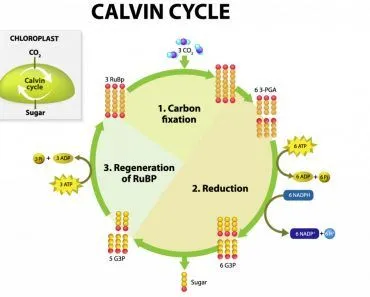
Photosynthesis in green plants demands a combination of carbon dioxide, water and light energy. The leaves carry the primary burden of creating food for the plant, so they are spread flat across the stalk, to catch as much sunlight as possible and ensure maximum absorption. So what does your body lack that would makes it possible for your skin to do the same?
Within a plant’s leaves are mesophyllic cells containing chloroplasts, the food producers of the cell. The chloroplasts contain a photosynthetic, light-sensitive pigment known as chlorophyll, which aids the plant in carrying out photosynthesis and also imparts the green color to a healthy, growing plant.
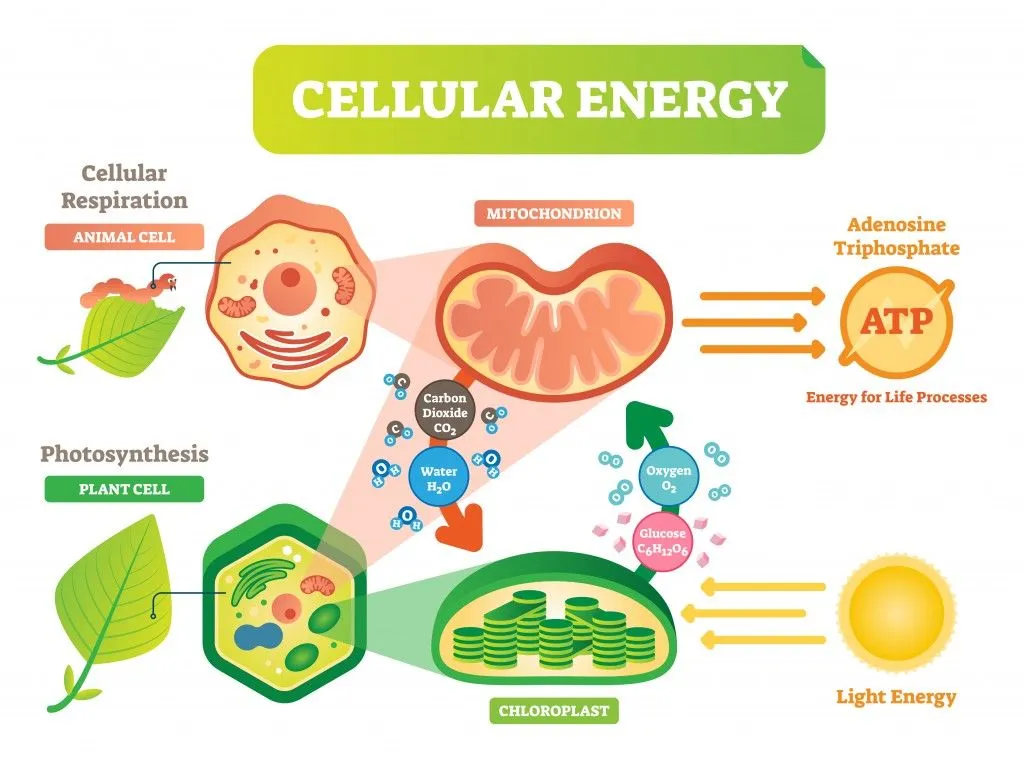
Once these pigments have absorbed the light, it is stored as ATP (adenosine triphosphate), a chemical that readily provides the plant with energy, when required.
Now, imagine a world where every organism contained this magical pigment…
A Green Green World
With chloroplast running through your blood, your skin would most definitely turn green. It might not be your favorite color, but isn’t that a price you’re prepared to pay for a life of sunbathing and leisure?
By this point, you’re well aware of how plants absorb light. However, it would be a little different when you consider yourself “photosynthesizing”. Comparatively, you would require a tremendous amount of energy, much more than plants do. In a single day, good exposure to sunlight might provide a tree with as many as 200 calories, whereas a healthy human requires 2,000 calories each day to “survive”, let alone the energy that would be expended in regular physical work! Also, while plants are environmentally friendly, they’re certainly not efficient. A meager 5-10% of the sunlight they receive is converted into useful energy.

New Adaptations And A Change In Lifestyle
If you somehow manage to learn how to photosynthesize, you better get good at it—fast! As a natural adaptation, humans would evolve to become much larger, with fewer contours/features on the body to ensure the maximum absorption of light. Traveling in a transport vehicle would be a hassle, as there would be a constant fight for the window seats, especially when a person is hungry!

To get just the right amount of daily calories, you would have to lie out in the sun all day; sweating is not an option, as every drop counts when you gotta photosynthesize. With any luck, you might evolve to start growing leaves on your body, branching out from every side. This would certainly make the process a little easier, and provide you with some shade, although you wouldn’t want it, since shade would only hinder the absorption of sunbeams by your skin.
Why Is This Impossible?
First of all, a human body cell does not, in any way, produce light-sensitive pigments like chlorophyll. The viability of this wild idea comes to a stop then and there. However, consider a hypothetical situation where humans did manage to mutate our cells to produce chloroplasts in the cells. What would happen?
Along with sunlight and water, your body would require CO2 to initiate the process. Your nasal openings won’t be enough to inhale just the right amount of air containing just the right amount of carbon dioxide. In fact, your body would have to be one hundred times more porous to take in the right amount of CO2.
However, did you know that the air we breathe is only about 0.042% CO2 by volume — roughly 425 parts per million as of 2026, and rising every year (NOAA Climate.gov)? Also, if humans started photosynthesizing, carbon dioxide would become a limiting factor, meaning that photosynthesis would cease to occur for humans, let alone all the other organisms on Earth that were trying to photosynthesize. Eventually, all life would die in this situation.
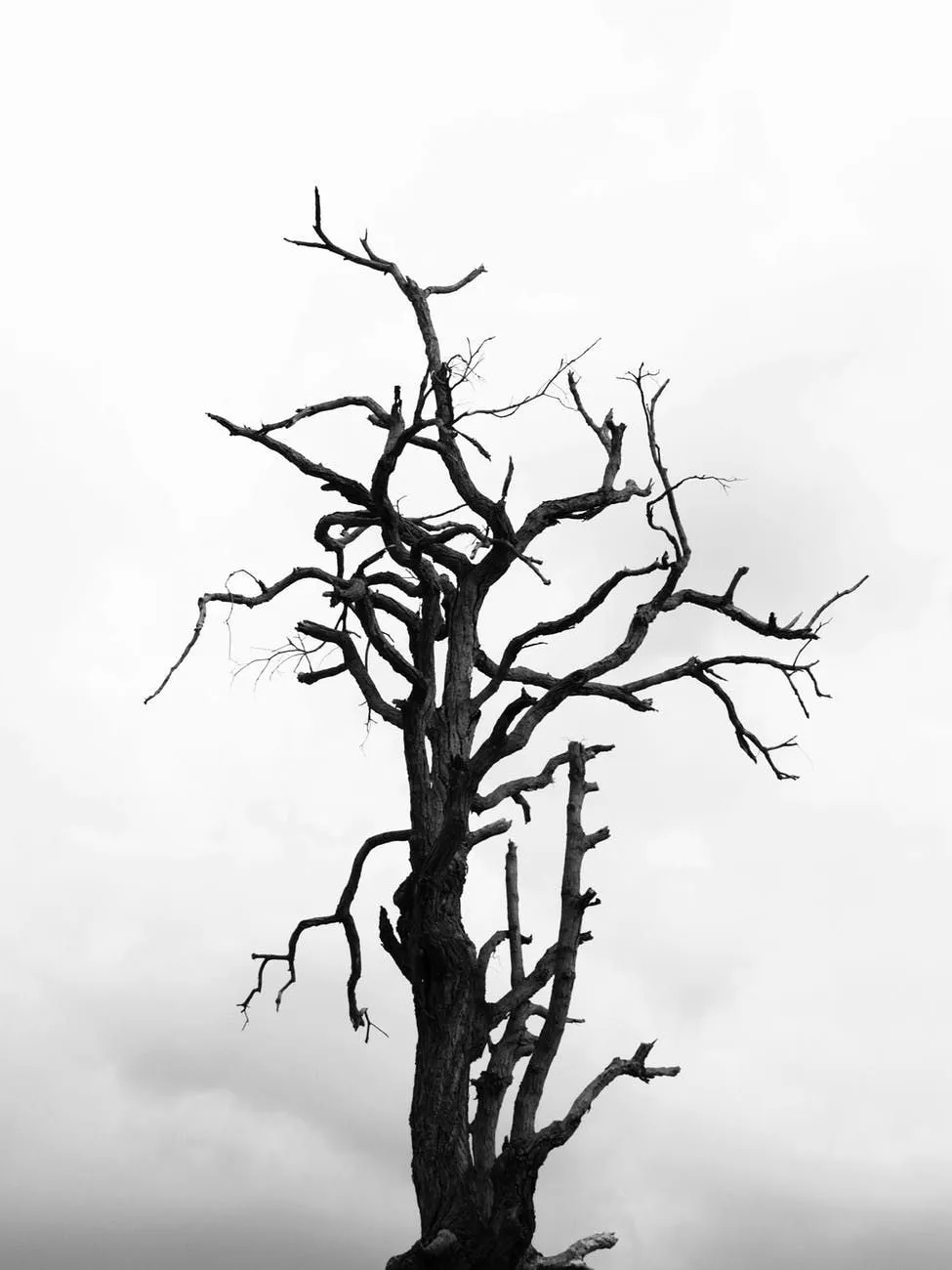
The distinction between animals and plants has always seemed reasonably coherent, but this line of distinction began to blur with the discovery of organisms that could produce those molecules essential for photosynthesis.
Do Humans Have Chloroplasts Or Chlorophyll?
The short answer is no. Your cells are packed with mitochondria, the tiny power plants that burn your food for energy, but they contain no chloroplasts at all, and your body cannot make a single molecule of chlorophyll. The only chlorophyll that ever passes through you is the green pigment in the salad on your plate, and your gut simply digests it. It never sets up shop in your skin to run photosynthesis.

Why the difference? Both chloroplasts and mitochondria are believed to be ancient stowaways. Under the endosymbiotic theory, each descends from a free-living bacterium that was swallowed by an ancestral cell billions of years ago and then stayed on as a permanent lodger. Mitochondria trace back to oxygen-using (aerobic) bacteria, while chloroplasts trace back to photosynthetic cyanobacteria. The lineage that eventually led to animals struck the deal that gave our cells mitochondria, but it never partnered with a cyanobacterium. Plants and algae did, and that single ancient merger is the reason they carry chloroplasts and we do not. The green machinery was simply never written into the animal blueprint.
Why Don't Other Animals Just Photosynthesize?
Even if you could somehow smuggle working chloroplasts into an animal, the arithmetic of energy would still sink the idea. Plant scientist Lindsay Turnbull of the University of Oxford has run the numbers: a typical adult woman needs roughly 700 grams of glucose worth of energy every day, and with about 1.6 square metres of skin, green skin would supply a thoroughly disappointing 1% of that demand. To cover a full day of calories by sunlight alone, you would need something like a tennis court's worth of light-catching surface.
That is exactly the trick plants pull off. They spread thin, flat leaves to grab an enormous surface area relative to their volume, and, just as importantly, they stay put. Animals are built the opposite way, being compact, dense, and constantly on the move. Movement is expensive, and photosynthesis simply cannot refill the tank fast enough to pay for a running, hunting, thinking body. As National Geographic put it, an animal that gathered all of its energy from the sun would need so many leafy protrusions that "the person's a tree." So animals did not miss out on a gift. Eating is just a far richer and faster source of energy, and evolution sensibly routed mobile creatures toward foraging rather than sunbathing.
Photosynthesizing Creatures: Organisms That Can Prepare Their Own Food
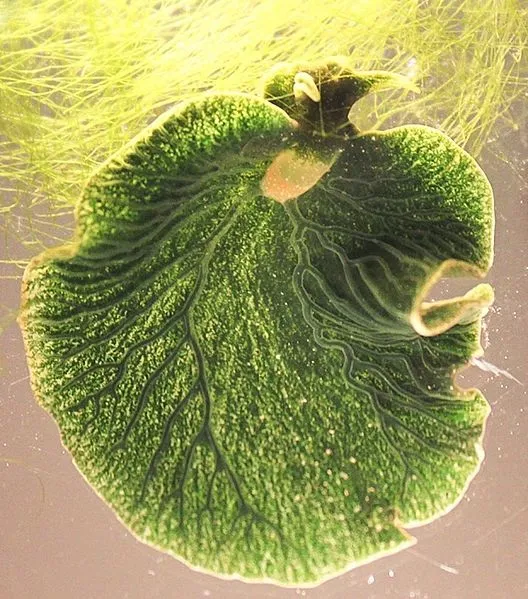
1. The Green Sea Slug
Elysia chlorotica. This extraordinary sea-dwelling creature steals the genes of green algae, which make up most of their diet. Upon eating the algae, its body cells manage to integrate the chloroplasts into themselves. The secret lies in the complex breakdown of food in their bodies, which is in contrast with the rest of the animal kingdom. Rather than digesting every ingested material, the sea slug’s intestines form cell pouches to engulf entire cell parts, thus the ability to photosynthesize!
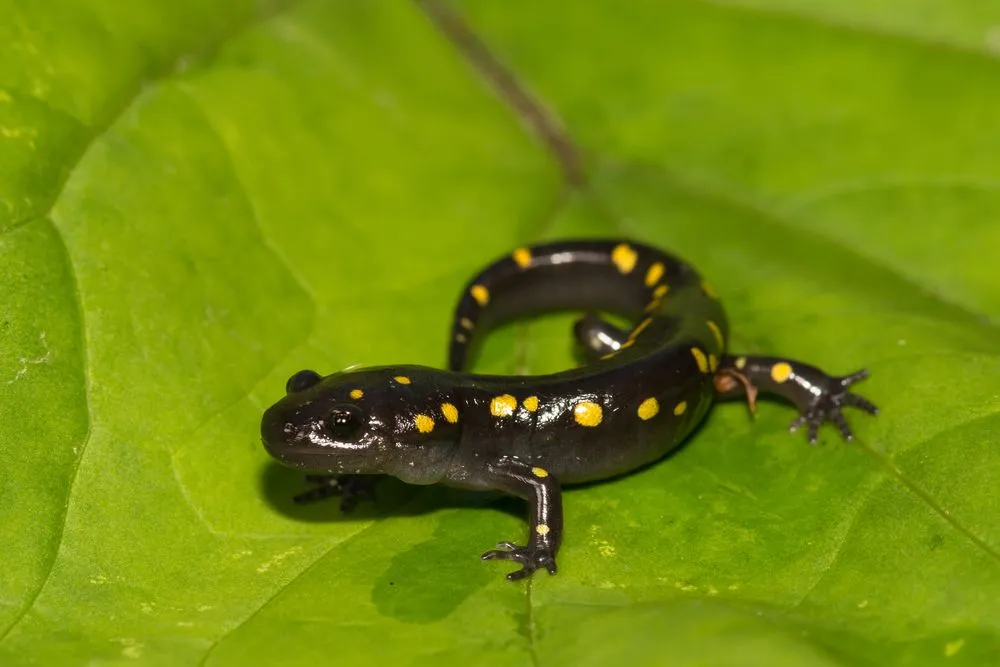
2. The Spotted Salamander
Ambystoma maculatum. Quite similar to a sea-slug, the spotted salamander also maintains a symbiotic relationship with green algae cells. The chloroplasts in this creature are found near the mitochondria of the cell, which are directly consuming the oxygen and carbohydrates created through photosynthesis.
The most astounding part of this relationship is that all vertebrates have robust immune systems, destroying any foreign material entering the bodies. This makes the spotted salamander an intelligently immune vertebrate that has the ability to photosynthesize.
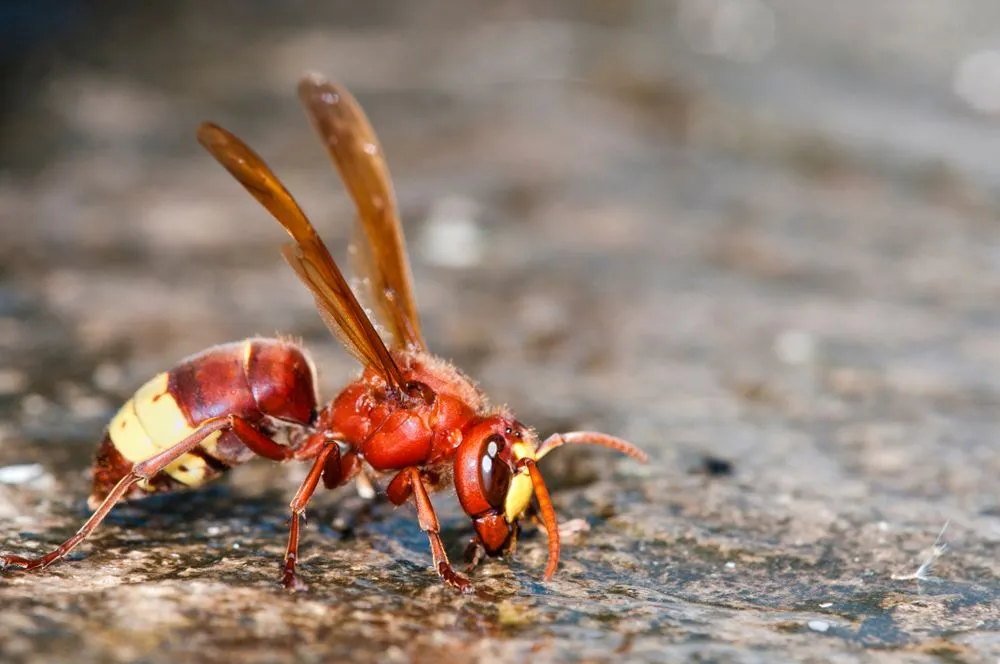
3. The Oriental Hornet
Vespa orientalis. Unlike the “chloroplast stealing” sea slug and spotted salamander, this photosynthetic insect’s yellow patches contains xanthopterin, a chemical that actively absorbs light and converts it to electricity.
This is achieved by the microscopic grooves in the hornet’s body, which trap photons from the sunlight, engaging with the xanthopterin and building up the voltage that is necessary for generating current. This current helps the hornet in darkness and serves an integral part in the development of its pupae. Compared to other wasps, oriental wasps are more active and lethal.
What Would Happen If Photosynthesis Stopped Altogether?
Now flip the whole daydream on its head. Instead of every creature gaining the power to photosynthesize, imagine the process switching off everywhere, or never evolving in the first place. It sounds abstract, but it is one of the most catastrophic scenarios you can picture for life on Earth.

Photosynthesizers, meaning the plants, algae and cyanobacteria, sit at the very bottom of nearly every food chain as the primary producers. According to Encyclopaedia Britannica, photosynthesis is the route by which virtually all of the energy in the biosphere becomes available to living things. Knock out the base of the pyramid and the collapse climbs upward, as herbivores starve first, then the carnivores that feed on them, until the whole food web unravels from the ground up.
The air would be in just as much trouble. Almost all of the oxygen you breathe is a leftover of photosynthesis, built up ever since the Great Oxidation Event began around 2.4 billion years ago, driven by those very same cyanobacteria. With production halted, breathing and burning would keep drawing oxygen down while carbon dioxide climbed, and Earth's atmosphere would eventually become nearly devoid of oxygen. Only a handful of anaerobic microbes, tucked into deep sediments or huddled around hydrothermal vents where they feed on chemistry rather than light, would carry on. A world without photosynthesis is, in the end, a world that stays microbial, with no plants, no animals, and no us.
References (click to expand)
- What is Photosynthesis | - Ssec.si.edu. The Smithsonian Institution
- Video: What if humans could photosynthesize? - Phys.org. Phys.org
- Herrera, A. S. (2013). Human Photosynthesis: A Turning Point in the Understanding and Treatment of Alzheimer’s Disease. Journal of Bioanalysis & Biomedicine. OMICS Publishing Group.
- Solar powered sea slugs shed light on search for perpetual .... Phys.org
- Symbiotic Algae Provide Photosynthetic Products - AskNature. asknature.org
- Pigments Absorb Solar Energy — Biological Strategy. asknature.org
- The Endosymbiotic Theory - Biology LibreTexts
- Explainer: why can't humans photosynthesise? - The Conversation
- Will We Ever Photosynthesise Like Plants? - National Geographic
- Photosynthesis - Encyclopaedia Britannica