Table of Contents (click to expand)
- How Long Does Normal Digestion Actually Take?
- How Fast Does Food Pass Through You During Diarrhea?
- During Diarrhea, The Gut Cannot Absorb Nutrients And Water
- Types Of Diarrhea And Their Causes
- Osmotic Diarrhea
- Diarrhea Due To Bacterial Infection
- Diarrhea Related To The Gut Lining
- Diarrhea Occurs Because Of Deranged Motility Of The Gut
Diarrhea happens when there is an imbalance in water secretion and absorption within the body. This excess water causes the stool to pass through quicker than normal.
My fifth-grade textbook said that it takes more than 24 hours to complete digestion. The food is slowly pushed down through our gut, breaking it into its building blocks so that each cell can finally benefit from this tasty food. My 10-year-old brain found all this fascinating.
However, when you have diarrhea, the time it takes for your food to journey from mouth to anus is annoyingly short. Why is that?

How Long Does Normal Digestion Actually Take?
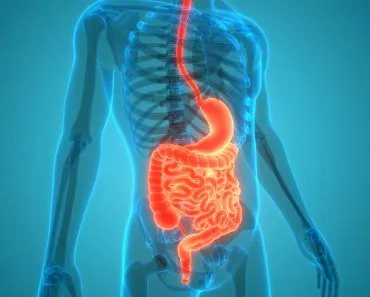
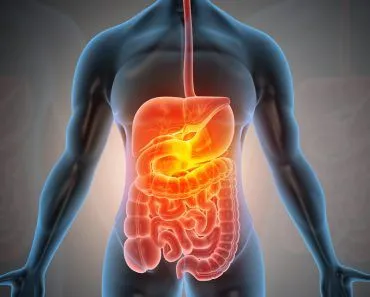
So how long is “so long”? When you eat, the clock starts in your stomach, and your stomach is in no hurry. It churns a solid meal and trickles it into the small intestine over a few hours; by the four-hour mark, roughly 90% of a solid meal has typically left the stomach. From there the food moves into the small intestine, where most nutrients are absorbed, and spends a median of about 5 hours passing through.
The real bottleneck is the large intestine. The colon takes its time, a median of around 21 hours, slowly reclaiming water and packing the leftovers into stool. Add it all up and the trip from plate to toilet takes a median of roughly 28 hours in healthy adults, with anywhere from about one to three days being perfectly normal. That patient colon is the “so long” my fifth-grade textbook was talking about.
How Fast Does Food Pass Through You During Diarrhea?
Here is the part most people really want answered: when you have diarrhea, that leisurely one-to-three-day schedule collapses, and the contents get rushed through in a matter of hours. The reason is the same one this article keeps circling back to, which is water. Every day around 1.5 liters (about 1.6 quarts) of fluid reaches the colon, yet normally only about 200 milliliters (under a cup) of it ends up in your stool. That efficiency depends entirely on contact time. When the gut’s muscles contract too forcefully, the watery contents sweep past the absorbing lining too quickly for the water to be reclaimed, so it leaves as loose, liquid stool.

One common misunderstanding is worth clearing up. A sudden dash to the bathroom soon after a meal does not mean the food you just swallowed sprinted through you in 20 minutes. That urge is the gastrocolic reflex: the arrival of food in the stomach signals the colon to ramp up its contractions and move along material that was already waiting there. The meal you just ate is still only beginning its multi-hour journey through the stomach and small intestine. So during a bout of diarrhea, food can clear your system far faster than the usual day or more, but what lands in the bowl first is mostly water and whatever the gut had already lined up. For the full picture of the normal process, see how the human digestive system works.
During Diarrhea, The Gut Cannot Absorb Nutrients And Water
Diarrhea feels like the food takes a “fast pass” out of the gut. Instead of being systematically broken down and absorbed, as in normal digestion, food gets rushed through the digestive tract and dumped out the other end.
The diarrhea “fast pass” means that somewhere along the GI tract, something is amiss, a deviation from normal function.
Under normal conditions, enzymes in the GI tract dismantle large foods, starch, protein, and oils into smaller chunks like monosaccharides (such as glucose), amino acids, fatty acids, and cholesterol, respectively. Cells of the small intestine must then catch these nutrients. The large intestine absorbs the water, not just from our food and beverage, but also the water that the body secretes to aid digestion.
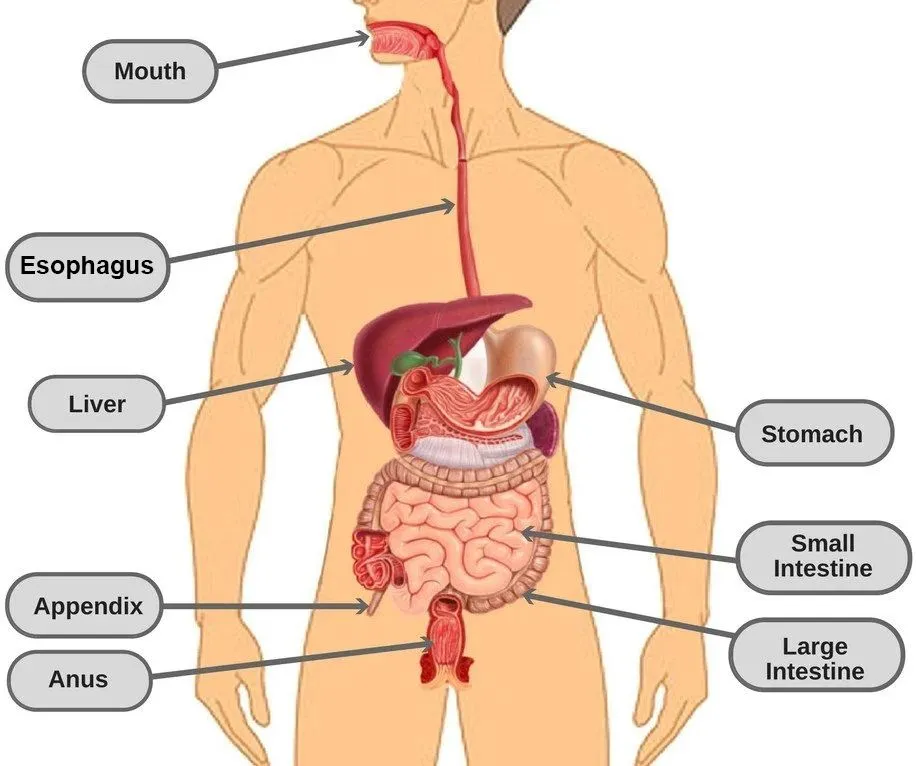
Diarrhea fast passes when the gut fails to absorb water and electrolytes. When this watery chyme enters the small or the large intestine too quickly, as liquids are wont to do, the pushing movement of the gut changes, pushing the watery stools faster than normal through the gut.
(Note: This is a gross oversimplification of the digestion process; I recommend reading this article for a more detailed description of digestion.)
Something as commonplace as diarrhea occurs for multiple reasons.
Types Of Diarrhea And Their Causes
When lactose-intolerant people drink milk, they get diarrhea. When we eat unhygienic food, we get diarrhea. In some rare cases, we have prolonged bouts of diarrhea when there is a more serious problem, like cholera.
Osmotic Diarrhea
The lactose-intolerant type of diarrhea is called osmotic diarrhea.
Lactose, the predominant sugar in milk, holds water molecules. In someone who doesn’t have lactose intolerance, the enzyme lactase will break down lactose into glucose and galactose (the smaller sugars that makeup lactose), which the cells can absorb. Along with these sugars, sodium and water are absorbed, which means drinking milk can also hydrate you.
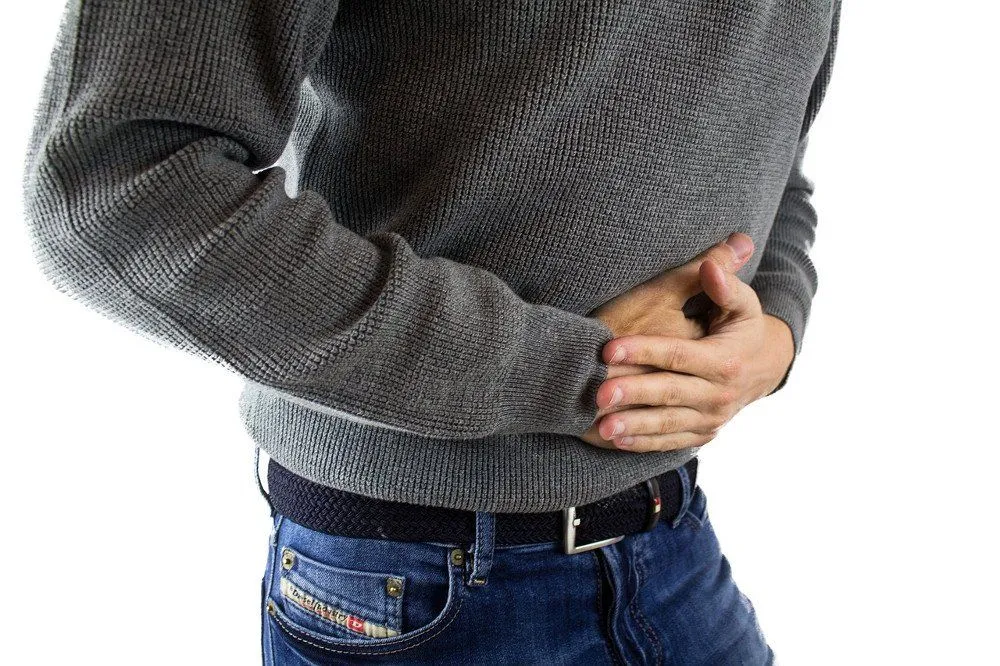
However, lactose intolerant individuals can’t break down lactose because they lack the lactase enzyme. Cells in the small intestine cannot absorb lactose whole, so the lactose retains the water, making the resultant poop watery.
Such diarrhea, fortunately, only lasts as long as the food remains in the system. Once the milk or salt has left the system and the person has fasted for a while, the problem usually resolves.
Diarrhea Due To Bacterial Infection
The gut, when threatened with a nasty pathogenic bacteria (that has either reached your stomach via food or water) triggers a set of abnormal reactions within the stomach, and a sophisticated suite of nerves (present in the gut) snap into action. This ‘threat’ signal is transmitted to the brain, which hits the ‘emergency’ button and orders the gut to flush everything out ASAP. Water and other fluids mix with the ‘bad food’ and hasten the exit process of the food from the body.

Pathogens like Salmonella and Giardia can cause inflammation, which can destroy the protective barriers of the gut. The gut secretes mucus, proteins, and other factors to protect itself. This increases the volume of poop, and, together with damaged cells not being able to absorb water and nutrients, we get a bad case of diarrhea.
Secretory Diarrhea
The pathogen Vibrio cholera that causes cholera works in a slightly different manner. It hijacks the intestinal cell’s machinery and forces it to release large amounts of water. All that water results in large amounts of diarrhea. This is called secretory diarrhea since the gut “secretes” water. Several laxatives, such as antacids and Milk of Magnesia, draw water from the body into the bowel, loosening stool.
Diarrhea Related To The Gut Lining
The gut is lined with a layer of mucus (similar to the slimy stuff you find in your nose) and a layer of epithelial cells. This layer protects the gut from pathogens and pro-inflammatory molecules and is key to the absorption of electrolytes.
Damage to this lining, either due to stress, diabetes, or a food allergy, can cause water and electrolytes to leak into the gut and out of the body, leading to diarrhea.
Diarrhea Occurs Because Of Deranged Motility Of The Gut
Digested food in our gut doesn’t just sprout legs and begin to move along. Smooth muscles that line the digestive tract contract and relax, pushing the food ahead. This muscular propulsion (called peristalsis) is coordinated by the gut’s very own nervous system, the enteric nervous system (ENS), along with the brain.
Deranged motility is when the muscle propulsion system of the gut is thrown into disarray. We still don’t know why and how this happens; the ENS and its interactions with the gut, controlled through hormones and other chemical messengers, are quite complex.
Deranged motility could accompany other types of diarrhea. In more serious cases such as diabetes mellitus and IBS, deranged motility seems to be central to the gut’s unwanted behavior.
Considering all this, if you try to estimate the exact cause of your diarrhea, you may never find an answer. In some cases, there might be one simple reason that fits into a classification, but usually, several factors may contribute to your discomfort. Importantly, if such an ongoing condition is not treated properly and swiftly, it could become a life-threatening symptom!
So, make sure to consult your doctor and take care of yourself.
References (click to expand)
- Diarrhea - StatPearls. National Center for Biotechnology Information (NCBI).
- evaluation of diarrhea.
- Marks, S. L. (2013). Diarrhea. Canine and Feline Gastroenterology. Elsevier.
- Advancing human gut microbiota research by considering gut transit time. PMC (National Library of Medicine).
- Gastric Emptying Scan. StatPearls. NCBI Bookshelf.
- Diarrhea management: from pathophysiology to microbiota modulation. PMC (National Library of Medicine).
- Physiology, Gastrocolic Reflex. StatPearls. NCBI Bookshelf.