Table of Contents (click to expand)
No, humans cannot age backward like Benjamin Button. But scientists can rewind individual cells. By briefly switching on four genes called the Yamanaka factors (Oct4, Sox2, Klf4 and c-Myc), researchers have reset old cells to a younger state and reversed signs of aging in mice. Human trials are only just beginning.
In the film ‘The Curious Case of Benjamin Button’, the character Benjamin Button ages in reverse, starting as an old man and dying as a baby. Such a feat is completely fictitious, but scientists at the Salk Institute and elsewhere have found something akin to reverse aging at the cellular level.
Aging is a process that happens over time with the accumulation of cellular damage. Reactive oxygen species (ROS) contribute largely to the aging process, though we now know they are also useful signaling molecules and not purely destructive. Pollutants and lifestyle factors accelerate the deterioration of our body and mind. Some features of aging are cataracts, skin wrinkles, high blood pressure, diabetes, and dementia. However, could it be possible to reverse or mitigate these age-related signs?
Scientists have developed a ‘cellular rejuvenation’ approach to reduce age-related morbidity. The technique involves the brief expression of ‘Yamanaka factors’ in aging cells. These factors reset the epigenetic markers (chemical tags on DNA and its packaging proteins) to patterns found in younger animals.
The goal is not to make a 60-year-old look like a 20-year-old, but to make a 60-year-old feel as fit as a 20-year-old in terms of their bodily functions.

Understanding Pluripotency
First, we need to enable our individual cells to become “young”. By that, we mean that cells should have the ability to regenerate and form new, younger cells. Pluripotent cells do precisely that.
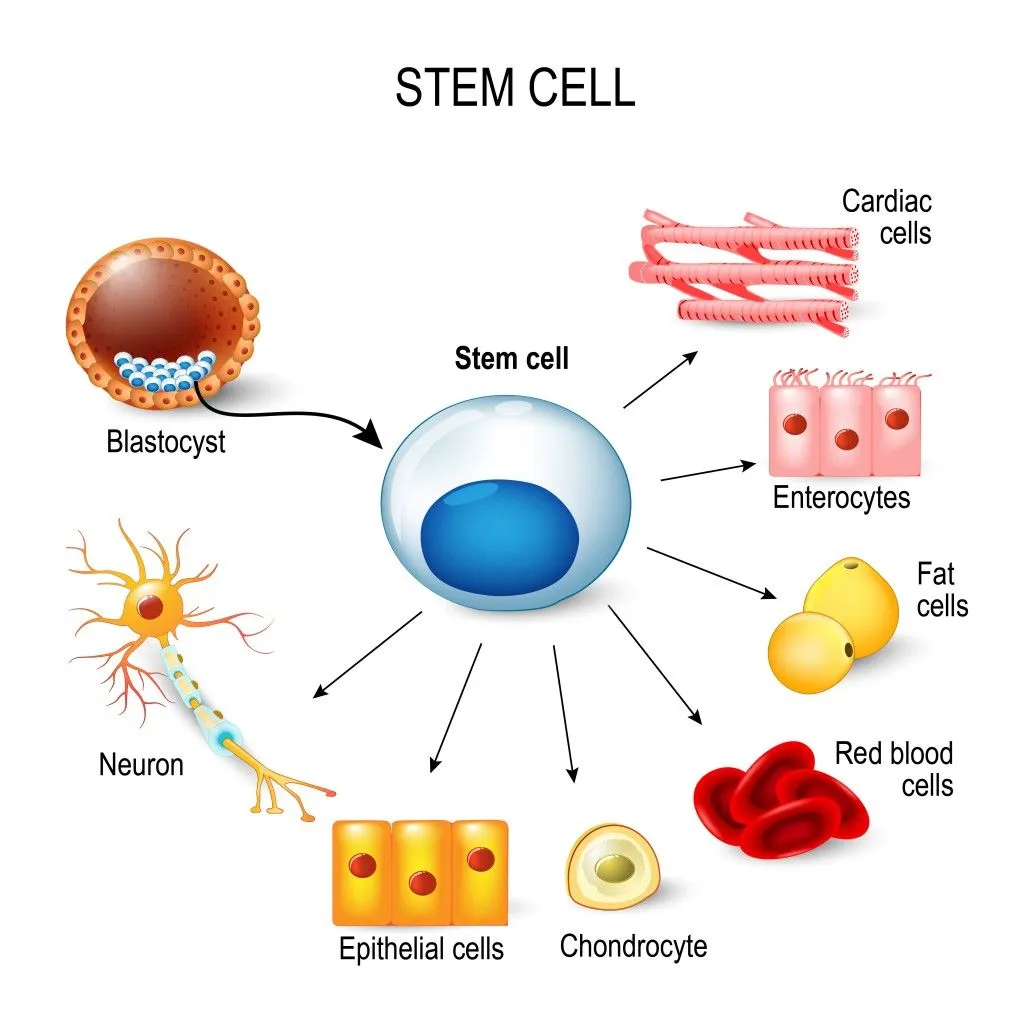
Pluripotent cells have the ability to divide and differentiate into any cell type. They carry two unique properties: self-renewal, and the ability to differentiate into cells with different functions.
Pluripotent cells come in two types: embryonic stem cells and induced pluripotent stem cells (iPSCs). Embryonic stem cells are obtained from the inner cell mass of the blastocyst and can differentiate into all three germ layers: the ectoderm, mesoderm and endoderm.
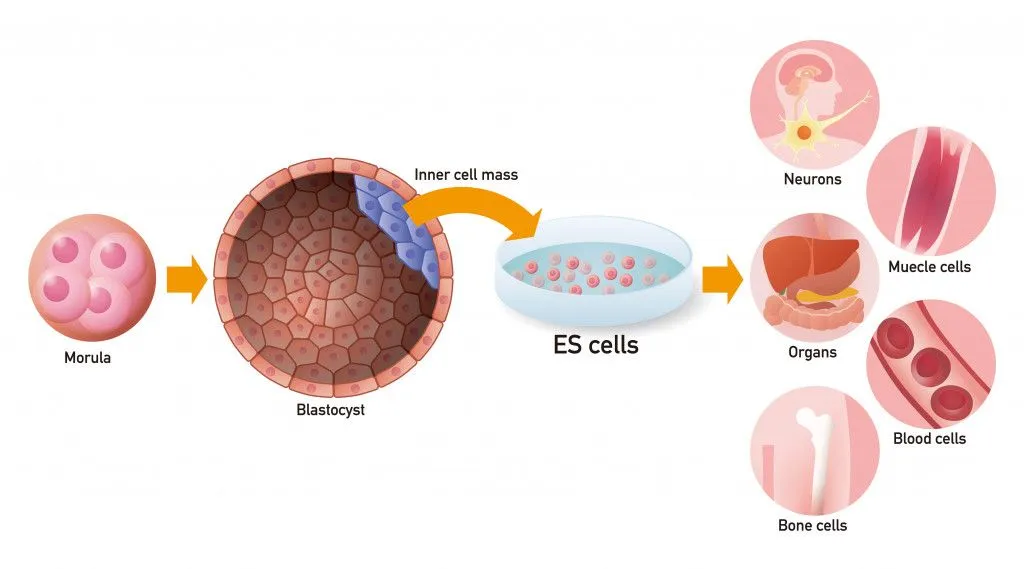
Induced pluripotent stem cells, on the other hand, are reprogrammed in the lab from ordinary somatic cells (such as skin cells) to become pluripotent again.
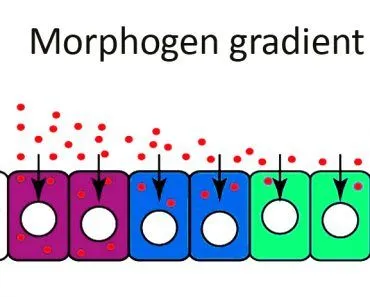
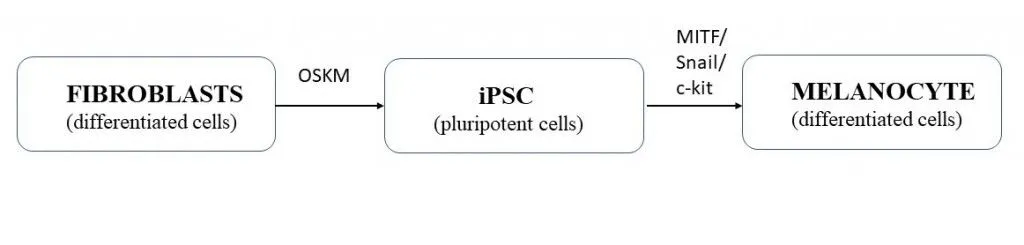
Under the influence of specific signals from proteins called transcription factors, these naïve pluripotent cells can differentiate into specialized cells with a committed function. For example, transcription factors such as MITF and SOX10, alongside signaling through the c-Kit receptor, can drive pluripotent cells down the melanocyte pathway (the pigment-producing cells in skin).
Are There Any Immortal Organisms?
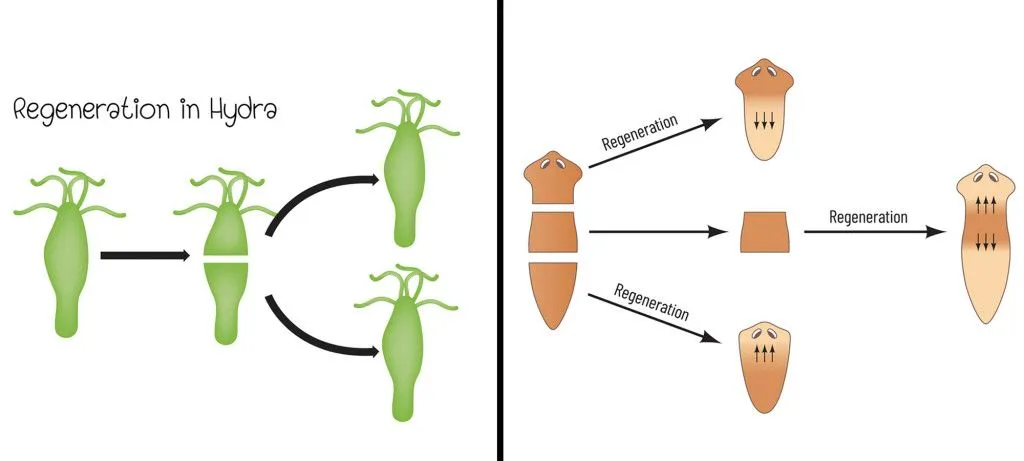
Organisms such as hydra, planarian flatworms, and the so-called “immortal jellyfish” (Turritopsis dohrnii) are the closest things to biologically immortal animals we have found. They keep a large population of pluripotent (or near-pluripotent) stem cells on tap that can replace damaged or aging cells almost indefinitely. A four-year study of hydra found no increase in mortality with age. Humans are not built this way, but the underlying lesson is encouraging: where there is constant cellular renewal, aging can be held back. So if we can mimic that renewal in our own cells, perhaps something similar is possible in humans too.
Yamanaka Factors And Induced Pluripotency
Pluripotent cells have important applications in stem cell therapy. Induced pluripotent stem cells (iPSCs), discovered by Shinya Yamanaka and his team in 2006, opened major doors for the field. Yamanaka shared the 2012 Nobel Prize in Physiology or Medicine for this work.
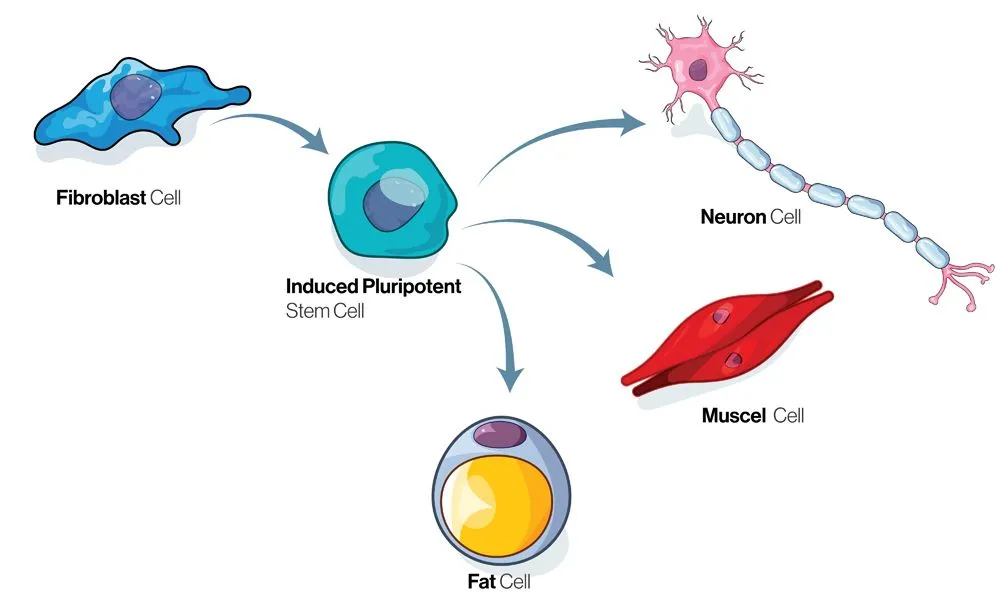
iPSCs are formed by reprogramming terminally differentiated cells (such as skin fibroblasts) so they regain pluripotency. The trick is to switch on just four transcription factors: Oct4, Sox2, Klf4, and c-Myc, collectively known as the OSKM or "Yamanaka" factors. These reprogrammed cells regain the ability to self-renew and can differentiate into any cell type. The cells that were mature and committed are essentially rewound into a pluripotent state.
For the first time in history, human-made pluripotent cells were available for therapy.
Apart from embryonic stem cells, iPSCs are the only other pluripotent cells we know of.
Revisiting The Linear Equation Of Embryonic Cells To Differentiated Cells
The central dogma of cell fate used to be that embryonic cells become differentiated cells upon the expression of certain genes. Shinya Yamanaka challenged this dogma and changed stem cell research entirely when he reprogrammed differentiated cells back into iPSCs.
The transformation of pluripotent cells into differentiated cells was a one-way street before Yamanaka worked his magic with his transcription factors. He pushed differentiated cells (fibroblasts) back into iPSCs, which erased their committed cell fate. Those reset cells can then be coaxed into specific cell types (muscle, nerve, or bone cells) under the influence of the right factors.
Reverse Aging: A Step Forward
With iPSCs, it became evident that the right cues can reset the cellular program. This begs the question of whether aging cells in the human body can become young and fit with the help of these transcription factors.
Scientists from the Salk Institute, together with collaborators at Genentech, have successfully reset aged cells in mice to a more youthful state. So can intermittently switching on the Yamanaka factors (Oct4, Sox2, Klf4 and c-Myc) reverse the hallmarks of old age? Researchers now believe that aging is not unidirectional, and that with the right signals, parts of it can be reversed.
The bet is that cellular reprogramming in an old living animal can make it youthful. The bottleneck is that cellular rejuvenation is straightforward in lab-grown cells, but can behave very differently in an entire organism. iPSCs also multiply continuously, so it would not be safe to introduce them directly into aging animals. Instead, the Yamanaka factors are switched on briefly and cyclically (so-called "partial reprogramming") to dial cells back without erasing their identity.
In a landmark 2016 study, Ocampo and colleagues turned to a mouse model of progeria, a premature aging disorder. The full OSKM cocktail (Oct4, Sox2, Klf4 and c-Myc) was switched on in short cyclic pulses (typically two days on, five days off) in live progeria mice. The treated mice looked and behaved younger than untreated controls, with improved cardiovascular and skin function, and lived about 30% longer. The Salk team then showed similar partial reprogramming in normally aged mice without causing cancer, which is the main worry with this approach. More recent work has gone a step further: gene therapy using only three factors (OSK, leaving out the cancer-linked c-Myc) delivered by an AAV virus to elderly mice more than doubled their median remaining lifespan in one 2024 study, and in January 2026 the U.S. Food and Drug Administration cleared Life Biosciences to begin the first human trial of partial reprogramming, targeting patients with optic nerve damage from glaucoma and NAION.
A Final Word
Yamanaka factors may allow us to nudge the clock backward, rejuvenating ailing organs in the elderly so they work with closer to the potency of youth. Aging cells must be coaxed back, not blasted back, through the controlled and safe expression of these factors. What works in mice does not automatically work in humans, but we now have real evidence that the cellular hallmarks of aging can be reversed, and the first human trials are finally moving from theory to the clinic.
References (click to expand)
- Cellular rejuvenation therapy safely reverses signs of aging in .... The Salk Institute for Biological Studies
- Browder, K. C., Reddy, P., Yamamoto, M., Haghani, A., Guillen, I. G., Sahu, S., … Izpisua Belmonte, J. C. (2022, March 7). In vivo partial reprogramming alters age-associated molecular changes during physiological aging in mice. Nature Aging. Springer Science and Business Media LLC.
- Takahashi, K., & Yamanaka, S. (2006). Induction of Pluripotent Stem Cells from Mouse Embryonic and Adult Fibroblast Cultures by Defined Factors. Cell. Elsevier BV.
- Ocampo, A., Reddy, P., Martinez-Redondo, P., et al. (2016). In Vivo Amelioration of Age-Associated Hallmarks by Partial Reprogramming. Cell.
- Macip, C. C., et al. (2024). Gene Therapy-Mediated Partial Reprogramming Extends Lifespan and Reverses Age-Related Changes in Aged Mice. Cellular Reprogramming.
- This Method to Reverse Cellular Aging Is About to Be Tested in Humans. Scientific American.