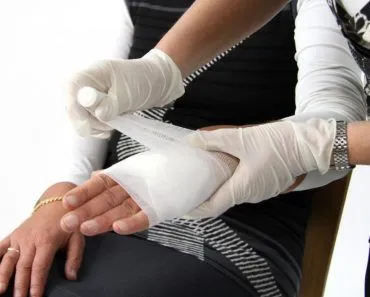
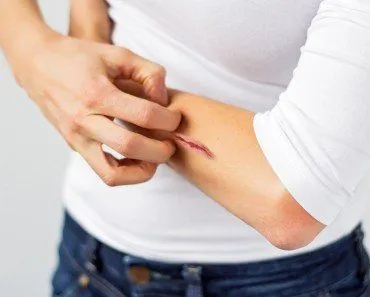
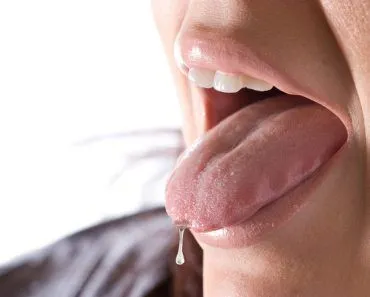
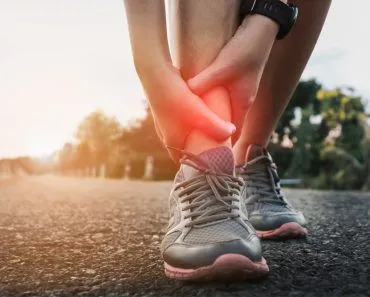
No, licking wounds is not a healthy practice. Although human saliva does contain a few compounds that aid in healing, the mouth is also home to a host of bacteria that are perfectly safe in the oral cavity, but can wreak havoc if introduced into a deep wound through saliva. The principal risk of licking wounds is infection, especially in patients with a decreased immunity to fight infectious diseases (i.e. immunocompromised patients).
The moment we sustain a minor cut or bruise (usually from the sharp edge of common objects like pens, needles etc.), many people begin licking the wound almost instinctively. Many people don’t even realize why they do it; they simply do as they’ve seen their parents or friends behave, or maybe even their pets, considering that many animals we come across in everyday life (e.g., dogs, cats, rats) also lick their wounds.
As commonplace as the instinctive habit of licking wounds might be, does it really do any good?
The Healing Properties Of Saliva
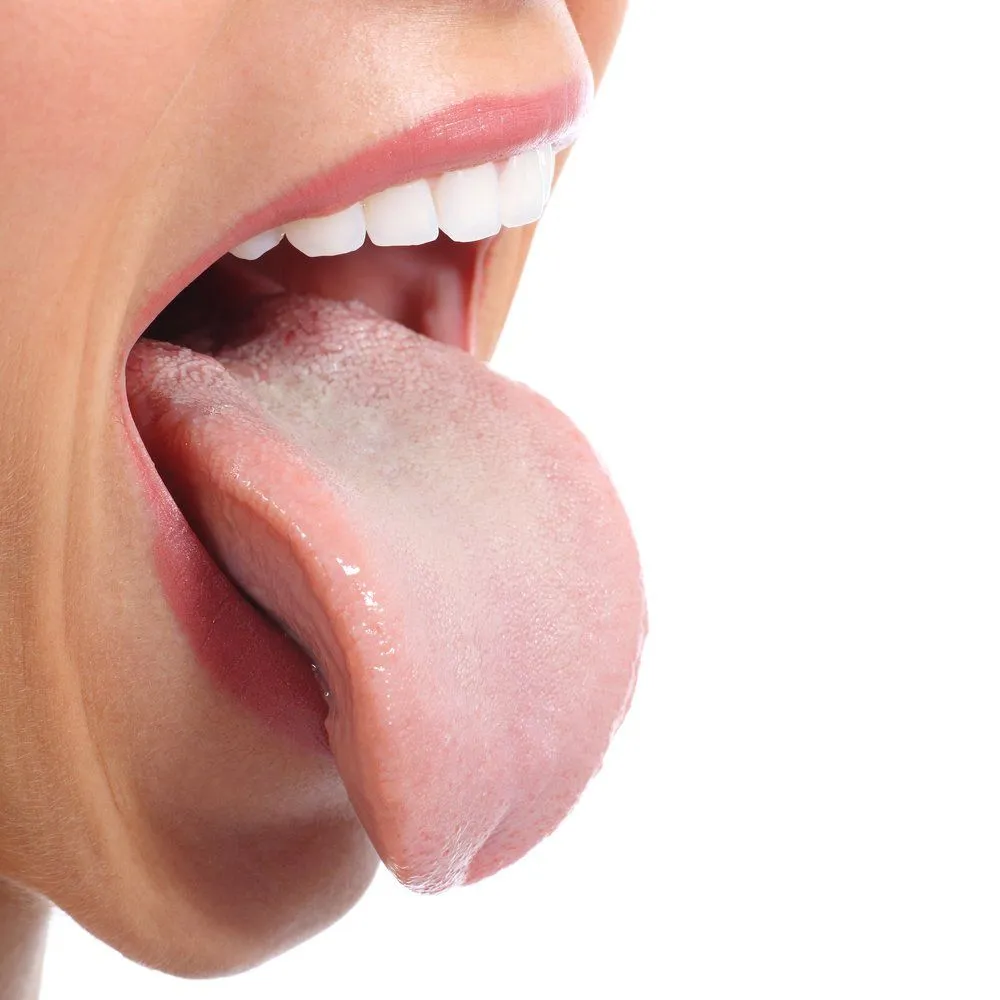
By licking wounds, we essentially introduce saliva into the wound, and the chemicals present in saliva might potentially help to promote healing.
The idea that human saliva has wound-healing properties stems from the fact that oral mucosa, the mucus membrane lining the inside of the mouth, heals much faster than the skin. Saliva contains a cell-derived tissue factor – a protein necessary for the initiation of thrombin (which plays a vital role in the process of blood clotting). It also contains certain enzymes, such as lysozyme, cystatins, peroxidase and defensins, that are antibacterial in nature.
In a study published in 2008, scientists identified a small family of proteins in saliva called histatins as the main compounds that close wounds, prompting skin and mouth-lining cells to migrate across the gap and seal it. This is one possible explanation for why oral mucosa and wounds of the mouth (from teeth injuries) heal faster than wounds to bone and skin.
Furthermore, licking smaller wounds and injuries also debrides the wound (removes damaged, dead or infected tissue from the affected area) and effectively decontaminates the specific region.
Potential Risks Of Licking Wounds
Licking wounds may have some benefits that promote healing, but the practice also comes with a few risks. Although human saliva does contain a few compounds that aid in healing, the mouth is also home to a host of bacteria that are perfectly safe in the oral cavity, but can wreak havoc if introduced into a deep wound through saliva.

The principal risk of licking wounds is infection, especially in patients with a decreased immunity to fight infectious diseases (i.e. immunocompromised patients). There are a number of notable cases – including the one of a diabetic man whose thumb had to be amputated after he licked the wound following a bicycle accident, his own saliva having seeded the cut with the mouth bacterium Eikenella corrodens – where the condition of patients actually worsened after they licked their wounds. This is why doctors usually advise against licking an open wound, especially a severe one.
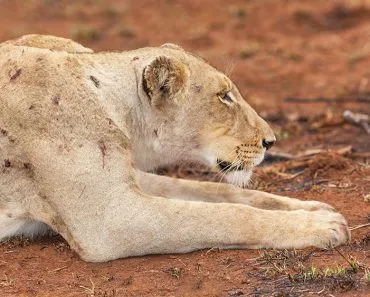
Animal saliva, on the other hand, seems to be much more effective in healing their own wounds. Maybe it’s an evolutionary advantage, since they had to survive in the wild, where they frequently injured themselves and had no access to pills or medicine. Humans were not there to take care of them and veterinarians didn’t treat them when they got wounded; all they had was their own saliva to patch things up. This is why a lot of animals, including cats, dogs, tigers, lions and even rodents, rely on their own saliva to treat injuries.
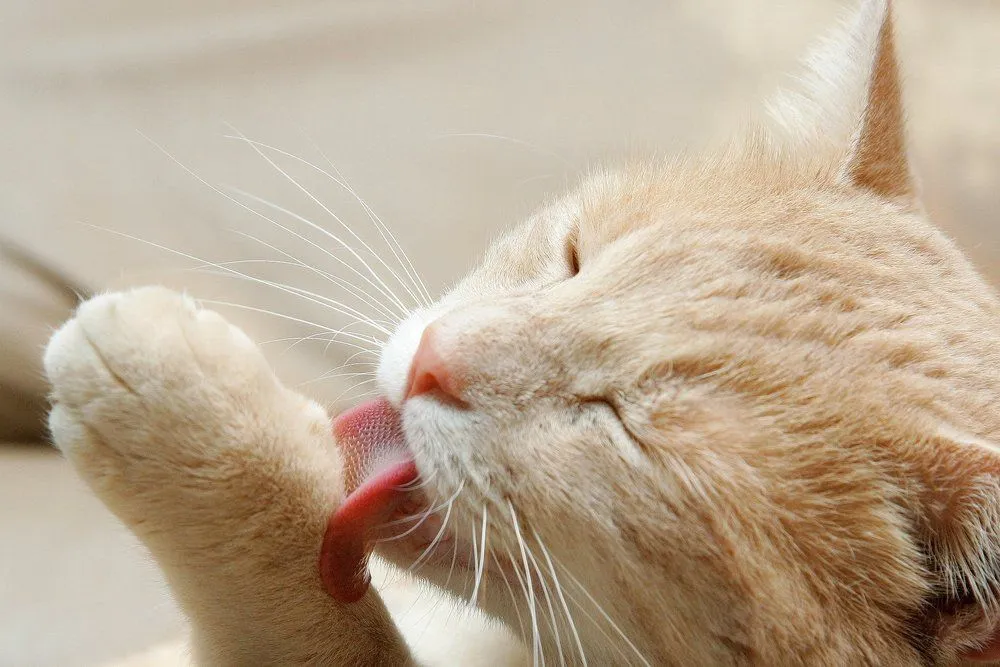
So, is it safe to lick minor cuts and bruises? Probably, although there is little to gain from it. With a severe wound, it’s far better to use your mouth to call for help, and keep your tongue where it belongs!
Why Do We Instinctively Lick Our Wounds?
Stub a toe or nick a finger and watch what your hand does without being told: it flies straight to your mouth. That reflex isn’t really about saliva’s chemistry at all, but mostly about pain relief. According to the gate control theory of pain, proposed by Ronald Melzack and Patrick Wall in 1965, the spinal cord contains a kind of neurological gate that decides which signals reach the brain. Pain travels along thin, comparatively slow nerve fibers, while touch and pressure travel along thicker, faster ones. When you suck a cut finger or rub a banged knee, the touch signals reach the gate first and effectively crowd out some of the pain. As the Cleveland Clinic puts it, gate control is simply why rubbing a sore spot, or kissing a child’s scraped knee, takes some of the sting away.
There’s an evolutionary layer underneath the reflex too. Pain doesn’t just hurt; it nudges an injured animal toward protecting and tending the damaged part so it can heal. In an evolutionary framework, biologists describe pain as triggering wound-protection and wound-care behaviors, and bringing an injury to the mouth is one of the oldest forms of that care. Saliva can rinse grit out of a fresh graze and lays down a thin antibacterial film, so for our ancestors, who had no antiseptic and no bandages, a quick lick was the only first aid on offer. The instinct stuck around in us long after the pharmacy replaced the tongue. So the urge is real and ancient, but in a modern home with clean water and a plaster within reach, acting on it is the part worth skipping.
What Does “Licking Your Wounds” Mean As An Idiom?
Outside the first-aid kit, “to lick your wounds” has a second, purely figurative life. As the Longman Dictionary of Contemporary English defines it, the idiom means to quietly think about a defeat or disappointment you’ve just suffered, the way a beaten boxer retreats to a quiet corner or an election loser lies low for a while. It’s the verbal cousin of “retreat and regroup”: you withdraw, gather yourself, and come back when you’re ready, rather than charging straight back into the fray.
The image behind the phrase is an injured animal slinking off to a safe spot to heal, and the expression is genuinely old. Language writers Patricia O’Conner and Stewart Kellerman trace it to the 17th century, noting that John Dryden used the picture in his 1677 play All for Love: rivals who, “’Scaped from the lion’s paws, they bay far off, and lick their wounds.” The metaphor likely grew out of the ancient belief that saliva itself could heal, an idea recorded by Pliny the Elder in his Natural History nearly two thousand years ago. So whether you mean a literal nipped finger or a bruised ego after a rough day, you’re reaching for the same very old idea: that licking a wound is the first step toward getting better.
References (click to expand)
- How to Keep Your Dog From Licking Their Wounds - PetMD. petmd.com
- Wound licking. Wikipedia
- Licking Your Wounds: Scientists Isolate Compound In Human .... Science Daily
- Histatins are the major wound-closure stimulating factors in human saliva. The FASEB Journal. PubMed.
- The Bigger Picture: Why Oral Mucosa Heals Better Than Skin. PMC. NCBI.
- lick your wounds. Longman Dictionary of Contemporary English.
- Licking one’s wounds. The Grammarphobia Blog.
- What Is the Gate Control Theory of Pain? Cleveland Clinic.
- Pain: Behavioural expression and response in an evolutionary framework. EMPH. PMC.