A wound itching is normal and part of the healing process. It is not a sign of infection. The wound itches because itch-sensing neurons are activated by inflammatory chemicals such as cytokines and interleukins that immune cells such as macrophages and dendritic cells release. There is no evidence that the itch is due to mechanical stress from the wound stretching.
The ability of the human body to heal and repair most wounds is truly remarkable; from small cuts and scrapes to larger injuries and ailments, our bodies seem to be on a constant mission to keep us 100% intact and healthy.
However, a peculiar thing happens when our wounds are healing—the unavoidable “itchiness” of the wound. In particular, this happens after scabs have begun to form and the healing process is moving in the right direction. For many people, scratching that itch is far too satisfying to avoid, which can often disrupt the healing process, making it take even longer!
If the human body is clever enough to heal itself, why does it make those healing wounds so itchy?
The Healing Process
Wounds itching might as well be one of Nature’s practical jokes because it is a normal part of wound healing.
To heal a wound, several chemical and physical processes kick into gear. The first job is to stop bleeding from ruptured blood vessels. Platelets, cells in the blood, stick together and clog the ruptured vessel. Certain proteins, such as fibrin, create a mesh where the platelets have clogged the blood vessel, which forms a clot. This prevents further blood loss and blocks infection-causing pathogens from entering the body.
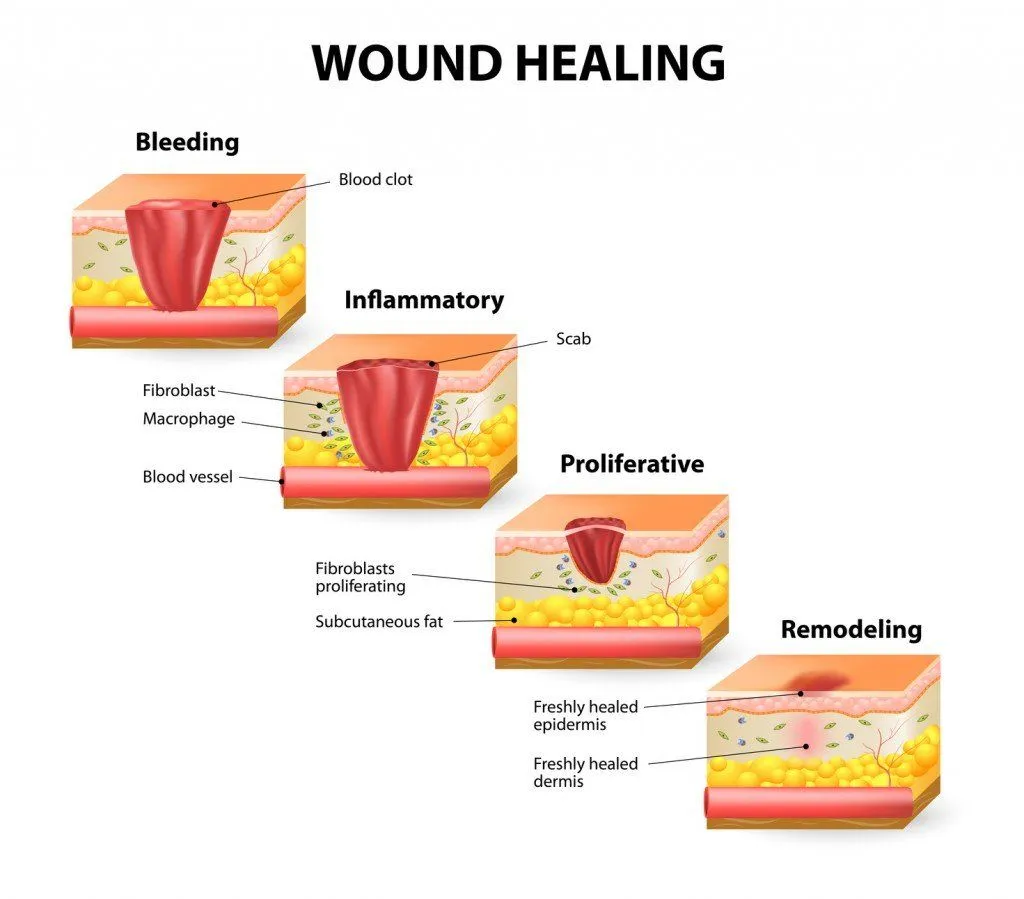
Soon after, the wound becomes inflamed and red. The cells at the site of the wound release chemicals that recruit white blood cells, such as neutrophils, macrophages, and lymphocytes, to annihilate pathogens that may have made their way into the body.
After this initial response, the healing process begins. Skin cells divide to replace damaged cells. Cells called fibroblasts create the protein collagen, which is what makes our skin both elastic and strong.
Lastly, the collagen in the dermis is remodeled, making the scar tissue tougher.
Meanwhile, the clot turns into a scab, and you’ll notice the skin around the scab beginning to stretch. This is when the itching starts.
So Why Does The Wound Or Scab Itch?
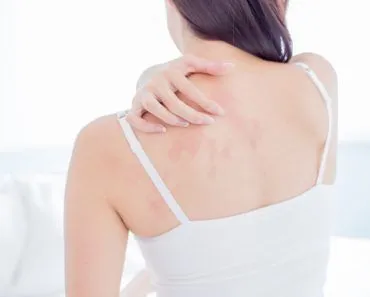
Every square inch of our skin is connected to nerves, such as the sense of touch, pain, and pressure. Itch-specific nerve fibers in the skin tell our central nervous system that something irritates the skin at a certain spot. You (or your brain) act on this by scratching the itch.
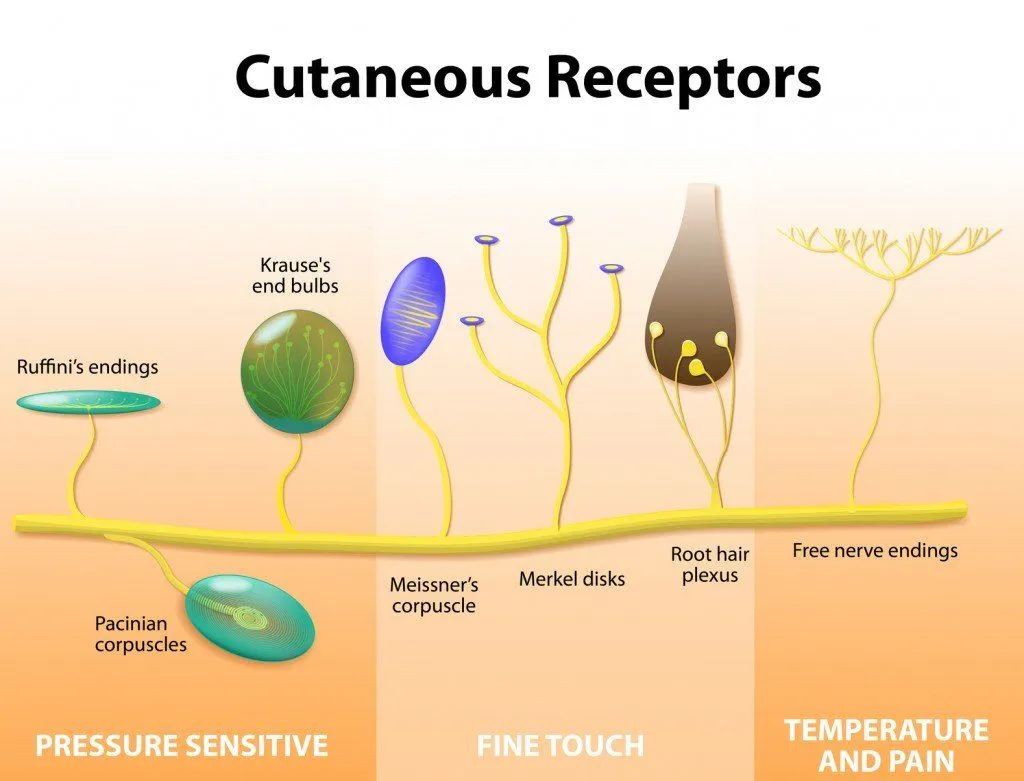
The itching you feel when your wound is healing is a false alarm. Your itch-specific nerves are stimulated as your tissue repairs itself.
The evidence so far suggests that itching is due to chemical messengers that immune cells release at the site of injury release. Immune cells produce a whole host of chemicals, such as histamines, interleukins, and cytokines linked to itching. Dendritic cells and macrophages release inflammatory molecules collectively called interleukins that induce the itching. A key player is interleukin-31 (IL-31), which is produced by dermal dendritic cells in response to TGF-β, a growth factor abundant in healing wounds. IL-31 directly activates itch-sensing neurons by increasing the sensitivity of TRPV1 ion channels. In studies, mice lacking IL-31 showed no wound-induced itch, confirming its essential role.
These molecules are in their highest concentrations around the wound during the cell regeneration phase of healing, with IL-31 levels peaking around day 5 — exactly when wound itch tends to be most intense.
Another cause of the itching could be sweat glands blocked by the growth of bacteria. Dry skin around the wound can exacerbate the itch.
Your healing wound does not itch because the skin around your wound is contracting. This is a popular claim on the internet, but it is not supported by scientific evidence. Research consistently points to inflammatory chemicals — particularly IL-31 from dendritic cells — as the primary cause of wound itch, not mechanical stretching.
Is Itching A Sign Of Healing Or Infection?
If you have ever stared at a healing cut and wondered whether the itch means your skin is knitting itself back together or quietly going septic, you are not alone. The good news is that an itchy wound, on its own, is almost always a sign of healing rather than infection.
The itch is generated by the same inflammatory chemicals that drive repair. So when your skin starts to nag at you a few days into the healing process, your immune cells are simply doing their job a little too loudly. An infection, on the other hand, leaves a very different fingerprint.
According to wound-assessment guidelines on the NCBI Bookshelf, the classic signs of an infected wound include:
- Pus or yellow/green discharge seeping from the wound
- Redness that spreads outward beyond the wound margin
- Swelling and warmth around the wound that get worse instead of better
- Pain that increases after the first day or two, rather than fading
- A foul or unusual smell
- Fever, chills, or a general sense of feeling unwell
A wound that itches but otherwise looks pink, dry, and a little smaller each day is following the script. A wound that itches and also ticks any of the boxes above is asking for a doctor. The two are not mutually exclusive, but the itch alone is not the warning sign clinicians worry about; it is the company the itch keeps.
If in doubt, keep your hands off the wound, cover it, and book an appointment. Your wound has waited this long to heal. A few more hours of expert eyes will not hurt it.
Why Does The Itch Get Worse At Night?
It is almost a rule of healing wounds: as soon as the lights go out and your head hits the pillow, the itch turns up the volume. This is not your imagination, and your wound is not waiting for the worst possible moment out of spite. There are real physiological reasons behind it, a phenomenon dermatologists call nocturnal pruritus.
For starters, cortisol, your body’s main anti-inflammatory hormone, drops to its lowest level in the late evening and night. With less cortisol around to put a lid on inflammation, the itch-driving chemicals near your wound act with fewer brakes. At roughly the same time, blood is shunted to the surface of the skin to help you lose heat for sleep. Warmer skin is more sensitive skin, and the itch-sensing neurons we met earlier fire more readily.
Your skin also loses water more readily at night, a phenomenon called transepidermal water loss. The drier the skin around your wound, the easier it is for itch-triggering molecules to push the right buttons on nerve endings.
And then there is the simple matter of attention. During the day, your brain is busy juggling emails, conversations, traffic, and lunch decisions, all of which compete with itch signals for cortical real estate. At night, with the lights off and nothing to think about, the itch finally gets the stage to itself.
The fix is the same as during the day: do not scratch. Cover the wound, keep the skin around it moisturized, and if the itching is genuinely wrecking your sleep, your doctor or pharmacist can recommend an oral antihistamine.
Why Do Scars Still Itch Long After A Wound Has Healed?
Sometimes a wound finishes healing, the scab falls off, and the skin closes over neatly. Months pass, and the now-mature scar still gets itchy at random intervals. If this has happened to you, your body is not malfunctioning. Long-term scar itch, known clinically as scar pruritus, is a recognized phenomenon, and it has little to do with the wound-healing inflammation that caused the original itch.
During the months after a wound closes, the body continues to remodel the tissue. New nerve fibers grow back into the scar, but they do not always return the way they were. Some come back too sensitive, some sprout in odd directions, and many end up firing at the lightest touch or temperature change.
Scars that are raised and overgrown, the kind dermatologists call hypertrophic scars and keloids, are particularly itchy. Research on keloid scars has found higher densities of itch-related nerve fibers within them, along with elevated levels of substance P and other neuropeptides that talk directly to itch pathways. Mast cells, the immune cells responsible for the itchiness of a mosquito bite, are also more abundant in these scars and continue to drip itch-causing histamine into the surrounding tissue long after the wound itself has closed.
There is no instant cure for chronic scar itch, but keeping the scar moisturized helps, as do silicone sheets, antihistamines, and, for stubborn keloids, dermatology treatments such as steroid injections or laser therapy. Old as the scar may be, it is still living tissue with opinions.
Do Not Scratch Your Wound.
In the cases when an itch is from an insect crawling on you, an insect bite, or an allergic reaction, acting on the itch could save your life or from an annoying bite. However, acting on the itch at the wound is a bad idea.
Scratching a wound will interfere with the healing process. It can scrape off newly formed tissue, disturb cells in deeper layers of the skin, and cause additional damage to the surrounding healthy skin. All of this can increase the risk of infection, which leads to the wound taking a longer time to heal, as well as eventual scarring.
Scratching the wound will only make the itch worse. Every time you scratch a wound you inflict a tiny amount of pain as well. As it turns out, pain and itch signals have intertwined pathways. The pain from scratching will, further down the line, activate itch pathways in the spinal cord and brain. And so the vicious itch-scratch-itch cycle continues.
If we could just muster a bit of willpower and stop ourselves from picking off our scabs, life would be grand!
Last Updated By: Salama Yusuf
References (click to expand)
- Itching for Knowledge About Wound and Scar Pruritus.
- Bandell, M., & Patapoutian, A. (2009, December). Itching for Insight. Cell. Elsevier BV.
- Powers, J. G., Higham, C., Broussard, K., & Phillips, T. J. (2016, April). Wound healing and treating wounds. Journal of the American Academy of Dermatology. Elsevier BV.
- Dong, X., & Dong, X. (2018, May). Peripheral and Central Mechanisms of Itch. Neuron. Elsevier BV.
- Xu, J., Zanvit, P., Hu, L., Tseng, P.-Y., Liu, N., Wang, F., … Chen, W. (2020, August). The Cytokine TGF-β Induces Interleukin-31 Expression from Dermal Dendritic Cells to Activate Sensory Neurons and Stimulate Wound Itching. Immunity. Elsevier BV.
- Wound Assessment. StatPearls. NCBI Bookshelf.
- Lavery, M. J., Stull, C., Kinney, M. O., & Yosipovitch, G. (2016). Nocturnal Pruritus: The Battle for a Peaceful Night’s Sleep. International Journal of Molecular Sciences.
- Hawash, A. A., Ingrasci, G., Nouri, K., & Yosipovitch, G. (2021). Pruritus in Keloid Scars: Mechanisms and Treatments. Acta Dermato-Venereologica.