Table of Contents (click to expand)
The main cause of bags under the eyes is aging: the tissues and muscles supporting the eyelids weaken, the skin sags, and fat shifts into the area below the eyes, where fluid can also collect. Lack of sleep, a salty diet, smoking, allergies, and heredity make the puffiness worse.
For those people who take particular care of their looks, especially their face, bags under the eyes are a real nightmare. No matter how beautiful your eyes may be, if they are underlined by dark bags, your stunning gaze may be impacted negatively, which would be a tragedy!
Bags under your eyes make one look a bit depressed, like someone who doesn’t get enough rest or sleep, or someone who is endlessly perturbed. We all know that we don’t want bags under our eyes, but have you ever thought about the reason behind this puffiness?
What Are Eye Bags?
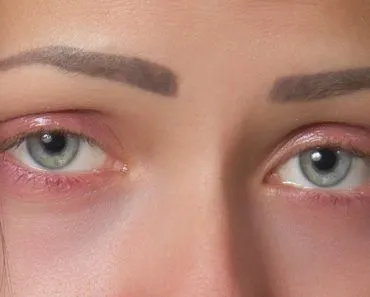
‘Eye-bags’ is obviously not the scientific term for this condition; it actually has a much more interesting name: periorbital puffiness. Basically, this refers to mild swelling or puffiness in the tissues around the eyes. This region is called the orbit, the socket in which an eye sits. For this reason, the swelling in the tissues of that area is what we call eye bags (or “puffy eyes” or swelling around the eyes). The skin here is some of the thinnest on the body, so even a small amount of sagging, fat, or fluid shows up clearly.
Causes Of Eye Bags
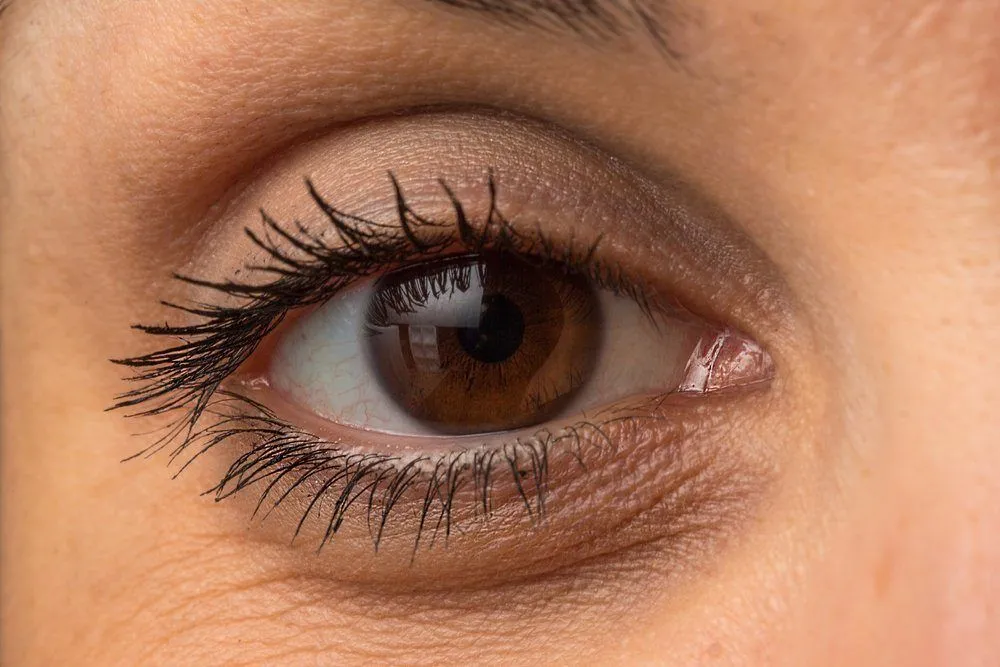
Although there are a number of factors that contribute to eye bags, let’s have a look at the most common one first. The real culprit behind permanent eye bags is age. As a person gets older, the tissues and muscles that support the eyelids gradually weaken, and the thin skin around the eyes loses some of its firmness. With that support gone, the fat that normally cushions the eyeball in its socket can slip forward into the lower eyelids, and fluid can pool in the same spot. The result is the puffy, slightly drooping look we call an eye bag. Heredity plays a big role too, which is why some people develop bags much earlier than others. Sadly we can’t do anything about aging. At least, not yet!
The cause most people blame, though, is lack of sleep. There’s some truth to it: skimp on rest and the next morning your eyes often look more swollen. Remember one of those nights when you said NO to sleep because you had failed to prepare for an exam the next day and walked to school with swollen eyes? In a study published in the journal Sleep, observers reliably rated sleep-deprived faces as having more swollen eyes and darker circles, so the puffiness is real, not just in your head. The good news is that this kind of sleep-related puffiness is usually temporary and fades once you catch up on rest.
Fluid retention in the area around the eyes during pregnancy or menstruation can also cause a puffing of the skin around the eyes.
You can’t forget your diet, which is one of the most common causes of many issues in the human body. Excessive consumption of salt (or salty foods/drinks) also encourages the retention of fluids in the area around the eyes. Large amounts of sodium in processed foods can definitely be blamed for eye bags.
Stress is another cause of eye bags. Excessive use of tobacco and alcohol is bad for you in many ways, but especially if you are looking to get rid of your eye bags. These contain toxic materials that contribute significantly to stress and depression, fatigue, and the retention of fluids.

Allergic reactions can puff up the area too. Allergies trigger inflammation and make the tiny blood vessels under the eyes leakier, so fluid seeps into the surrounding tissue and the lids swell. Rubbing itchy eyes only makes it worse. With so many different causes of eye bags, is there any solution?
How To Get Rid Of Them?
Eye bags rarely cause pain, and the temporary, fluid-driven kind responds well to simple changes in lifestyle and diet, while the permanent, age-related kind can only really be removed with medical help. Start with the easy wins. Cut down on salty foods and alcohol so your body holds less water, and quit smoking, which both ages the skin and inflames the tissues. Get enough sleep, and while sleeping, make sure your head is slightly elevated so fluid doesn’t settle under your eyes overnight. A cold compress near the eyes works well as a short-term fix, since the cold constricts the blood vessels and reduces the swelling. If you have allergies, treating them can take the puffiness down a notch as well.
When eye bags are caused by aging and herniated fat rather than fluid, no amount of cucumber slices will make them vanish. For those, dermatologists offer options such as dermal fillers to smooth the area, laser resurfacing or chemical peels to firm the skin, and, in more pronounced cases, a surgical procedure called blepharoplasty, in which the surgeon removes or repositions the excess fat and skin.
Bags under the eyes are almost always a cosmetic issue, not a health threat. Still, if the swelling comes on suddenly, is severe, or is accompanied by redness, itching or pain, it’s worth seeing a doctor to rule out allergies, a thyroid problem, or an infection.