Table of Contents (click to expand)
Human arterial blood pH is tightly held at 7.35 to 7.45, slightly alkaline. The body defends this narrow window with three overlapping mechanisms: the bicarbonate/carbonic acid buffer system, the lungs (which adjust how much CO2 you exhale), and the kidneys (which excrete H+ or HCO3− as needed). Diet does not meaningfully change blood pH; the popular alkaline-diet and alkaline-water claims are not supported by evidence.
Our bodies are incredible machines, but just like any complex structure, it takes a lot of work to make it run smoothly. One of the most basic elements of our health and the wellness of our body is the pH level we maintain. For those who don’t know, pH is a measurement of the acidity and alkalinity within the body. A neutral pH is 7.0. If the number falls below that measurement, the body is said to be acidic, while a number above that is considered alkaline.
Whether your body is acidic or alkaline can have serious ramifications on your health, which leads to the obvious question… what is the ideal pH of the body?

Short Answer: The ideal pH for human arterial blood is between 7.35 and 7.45, just slightly on the alkaline side of neutral (7.0). Drift much outside that narrow window in either direction and you have a medical emergency on your hands.
Why Does pH Matter?
The last time you read about pH, it very well may have been in a high-school science class, but whether you like it or not, pH matters every single day. Here is the key thing to keep in mind, though: when doctors talk about “your body’s pH”, they almost always mean the pH of your blood, and your blood pH is one of the most tightly regulated variables in your entire body. It is held between 7.35 and 7.45 around the clock. If it drifts even a few tenths of a point in either direction, the result is not vague fatigue or inflammation, it is acidosis or alkalosis, both of which are clinical emergencies that put your enzymes, heart rhythm and consciousness at risk.
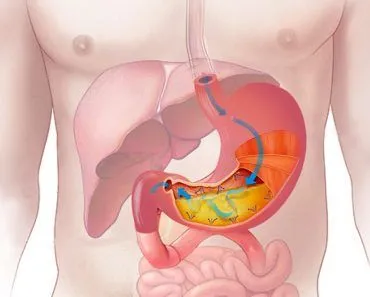
As a basic introduction, for those who slept through most of their science classes, pH ranges from 0 to 14, and a perfectly neutral pH is 7. As an example, the highly acidic conditions in the stomach, which are necessary for the body to digest food and absorb nutrients, is between 2 and 3 – extremely acidic. On the other hand, water that you may drink fresh from a mountain stream – after it has picked up countless extra minerals from rocks, is between 8 and 9 – moderately alkaline.

Different fluids in the body sit at different pH values, and some of them genuinely do swing with what you eat and drink. Saliva typically falls between 6.2 and 7.6, urine ranges anywhere from about 4.5 to 8.0 across a single day, and stomach acid is famously around 1.5–3.5. Your blood and tissues, however, hold steady at 7.35-7.45 essentially regardless of diet, because the body fights extremely hard to keep them there.
How Does The Body Regulate pH?
As it turns out, the body has three overlapping systems to defend its pH. The first and fastest is the bicarbonate/carbonic acid buffer system. When excess acid (H+) appears in the blood, bicarbonate ions (HCO3−) mop it up to form carbonic acid (H2CO3), which immediately decomposes into water (H2O) and carbon dioxide (CO2). The CO2 is breathed out by the lungs, and the kidneys later replenish bicarbonate. When the blood becomes too alkaline, the same chemistry runs in reverse: CO2 dissolves into carbonic acid that releases H+, nudging the pH back down.
The second control is respiration. When you breathe faster (hyperventilate), more CO2 leaves the blood, which shifts the bicarbonate equilibrium and pushes blood pH up. Breathe more slowly and CO2 accumulates, pushing pH down. The lungs can respond within minutes — fast, but only useful as a short-term lever.

Finally, and perhaps most importantly, are the kidneys, which can absorb acidic or basic materials depending on what the body needs. Given that we tend to have more acidic diets in the modern world, our urine is almost always slightly acidic, because the body is trying to excrete those acidic components and keep the pH level at a slightly alkaline level. The lungs, kidneys and chemical buffers in the body work in constant conjunction to maintain a healthy environment in our blood and tissues, which strengthens the immune system and prevents the formation of disease.
How To Maintain A Healthy pH
You have probably seen advice to “alkalize your body” by eating certain foods, taking pH-balancing supplements, or buying expensive alkaline water. Here is the inconvenient reality: drinking alkaline water does not change your blood pH. The moment that water hits your stomach (pH around 1.5–3.5) it gets neutralized, and even if some of it slipped past, the bicarbonate buffer, your lungs and your kidneys would correct any change within minutes. Multiple reviews in the medical and dietetics literature have concluded that the alkaline-diet hypothesis is not supported by evidence. It does not prevent or cure cancer, and the long-popular “acid-ash” idea, that an acidic diet leaches calcium out of your bones, has been contradicted by systematic reviews and meta-analyses of randomized trials.
The two situations where pH genuinely matters for you, day to day, are local and obvious. Gastric pH needs to stay low so you can break down proteins and kill swallowed pathogens. Urine pH can be deliberately nudged on medical advice to help dissolve certain kinds of kidney stones, or to make the kidneys clear specific drugs faster. Beyond those, your blood pH is something to leave entirely to your kidneys and your lungs.
If blood pH ever does drift outside 7.35–7.45 for real, that almost always reflects an underlying medical problem: uncontrolled diabetes (diabetic ketoacidosis), severe kidney or lung disease, sepsis, severe vomiting or diarrhea, certain poisonings. These conditions are managed in a hospital, not in a kitchen.
So what should you actually eat? Plenty of fruits and vegetables, plenty of fiber, plenty of water, for all the well-evidenced reasons (nutrients, fiber, low calorie density, cardiovascular benefit). Just skip the pH branding.
In short: the ideal blood pH is 7.35–7.45, your body keeps it there on its own, and the only time you need to think about it is the rare day a doctor tells you to.
References (click to expand)
- Hopkins, E., Sanvictores, T., Sharma, S. Physiology, Acid Base Balance. StatPearls Publishing. NCBI Bookshelf.
- Fenton, T. R., Tough, S. C., Lyon, A. W., Eliasziw, M., & Hanley, D. A. (2011). Causal assessment of dietary acid load and bone disease: a systematic review & meta-analysis applying Hill's epidemiologic criteria for causality. Nutrition Journal, 10(1), 41.
- Alkaline water: Better than plain water? Mayo Clinic.
- Pitts, R. F. (1950). Acid-base regulation by the kidneys. The American Journal of Medicine. Elsevier.