Table of Contents (click to expand)
Coffee is an “acquired taste,” a preference we learn rather than one we are born with. We instinctively reject bitter flavors as a child, but with repeated drinking the brain notices no harm and links coffee’s bitterness to caffeine’s rewarding lift. It updates coffee’s pleasure value, so we come to crave what we once disliked.
A huge percentage of people can’t imagine waking up and starting the day without their daily cup of coffee. This makes it hard to believe that some people actually hate the taste of coffee. Children, in general, hate the taste of coffee, and can’t fathom why adults buy themselves cups and cups of such a disgusting and bitter fluid!
No coffee lover starts out as one. The first cup of coffee elicits a uniform “ew” from every child. Yet some take up drinking coffee repeatedly and develop a liking for it.
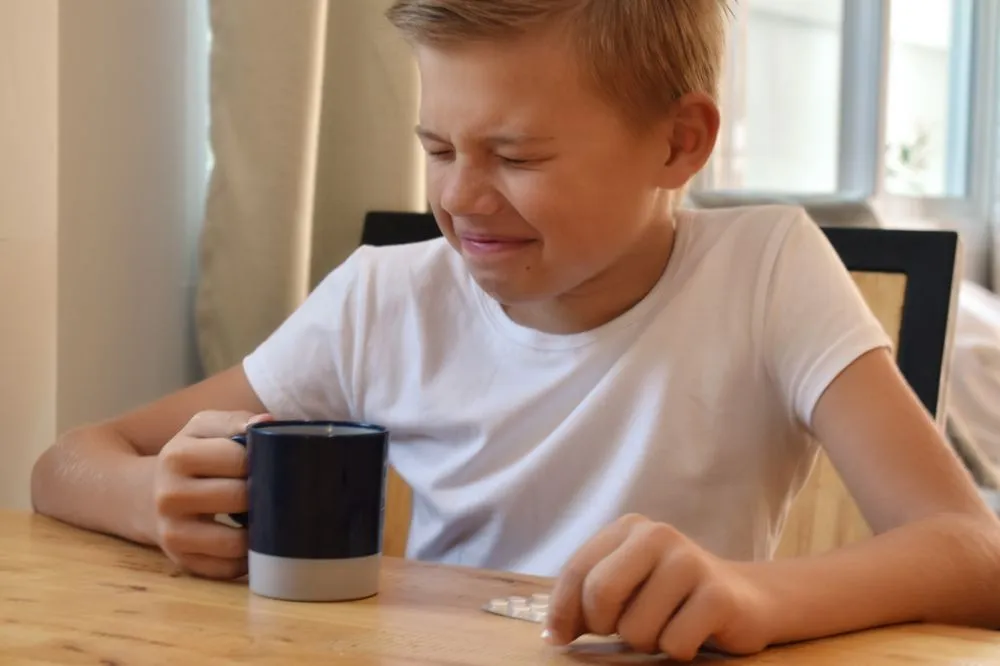
Coffee is a popular example of what we call an “acquired taste”. Acquired taste is a preference for a food or flavor that is initially aversive to us, but develops over time with regular exposure. How does an acquired taste develop? And why do we ingest food that is unpalatable to us?
What Is An Acquired Taste?
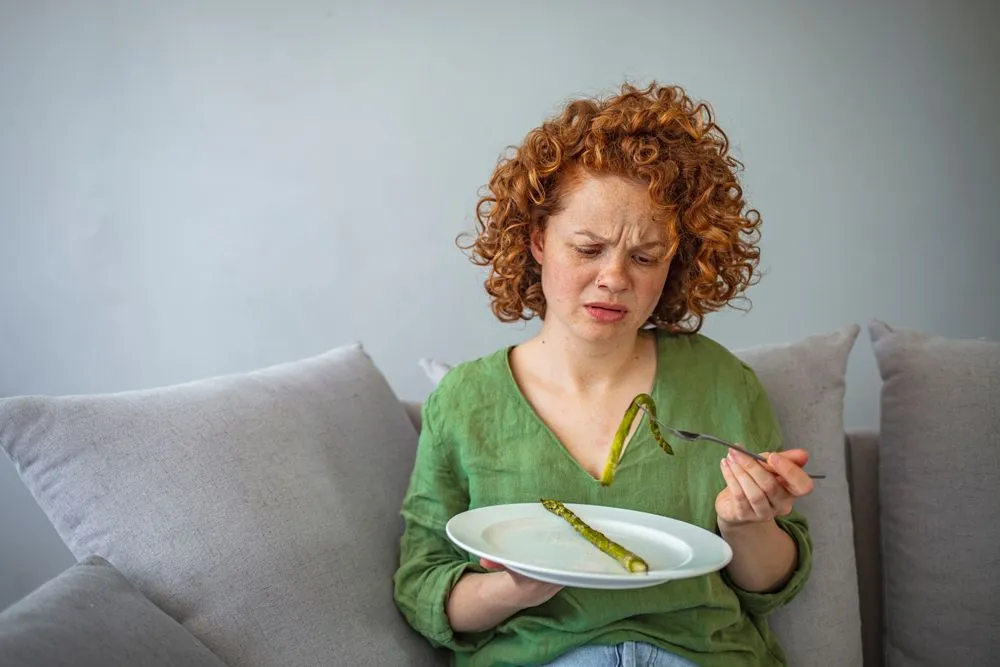
Acquired taste is a taste preference that is developed through learning, so scientists call it “conditioned taste preference”. This learning can only happen through repeated exposure. For example, people who have an acquired taste for coffee develop it through repeatedly drinking it, despite their initial aversion to its bitter taste. A wide range of foods become palatable only through learning, such as asparagus, alcohol, raw oysters, and even fermented foods like kimchi.
Conditioning Of Taste
In behavioral psychology, the term ‘conditioning’ is used to explain a type of learning through which an inherent or innate pattern of our behavior is modified. This was first shown by physiologist Ivan Pavlov in his experiment with a dog. He ‘conditioned’ the dog to salivate following the sound of a bell by repeatedly ringing the bell every time the dog was fed.
Here, salivation is a conditioned response (CR) to a conditioned stimulus (CS), which is the sound of the bell. Prior to learning, the bell doesn’t generate salivation. Thus, the inherent pattern of behavior has been modified through learning.
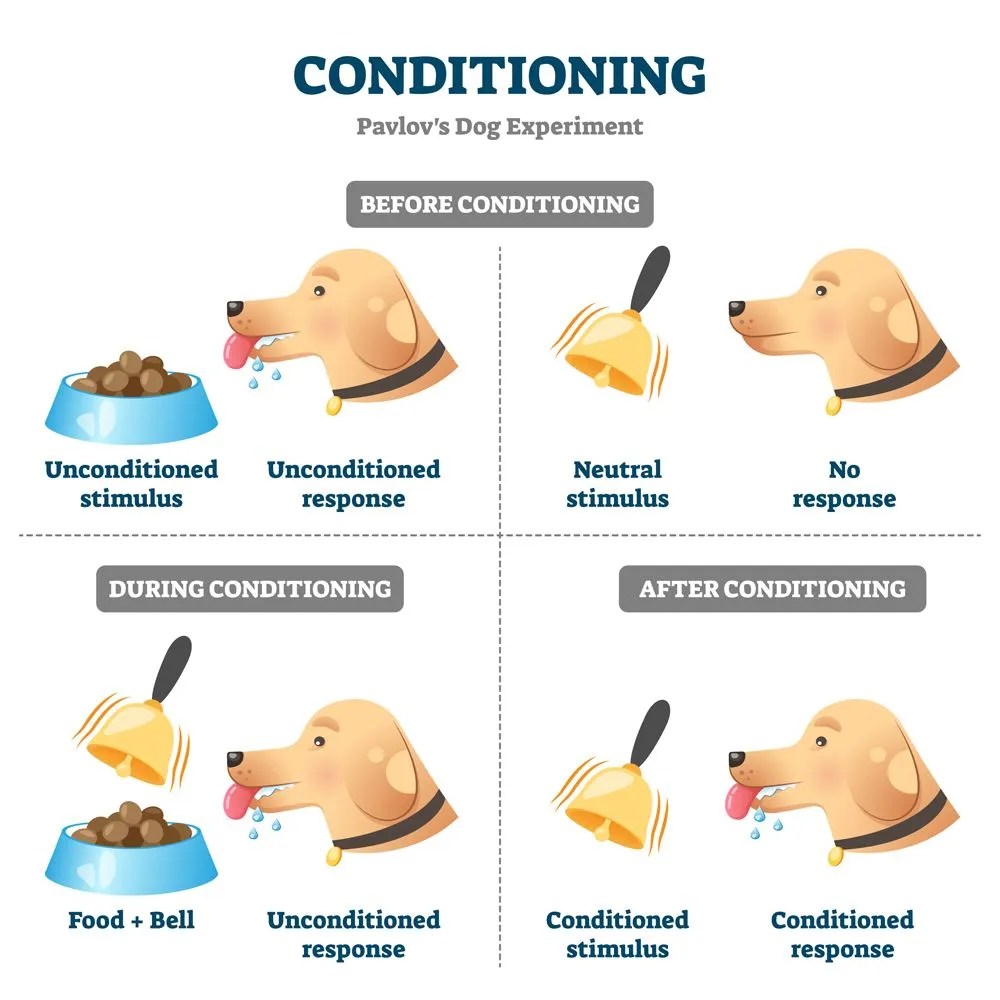
We have some inherent patterns of responses to taste stimuli too! We inherently hate food that is bitter in taste and prefer those that are sweet. Our brains are wired to respond in this way because food that is bitter more often than not has a chance of being toxic to us. On the other hand, food that is sweet most often contains energy. Therefore, even infants are shown to prefer sweet food and show an aversion to bitter food, demonstrating that we have these preferences set at birth. However, this behavior can be altered through conditioning, much like Pavlov’s dog!
Conditioned Taste Preference (CTP)
The avoidance or aversion to bitter food (unconditioned stimulus – US), such as coffee, is the unconditioned response (UR), or our inherent behavior.
When repeatedly presented with the bitter food or beverage, we start noticing that it doesn’t generate a bad sensation from the gut after consumption, and so it isn’t toxic. Also, we experience other benefits, such as the stimulating effects of having coffee. If we find this effect rewarding, the brain updates our response. Therefore, the next time we have coffee, we do not find it aversive or avoid it. With experience, we even seek coffee because its stimulating effects outweigh the initial bitter taste. This preference for coffee is called a conditioned response (CR) and coffee is now a conditioned stimulus (CS) to us. This phenomenon of altering an initially aversive taste to a preferred taste is called conditioned taste preference (CTP).
It is important to note that the taste experienced by our mouth of these acquired flavors remains the same – i.e., coffee always tastes bitter to our mouth. The brain only updates its ‘hedonistic value’ or the pleasure generated by its consumption with repeated exposure.
Why Do Some People Never Like Coffee?
If acquired taste is just a matter of repeated exposure, why do some people drink coffee for years and still dislike it? Part of the answer is in our genes. We don’t all taste bitterness the same way. Coffee’s bitterness is detected by a family of bitter taste receptors called TAS2Rs, and small differences in the genes that build these receptors change how intensely each of us perceives that bitterness.
The result is counterintuitive. You might expect people who taste caffeine as more bitter to drink less coffee, yet large studies of coffee drinkers find the opposite. People who are genetically more sensitive to the bitterness of caffeine tend to drink slightly more coffee, not less. The leading explanation is conditioning again: if you’ve learned to associate that bitter signal with the alertness and reward that caffeine delivers, the bitterness becomes a welcome cue rather than something to avoid. A variant of one bitter receptor gene, TAS2R43, has been linked to how much people like coffee.
So someone who never develops a taste for coffee isn’t simply being stubborn. They may experience its bitterness more strongly, get less of a rewarding lift from caffeine, or both, which leaves fewer reasons for the brain to update its verdict. Add factors like an unpleasant first experience, jitteriness, or poor sleep after caffeine, and the aversion can hold firm no matter how many cups they try.
Why Do Kids Hate Coffee More Than Adults?
If we all start out rejecting bitterness, why does that rejection seem so much fiercer in children? Because when it comes to taste, a child is not simply a smaller adult. Children are genuinely more sensitive to bitterness than grown-ups, even when they carry the very same taste-receptor genes. In studies using the well-known bitter compound PROP, children with a given TAS2R38 genotype perceive the bitterness more strongly than adults with that identical genotype, and this heightened sensitivity only settles toward adult levels during mid-adolescence.
Layered on top of that is a powerful sweet tooth. A strong liking for sweetness peaks in childhood and softens only as we finish growing, so children are pulled hard toward sweet flavors and pushed hard away from bitter ones at the same time. This is not a design flaw. During the years when a child grows fastest, craving sweet (energy-dense) food while guarding against bitter (potentially toxic) food is exactly the combination that keeps a curious toddler safe.
Coffee lands on the wrong side of that ledger twice over. It is intensely bitter, and it offers a child none of the caffeine reward that an adult has learned to chase. So a child has every reason to spit it out, and, crucially, has not yet logged the years of repeated, no-harm sips that let an adult brain quietly rewrite coffee as a pleasure.
Conditioned Taste Aversion (CTA)
Conditioned preference is a case of modification of our behavior where we start preferring a certain food/flavor with exposure. However, the “learning of taste” can cause us to avoid certain foods as well. This is quite common in cases where people hate food with which they had a bad experience. Imagine having oysters in a fancy dinner at a restaurant that caused a bad stomach infection. Next time you see oysters, you may even feel a surge of nausea.
This kind of conditioning where we learn to avoid an initially palatable food due to bad consequences is called conditioned taste aversion (CTA).
This learning is important for our survival because we can learn to avoid food that causes discomfort or illness, and therefore avoid it next time!
What Causes A Sudden Aversion To Coffee?
Conditioned taste aversion explains why a single bad experience can put us off a food for good. But many people describe something stranger: a lifelong coffee lover who suddenly cannot stand the smell or taste of their morning cup, with no food-poisoning incident to blame. This is usually not learning at all, but a physical change in how the body registers taste and smell.

The most common trigger is early pregnancy. In one study of pregnant coffee drinkers, 96% cut back or gave up coffee during the first trimester, and 65% of them reported a distinct aversion to it, which makes a fresh dislike of coffee one of the recognized early signals of pregnancy. The culprit is dysgeusia, a distortion of taste driven by the surge of pregnancy hormones, which can distort both taste and smell and turn once-pleasant flavors into something repellent. As the Cleveland Clinic notes, this pregnancy-related taste change usually eases on its own after the first trimester.
Pregnancy is far from the only cause. Dysgeusia can also follow a cold, the flu, or COVID-19, and it can be set off by certain medications, by zinc or B-vitamin deficiencies, and by conditions such as diabetes or thyroid disease. In most of these cases the aversion is temporary: once the underlying cause is treated, the familiar pleasure of coffee tends to return.
Brain Pathways For Acquired Taste
We saw that in the case of both aversion and preference to taste, the initial response to the food gets modified with exposure. How does this happen?
The taste buds in our mouth carry information about taste to the facial and glossopharyngeal nerves. These nerves transmit the information up to the thalamus, which acts as a relay center to the gustatory center of the brain, located in the insula.
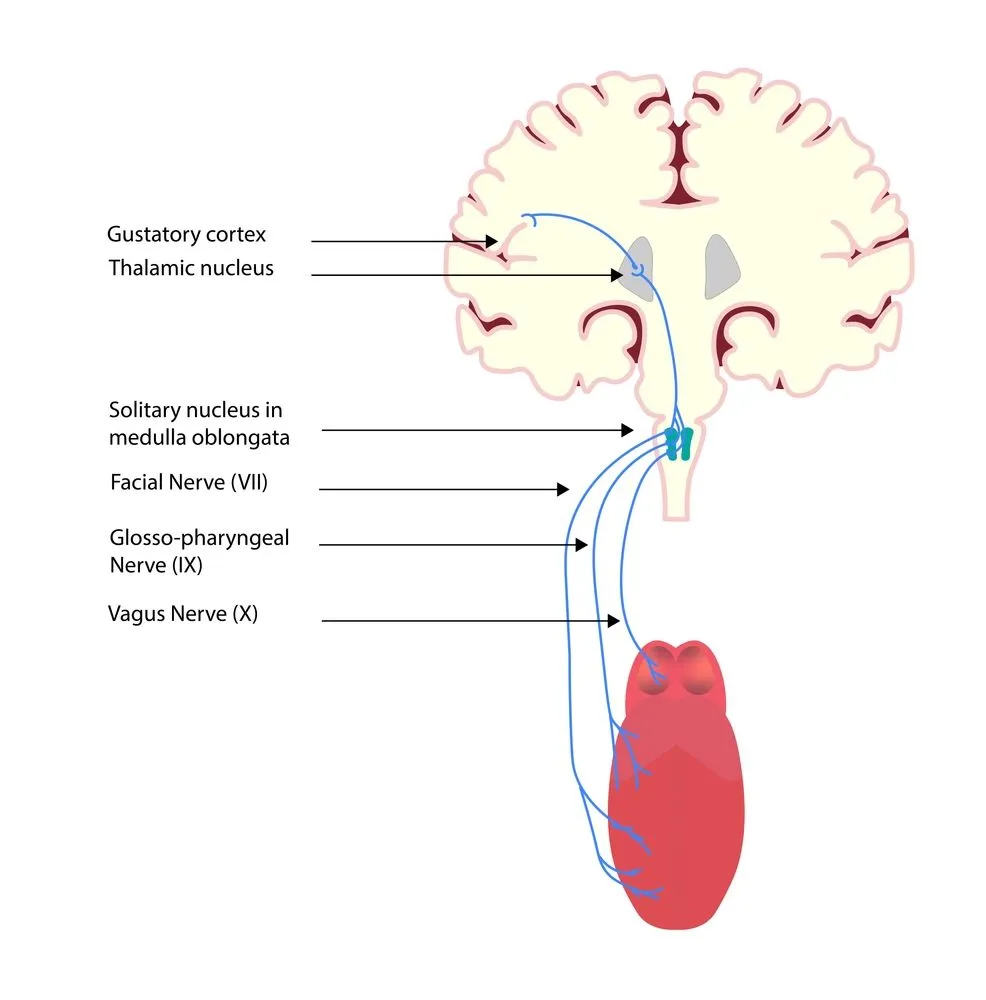
The thalamus and the insular cortex interact with many regions, such as the amygdala, which regulates fear, reward-based (dopaminergic) pathways of the brain, such as the ventral tegmental area and nucleus accumbens, as well as the hypothalamus, which modulates feeding behavior. Acquired taste is learned by modifying the signaling in these reward and fear memory pathways of the brain that interact with the gustatory center of the brain. Thus, the “hedonistic” value of a food can be changed based on our bad or good experience with it, and our response to it can be updated by the brain to either prefer or avoid it the next time you come across it.
Conclusion
Acquired taste refers to the phenomenon of learning to prefer a flavor or food we initially do not like, following repeated ingestion. When we experience no unpleasant side effects from unpalatable food, but instead feel an unexpected rewarding sensation, the brain updates this information, reducing our aversion to it. This occurs because parts of the brain that control information on reward and learning interact with the taste center of the brain.
This mechanism is central to our survival because it helps us avoid food that is harmful to us, and ingest those that we find rewarding or nutritive. It is thanks to this mechanism that you’re able to enjoy your morning cup of coffee, despite its inherent bitter taste, and get that buzz! And if your child hates asparagus or raw oysters, the key is to make them try it again… good luck!
References (click to expand)
- Harris, G., & Mason, S. (2017, April 29). Are There Sensitive Periods for Food Acceptance in Infancy?. Current Nutrition Reports. Springer Science and Business Media LLC.
- Cornelis, M. C., & van Dam, R. M. (2021, December 13). Genetic determinants of liking and intake of coffee and other bitter foods and beverages. Scientific Reports. Springer Science and Business Media LLC.
- Yamamoto, T. (2006). Neural substrates for the processing of cognitive and affective aspects of taste in the brain. Archives of Histology and Cytology. International Society of Histology & Cytology.
- Risso, D. S., et al. (2014). Association Analysis of Bitter Receptor Genes in Five Isolated Populations Identifies a Significant Correlation between TAS2R43 Variants and Coffee Liking. PLOS ONE.
- Mennella, J. A., & Bobowski, N. K. (2015). The sweetness and bitterness of childhood: Insights from basic research on taste preferences. Physiology & Behavior. Elsevier BV.
- Lawson, C. C., LeMasters, G. K., & Wilson, K. A. (2004). Changes in caffeine consumption as a signal of pregnancy. Reproductive Toxicology. Elsevier BV.
- Dysgeusia (Altered Taste): Causes & Treatment. Cleveland Clinic.