Tequila burns your throat because ethanol drops the heat-activation threshold of your mouth's TRPV1 pain receptors from about 42 °C (108 °F) to roughly 34 °C (93 °F), so your own 37 °C (98.6 °F) body heat is now hot enough to set them off. Alcohol also dries the mucous membrane and dilates blood vessels in the gut, adding to that warm, burning rush.
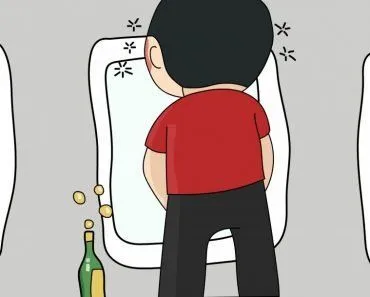
For anyone who has ever taken a wild trip down to Mexico, celebrated a 21st birthday, or embraced their love of exotic alcohol, the strength and potency of tequila is no secret. There are a number of reasons why you always know when you’re taking a shot of tequila. First of all, there is a whole process involved, including licking salt off the back of your hand and biting a lime after downing the shot. It looks (something) like this….
Secondly, tequila is recognizable because of the intense burning sensation that it leaves in your throat! While many people love the invigorating rush of tequila, others can’t stand the thought of that taste!
The important question is…. why does tequila burn so much in the first place?!
Surprisingly enough, the alcohol isn’t the cause!
The Fiery Side Of Alcohol
Most people associate tequila with a fiery burn in the throat, but the effect actually happens with all different types of spirits. In fact, the higher the alcohol content, the greater the burning sensation. Even wine can have this effect, although you might not notice it, since most wines sit around 11-14% ABV, while spirits like tequila, vodka and whiskey are typically bottled at 40% ABV (and can climb higher).
The “heat” of alcohol is caused by a few different things, but let’s start with the most dominant part in the process: the VR1 receptors in the throat and mouth. VR1 heat receptors are technically known as transient receptor potential vanilloid 1 (TRPV1), and they are sensitized by both capsaicin (the active compound in chili peppers) and ethanol, the primary alcohol in your drink. Both substances bind to or modulate the receptor and produce the same burning response we feel from a hot pepper.
The TRPV1 receptor has an important job: sensing scalding heat and pain as a warning system for the body. If you drink hot soup or eat particularly spicy hot sauce, the receptors in your mouth and throat signal the brain, encouraging you to wait a few minutes on the soup, or drink some water or milk to calm the spiciness. Normally, TRPV1 stays quiet until the temperature climbs above about 42 °C (108 °F), which is well above our 37 °C (98.6 °F) body temperature, and that gap is exactly what lets it work as a burn alarm.
Ethanol changes the rules. A landmark 2002 study in Nature Neuroscience showed that ethanol lowers TRPV1’s heat-activation threshold from roughly 42 °C (108 °F) all the way down to about 34 °C (93 °F). At that point, the alcohol has done its job, and your own body heat takes over as the culprit. Your tongue and throat sit at about 37 °C (98.6 °F), which is now hot enough to open those receptors and shout “burn!” up to the brain, even though nothing is actually being damaged.
More Than Just A Trick
The effect of ethanol on the TRPV1 receptors isn’t the only factor that makes alcohol burn on the way down. The mucous membrane lining the mouth is also quite sensitive to the effects of alcohol, namely its drying qualities. When that mucosa dries out, it can create a burning sensation in the mouth and tongue, causing you to purse your lips, as though you’ve just bit into a lemon. It also helps explain why you reach for water straight after a shot to rehydrate your mouth.
Secondly, alcohol can also cause blood vessels to dilate. Ethanol triggers the release of nitric oxide (a potent vasodilator) and histamine, which relax the smooth muscle in vessel walls so more blood rushes through them. This is why certain spirits, such as tequila and scotch, can make your gut and skin feel a flush of warmth after downing a shot. It is worth noting that this warmth is mostly a sensation: with vessels open near the skin, your body is actually shedding heat to the environment, not generating more of it. Over time, in heavy drinkers, repeated flushing weakens capillary walls and contributes to permanent spider veins, especially on the cheeks and nose.
Which Alcohol Burns Your Throat The Most?
If the burn is driven by ethanol tripping your TRPV1 receptors, and that response gets stronger the more ethanol arrives per sip, then the answer is refreshingly simple: the drinks that scorch your throat the hardest are just the ones with the most alcohol. Trevisani’s team showed that sensory neurons fire in a concentration-dependent way, so burn intensity tends to climb right alongside the proof on the label.

At the gentle end of the scale, beer (roughly 4-6% ABV) and wine (about 11-14% ABV) rarely register as a true “burn” at all. Standard spirits, including tequila, vodka, whiskey, gin and rum, cluster around 40% ABV and deliver that familiar shot-glass sting. The genuine throat-scorchers, though, are the overproof bottles: cask-strength whiskies often land at 55-65% ABV, some overproof rums climb past 75%, and neutral grain spirits such as Everclear reach up to 95% ABV (190 proof). That last figure is exactly why 190-proof Everclear is illegal to sell in at least a dozen US states.
One important caveat: what your receptors actually “count” is the concentration of ethanol touching them, not the number printed on the bottle. That is why the very same 40% spirit burns far more when you knock it back neat than when it is poured over ice or stretched into a tall mixed drink. Watering it down lowers the ethanol concentration your throat ever sees, which brings us neatly to the obvious follow-up question.
How Do You Take The Burn Out Of A Shot?
Here is the reassuring part: the burn is a false alarm. Your TRPV1 receptors are shouting even though nothing is actually being damaged, and the sensation fades on its own fairly quickly once the ethanol disperses and clears the tissue. If you would rather not wait it out, though, two tricks genuinely help, and both fall straight out of the science above.

Chill it. TRPV1 is, at its core, a heat sensor. In a 2019 study on the burn from chili peppers, researchers found that liquids below mouth temperature (around 35 °C or 95 °F) substantially reduced the burning sensation. The same logic applies to a shot: an ice-cold pour nudges those already-sensitized receptors far less than a warm one, which is a big part of why bartenders keep the vodka in the freezer.
Dilute it, and chase it. Because the response is concentration-dependent, adding water, ice or a mixer lowers the amount of ethanol reaching your receptors and softens the blow. A gulp of cold water straight after does double duty: it cools the tissue and re-wets the mucous membrane the alcohol just dried out. In that same chili study, milk actually out-performed plain water at quelling the burn (its proteins, mainly casein, appear to help mop up the irritant). Whether dairy does as much for an ethanol burn has not been tested directly, but any cold chaser will cool and rehydrate your throat. As for the classic lick-salt-bite-lime tequila ritual, that is really about masking the taste, not the burn, though the sharp hit of sour and salt does give your brain something else to focus on.
Are All Forms Of Alcohol Created Equal?
While all spirits can create some level of “burning” in the mouth, esophagus and stomach, tequila has a reputation as the one with mysterious upsides. You may have seen viral claims that a daily shot of 100% agave tequila lowers blood sugar, melts dietary fat, drops your LDL cholesterol, fights inflammation and cures tension headaches. It is a great story. Unfortunately, the science does not really back it up.
Those claims trace back to a single 2014 mouse study presented at an American Chemical Society meeting, which found that agavins, the fructose-based sugars in the raw blue agave plant, behaved like dietary fiber and lowered blood glucose in obese mice. The catch is that agavins are not in your shot glass. During tequila production, those sugars are cooked and fermented into ethanol, so almost none of the original agavin makes it into the finished spirit. The molecule doing the supposed heavy lifting is gone by the time you swallow it.
The more honest picture: tequila is ethanol in water, plus tiny amounts of agave-derived flavor compounds. It will not regulate your blood sugar, lower your cholesterol, or cure a headache, and chronic drinking of any spirit is a well-documented risk factor for liver disease, certain cancers and atherosclerosis, not a protection against them. The headline-grade health benefits you have seen pinned on tequila simply have not been demonstrated in humans.
Where tequila does genuinely differ from many other spirits is in what it does not contain. A pour of 100% agave tequila has roughly the same calorie load as vodka or whiskey of equal strength, no added sugar, and (because it is distilled) no gluten. If you are choosing what to drink, that can make a clean 100% agave tequila a slightly better pick than a sugary cocktail or a flavored liqueur. That is a fair claim. “Tequila is medicine” is not.
So if you sincerely enjoy that burning sensation that tequila (or any other alcohol) provides, pace yourself and drink responsibly. Just do it for the taste and the company, not for your cholesterol.
References (click to expand)
- TRPV1 - Wikipedia. Wikipedia
- Simon, S. A., & de Araujo, I. E. (2005, May 31). The Salty and Burning Taste of Capsaicin. Journal of General Physiology. Rockefeller University Press.
- Trevisani, M., Smart, D., Gunthorpe, M. J., Tognetto, M., Barbieri, M., Campi, B., … Geppetti, P. (2002, May 6). Ethanol elicits and potentiates nociceptor responses via the vanilloid receptor-1. Nature Neuroscience. Springer Science and Business Media LLC.
- Blednov, Y. A., & Harris, R. A. (2009, March). Deletion of vanilloid receptor (TRPV1) in mice alters behavioral effects of ethanol. Neuropharmacology. Elsevier BV.
- Tequila plant is possible sweetener for diabetics. American Chemical Society press release (March 17, 2014).
- Drinking Tequila Provides Many Health Benefits? Snopes fact-check.
- The health benefits of tequila: Are they real? Medical News Today.
- Nolden, A. A., Lenart, G., & Hayes, J. E. (2019). Putting out the fire - efficacy of common beverages in reducing oral burn from capsaicin. Physiology & Behavior.
- Everclear (grain alcohol) - Wikipedia. Wikipedia