Table of Contents (click to expand)
Alcohol tolerance means a person needs more alcohol to feel the same effects. It builds in two main ways: the brain adapts its chemistry to offset alcohol's effects, and the liver ramps up the enzymes that break alcohol down. A high or low starting tolerance is also partly genetic, set by inherited differences in the enzymes that process alcohol.
Have you ever seen someone who chugs down bottles of alcohol without showing the tiniest signs that they’re getting drunk? People who have this ‘magical’ ability to not get drunk after consuming a considerable amount of alcohol are often dubbed the ‘whales’ of the group, a nod to the common saying that they ‘drink like a fish’.
But why does this actually happen? Why are some people better at handling relatively large doses of alcohol?
Alcohol Tolerance
When someone drinks heavily on a regular basis, their body gradually develops a kind of tolerance to alcohol. In this context, tolerance means that after regular drinking, the same amount of liquor produces fewer effects than it does for a casual or occasional drinker. In other words, an alcohol-tolerant person has to consume more liquor to produce the same effect, or the same ‘high’, if you will.
Some People Are Better At Handling Alcohol
Some people are simply born with a low sensitivity to alcohol. In simple words, they possess the ability to go round after round of beers, but show minimal effects.
So, if you sit a person with low alcohol sensitivity (or an alcohol tolerant person) with someone who drinks only occasionally, then despite consuming the same amount of liquor (say, 4 glasses of wine each), the former would mostly be alright, while the latter would be stuttering, blabbering and spilling their deepest secrets.

It’s often seen that people born into families with a history of alcoholism start out with a lower sensitivity to alcohol, and researchers now know this is largely written into our genes. Much of it comes down to the enzymes that break alcohol down (more on those shortly). The flip side is just as genetic: roughly a third of people of East Asian descent carry a variant of the ALDH2 enzyme that lets a toxic byproduct of alcohol pile up, triggering the telltale ‘alcohol flush’ of red cheeks, a racing heart and nausea after just a drink or two. For them, a stubbornly low tolerance is simply how their body is wired.
Some People Develop Alcohol Tolerance
There is also the other class of people who actually develop a tolerance towards alcohol by constantly drinking large amounts of it. It all comes down to the fact that the more you drink alcohol, the more your brain and body adjust to the rising doses of alcohol in your system. The upshot is that you need to drink even more to achieve the same ‘high’.
How Does The Body Develop Alcohol Tolerance?
The most important aspect of alcohol tolerance occurs in the brain.
The two main neurotransmitters in the brain that are relevant to this discussion are GABA (performs inhibitory functions) and glutamate (performs excitatory functions, i.e., the opposite of GABA).
Alcohol significantly increases the activity of the GABA system, partly by acting on it directly and partly by inhibiting glutamate activity. Now, the brain’s job is to maintain homeostasis (a self-regulating process by which biological systems tend to maintain stability while adjusting to external conditions), so that you don’t die.
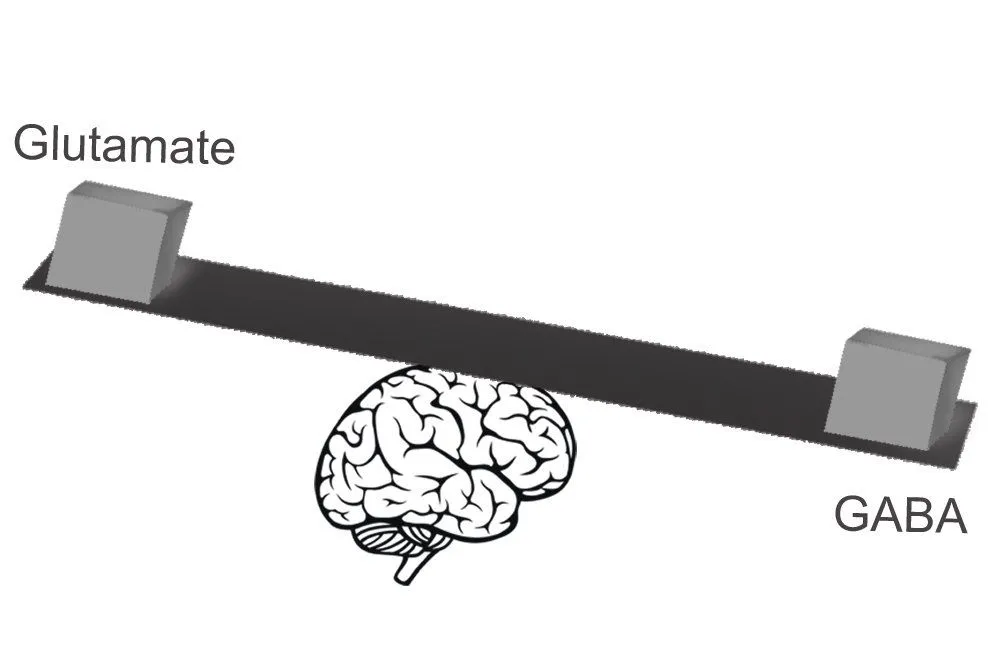
In a bid to do that, the brain pushes back in two directions at once. It dials down the GABA system (turning down its own ‘brakes’) and dials up the glutamate system (its ‘accelerator’) to offset the changes alcohol forces on it. After months and years of heavy drinking, these become semi-permanent adjustments, so it now takes far more alcohol to reach the same level of GABA-driven sedation. Scientists call this functional tolerance, and it’s why long-term heavy drinkers can handle doses of liquor that could potentially kill someone who rarely drinks. (It’s also the flip side of why suddenly quitting can be dangerous: with the brakes weakened and the accelerator stuck on, the brain is left dangerously overexcited, which is what drives alcohol withdrawal.)
Of course, this is a massive over-simplification of the entire process; in reality, there are many other factors involved that influence how someone develops an alcohol tolerance.
The liver also plays a role. As you may know already, the liver is responsible for processing most of the alcohol in our bodies, and it does so in a two-step relay. First, an enzyme called alcohol dehydrogenase (ADH) turns the ethanol into acetaldehyde, a substance that is actually more toxic than alcohol itself and is thought to contribute to the misery of a hangover. A second enzyme, aldehyde dehydrogenase (ALDH2), then quickly converts that acetaldehyde into harmless acetate, which the body eventually breaks down to water and carbon dioxide. The ALDH2 variant mentioned earlier short-circuits this second step, which is why acetaldehyde builds up and triggers the alcohol flush in people who carry it.
There is also a backup system. Liver cells contain an organelle known as the Smooth Endoplasmic Reticulum (SER), home to a separate enzyme (CYP2E1) whose job is to break down assorted nasty substances, including alcohol and drugs, especially when alcohol levels run high.
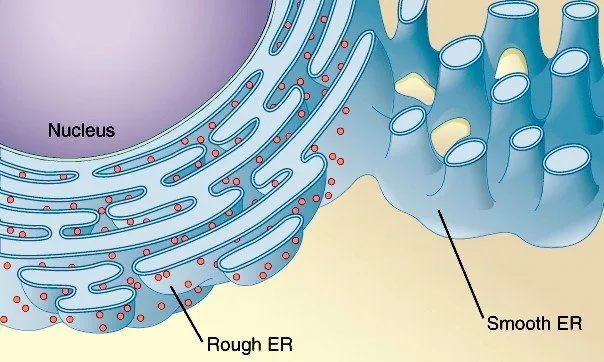
When you drink a lot on a regular basis, the liver registers that it needs to process more than its usual quota of alcohol. In response, over a period of just a few days, it ramps up production of CYP2E1 and expands the surface area of the SER that houses it. This lets the liver clear a larger volume of alcohol more quickly, so the liquor spends less time circulating and doing its work. This faster clearance is what scientists call metabolic tolerance, and it works hand in hand with the brain’s functional tolerance.
If you ever find yourself in a medical laboratory and have a chance to see the liver cells of an alcoholic under a microscope, you will notice that the SER in their cells are much larger than in the liver cells of a non-alcoholic. That’s another reason why heavy drinkers become tolerant to alcohol and will boldly match anyone drink for drink, any night of the week!
References (click to expand)
- Alcohol Metabolism. National Institute on Alcohol Abuse and Alcoholism (NIAAA).
- Overview: How Is Alcohol Metabolized by the Body? Alcohol Research: Current Reviews. NCBI PMC.
- The truth about tolerance. University Health Services, University of Wisconsin-Madison.
- Absorption Rate Factors. Well-Being Center, College of Saint Benedict and Saint John’s University.
- Siegel, S. (2011). The Four-Loko Effect. Perspectives on Psychological Science. SAGE Publications.