When it’s cold outside, your body tightens the blood vessels in your fingers and toes (vasoconstriction) to keep the warm blood near your vital organs. The forearm muscles that move your fingers cool down, their chemical reactions slow, and the synovial fluid in your finger joints becomes more viscous, all of which make your fingers move slower and feel stiff or clumsy.
When it’s very cold outside, blood flow to the extremities, like your toes and fingers, is minimized. This is done in a bid to ensure that the body loses as little heat as possible.
Know the feeling when you want to send an urgent text to someone – maybe your boss or your partner – but you can’t type fast enough, or even type at all, because your hands are too cold?
Of course you do!
Ever wonder why that happens? Why does extreme cold make it so arduous to type out a few words on your smartphone, play an instrument, or even write something down?
Reduction Of Blood Flow To The Extremities
When it’s cold outside, the body reduces blood flow to the extremities. There is a good reason for this; when it’s cold outside, your body perceives this as a ‘threat’ to your survival. In a bid to ensure that you don’t die, the body lessens the blood flow to the extremities. This is done so that the core of the body, i.e. the mid-section (where most vital organs are located), is preserved and protected against the cold, as blood plays a huge role in the temperature regulation of the body.
The Role Of Blood In Temperature Regulation
If you don’t already know, blood is crucial to the supply of oxygen to each and every cell of the body.
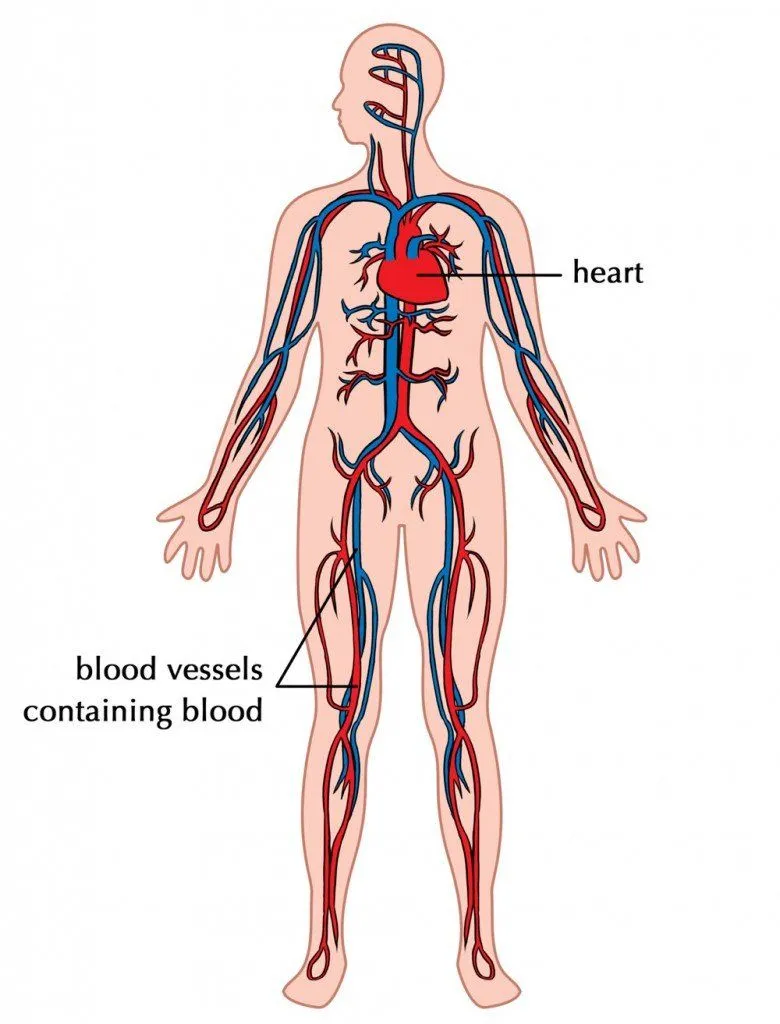
Our blood carries oxygenated blood from the chambers of the heart, delivers it to cells in return for deoxygenated blood. It then takes this deoxygenated blood to the lungs, where it’s finally excreted with the help of the respiratory system.
However, that’s not the only purpose that blood serves. It also helps in maintaining a safe temperature within the human body.
Blood Plasma
Temperature regulation is achieved through something called blood plasma. Blood plasma is the clear, yellowish, fluid element of the blood that carries the blood cells. It makes up roughly 55% of the total volume of blood in the body. One noteworthy thing is that the proteins essential for blood clotting are actually contained in the blood plasma.
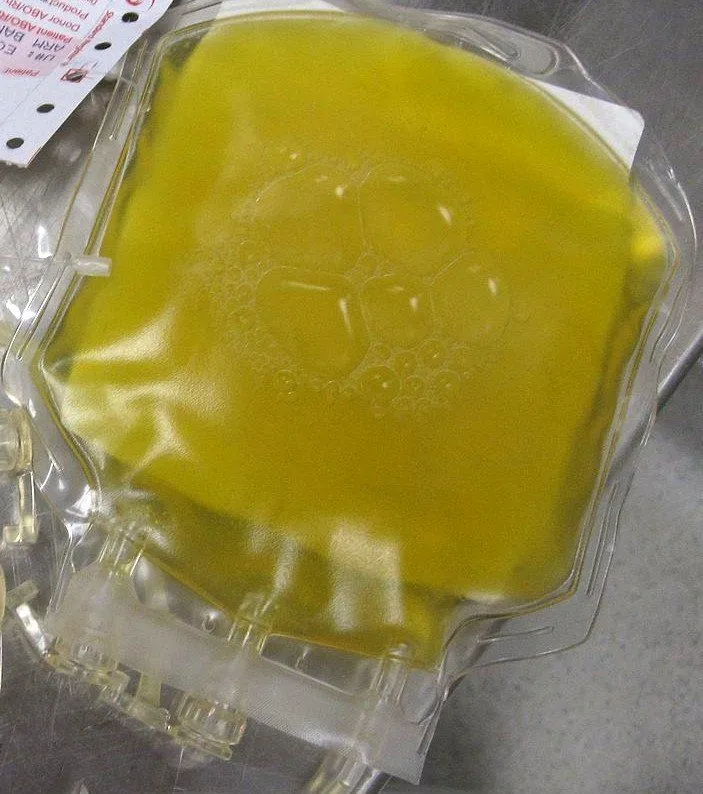
Blood plasma can both give off and absorb heat, which helps in maintaining the ‘right’ or ‘safe’ temperature of the human body.
Speed Of Blood Flow
Additionally, the speed at which blood flows also helps in temperature regulation. When the ambient temperature drops, blood vessels in the skin constrict (vasoconstriction), so very little warm blood reaches the surface and almost no heat is lost. When it gets hot outside, those same blood vessels dilate (vasodilation), more warm blood flows close to the skin, and the extra surface heat is given off into the air. This is how the body neither gets too cold nor too hot, thanks to the movement of blood.
 Coming back to the original question, when it’s very cold outside, blood flow to the extremities, like your toes and fingers, is minimized. This is done in a bid to ensure that the body loses as little heat as possible.
However, as you know, all body parts need a constant blood supply, so when a particular part of the body is deprived of blood (and oxygen) for a long time, the cells there will begin to die out. That’s why the victims of frostbite sometimes end up having their body parts (e.g., legs, arms) amputated.
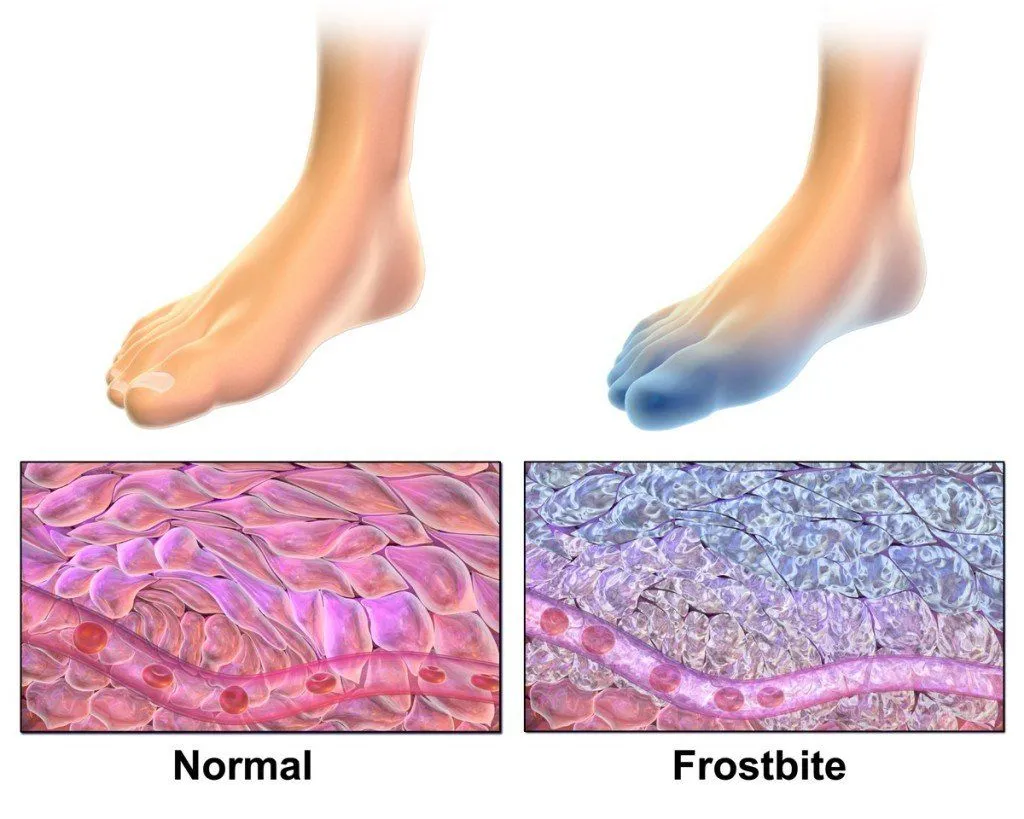
Due to the extremities getting colder, the chemical reactions needed to contract nearby muscles also take a hit. The muscles that help you move your fingers are located in your forearm, but if they get too cold, your fingers either feel weak, hurt or simply don’t work as precisely and quickly as they normally do.
As a result, you cannot easily do actions that involve moving your fingers swiftly and accurately, including playing an instrument, working on the computer, texting etc. There’s also the ‘stiff-finger-joint’ phenomenon, wherein the fingers become too stiff to move properly. This phenomenon usually arises due to problems with the synovial fluid.
The Synovial Fluid
Synovial fluid is a viscous fluid normally found in the human bone joints, and plays an instrumental role in lubricating surface joints.
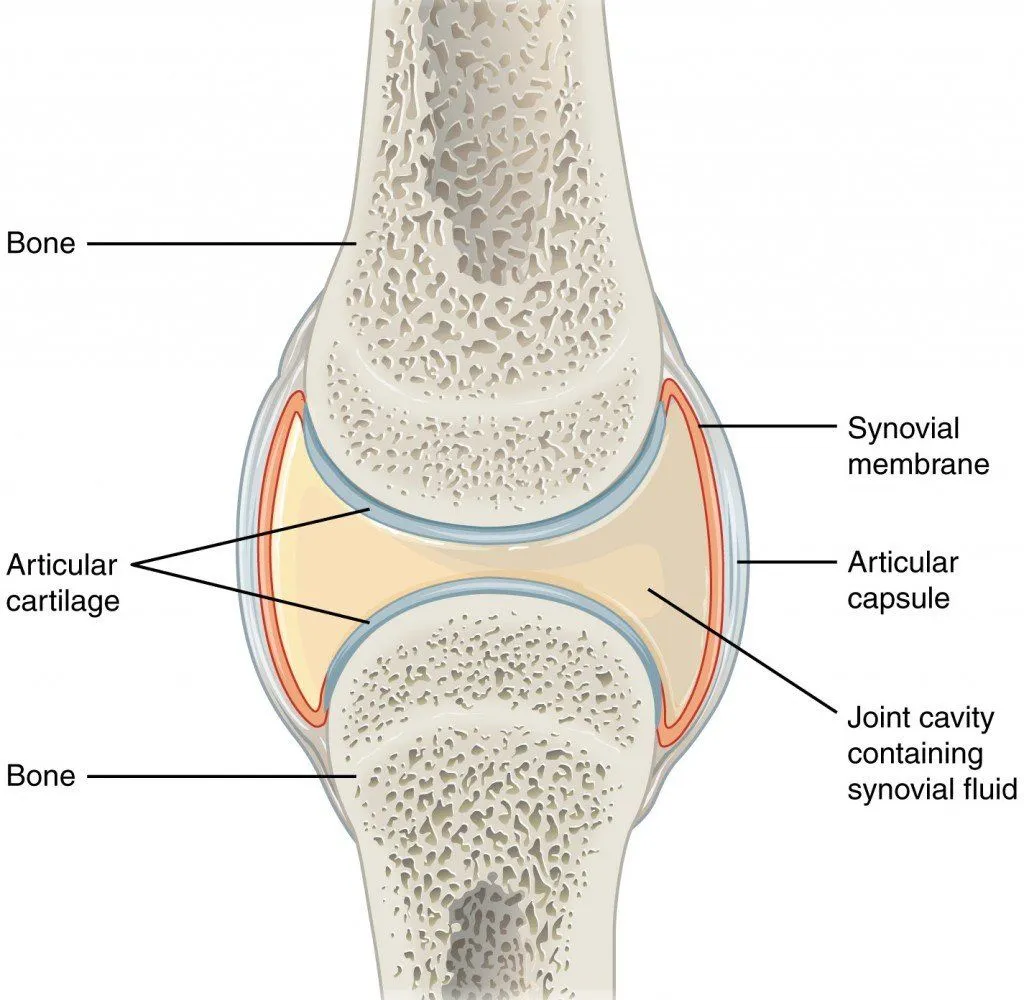
At lower temperatures, the synovial fluid becomes more viscous. This thickness of the synovial fluid causes that distinctive feeling of ‘rigidity’ in your fingers when your hands get too cold. This is another reason why your fingers don’t move as precisely and quickly as they ordinarily do when it’s too cold outside.
Cold Slows The Nerves And Muscles That Drive Your Fingers
Reduced blood flow and stiffer joint fluid are only part of the story. The bigger reason your fingers turn sluggish is that the cold slows down the two systems that actually move them: the nerves that carry the ‘move now’ signal, and the forearm muscles that pull on the fingers.

Nerves fire by shuttling ions through tiny gated channels, and that machinery is temperature-sensitive. As a nerve cools, those channels open and close more slowly, so the electrical signal travels more slowly too. Studies of human nerves put the slowdown at roughly 2 meters per second, about 5%, for every 1 °C the nerve drops, which is why a cold hand reacts and adjusts a beat later than a warm one.
The muscles take a hit at the same time. When researchers chilled a small hand muscle by soaking the hand in 8 °C (46 °F) water for half an hour, the muscle was slower to reach peak force, slower to relax afterwards, and weaker overall. Because muscle contraction is driven by chemical reactions, and reactions run slower in the cold, every twitch becomes a little later and a little feebler. Add the slower nerve signal to the slower, weaker contraction and you get that familiar feeling of fingers that simply won’t do what your brain is telling them to do.
Why Typing And Other Fine Movements Suffer First
You probably notice the cold most when you try to type a text, button a coat, or fish a coin out of your pocket, because fine motor tasks demand exactly what cold takes away: quick, precise, well-timed finger movements and sharp touch feedback. Manual dexterity holds up reasonably well until the skin on your fingers cools past a tipping point, and below roughly 15 °C (59 °F) it falls off sharply. One recent occupational study even measured dexterity loss once finger skin temperature dropped to about 23 °C (73 °F), well before the hands feel painfully cold.
Touch sensitivity is part of it too. Cold dulls the sensors in your fingertips, so you get less feedback about where the keys are and how hard you are pressing, on top of the slower nerves and muscles. That is why you can still clench a fist with cold hands yet struggle to hit the right key. It is the same cold-defense system that also gives you goosebumps, quietly working against your fingertips.
There is one quirk worth knowing. If you keep your hands out in the cold, the body sometimes briefly reopens the vessels in the fingers in a cycle first described by cardiologist Thomas Lewis in 1930, called cold-induced vasodilation or the ‘hunting reaction’. Finger skin temperature can jump by as much as 10 °C for a short while, which is why frozen fingers can suddenly feel warm and tingly before going numb again. It is a protective reflex that helps stave off frostbite, not a sign your hands are back to working order.
References (click to expand)
- Are Your Hands Freezing? | University of Utah Health. The University of Utah
- Cold hands: Could it be Raynaud's? Harvard Health.
- Synovial Fluid - cal.vet.upenn.edu:80
- What does blood do? - InformedHealth.org - NCBI Bookshelf. The National Center for Biotechnology Information
- Cheung, S. S. Responses of the hands and feet to cold exposure. Temperature (NCBI/PMC).
- Occupational cold stress and rewarming alters skin temperature thresholds for manual dexterity decrements. Physiological Reports (NCBI/PMC).
- The Effect of Local Cooling at the Elbow on Nerve Conduction Velocity and Motor Unit Behaviour. (NCBI/PMC).
- Hunting reaction (cold-induced vasodilation). Wikipedia.