Table of Contents (click to expand)
The numbers on a car tyre form a code stamped into the sidewall. In a marking like 245/40 R18 93W, 245 is the width in mm, 40 the aspect ratio, R means radial, 18 the rim diameter in inches, 93 the load index, and W the speed rating. A separate DOT code shows when and where the tyre was made.
Tires are often the most neglected parts of any vehicle. The attention paid to their upkeep is often disproportionate to the abuse to which they are regularly subjected.
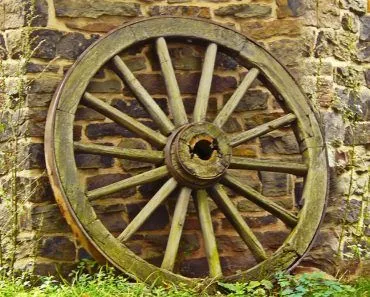
A wide variety of tires are available to suit different purposes. Without good tires, all the extreme engineering that goes into the car counts for nothing. Even so, there was a time when tires as we know them didn’t exist. The first human-made transportation, namely carts and chariots, ran on wooden wheels. These wheels were bound in leather or iron straps to prevent them from rapidly deteriorating.
However, they resulted in prolonged and uncomfortable rides, as there was no cushioning against surface obstacles. With the development of rubber compounds, the trend shifted towards the use of solid rubber tires. These tires were very bulky, and the effort required to move them quickly negated what little comfort they provided.

In 1887, a Scottish veterinary surgeon called John Boyd Dunlop, fed up with watching his young son struggle with a tricycle, cut up a length of rubber garden hose, bent it into a ring around the wheel, and filled it with air. Air, being compressible, easily conformed to the contours of the roads, while the lightness of the tyres made movement very easy. Thus, one of the first practical pneumatic tyres was born. Dunlop patented the idea the following year and lent his name to a tyre manufacturing company that still holds a prestigious position in international markets. (He was not actually the first to think of it: a fellow Scot, Robert Thomson, had patented a pneumatic tyre back in 1846, which would later cost Dunlop his patent rights.)
Construction Of Tires
While the first tire might have been little more than a hose filled with air, modern-day tire technology has come a long way. The employment of superior manufacturing techniques and rubber compounds ensures the longevity and resilience of tires when it comes to the potential damage inflicted by the road.
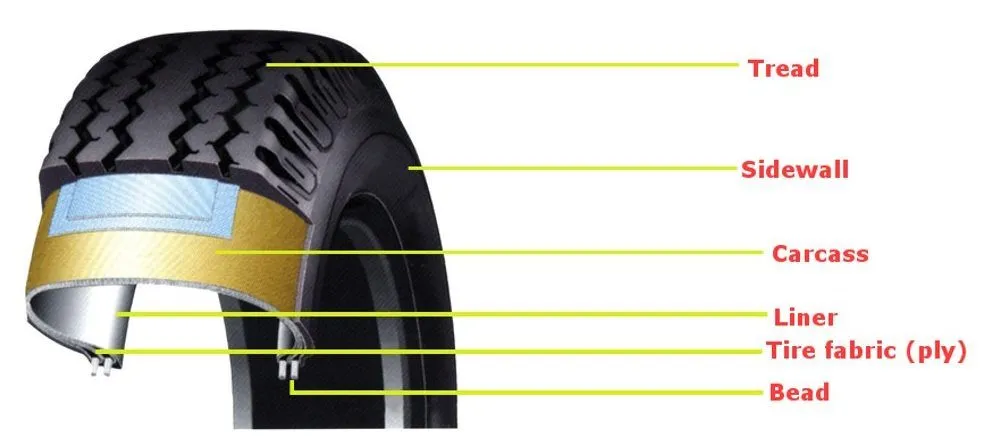
- Tread: This refers to the outermost layer of the tyre that comes in direct contact with the ground. The tread is composed of rubber compounds that help the tyre grip the road surface, and the grooves and channels carved into it bite the road and funnel water away when driving in wet conditions.
- Sidewall: The sidewall or the face of the tire is composed of a flexible rubber that is chemically engineered to withstand cuts and cracks. The sidewall is responsible for cushioning the tire fabric underneath, while flexing and compressing according to the contours of the road.
- Bead: The bead refers to a belt of steel running along the edge of the tyre. Upon inflation, this bead tightly fits into the inner wall of the rim to prevent air from leaking.
- Tyre fabric (ply): The primary source of structure and strength for the tyre is its ply. In one design, several layers of fabric cords (traditionally nylon or polyester) run diagonally across the tyre at an angle of roughly 30 to 40 degrees to the tread's centerline, with adjacent layers crossing each other. These are called cross-ply or bias-ply tyres. In the other design, the body cords run straight across the tyre, from bead to bead at about 90 degrees to the tread's centerline, and are topped by reinforcing steel belts under the tread. These are radial-ply tyres, and they offer superior load-bearing characteristics and high-speed performance compared to bias-ply tyres, which is why almost every modern passenger car runs on radials.
- Carcass: The ply is coated with layers of rubber to protect it from damage due to the flexing and compression of tires. This layer of rubber coating forms the carcass and is responsible for making a semi-rigid frame for the air to fill in.
- Liner: Modern-day tires are directly filled with air, rather than utilizing a tube. To prevent air from leaking out, an impervious layer of rubber is lined under the carcass.
Deciphering The Numbers On Tire Walls
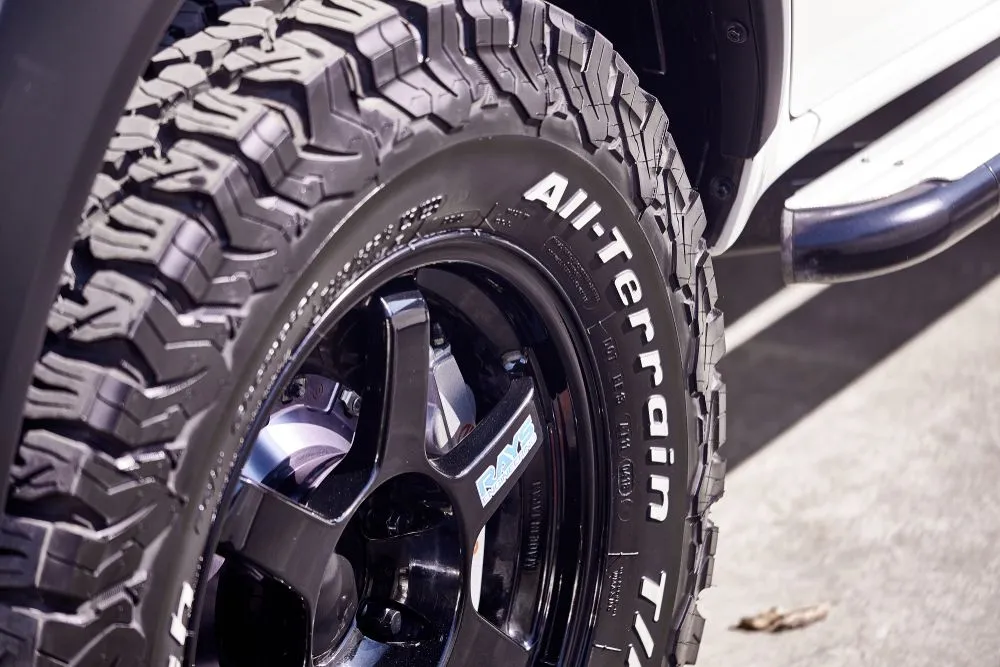
If you happen to closely look at the visible face of the tire, you might find alphanumeric codes on them. While they may outwardly seem meaningless, they carry a great deal of information. Let’s illustrate the meaning of each with suitable examples.
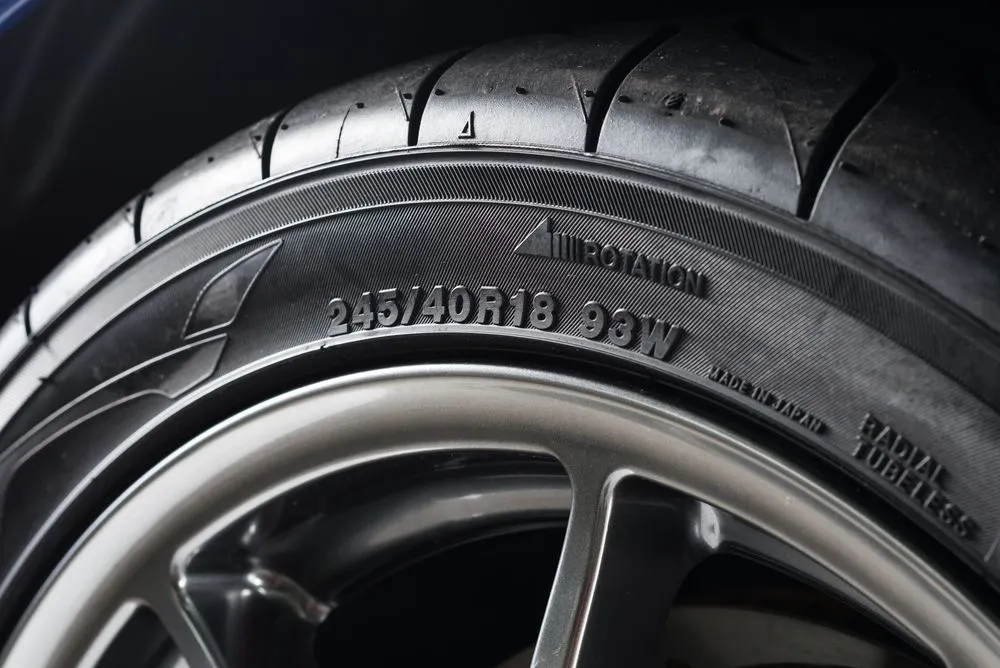
- 245 – Width of the tyre tread from sidewall to sidewall, in millimeters (245 mm, or about 9.6 in)
- 40 – Aspect ratio, meaning the sidewall height is 40% of the tyre's width (here roughly 98 mm)
- R – Radial construction
- 18 – Diameter of the wheel rim the tyre fits, measured in inches (18 in, or about 457 mm). This is the rim diameter, not its circumference, a point often confused.
- 93 – Load index, a code for the maximum weight one tyre can carry. On the standard chart, 93 corresponds to 650 kg (1,433 lb).
- W – Speed rating, the maximum sustained speed the tyre is built for. On the standard chart, W means 270 km/h (168 mph).
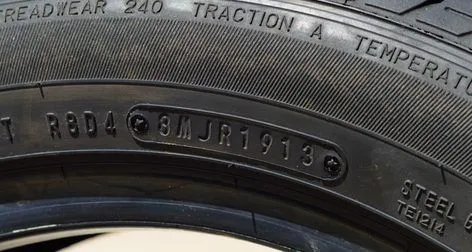
- DOT – A mark showing the tyre meets the safety standards of the U.S. Department of Transportation
- R8 – The plant code identifying the factory where the tyre was made (older codes are two characters; since 2025 the code may be three)
- D4 – A code for the tyre size
- 8MJR – Optional characters the manufacturer uses for its own construction details
- 1913 – The date code, and the most useful part for buyers: the first two digits give the week and the last two give the year. Here, the 19th week of 2013.
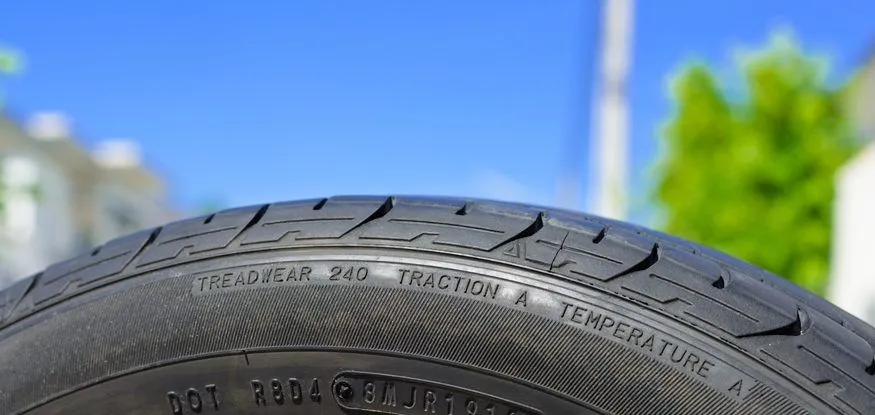
- Treadwear Grade – Usually a three-digit number that states how much a tire tread lasts. However, this can be slightly misleading, as this number is relative and not absolute. For example, treadwear with grade 200 lasts two times longer than a tread with grade 100 and so on.
- Traction Grade – A rating of how well a tire performs on wet asphalt and concrete. They are denoted by letters AA, A, B and C, with AA being the best.
- Temperature Grade – This denotes how well a tire can dissipate heat at high speeds. It is denoted by a rank of A, B and C, with A being the best.
Dimensional Information (245/40 R18 93W)
Manufacturing Information (DOT R8D4 8MJR 1913)
Miscellaneous Information
Types Of Tires
Due to their inherent mechanical properties, radial tires are the most popular form of construction. Different applications result in varied classifications, but below is a list of commonly found tire types:
Tube Tires
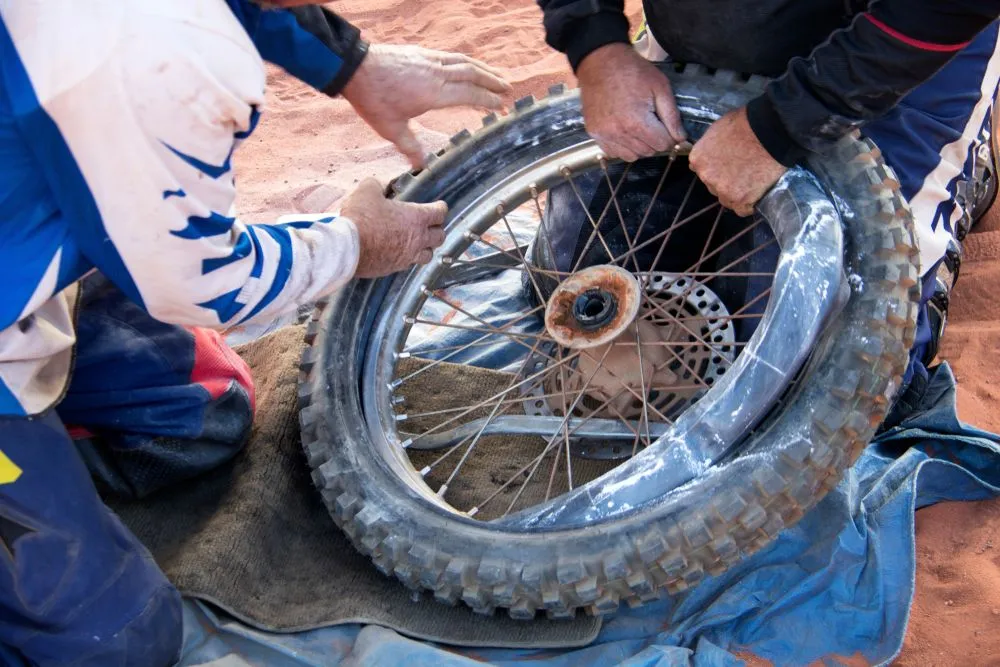
Wheels with tube tyres consist of an inflatable rubber bladder, or tube, that is set into the recess before the tyre is mounted on the rim. Their drawback is safety: when a tube tyre is punctured, the trapped air escapes almost at once, so it can deflate suddenly. They are initially cheaper but the tube can be fiddly to patch. Tube tyres are commonly found on bicycles and mopeds.
Tubeless Tires
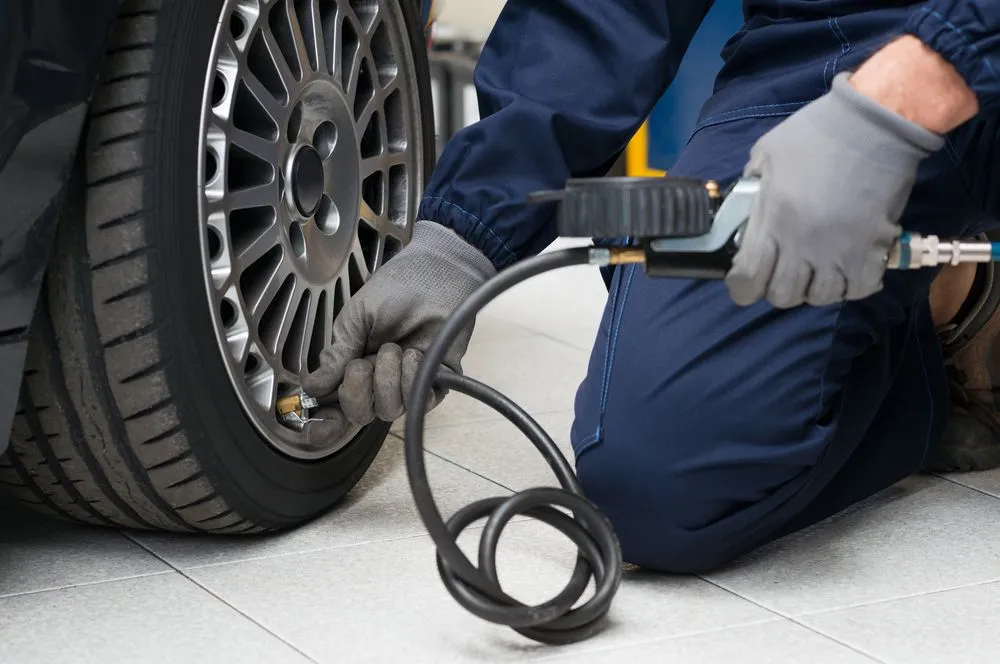
As the name suggests, there is no inner tube. Air is pumped directly into the tyre, and the pressure pushes the bead against the rim of the wheel, effectively sealing it in place. A puncture in a tubeless tyre tends to leak slowly rather than deflate all at once, because the surrounding rubber grips the nail or thorn. That makes them safer and well suited to motorcycles, cars and trucks, which is why they are now the norm for passenger vehicles.
Run-flat Tires
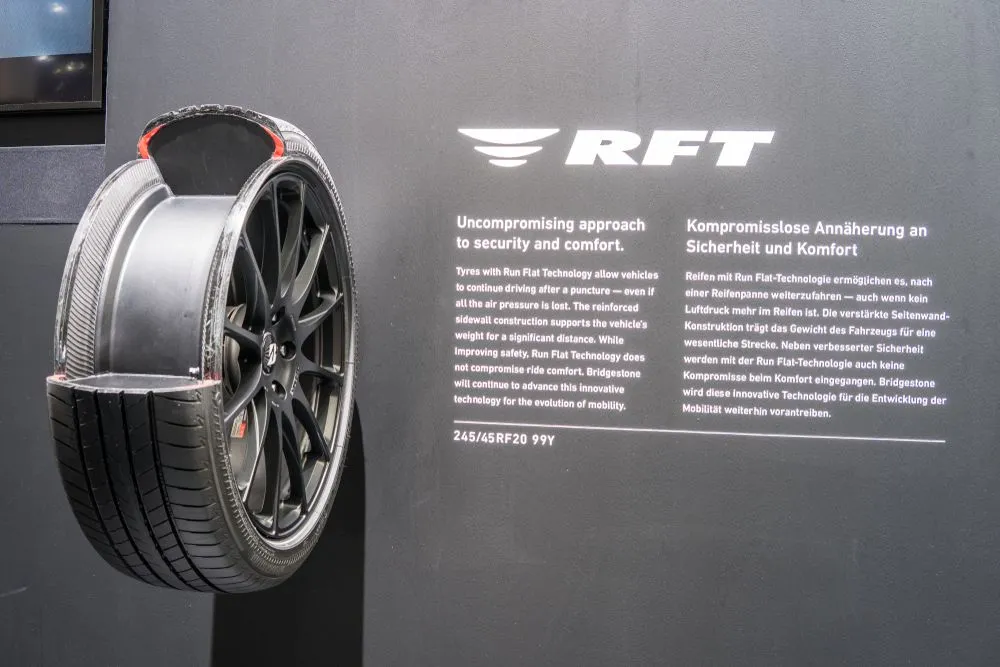
Run-flat tyres are designed to keep carrying the weight of a car for a limited distance after a puncture or loss of air. Most use heavily reinforced sidewalls that can hold up the vehicle even when the tyre is flat, while some versions rely on a solid rubber or foam support ring inside. As a rule of thumb, you can keep driving for roughly 80 km (50 mi) at speeds up to about 80 km/h (50 mph), enough to reach a garage rather than stop on the roadside, though exact limits vary by model. (These are different from self-sealing tyres, which carry a sticky compound that plugs small holes.) Run-flats are most commonly fitted to luxury and performance vehicles.
Low Profile Tires
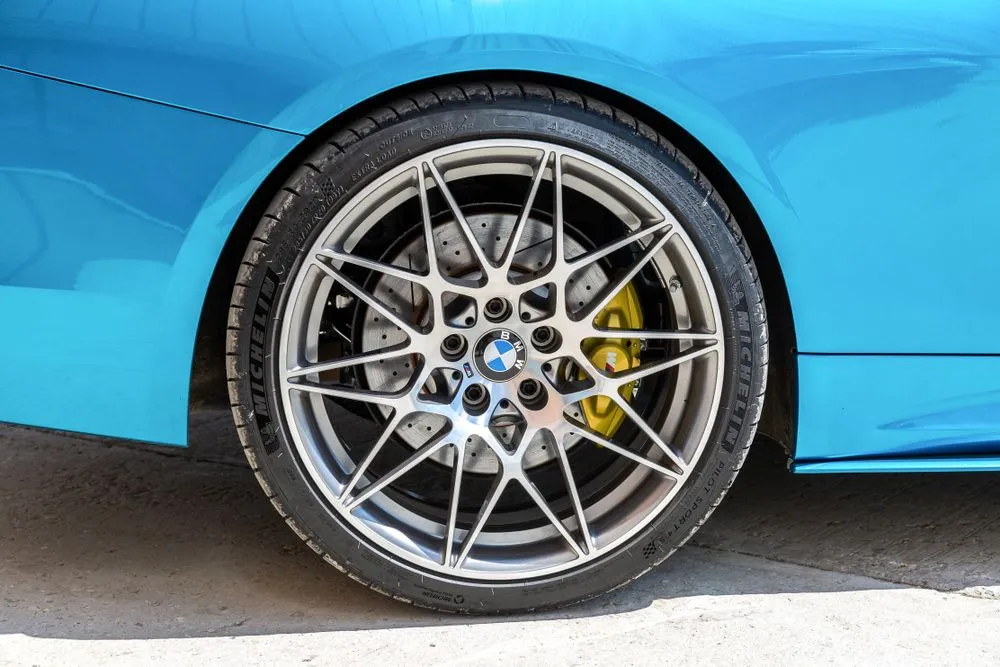
Tires with a low aspect ratio (height of the tire sidewall as a percentage of the width of the tyre) are known as low profile tires. Generally, tires with an aspect ratio of 50 or less classify as low profile tires. This variety handles better than conventional tires, especially during sudden braking or when taking sharp turns. However, the chances of wheel damage is higher, as the sleek sidewall does not provide much cushioning against challenging terrain.
Racing Slicks
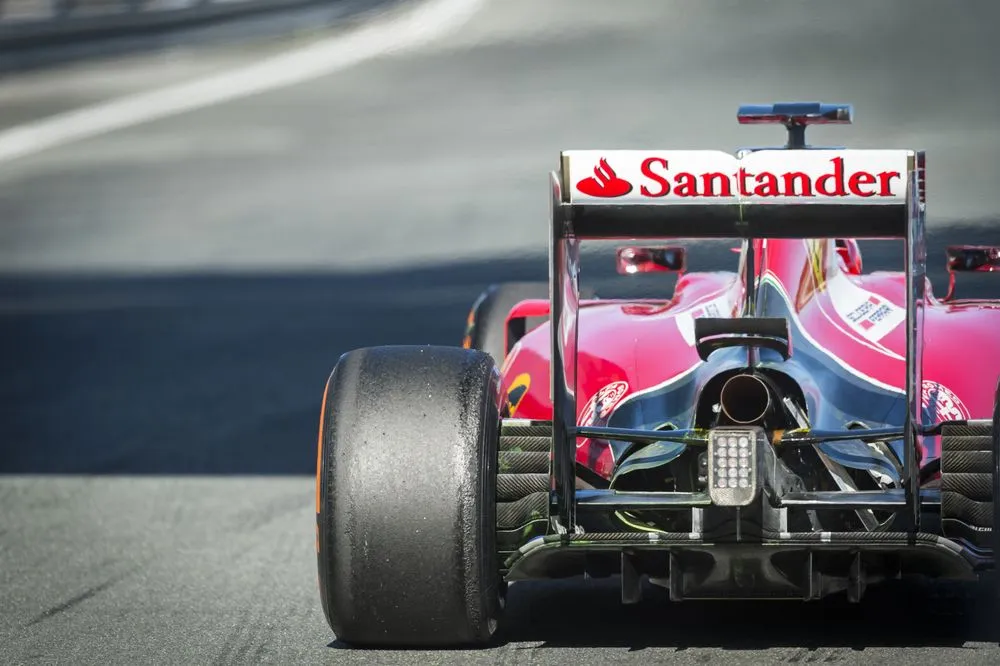
Traction is of primary importance for motorsports like Formula 1. Special purpose tires devoid of tread are manufactured from rubber compounds that impart more grip. The elimination of this tread results in a larger area of contact, thus improving traction. One drawback of racing slicks is that they cannot be used in wet conditions.
Wet Tires
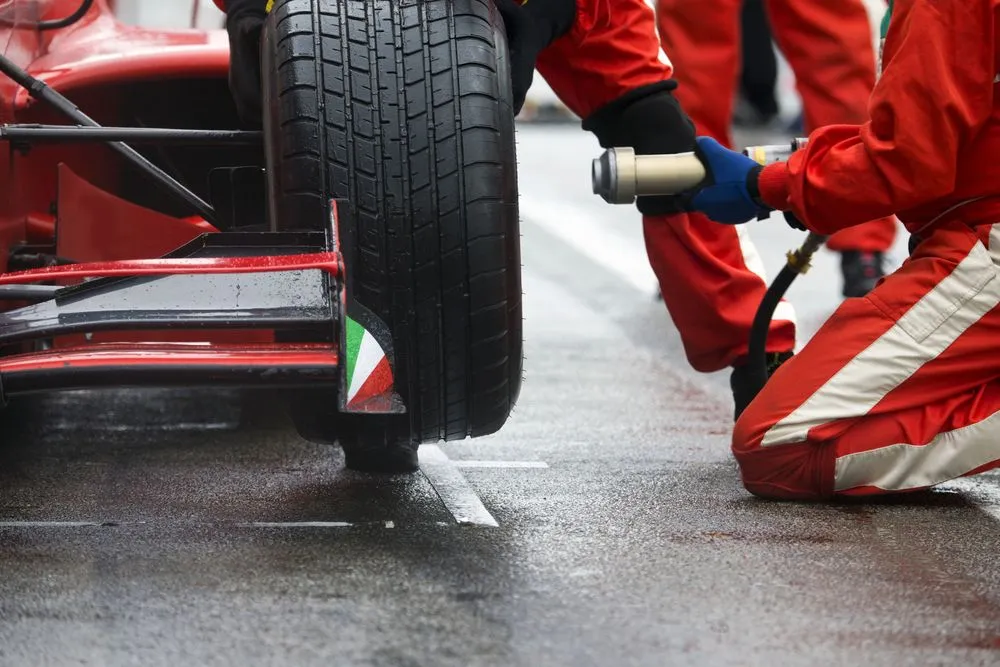
When racing in wet conditions, a balance must be struck between grip and water displacement. Thus, wider tires with tread are used to compensate for the loss of grip, while effectively channeling water outwards from under the wheels.
Winter Tires
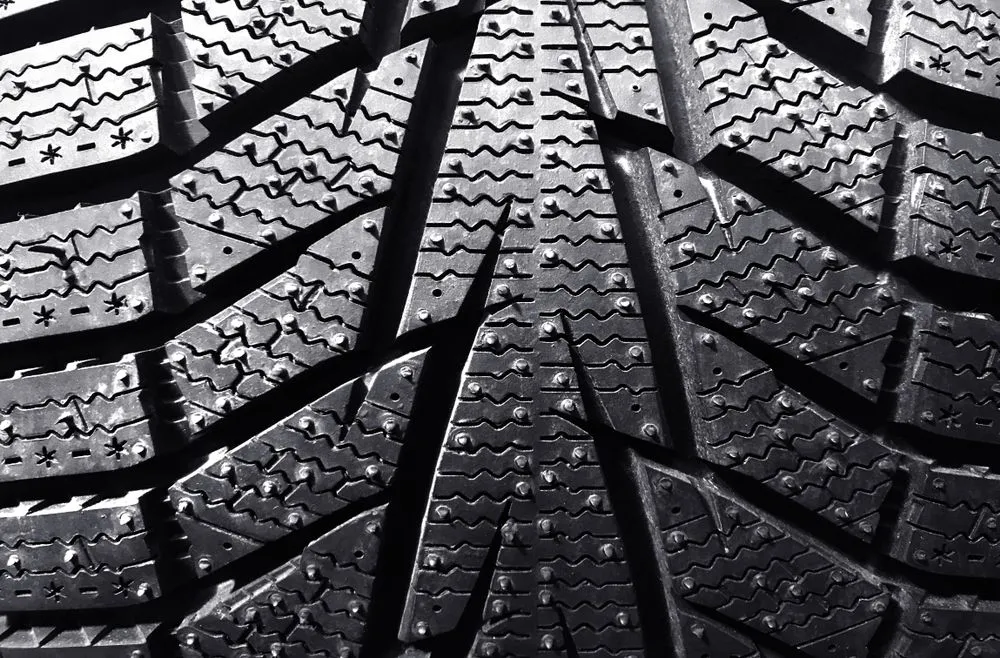
These tires are different from regular tires in that they have a deeper and wider tread. These are primarily used in snowy conditions. Some tires also incorporate steel studs and winter chains to more safely maneuver through snow.
When Should Tires Be Replaced?
While there is no single correct answer to this question, factors like driving skills, wheel alignment, road conditions, periodic tire inspection and care will all have a significant impact on tire life. Manufacturers often rate the life of their tyres in a range of 40,000 km to 60,000 km (roughly 25,000 to 37,000 mi). Modern tires are also equipped with rubber markers called tread wear indicators between the treads. As a tire wears out, these markers sit flush with the remaining tread, indicating the need for replacement.
However, tire repair and replacement is dictated by far more comprehensive terms. There are certain precautions that we, as drivers, should take:
- Tyres should be inspected for tread wear. The legal minimum is 1.6 mm (2/32 in) across the central three-quarters of the tread in the US, UK, EU and Australia, though many safety experts suggest replacing tyres at around 3 mm for better wet braking.
- A thorough inspection should be part of a tire’s routine maintenance after 5 years.
- After 10 years, tires should be changed, regardless of usage, as the rubber compound will begin to deteriorate.
- Tires with damaged sidewalls should be immediately replaced.
Innovation In Tire Technology
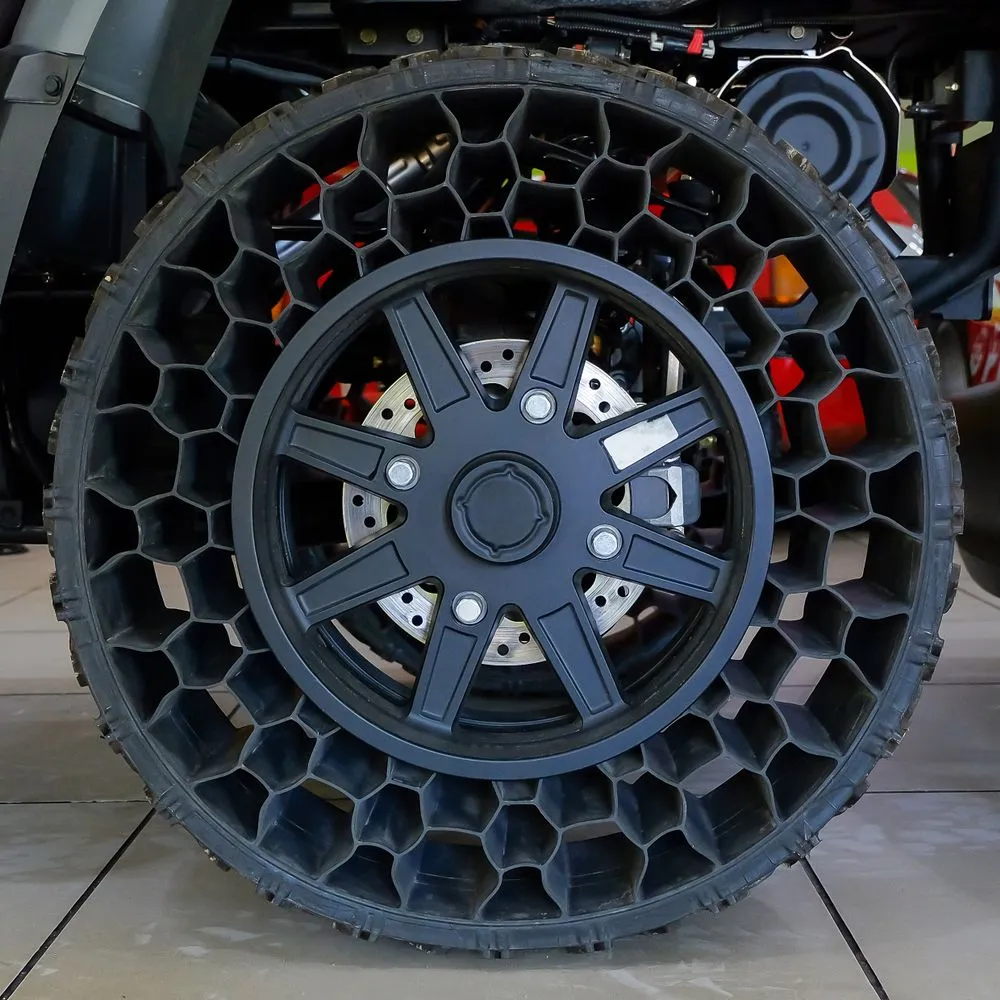
Recent advancements in tire technology have led to the development of airless tires, which feature a visible cross-section. This cross-section can either be in a honeycomb or ribbed pattern that is flexible to emulate the behavior of air. The benefit of such a tire is that it is puncture-proof!
Airless tyres are still maturing. Michelin's Uptis ("Unique Puncture-Proof Tyre System") has been road-tested on a fleet of Chevrolet Bolt electric cars since 2021, but as of 2026 such tyres remain in limited trials rather than mainstream production, so it will likely be a few more years before you can buy them for an everyday car.
References (click to expand)
- Tire. Encyclopaedia Britannica
- John Boyd Dunlop. Encyclopaedia Britannica
- Dunlop's pneumatic tyre. German Patent and Trade Mark Office (DPMA)
- Tire code. Wikipedia
- Tire Load Rating & Speed Rating Explained. Michelin
- Tire Date Code: Reading a Tire's Manufacture Date. Goodyear
- Uniform Tire Quality Grading. Wikipedia
- What Are Run-Flat Tires? Bridgestone
- MICHELIN Uptis. michelinmedia.com