Table of Contents (click to expand)
Biomimicry (or biomimetics) is the practice of designing products, processes, and systems by copying strategies found in nature. The term was popularized by biologist Janine Benyus in 1997. Classic examples include Velcro (modeled on burrs), the Shinkansen bullet train's nose (a kingfisher's beak), and the Eastgate Centre in Zimbabwe (termite mounds).
As the most industrious life form ever to walk the Earth, humankind has always been inspired by the best engineering already happening around us in nature, and we borrow from it constantly to design better tools, better buildings, and better materials. This is not a new idea, either.
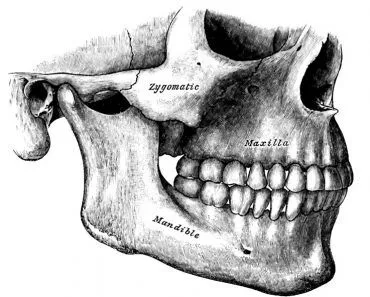
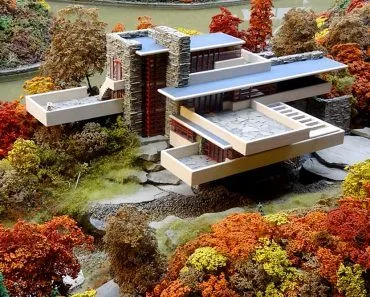
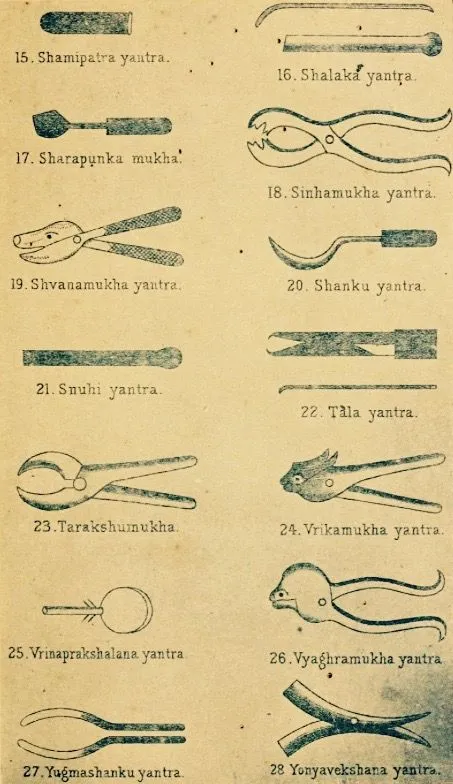
The Roman polymath Vitruvius, writing in the 1st century BCE, urged architects to study the proportions of the human body when designing buildings. Around the same era, the ancient Indian surgical text Sushruta Samhita describes surgical instruments shaped after the jaws and beaks of various animals, one of the earliest documented cases of looking to nature for engineering inspiration.
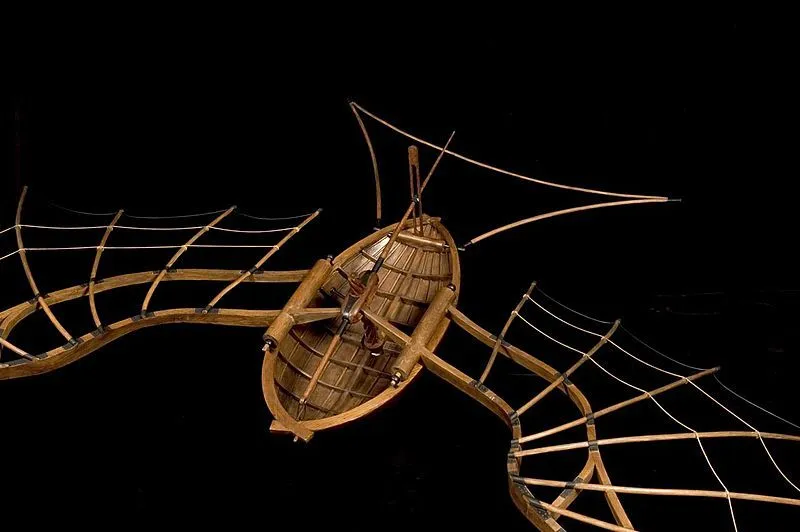
In yet another example, Leonardo da Vinci, the Renaissance polymath, sketched detailed designs for a flying machine in the 1480s and 1490s. His ornithopter and gliders, including the so-called macchina volante, were never built in his lifetime, but they featured bird-like wings and a tail that were mechanized to flap and turn to help steer the craft. Da Vinci’s study of bird flight, compiled in his Codex on the Flight of Birds around 1505, is widely regarded as the first systematic European study of bio-inspired aviation.
This design philosophy of harnessing functional ideas from natural elements is what we call biomimicry or biomimetics (the two terms are used interchangeably, though some practitioners reserve biomimicry for the broader, sustainability-focused approach popularized by biologist Janine Benyus in her 1997 book Biomimicry: Innovation Inspired by Nature). While today’s applications might not be as dramatic as humans flying with prosthetic wings, contemporary architects, materials scientists, and product designers routinely turn to nature to build things that are not just beautiful, but sustainably functional.
Why Model Something After Nature?
Life has existed on Earth for over 3 billion years, evolving to not only survive, but also thrive in changing conditions. In this scheme of evolution, solutions to many problems that humans grapple with every day already exist. Another salient feature of these solutions is that they’re sustainable in nature, unlike anything humans have ever designed.
Here are a few examples for your consideration:
- Trees are able to pull water from their deepest roots to their highest leaves without the aid of mechanical pumps. The Hyperion redwood, for reference, is the tallest tree in the world at approximately 380 feet or 35 stories.
- Oceans and trees absorb carbon dioxide to not only provide fresh oxygen to humans, but also utilize the absorbed carbon for cellular construction.
- Spider silk, the protein fiber that spiders use to spin their webs, has a tensile strength comparable to that of high-grade steel by weight (and is up to 5 times stronger than steel for the same mass), while also being fully biodegradable.
- Camouflage, particularly useful during wartime, is a distinctive feature of chameleons, who can change their skin color to blend into their surroundings.
- Aquaporins are hourglass-shaped membrane proteins (not just “holes”) that form selective water channels in red blood cells and many other cell types. They transport water across cell membranes orders of magnitude faster than simple osmosis through the lipid bilayer, and their discovery earned Peter Agre the 2003 Nobel Prize in Chemistry. They have since inspired ultra-efficient desalination membranes.
Levels Of Biomimetics
Depending on the degree of emulation of the life processes of other organisms, biomimetics can be classified into three levels of design: product, process and policy.
1. Organism-level Biomimetics
This refers to the mere replication of the form of an organism to inspire product design. The ubiquitous Velcro adhesive is a classic example of biomimetics at an organism level.
The inventor of Velcro, George de Mestral, was intrigued by the microscopic structure of burrs that stuck to the fur of his dog. Their outer surface features many projections that have tiny hooks in them. When the dog brushed by a plant, these hooks would cling on to its hairs and be carried away, along with being very difficult to remove.
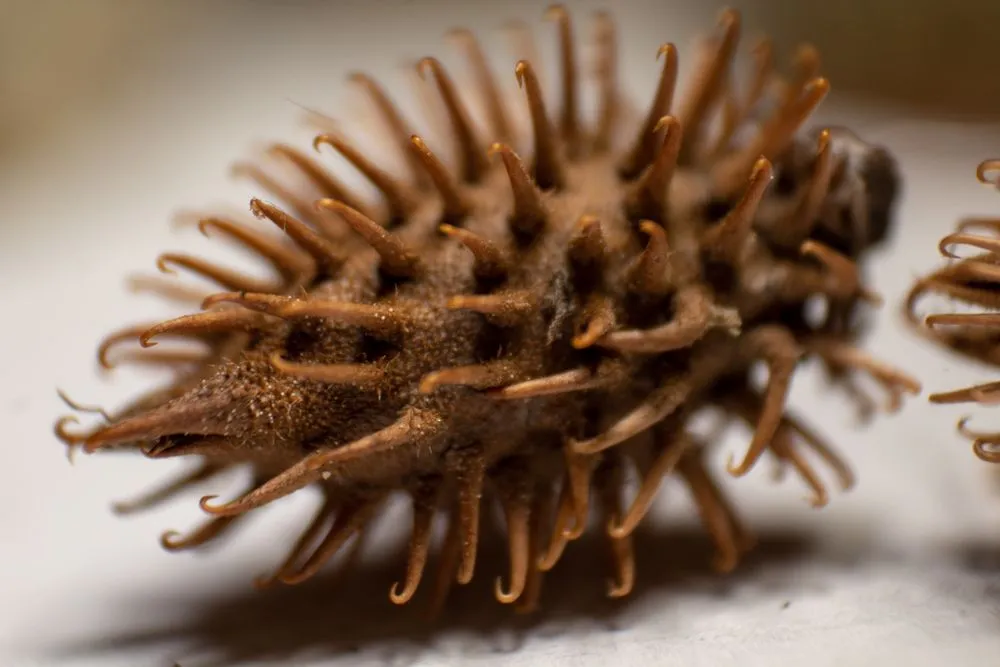
Velcro works on a similar system, containing a ‘hook’ surface and a ‘loop’ surface. When these two surfaces are brought in contact by the application of pressure, the hooks engage with the loops, resulting in a sturdy physical bond.
It is also easy to disengage a piece of Velcro; all one must do is pull the two surfaces apart.
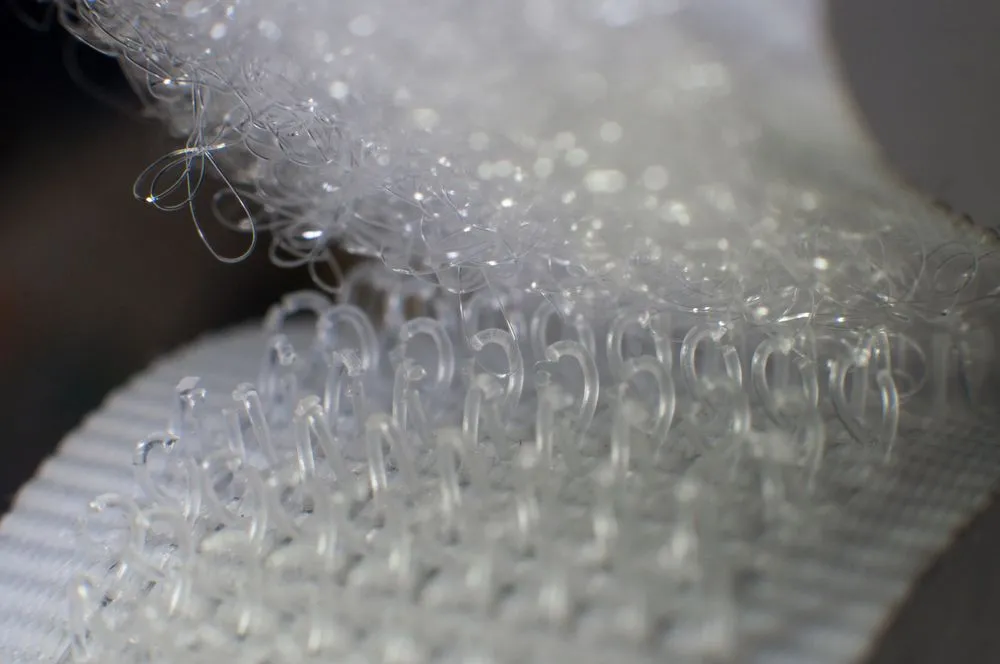
Velcro is a very versatile form of fastening, as it can be deployed on a variety of surfaces in various configurations. An added benefit of Velcro is that, unlike adhesives, it is reusable. Velcro has a range of diverse applications, including earthquake-resistant fittings for home appliances and furniture.
2. Behavioral-level Biomimetics
In behavioral biomimetics, designers aim to replicate the behavior of an organism when it comes in contact with other elements. This is best explained by lotuses that bloom in marshes and remain fresh, despite their surroundings.
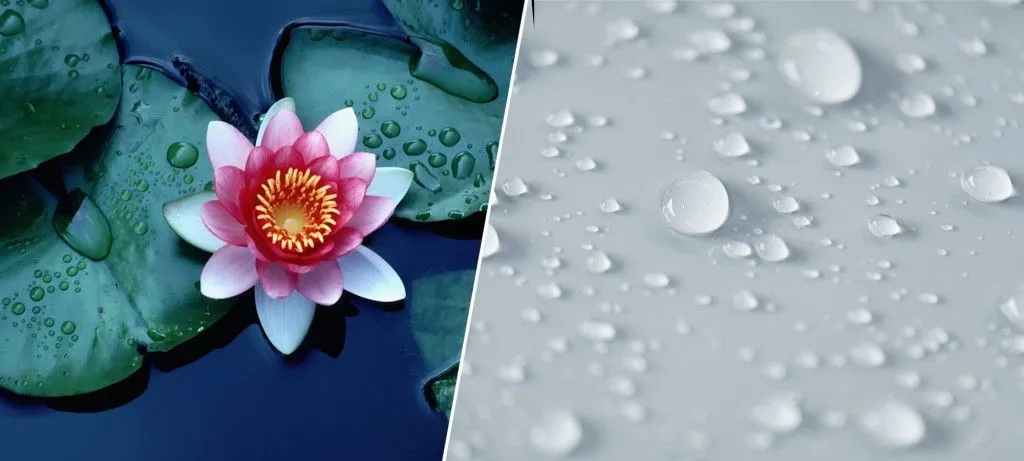
The petals and leaves of a lotus are ultra-hydrophobic, meaning that they exhibit extreme water and dirt repellence, commonly known as self-cleaning properties. This has inspired many products, such as self-cleaning paints, stain-repellent coatings for fabric, and water-repellent coatings for automotive paint.
3. Ecosystem-level Biomimetics
When systems are modeled to be a part of the natural ecosystem, rather than to derive partially from it, the highest level of biomimetics is attained. All the elements of a biomimetic ecosystem are interconnected and interdependent.
An important example of ecosystem-level biomimetics is the Eastgate Centre in Zimbabwe, which is modeled on termite mounds. Termite mounds are designed to maintain stable temperatures inside, regardless of fluctuations in outside temperatures.
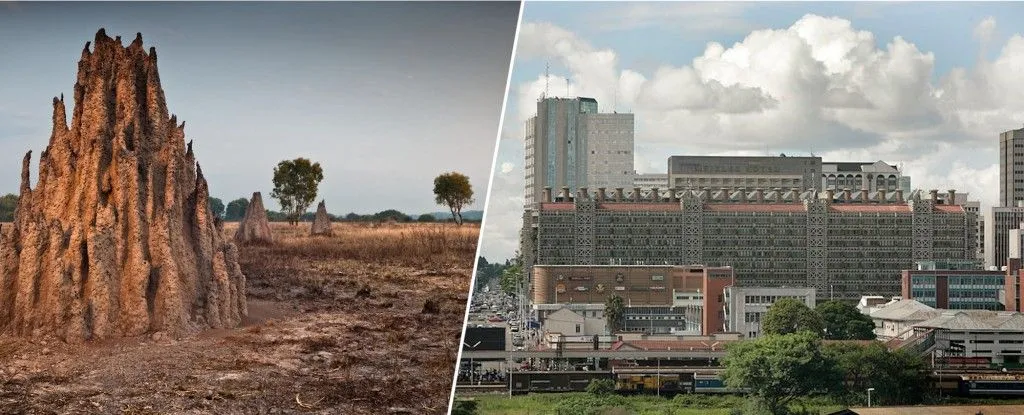
Termite mounds have a series of thin ‘chimneys’ that absorb heat in the daytime, while keeping the inside reasonably cool. At night, the hot air, owing to its low density, makes its way out of these chimneys. At the bottom of the mound are open vents, which allow cool air to enter inside.
In a similar fashion, the use of porous concrete and fan-assisted chimneys enabled architects to exclude conventional air conditioning systems in the Eastgate Centre, yet maintain habitable temperatures in the otherwise semi-arid Zimbabwe.
More Examples Of Biomimetics
Even though the most sustainable form of biomimetics is on the level of the ecosystem, it’s not always possible to execute it. Even product- and process-level biomimetics results in innovative products. Here are a few other illustrations of biomimetics in our world.
1. Kingfishers And The Bullet Train
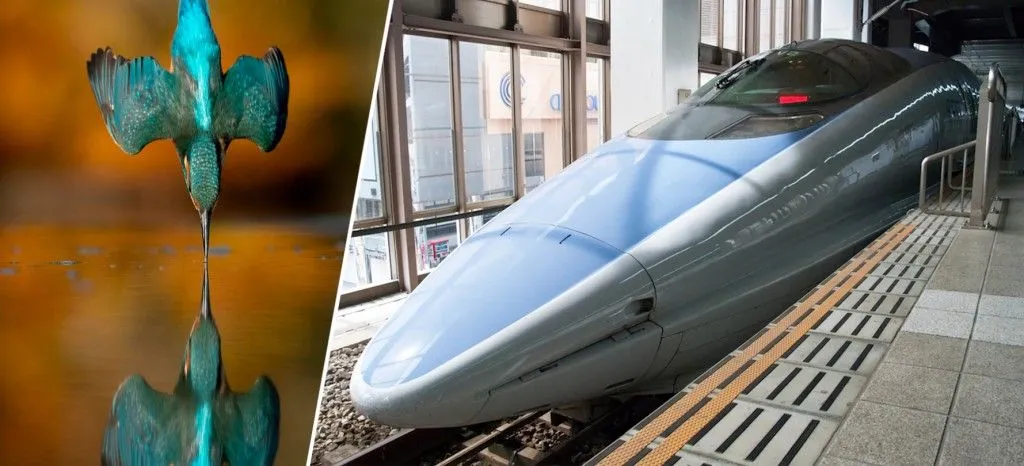
Bullet trains are synonymous with high-speed travel and run only in dedicated corridors. When passing through tunnels, the bullet-like nose causes a buildup of low-frequency waves of air, which can create destructive sonic booms in its wake. This problem has been solved by making the nose of the bullet train akin to a kingfisher’s beak, which allows the bird to dive into water without causing a splash.
2. Solar Panels And The Spiraling Phyllotaxy Arrangement
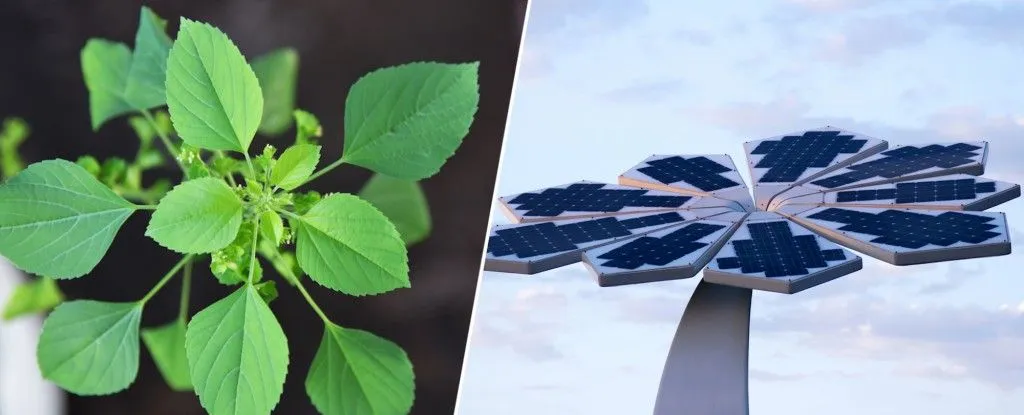
Phyllotaxy refers to the arrangement of leaves on a plant stem so that each leaf catches the maximum possible sunlight while shading its neighbors as little as possible. The light-harvesting antenna complexes in the plant’s chlorophyll then absorb the captured photons with extremely high quantum efficiency (often quoted as well over 90%), even though the overall solar-to-biomass efficiency of photosynthesis is much lower (around 3–6% in practice).
When photovoltaic cells (the building blocks of solar panels) are arranged in a phyllotaxy-inspired spiral, they can pack into a smaller footprint and capture more light over the course of a day than a flat panel of the same area. The widely cited 2011 New York high-school project by Aidan Dwyer is the popular reference for this idea, although follow-up studies suggest the real-world gain depends heavily on latitude, season, and panel angle. So-called “solar trees” using this layout are now in trial deployments in several countries.
3. Color Without Pigment And Electronic Displays
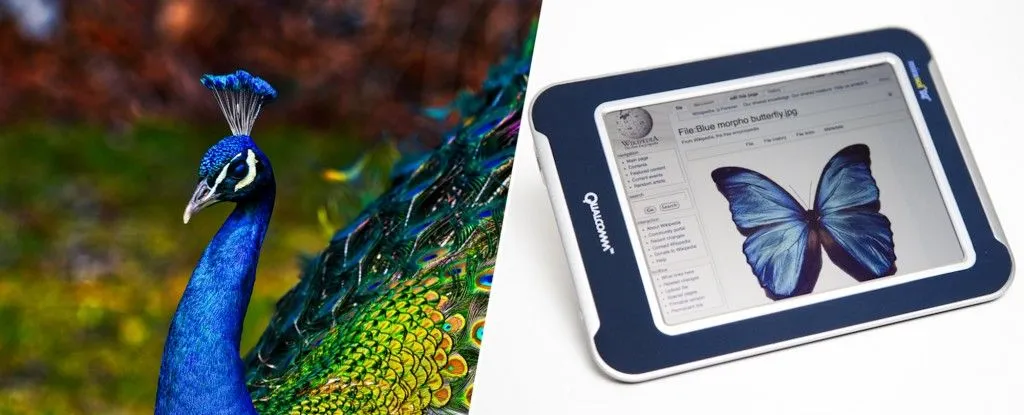
Morpho butterflies and peacocks are known for their beautiful and shimmering colors. However, this myriad of colors is not generated by pigments; rather, the selective reflection of incident light enables them to generate colors that do not exist in the first place. This has been leveraged by tech giant Qualcomm to develop more energy-efficient displays that generate colors by reflecting specific wavelengths from each pixel.
4. Anti-microbial Surfaces And Sharkskin
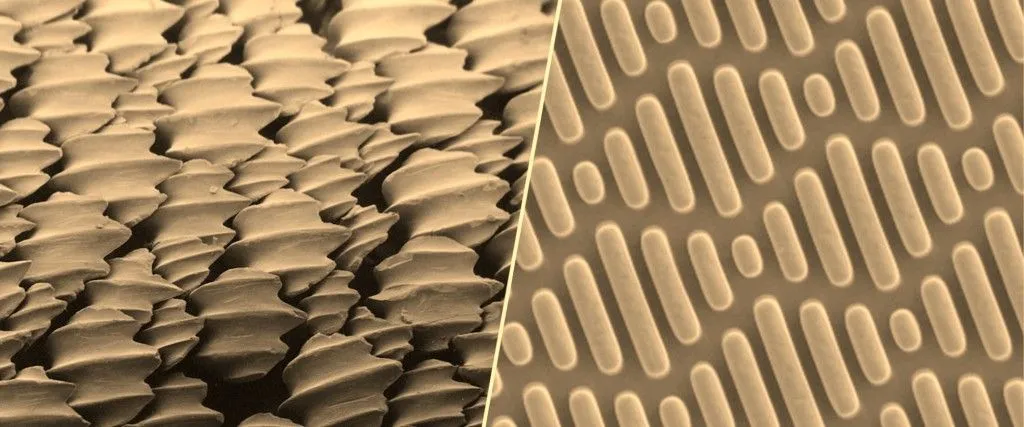
Rather than releasing chemicals to combat microbial growth on its surface, sharks have tiny denticles on their skin that prevent bio-fouling. Researchers at Sharklet Technologies have developed similar bacteria-resistant surfaces that can find widespread application in hospitals that currently rely on physical and chemical decontamination methods.
5. Wind Turbines And Humpback Whales
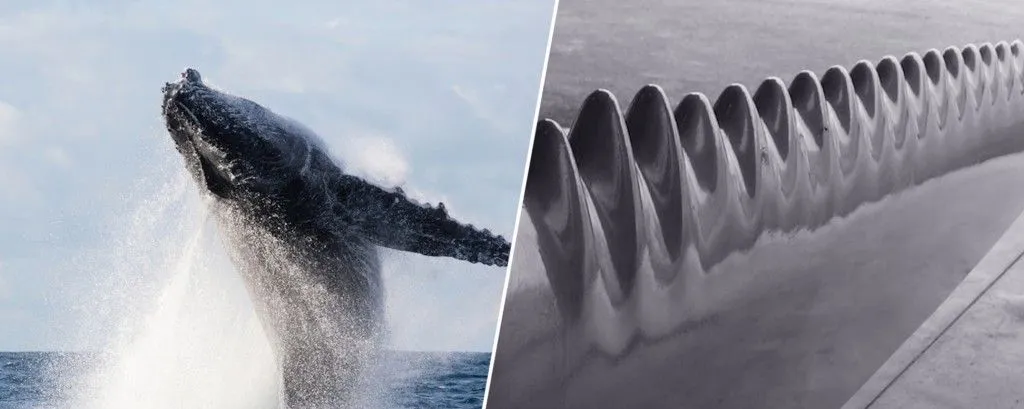
The edges of the flippers of a humpback whale have tubercles that help reduce drag. This has influenced the blade design of wind-powered turbines to reduce air drag and move faster, thereby generating more electricity.
References (click to expand)
- Biomimetics. Wikipedia.
- What is Biomimicry? The Biomimicry Institute (Janine Benyus).
- AskNature. Biomimicry Institute database of biological strategies.
- Vincent, J. F. V. et al. (2006). Biomimetics: its practice and theory. Journal of the Royal Society Interface.
- Singh, V. (2017). Sushruta: The father of surgery. National Journal of Maxillofacial Surgery.
- Design and Fabrication of Solar Tree. International Journal of Latest Engineering Research and Applications.