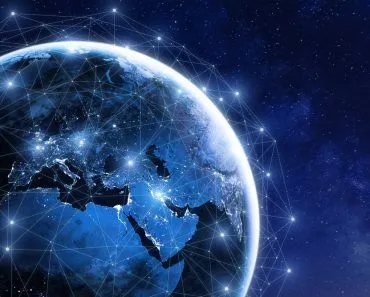
Satellite phones never became the norm because calls cost roughly $0.15 to $2 per minute, the handsets run over $1,000, they are bulky, and they need an open view of the sky. Geostationary systems also add a noticeable voice lag. Ironically, satellite calling is now going mainstream anyway: ordinary smartphones can already text via satellite through services like Apple Emergency SOS and T-Mobile Starlink.
You may have seen in movies that when people are in remote locations and want to contact someone (for help, for seeking/providing information etc.), they pluck their ‘sat phones’ from their gear and contact whoever they want. These sat-phones are quite commonly used during military and search and rescue operations in geographically ‘difficult’ places.
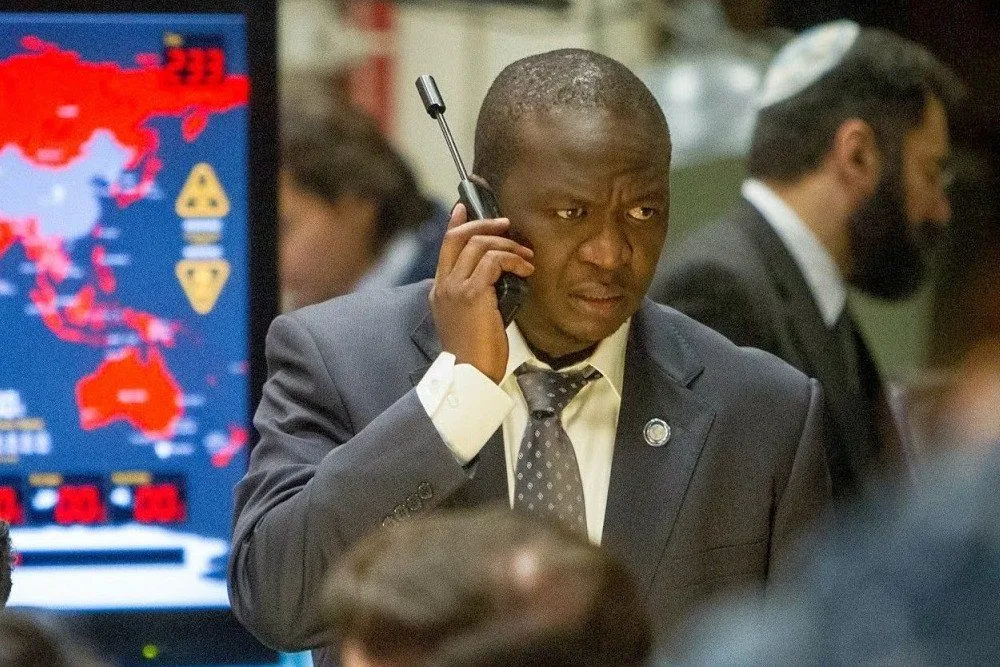
The reason they are used in such critical situations is pretty simple: they are known for providing near-universal coverage, i.e., they can connect you to the other side of the planet in seconds, regardless of whether you are riding in an armored vehicle, sailing in a ship somewhere in the Atlantic or even flying in a commercial jet thousands of feet off the ground.
While regular cell phones can also help you connect with someone sitting thousands of miles away, they are rendered useless in particularly remote locations (and are therefore not the devices of choice for crucial military operations).
The question is, if satellite phones are so good that they provide near universal coverage and can help you connect to someone on the other side of the globe in seconds, then why haven’t they become the norm? In other words, why don’t you see people toting satellite phones in their pockets instead of smartphones? Why aren’t satellite phones more popular?
In order to answer that, you need to understand a thing or two about satellite phones.
What Are Satellite Phones?
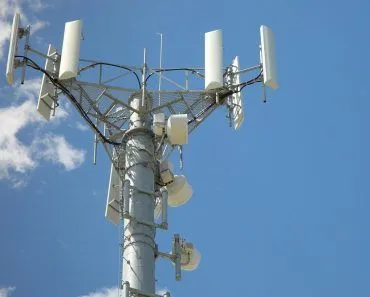
A satellite phone is a mobile phone that helps you communicate (through voice calls or short messages) by connecting to orbiting satellites instead of terrestrial cell phone towers (cell sites).
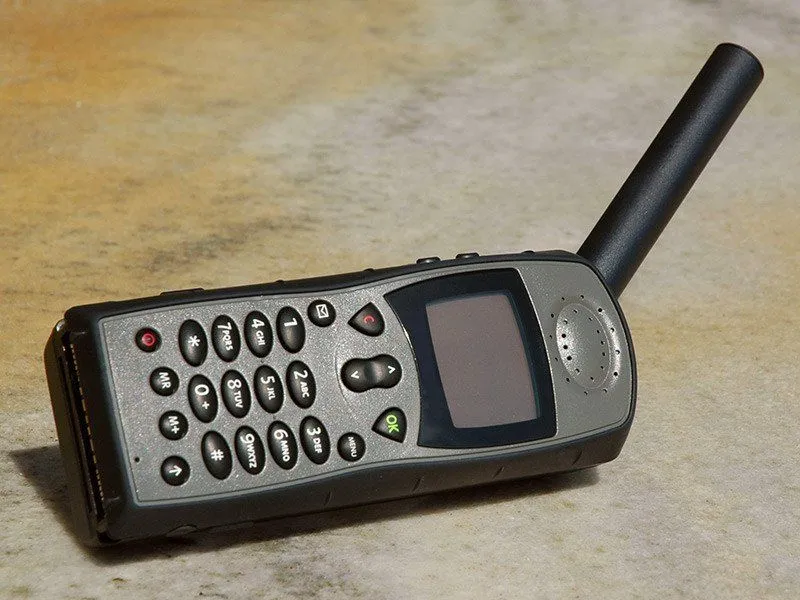
Commonly referred to as ‘sat phones’, these phones are generally bigger and bulkier than regular cell phones (although modern sat phones are more similar to cell phones in terms of their size), and almost always come with a long, retractable antenna. Unlike cell phones, the coverage of a satellite phone (it may include specific regions or the entire planet) depends on the architecture of the particular system on which it runs.
As mentioned earlier, sat phones are built to work outdoors in places where your regular cell phone may not be useful. They’re able to do this (but cell phones cannot) because they send and receive radio signals from satellites that orbit high above the Earth’s surface, unlike cell phones, which communicate with mobile ‘network towers’ that are built on the ground. That’s why sat phones are quite popular on expeditions to remote areas and hinterlands where terrestrial cellular service is either ineffective or unavailable. However, note that sat phones’ coverage may include the entire planet or only specific regions, depending on the architecture of the relevant system.
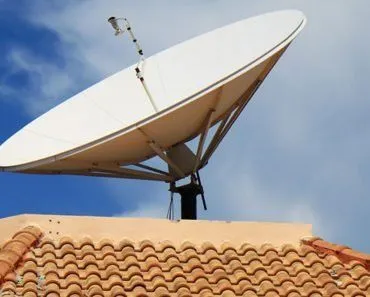
Not every sat phone talks to the same kind of satellite, and this matters a lot. The two most popular consumer networks, Iridium and Globalstar, use satellites in low Earth orbit (LEO), roughly 780 km (485 mi) and 1,400 km (870 mi) up. Others, such as Inmarsat and Thuraya, rely on geostationary (GEO) satellites parked about 35,786 km (22,236 mi) above the equator. As we’ll see, that difference in altitude largely decides how much lag you hear on a call and how far toward the poles your phone will work.

Why Are Sat Phones Not As Popular Among The General Public?
If satellite phones are so good at what they do, it only makes sense that they should have become the norm of modern wireless communication, but that hasn’t happened. Why?
There are a couple reasons behind this…
Time Delay (Lag)
One of the most prominent reasons is a significant time delay on systems that lean on geostationary satellites, which sit about 35,786 km (22,236 mi) above Earth’s surface. Even at the speed of light, a signal’s round trip up to that altitude and back takes roughly a quarter of a second, so you hear a noticeable lag while talking to someone on the other end. (LEO networks like Iridium and Globalstar orbit far closer, so their lag is much smaller, but their handsets and airtime carry the other trade-offs described below.)

This time lag is tolerable for certain users in certain situations, but not for regular cell phone users who are used to telephonic conversations, which have minimal to virtually no lag.
Calling Cost
These satellites are incredibly expensive to build, launch and sustain in orbit. Therefore, the limited bandwidth that they offer is obviously quite costly. The cost of making voice calls from a satellite phone to cell phones and landlines varies from around $0.15 to $2 per minute, and most networks pair that with a monthly base charge of roughly $45 to $75 just to keep the line active. On the other hand, connecting a call from a landline to a sat phone is even more expensive (Source). This, again, is not economically desirable for a standard cell phone user.
 Cost of a satellite phone
Not just their calling costs, but satellite phones themselves are quite pricy. A current handset such as the Iridium Extreme or Inmarsat IsatPhone 2 runs well over $1,000 (USD), far more than most regular cell phones. Also, a lot of satellite phones are bulky (at least, bulkier than the sleek and slim smartphones we use today), which is a concern for many users.
Interference Problems
The quality of voice communication over satellite phones sometimes takes a hit because geostationary satellites have a limitation of use in terms of latitude, generally 70 degrees north of the equator to 70 degrees south of the equator. Near and beyond those latitudes the satellite sits low on the horizon, so the signal weakens and is more easily blocked or muddied by interference from sources operating in the same frequency bands. (LEO networks like Iridium sidestep this by reaching all the way to the poles.)
Problems With Unobstructed Line Of Sight
You can use a cell phone from within your house, but in order to have good reception on a satellite phone, it’s not uncommon for users to step out in order to stand under the open sky, so that the line of sight between the terminal and the satellite is unobstructed. Although this might not be a deal breaker for many people, for the majority of cell phone users, it just is.
Furthermore, there are many countries that do not allow the use of satellite phones among the general public. So, there’s a political angle as well.
Is This Changing? Your Phone Can Already Talk To Satellites
Here’s the twist. A dedicated satellite phone may never become the norm, but satellite calling itself is quietly going mainstream, because the smartphone in your pocket is learning to do the job. Instead of asking people to buy a separate, bulky handset, the industry is now beaming signals straight to ordinary phones from satellites overhead. This is called “direct-to-cell.”
Apple kicked things off in 2022 with Emergency SOS via satellite on the iPhone 14. Newer iPhones can now also send regular Messages via satellite, get roadside help, and share their location, all through Globalstar’s low-orbit fleet, with the service available in around 120 countries. You hold the phone up toward the open sky, and a short text finds its way out even with zero cell bars.
Carriers have gone further. T-Mobile and SpaceX launched T-Satellite (powered by more than 650 Starlink Direct to Cell satellites) commercially in July 2025. It lets an everyday phone send texts, and increasingly data from select apps, in dead zones, with no special hardware and roughly $10 per month as an add-on for users on other networks. AST SpaceMobile is building a rival constellation with AT&T and Verizon, aiming to deliver normal broadband and voice to standard phones.
The catch is that these services start with texting and emergency use, not full voice calls, and you still need a clear view of the sky. But they neatly explain why the standalone sat phone stayed niche: rather than convincing everyone to carry a second device, satellite connectivity is simply being folded into the phones we already own.
In a nutshell, satellite phones are undoubtedly very useful and effective, especially in times of need, but as of now, they’re simply not ‘loaded’ enough to beat modern cell phones. Thus, they are simply not as popular, and the future of satellite communication for everyday users looks less like a bulky sat phone and more like the smartphone already in your hand.
References (click to expand)
- (2005) A CASE STUDY OF THE SATELLITE PHONE INDUSTRY. The University of Baltimore
- Satellite phone. Wikipedia
- QUALCOMM GlobalstarGSP-1700 PhoneUser Manual - common.globalstar.com
- Satellite Phone, Iridium | National Air and Space Museum. National Air and Space Museum of the Smithsonian Institution
- Satellite Phone for Field Use | Sul Ross State University - www.sulross.edu
- (2004) The Impacts of Satellite Phone Technology on a North .... North Carolina State University
- Emergency SOS via satellite made possible by $450M Apple investment. Apple Newsroom
- Use Emergency SOS via satellite on your iPhone. Apple Support
- Direct to Cell. Starlink (SpaceX)