Modern land animals are smaller than dinosaurs because mammals are anatomically capped. Sauropods like Patagotitan reached 70+ tons by laying eggs (no birth-canal limit), and by carrying bird-style air sacs and hollow, pneumatized bones that distributed weight efficiently—a combination of traits no large mammal possesses.
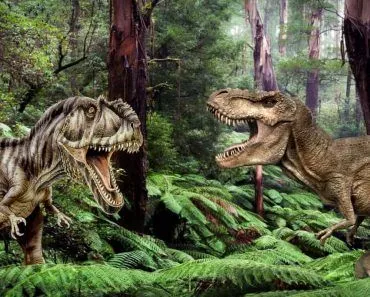
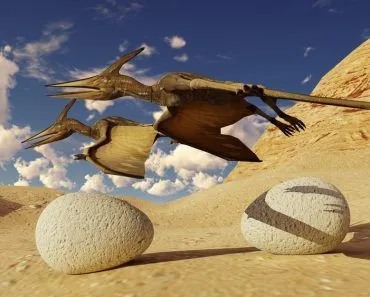
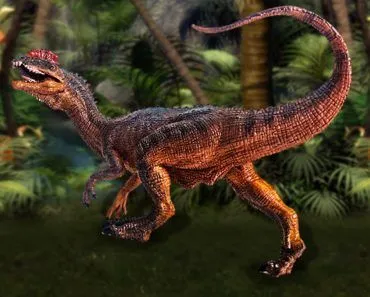
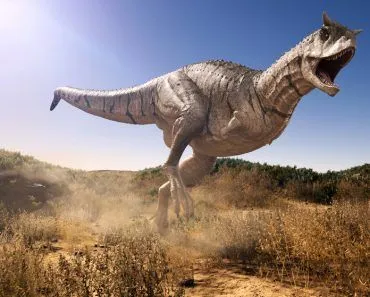
If you’ve been to the box office in the past few years, you probably noticed that Jurassic Park has made a major comeback with its new reboot. Capturing the imagination of an entirely new generation of fans, the awe-inspiring creatures from the prehistory of our planet are once more alive on the big screen. While the Jurassic Park movies are fictional, many of the majestic (and often terrifying) dinosaurs included in those films are inspired by real creatures that lived tens of millions of years ago.
It may be difficult to imagine, but there were dinosaurs roaming the Earth that stood as tall as a six-story building, and the largest titanosaurs—Patagotitan and Argentinosaurus—are now estimated at 65 to 80 tonnes. Compare that to the largest land animal today, the African bush elephant: the biggest well-documented bull (shot in Angola in 1974) was about 13 feet tall at the shoulder and weighed roughly 10.4 tonnes—the typical adult is half that. Even the longest snakes today, reticulated pythons, stretch to only about 20–23 feet!
Given the incredible diversity of animals we have on the planet today, why are such massive animals no longer seen on Earth?
Ancient Earth – The Mesozoic Era
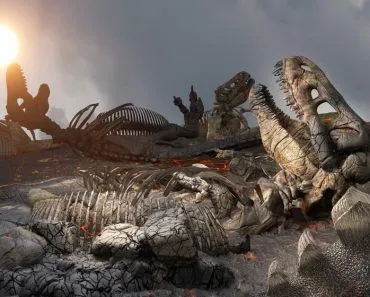
Around 252 million years ago, the Mesozoic Era began, lasting roughly 186 million years through the Triassic, Jurassic, and Cretaceous Periods, until the devastating end of the Cretaceous when a roughly 10-kilometre-wide asteroid—the Chicxulub impactor—slammed into the Yucatán Peninsula 66 million years ago. All the continents as we know them were combined in a supercontinent, called Pangea, so plants and animals were somewhat uniformly spread across the landmasses, without oceans to prevent their movement.
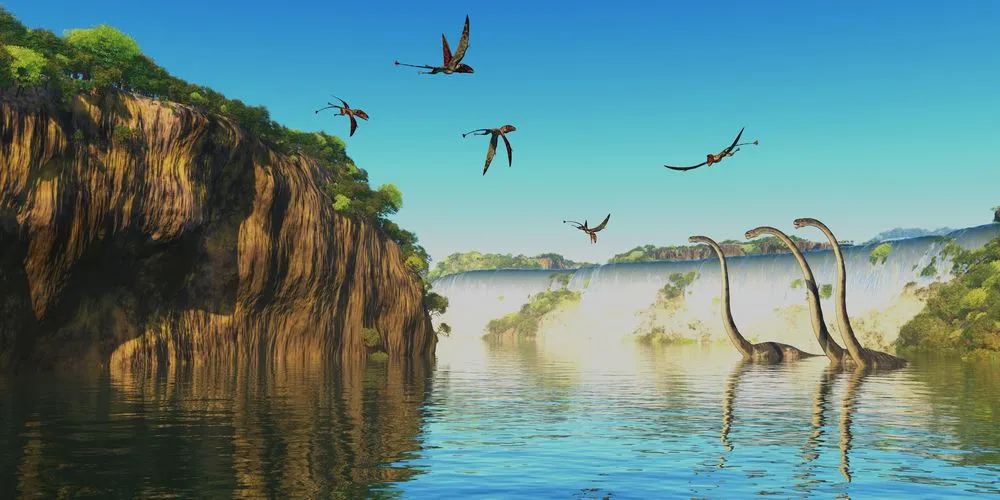
Much of the land was covered in deserts, and the climate was hot and dry, making it an ideal time for reptiles to rise. With a better ability to control their water loss than other mammals, thanks to their less porous skin, early dinosaurs had a major advantage. When Pangea split into two parts, marking the beginning of the Jurassic Period, the temperature began to fall slightly, although carbon dioxide levels in the air remained quite high. This drop in temperature and gradual shifting of the continental land masses resulted in vegetation flourishing, and plant species like ferns soon dominated the landscape.
The final phase of the Mesozoic Era was the Cretaceous Period, where the separation of continents had led to extreme diversity in dinosaur development and speciation, while more stable and complex ecosystems had allowed other small land creatures and mammals to develop, from snakes and rodents to tree-dwelling beasts and pollinating insects, which led to the eventual domination of angiosperms (flowering plants). Over the course of those 200 million years, dinosaurs ruled the Earth, and much of that was because the ecosystem, climate and their own physiology made it ideal for them to grow incredibly large, reproduce rapidly, and never run out of food to eat.
Hypotheses About Dinosaur Size Dominance
Throughout history, a number of different hypotheses have been presented for the incredible size of the dinosaurs, in comparison to the size of land animals today. One that was popularized for decades was the lack of an extinction event for such a long period of time when the dinosaurs ruled. It argued that animals would grow larger as they continued to evolve, but extinction events essentially “wiped the board clean”. Small creatures would once again have to start over in their evolutionary process from a diminutive size.
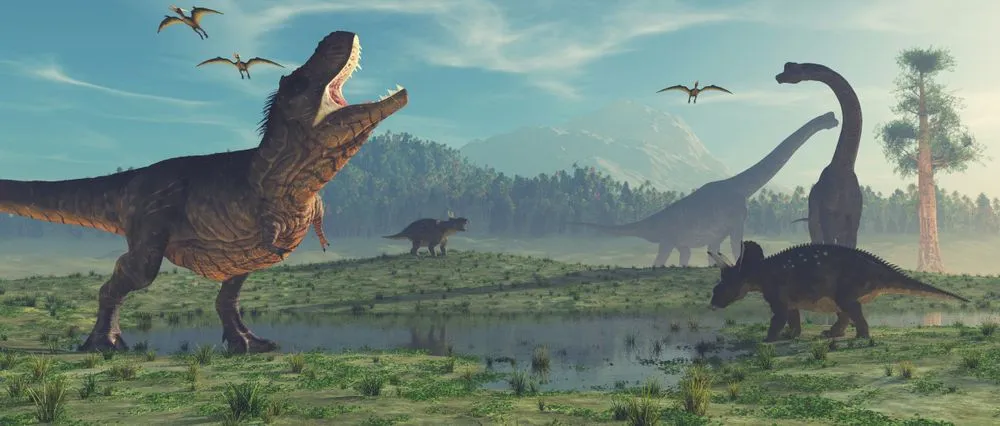
This theory has largely fallen from favor, however, as the fossil record has shown that dinosaurs indeed fluctuated over the course of those millions of years, rather than increasing in size in a linear trajectory.
Another popular theory is based on what the previous section describes, namely that the climate and ecosystems of the world were very different at the time of the dinosaurs. At times throughout the Mesozoic Era, carbon dioxide levels may have reached 3-5 times the levels of today, resulting in a massive overgrowth of plants and foliage. As plant life exploded around the planet, oxygen levels would have also soared (thanks to photosynthesis, of which oxygen is a byproduct). With such abundant food in so many parts of the world, and very few natural predators, the theory is that there was no inherent limit to how large these creatures could grow.
In the world today, with millions of different species, interconnected and complex ecosystems, and the dynamic impact of human beings on the planet, it would simply be impossible for massive creatures to survive, let alone thrive.
However, this second theory has also been thoroughly debunked by the geological and fossil records. As it turns out, the oxygen levels at the time of the dinosaurs were actually very similar to those of today, and lower than they were during the Carboniferous period (about 300 million years ago), when giant bugs took to the skies thanks to an abundance of atmospheric oxygen.
How Did Dinosaurs Grow So Large?
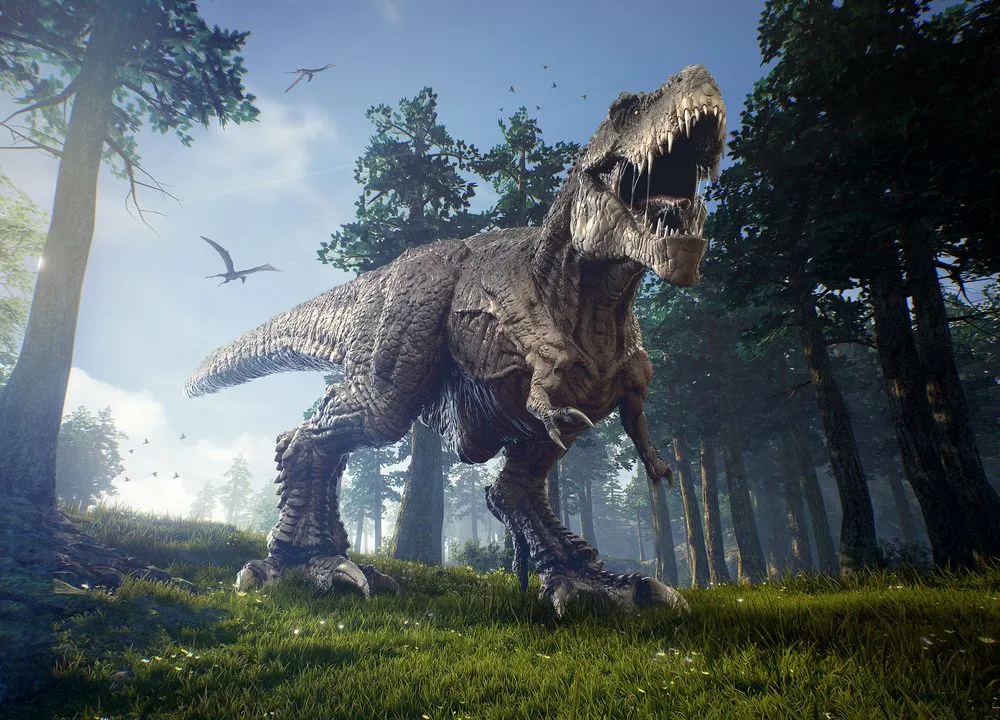
Most paleontologists and experts have now rallied around a far more credible theory: the evolution of dinosaur physiology allowed them to grow to such massive sizes. More specifically, their mode of reproduction (eggs, rather than live births) and their respiratory system set them apart from the large mammals we know today. And here’s a key point that sometimes gets reversed: modern birds are dinosaurs—the only surviving theropod lineage—so the “avian” traits we’re about to discuss were dinosaur traits first.
When we consider large mammals today, such as elephants, giraffes, bears or buffalo, these creatures have long gestation periods that require an immense expenditure of resources. Also, mothers are required to carry (typically) a single embryo for long periods of time, limiting their mobility and increasing their vulnerability to predators. When they finally give birth, they often care for and watch over their young, some for years, and may not become pregnant for another year or more. The fundamental limiting factor of a live birth, the size of the birth canal, also keeps mammals from growing to fantastical sizes.
Dinosaurs laid eggs, however, which externalized the entire process of reproduction and growth, and also allowed for many more “chances” for survival. A typical dinosaur may have laid 6-10 eggs at a time, and could do this more often, resulting in sporadic bursts of baby dinosaurs into an ideal ecosystem for their growth. With abundant plant life everywhere, it is believed that dinosaurs grew at tremendously fast rates, and were often on their own from birth, freeing up their mothers to continue feeding, hunting and reproducing, without contributing resources and energy to her offspring.
The second avian-style trait is perhaps the most interesting explanation for their massive size. Gravity puts a strict ceiling on large mammals; basically, beyond a certain size their own weight starts to crush their soft tissues and stress their bones. A blue whale, which can weigh up to 200 tonnes, would be flattened by its own organs if it stranded on land without water’s buoyancy to support it. The same physics would have constrained the largest sauropod dinosaurs, whose best modern weight estimates top out around 70–80 tonnes (and possibly 100 tonnes for the upper bound of fragmentary specimens).
However, dinosaurs did not have the same respiratory system that mammals do. Instead, they had a system of air sacs, similar to birds, which allowed them to efficiently move and distribute oxygen throughout their bodies, while simultaneously infiltrating their bone structure. This hollowness of their bones decreased their weight significantly, allowing them to not only get the most out of the oxygen present in the atmosphere, but also preventing them from being crushed beneath their own massive size, since the weight was more widely distributed!
Were Dinosaurs Even the First Giants?
Here is something that tends to get lost in the dinosaur fan club: gigantic animals were stomping, crawling and flying around the planet long before the first dinosaur ever hatched. Roughly 300 million years ago, during the Carboniferous Period, the land belonged to arthropods of frankly nightmarish proportions. Meganeura, a dragonfly-like "griffinfly," had a wingspan of around 70 cm (28 in), close to the size of a hawk, while the millipede relative Arthropleura could stretch to about 2 m (6.5 ft) along the forest floor.

So why could a bug grow that big back then, when the largest insect today is a beetle you could cradle in your palm? The leading explanation is oxygen. Insects do not have lungs; they breathe passively, letting air seep into their tissues through a branching network of tiny tubes called tracheae. That system works beautifully at small sizes, but the bigger the body, the harder it becomes to push enough oxygen deep inside. Atmospheric models suggest oxygen during the Carboniferous and Permian climbed to roughly 27-35 kPa, compared with about 21 kPa today (very roughly 30-35% of the air by volume, versus 21% now). Richer air meant more oxygen could diffuse inward, lifting the ceiling on how large an air-breathing invertebrate could get.
It is worth a note of caution: the giant-insect fossils are relatively few, and most Carboniferous insects were ordinary-sized, so paleontologists treat the oxygen link as a strong correlation rather than a closed case. Either way, the lesson is clear. Being enormous was never a dinosaur monopoly, and different eras grew their giants for completely different reasons.
Did Any Mammal Ever Get as Big as a Dinosaur?
When the asteroid wiped out the non-avian dinosaurs 66 million years ago, it cleared the stage for mammals, and some of them seized the chance to get genuinely huge. The record-holder is Paraceratherium, a hornless relative of modern rhinos that lived around 30 million years ago. The best fossil estimates put it at roughly 4.8 m (15.7 ft) tall at the shoulder, about 7.4 m (24 ft) long, and somewhere between 17 and 20 tonnes. That makes it the largest land mammal known to have ever lived.

And yet, even this colossus tells the same story as the rest of the article. At around 20 tonnes, Paraceratherium was still only about a quarter of the mass of the biggest sauropods, which topped out near 70-80 tonnes. A live-bearing mammal with a conventional rib cage simply runs into the limits we have already met: the size of the birth canal and the crushing weight of its own soft tissue. Mammals can get big, but not dinosaur-big.
So why are even the large mammals gone now? The next great wave of giants was the Ice Age megafauna, like the woolly mammoth and dozens of other oversized mammals. Most of them vanished around 11,700 years ago, as the last Ice Age ended. Researchers now point to a combination of causes: a warming, stabilizing climate that erased the conditions big-bodied grazers depended on, compounded by hunting pressure as modern humans spread across the continents. In other words, the planet's most recent giants were not capped by physics. They were lost in a remarkably recent extinction.
A Final Word
Regardless of how cool it would be to have dinosaurs or other massive mammals once again roaming the Earth, it’s not in the cards, at least not for a few million years. There are a number of factors that prevent this titanic rise, including a lack of ecosystems and the systematic elimination of large mammals as a result of human activity and development. However, on the most fundamental level, such incredible growth is impossible because there are no large animals exhibiting these ancient avian traits. With the exception of massive marine animals, who are helped by the buoyancy of water, modern creatures simply have a natural limit to their size.
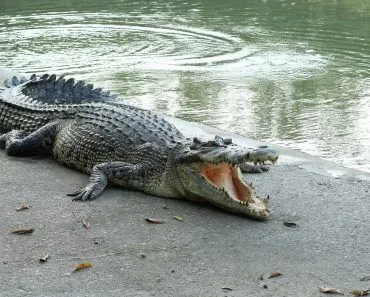
That being said, there are some creatures characterized by indeterminate growth, meaning that they will continue to grow slowly over their entire lifetime, which may be hundreds of years long! Creatures like sea turtles, crocodiles, sharks, mollusks, certain fish and other elusive creatures demonstrate this fascinating quality of immortality and slow growth, and researchers are still working to uncover their secrets!
References (click to expand)
- Why Were So Many Prehistoric Animals So Big?. HowStuffWorks
- Limits on Animal Size and Shape | Biology for Majors II. courses.lumenlearning.com
- 9 Extinct Megafauna That Are Out of This World - Treehugger. TreeHugger
- Dinosaur Reproduction, Not Ancient Gravity, Allowed Super .... National Geographic
- Wedel, M. J. (2003, June). Vertebral pneumaticity, air sacs, and the physiology of sauropod dinosaurs. Paleobiology. Cambridge University Press (CUP).
- Carpenter K. (1999). Eggs, Nests, and Baby Dinosaurs: A Look at Dinosaur Reproduction. Indiana University Press
- Atmospheric oxygen level and the evolution of insect body size. PMC, NCBI.
- Largest prehistoric land mammal. Guinness World Records.
- Climate-driven ecological stability as a globally shared cause of Late Quaternary megafaunal extinctions: the Plaids and Stripes Hypothesis. Biological Reviews. PMC, NCBI.
- Are Humans to Blame for the Disappearance of Earth's Fantastic Beasts? Smithsonian Magazine.