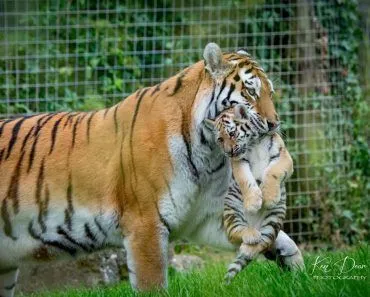
Table of Contents (click to expand)
Yes. Across the animal kingdom, females usually outlive males. A 2020 study of 101 wild mammal populations found females lived longer in about 60% of them, by roughly 18% on average. The reasons include male-male competition for mates, the protective second X chromosome in females, higher male stress, and the costs of evolution and parenting.
Across the world, women are known to outlive men, and this pattern has been noticeable throughout time. For instance, in Sweden during the 1800s, women lived to an average 33 years of age, while men lived only to 31. Similarly, today, women live up to an average 83 years, while men only live to 79. This difference in lifespan is largely due to the biological advantage women have, as well as various behavioral and environmental factors that help to prolong their lifespan.
Some say this is because females have better lifestyles; there are fewer female smokers and drinkers, and they have healthier eating and exercise habits, as well as an overall more conscientious lifestyle. There are many other social and scientific reasons for this.
Does this trend also extend into the animal kingdom?
As it turns out, it usually does!
Most wild species do demonstrate longer female lifespans, as compared to their male counterparts. Just as for humans, many theories have been put forth to explain this pattern among animal species, but like everything else, there are plenty of exceptions to the rule.
Which Animal Groups Show Differences In Lifespans?
Most mammals show longer female lifespans, such as whales, African lions, apes, some monkeys, and many more. In fact, a large 2020 study tracked 101 wild mammal populations and found that females outlived males in roughly 60% of them, living about 18% longer on average (a far bigger gap than the 7.8% advantage women hold over men). Tellingly, the difference came down to males facing a higher risk of death in adulthood, rather than the two sexes aging at different rates.
A few species show almost no longevity difference between the sexes, such as Japanese macaques, kangaroo rats and savannah baboons. Surprisingly though, despite our closeness to dogs and cats, not much is known about this aspect of their lives.
The humble fruit fly, the legendary Drosophila (arguably the most studied insect in history), shows conflicting results and is generally accepted as having equal longevity in both the sexes.
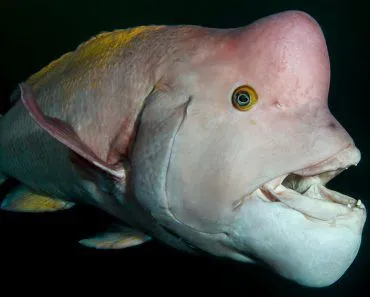
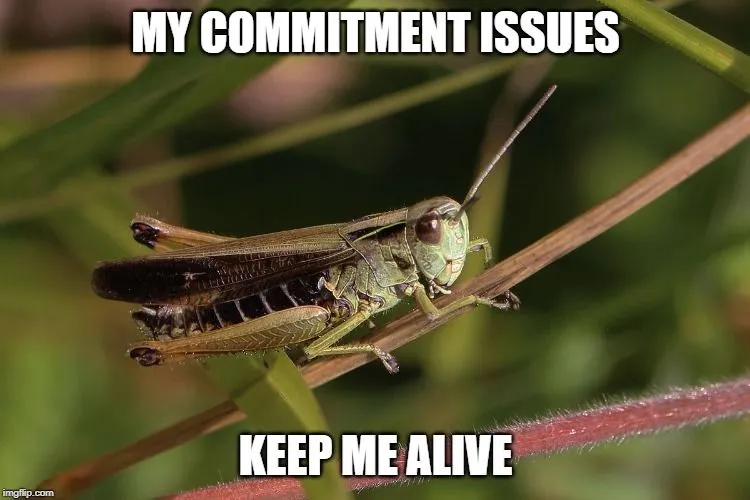
Some other well-known examples of longer female lifespans can be found in angler fish (a deep-sea fish with a bioluminescent glowing bulb), as well as grasshoppers. Famously, female grasshoppers are known to bite off the head of the male once they’ve finished mating; there’s no surviving that!
Why Do Females Have Longer Lifespans In The Animal Kingdom?
Competition
One of the primary reasons that females outlive males in the wild is competition. Most males grow faster and compete aggressively with one another for mating rights. During this process, they often suffer from injuries and higher levels of stress, resulting in an earlier death.
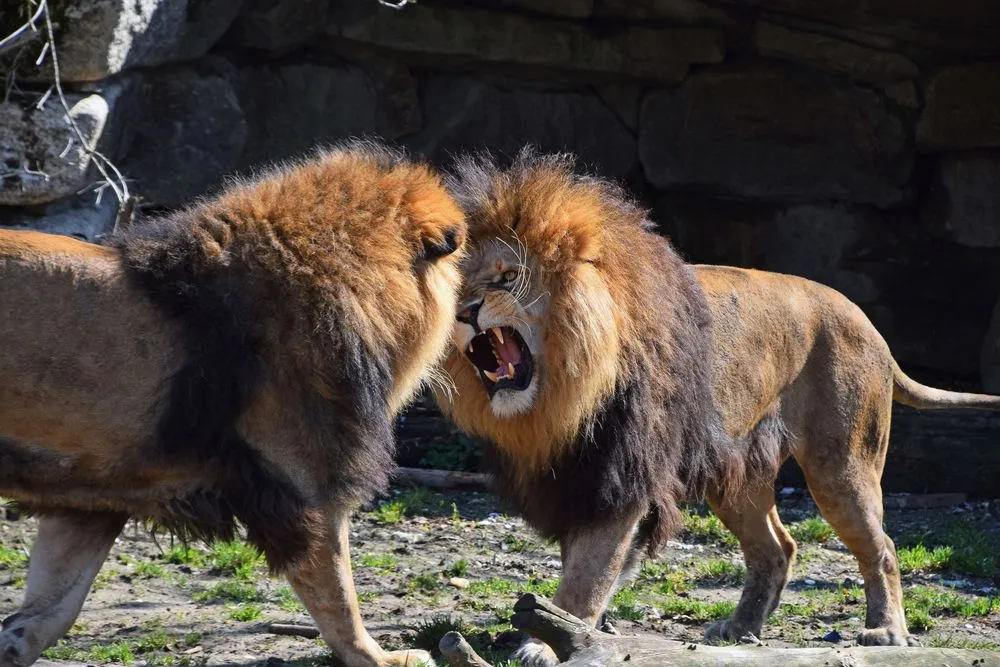
For instance, in a study of non-human primates, six out of seven species displayed intense male-male competition for mating, leading to shorter life spans than females.
Interestingly, a study on Kukri snakes in Taiwan has shown the opposite to be true, wherein female snakes compete aggressively with one another. Female kukri snakes are responsible for defending their territories and their eggs, in addition to protecting their access to turtle eggs, their food. As a result, researchers found that female kukris were often aggressive and fought one another to secure their resources, which ultimately affected their survival and impaired their ability to live longer.

Genetics
Genetics play a huge role in longevity, and females are said to be at an advantage in this regard as well!
A popular theory, known as the "unguarded X" hypothesis, suggests that the second X chromosome (XX in females) plays a crucial role in survival. The idea is that a backup copy can mask harmful mutations on the other X, whereas the male's single X is left exposed. The Y chromosome, which is present only in males (XY), is small and carries comparatively few genes, so it offers little of this protective backup. That leaves males at a disadvantage. The pattern holds widely: across the tree of life, the sex carrying two matching sex chromosomes tends to outlive the sex carrying mismatched ones, which is why in birds and butterflies (where males carry the two matching chromosomes) it is often the males that live longer.
This theory was further tested on mice, where it was found that mice that lived the longest had two X chromosomes (XX) and ovaries (meaning that they were female).
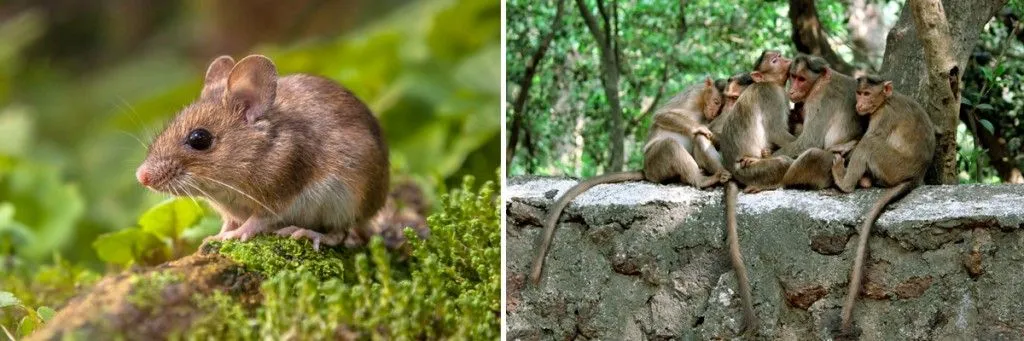
A team of Japanese researchers made another exciting discovery in this area. These researchers genetically altered female mice so they received genetic material from two females (or mothers), but none from males (fathers). By doing so, they discovered that the genetically altered mice lived noticeably longer (about 186 days, or roughly a third longer) than those that received DNA from traditional parents (i.e., one mother and one father). The hint was that something in the father's contribution, rather than the mother's, was shortening lives.
Lastly, mitochondria passed on from mothers is also known to impact longevity, particularly in males. For instance, genetic material passed on from mothers to sons (or males) in Drosophila had several mutations, which impaired the ability of male flies to live longer than females.
Stress
High levels of stress and hormones affect everyone. Given males’ traditionally higher stress levels, they are at a higher risk of dying earlier than females because of this factor.
A study on Savannah baboons found that being at the very top of the social hierarchy was stressful for male baboons. Counterintuitively, the alpha males, not the lower-ranking ones, carried the highest levels of stress hormones, likely because holding the top spot and guarding mates is exhausting work, which impacted their survival and longevity.
Testosterone itself may add to the toll. The same hormone that fuels male competition also appears to dampen the immune system, so the very trait that helps a male win mates can leave him more vulnerable to disease over a lifetime.
Evolution
Evolutionary processes also play a role in sex-specific longevity. For instance, gender differences in life span may be due to evolutionary differences in body size, foraging patterns, exposure to environmental hazards and risky behaviors.
Parenting
Many species have slow growth rates, a single offspring, and long gestation periods. To ensure the continuation of the species, parents must live long enough to ensure that their offspring grow up to replace them. Among primates, evidence suggests that mothers (who usually provide care for their offspring) have a stronger survival advantage than fathers.
Although scientists have come up with several theories in the past, more research is required to fully understand how females are able to live longer than males in the animal kingdom. With the advancement of science and technology, I’m sure we’ll find more answers to these questions soon!
References (click to expand)
- Lemaitre, J.-F., et al. (2020). Sex differences in adult lifespan and aging rates of mortality across wild mammals. Proceedings of the National Academy of Sciences. PMC / NCBI.
- Xirocostas, Z. A., Everingham, S. E., & Moles, A. T. (2020). The sex with the reduced sex chromosome dies earlier: a comparison across the tree of life. Biology Letters. PMC / NCBI.
- Austad, S. N., & Fischer, K. E. (2016, June). Sex Differences in Lifespan. Cell Metabolism. Elsevier BV.
- SMITH, D. W. E. (1989, February). Is Greater Female Longevity A General Finding Among Animals?. Biological Reviews. Wiley.
- Why do women live longer than men? - Our World in Data. Our World in Data
- Huang, W.-S., Greene, H. W., Chang, T.-J., & Shine, R. (2011, April 18). Territorial behavior in Taiwanese kukrisnakes ( Oligodon formosanus ). Proceedings of the National Academy of Sciences. Proceedings of the National Academy of Sciences.
- Lee, C.-Y., et al. (2019). When males live longer: Resource-driven territorial behavior drives sex-specific survival in snakes. Science Advances. AAAS.
- In men, high testosterone can mean weakened immune .... Stanford University School of Medicine