Table of Contents (click to expand)
Rare fish and other marine animals find mates in the dark deep sea using several strategies. Many release pheromones or glow with bioluminescence to attract a partner, while others spawn in time with tides and lunar cycles. Some are hermaphrodites or can change sex, and some store sperm until conditions are right.
Anyone who has ever floundered in the dating pool of life understands how hard it can be to meet a potential partner. It may take months, years or even decades of awkward dates and lonely evenings before you find the right person, someone to whom you want to devote your time and energy. Depending on where you are searching for a mate, what your standards or desires are in a potential partner, and how you approach the “mating ritual” will all impact your success or failure. Navigating the deep waters of attraction, sex, partnership and procreation is no easy task for humans.

Fortunately, there are more than 7 billion humans on the planet, and we are linked in countless ways through technology and the Internet, which makes it possible to search for, communicate with and locate other members of our species at the touch of a button. That isn’t the case for many of the other species on this planet…
The Deep Sea Dating Scene
What if there were only a few dozen potential mates for hundreds of miles around, it was completely pitch-black at all times, and you were half a mile underwater? That is the reality for some of the deep-sea creatures who live in the most isolated, unforgiving and inaccessible environments on the planet.
Despite the seeming impossibility of their survival, there are thousands of species of relatively rare sea creatures who have evolved and survived for tens of millions of years. And as we should all know, perpetuating a species requires reproduction in some form, which typically suggests two organisms, one male and one female, coming together to join egg and sperm, respectively. In the complete void of the deep ocean, how can these rare creatures find each other in order to breed?
Techniques For Attraction
To continue the analogy we began with, if humans want to improve their odds of landing a mate in the dating pool, there are certain techniques and strategies that can provide an advantage. The way you dress, the way you smell, the places you frequent and even your willingness to compromise will all affect your chances of finding a good mate.
As you might expect, the same thing is true in the frightening, pressurized depths of the ocean. Over the course of millions of years, deep-sea beasts have evolved their own creative means of attracting and securing mates, thus ensuring that their genes (and species) will carry on into the future.
Pheromones
Many different species of animals utilize pheromones that are produced in various glands around the body. These can be used for communication, but they are also closely linked to reproduction and the attraction of a mate. In the depths of the ocean, animals like sea lampreys, anglerfish, and many other fish species release pheromones into the water, which can be detected by other species members, even from long distances, drawing potential mates for a rare breeding interaction.
Bioluminescence
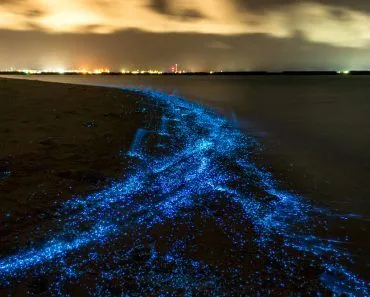
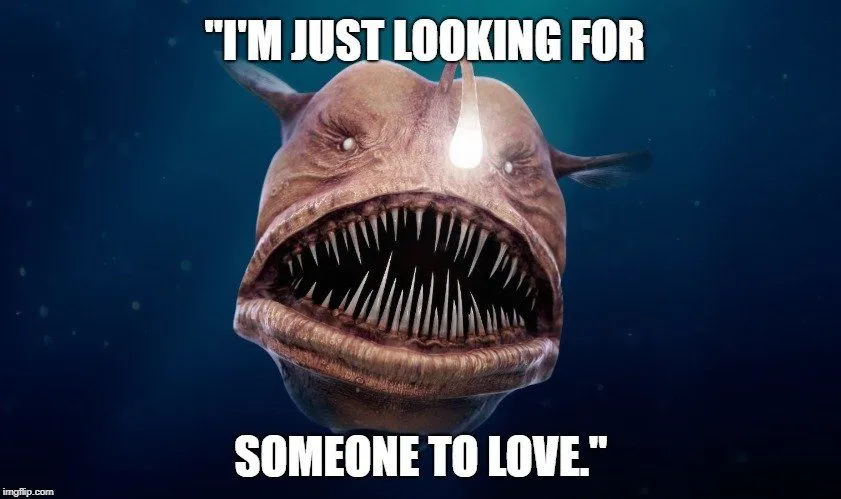
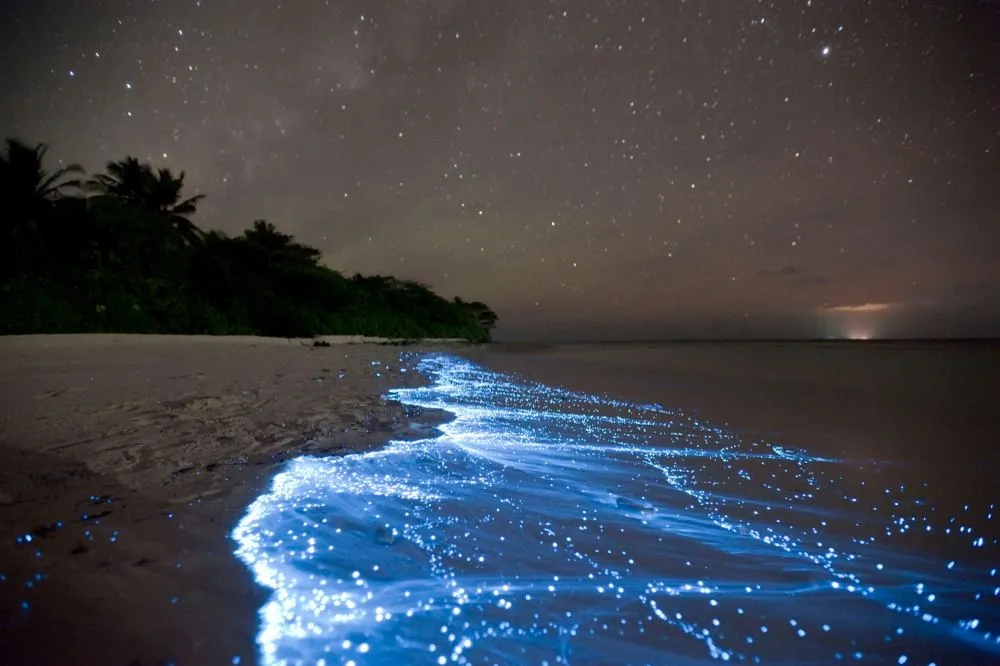
One of the most beautiful adaptations in nature is bioluminescence, and is found in many different creatures, from jellyfish and sharks to more than 1,000 species of fish. Bioluminescence is the production of light by living creatures, typically yellow, green, or blue in nature. Even some terrestrial creatures boast bioluminescence, such as fireflies, certain land snails and beetles, among others. In the pitch-black depths of the ocean, being able to illuminate and glow is one of the most effective means of attracting a mate. Creatures like lanternfish and anglerfish, as well as some cnidarians, crustaceans and mollusks, use bioluminescence to shine a light in the darkest corners of the sea.
Following Natural Signals
Some sea creatures can release hardy eggs and sperm into the water that can survive for long periods of time, until other members of their species come across the reproductive materials. The release of the eggs and sperm is often in conjunction with environmental triggers, such as tidal changes, temperature, seasonal changes and lunar cycles. This is known as spawning, and relies heavily on chance of sperm moving through the water and inseminating the eggs. Some fish species also build “nests” and release their eggs in a specific area, often close to a male whose sperm she wants for her eggs. Char, cod and salmon are some fish that use external fertilization. Some species will also gather at mass breeding sites for both internal and external fertilization.
Sex Organs
When encountering another member of your species is so rare, it helps if you carry both sets of sexual organs. Fish that are simultaneous hermaphrodites mature working ovaries and testes at the same time, so whenever they do meet a partner, either one can play the male or female role. That doubles the odds that a chance encounter ends in successful breeding. Functional hermaphroditism has been documented in more than 20 families of fish, including groupers, sea bass and their relatives in the family Serranidae, such as the hamlets and chalk bass, which famously take turns trading eggs and sperm.
Saving Sperm
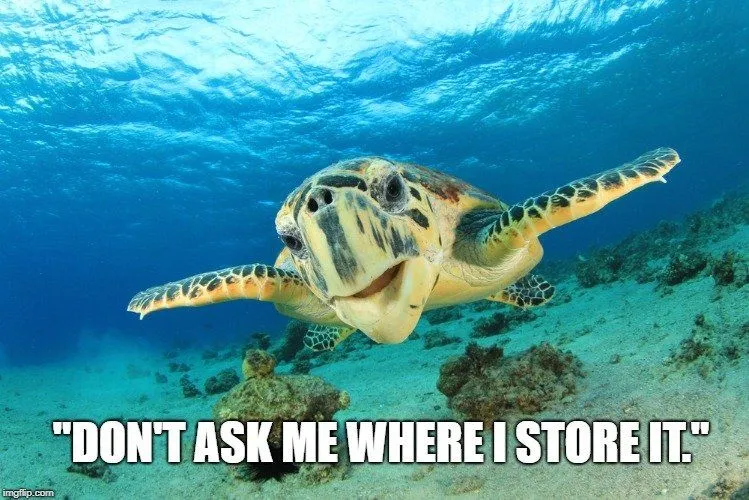
If conditions aren’t appropriate for bearing offspring, some creatures are able to store sperm from a previous sexual encounter with another of their species. Certain sea turtles, for example, can store sperm until conditions are optimal and their offspring have the best chance of survival.
Sex Change
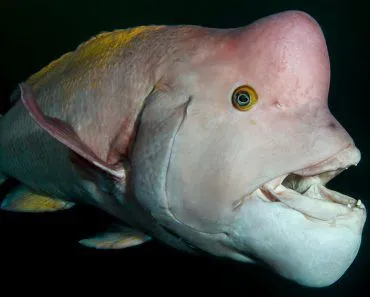
Closely related to hermaphroditism is sequential sex change, where an individual switches sex during its life. When the number of males in a community runs low, females of some species can turn into males; this is found in wrasses, which are protogynous (female-first). Clownfish do the opposite: they are protandrous (male-first), so when the dominant female of an anemone dies, the largest male promptly changes into a female to keep the breeding pair intact.
Male Parasitism
In one of the most extreme cases of reproductive adaptation, the tiny male anglerfish actually fuses onto the much larger female’s body, his tissues and blood vessels merging with hers. Every organ except his testes withers away. He becomes something akin to a parasitic tumor attached to the female, benefiting from her bloodstream and nutrients while serving the single purpose of supplying sperm on demand. A 2020 study in the journal Science revealed how this is even possible: these anglerfish have lost key parts of the adaptive immune system that would normally reject foreign tissue, so the female’s body never fights off the fused male.

A Final Word
The most extreme depths of the ocean remain mysterious and largely uncharted, but there are thousands of sea creatures down in the darkness that have found creative and exceptional ways to survive – and even thrive. Once again, the timeless words of Dr. Ian Malcolm (Jeff Goldblum) from Jurassic Park ring true… “Life finds a way!”
References (click to expand)
- Reproduction in the deep sea - Shark Research. sharkresearch.earth.miami.edu
- Is It Love? Why Some Ocean Animals (Sort Of) Mate For Life. The Smithsonian Institution
- Hoving, H. J. T., Lipinski, M. R., Videler, J. J., & Bolstad, K. S. R. (2009, November 10). Sperm storage and mating in the deep-sea squid Taningia danae Joubin, 1931 (Oegopsida: Octopoteuthidae). Marine Biology. Springer Science and Business Media LLC.
- A blind date in the deep sea: First-ever observations of a living .... The University of Washington
- Swann, J. B., et al. (2020). The immunogenetics of sexual parasitism. Science. PubMed, NCBI.