Table of Contents (click to expand)
No, adult cats should not drink milk. Despite the pop-culture image, most adult cats are lactose intolerant: kittens nurse on their mother’s milk, but stop making much of the lactase enzyme after weaning. Without it, the lactose in cow’s milk ferments in the gut and causes diarrhea and stomach upset. Plain water is the better choice.
Pretty much every interpretation of a cat in popular media plays on their apparent obsession with milk. It’s socially ingrained in us, to the point that any time most of us see a feral cat or a baby kitten in the streets, we will bring them a bowl of milk and “psspsspss” at them in an attempt to establish contact and familiarity.
However, have we ever stopped and wondered if cats are even supposed to drink milk?
What Do Cats Actually Drink?
Well… they do drink milk. Every growing mammal in the world derives nutrition from its mother’s milk.
The only exception to this rule is monotremes, like the platypus and echidna. These mammals don’t give birth to live offspring and lack nipples. In fact, they’re the only egg-laying mammals!
Returning to the point, yes, cats drink milk. The key difference, however, is that they drink their mother’s milk. Not another mammal’s milk. Cats nurse on their mother’s milk after they are born, but the arrangement is short-lived. Kittens start weaning onto solid food at around four weeks of age and are usually fully weaned by eight weeks, after which nursing tapers off entirely.
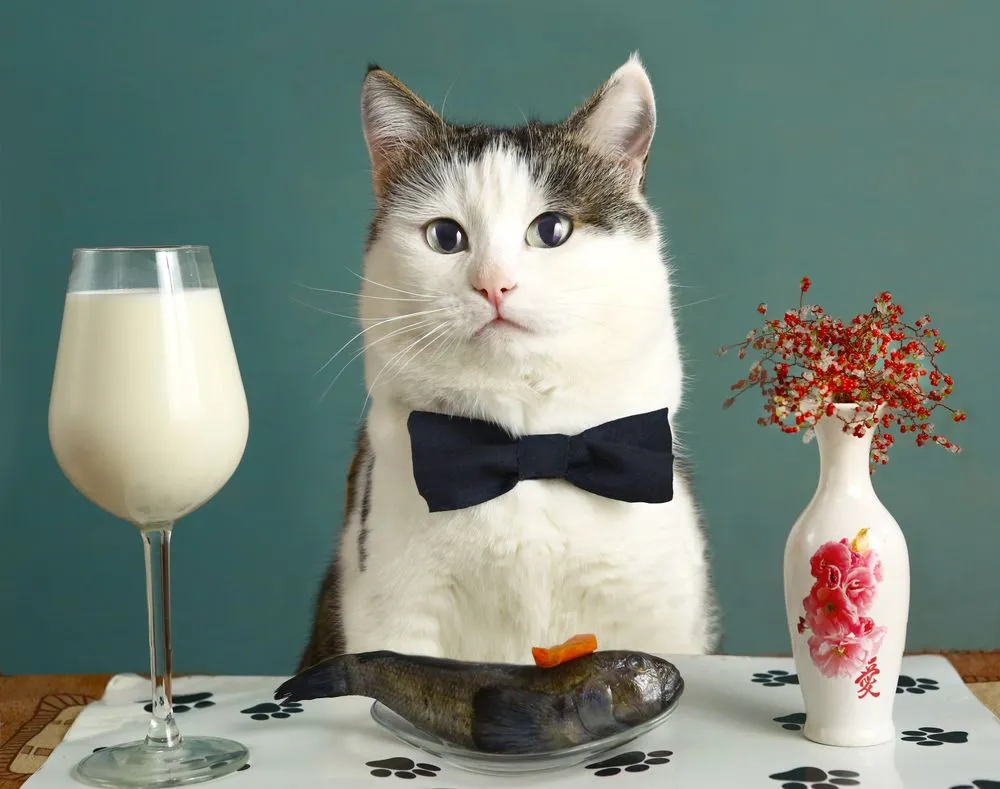
In fact, cats like milk quite a bit, so why can’t we integrate it into their diets for the rest of their life?
Why Can’t Cats Drink Milk?
The simple answer is that they’re not supposed to.
Most mammals produce milk for their young. A primary component of milk is lactose, a carbohydrate made of galactose and glucose monosaccharide units. Upon digestion, lactose is broken down into these two monosaccharide units. This digestion is mediated by an enzyme called lactase.
Cats feed on their mother’s milk for the first part of their life, before they are able to hunt for themselves. It is only during this nursing window that they produce enough lactase to digest milk comfortably. Once they wean, the body has no further use for the enzyme, so lactase production winds down sharply, and most cats keep very little of it into adulthood.
Cats are obligate carnivores, meaning that they have evolved to hunt and eat meat. An ideal cat diet is protein-rich, not heavy in carbohydrates.
As kittens age into cats, their ability to digest carbohydrates, such as lactose, begins to decline. In fact, cats that have a high carbohydrate diet have higher levels of glucose in their blood. This occurs because cats aren’t very good at converting glucose, derived from carbohydrates, into glycogen (the storage form of glucose in animals).
What does this mean?
Essentially, cats are not built to process and store large amounts of carbohydrates. The link between diet and feline diabetes is still debated (a 2025 meta-analysis found that dietary carbohydrate, on its own, did not raise body fat or fasting insulin in cats), but many vets believe that chronically high-carbohydrate, high-calorie feeding helps drive obesity and diabetes mellitus in cats. This is a condition in which the cat cannot properly produce or respond to the hormone insulin. As it worsens, affected cats suffer from tiredness, weight loss, and increased thirst and urination.
So, when cats drink a lot of milk, they can’t efficiently digest the lactose. The undigested sugar passes into the gut, where it draws in water and gets fermented by resident bacteria. This is what we call lactose intolerance.
Lactose intolerance isn’t specific to just cats; in fact, many adult mammals, including humans, suffer from the same condition!
Lactose intolerance isn’t a passing condition. The continued supply of milk to cats that suffer from such intolerance further worsens any symptoms that arise, such as diarrhea.
Cats are also bad at dealing with a very fat-rich diet. One study showed that the milk fats found in dairy products can exacerbate gastrointestinal conditions. In fact, the higher the milk fat content, the sooner the symptoms and degenerative processes develop. Other symptoms of lactose intolerance include inflammatory conditions, such as inflammation of the gut, especially the colon.
Conclusion
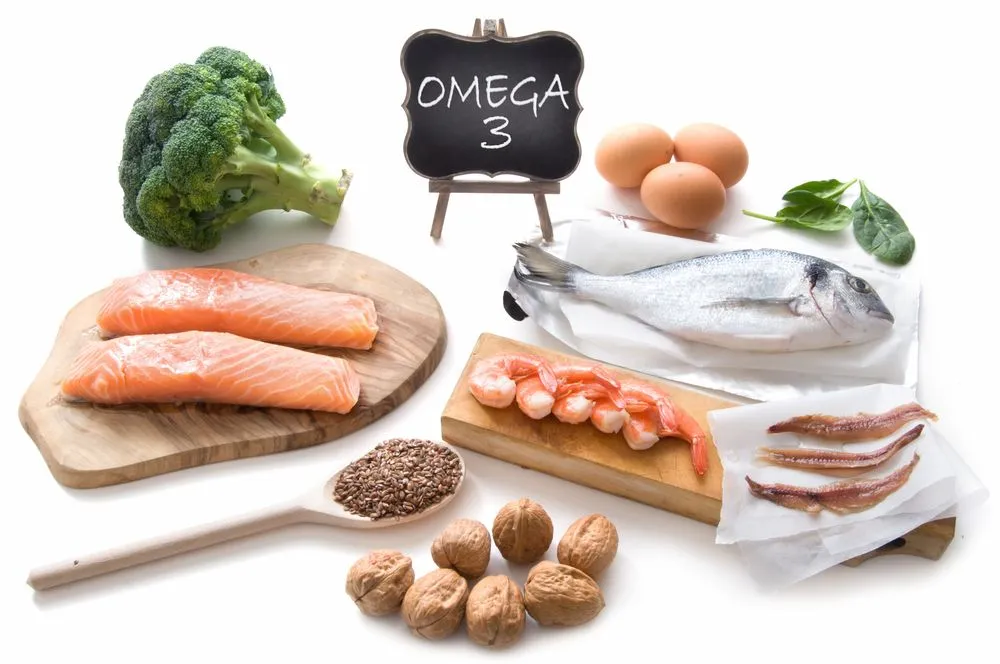
Cats are meat eaters. Their diet should primarily be comprised of protein-rich sources. Any fat they consume should also be derived from animal fats, such as the omega-3 fatty acids found in fish oil.
But remember, cats do love milk. They love milk for the same reasons we love junk food. It’s rich in fat and tastes nice.
How much milk can cats actually have? On the one hand, most veterinarians prefer it to be entirely removed from feline diets. They view this as a preventative measure.
Others classify milk as a high-calorie treat that can be offered once a month at most, and only in tiny amounts. Just don’t fool yourself into thinking it is doing your cat any nutritional good. You will sometimes hear that milk supplies taurine, an essential nutrient for cats. Taurine matters enormously: cats can’t make enough of it themselves, so they have to get it from food, and a shortfall leads to poor health, heart trouble, and irreversible blindness as the retina degenerates.
The catch is that cow’s milk is a poor taurine source. Cats get the taurine they need from animal protein (meat, fish, and organ tissue), which is exactly why a balanced, meat-based diet, not a saucer of milk, keeps them healthy.
So, if you really want to treat your cat, the occasional lick of milk won’t hurt most cats, but skip regular cow’s milk and reach for a lactose-free product formulated for cats instead. Whatever you do, don’t make it part of their daily diet. And if you simply want to give them something to drink, a good ol’ bowl of fresh water will always be the better choice.
References (click to expand)
- Mariia Nikolaevna, K. (2019, December 30). Clinical and Morphological Manifestations of Disorders of the Gastrointestinal Tract of Cats with Regular Consumption of Lactose. Biosciences, Biotechnology Research Asia. Oriental Scientific Publishing Company.
- Morris, J. G., Trudell, J., & Pencovic, T. (1977, May). Carbohydrate digestion by the domestic cat (Felis catus). British Journal of Nutrition. Cambridge University Press (CUP).
- Verbrugghe, A., & Hesta, M. (2017, November 15). Cats and Carbohydrates: The Carnivore Fantasy?. Veterinary Sciences. MDPI AG.
- Taurine in Cats. VCA Animal Hospitals.