No, humans do not need to drink milk to stay healthy. Milk supplies calcium, vitamin D and protein, but you can get all of those from other foods, such as leafy greens, beans, nuts, eggs and fortified cereals or plant-based milks. Once a child is weaned, milk is a convenient option, not a dietary requirement.
The notion that ‘Drinking milk only does good things to your body’ has been around for ages. Millions of parents give their young ones a hard time in this regard, practically chasing them around with a glass of milk. Due to this general positive perception about milk, many children and teenagers are urged to drink milk more than once a day. The question remains, however… is milk really that good or is all of this just a parental hyperbole?
General Perceptions Of Milk

Milk has been widely popular as one of ‘nature’s best foods’ for hundreds of years, and people around the world generally believe milk to be a healthy food. This perception is not only held in developed countries, but also in underdeveloped countries where the availability of milk is limited to a particular strata of society. From the time a child is born, it is fed milk, as this is the easiest food for infants to digest, and also contains a host of vital nutrients that are crucial for a baby’s growth in those early days.
Even after a baby is weaned off breast milk, most parents continue providing milk to their children, as they think it is good for bone development and is an important component of an ideal diet for kids.
Milk: The Good Part

It’s true that milk does provide a host of important nutrients to those who choose to drink it. First of all, milk contains calcium, which is good for bone development in children, and is also vital for maintaining the strength and flexibility of bones in adults. Milk also contains Vitamin D, which is very important, albeit less commonly referred to than the calcium content. A deficiency of Vitamin D can lead to bent and weakened bones and cause rickets and other muscle-related disorders.
Milk is also a good source of calories and proteins that are essential for children, as their growing bodies demand more nutrition. Kids need to have a wholesome diet, but children commonly throw tantrums about consuming certain things that will provide them with all those vital nutrients. Fortunately, milk proves to be an easy to access and complete package of nutrients.
But Do We Really Need To Drink Milk All The Time?
Milk is definitely a good source of all the nutrients that we discussed above, but is it necessary to drink milk all the time to obtain those nutrients?
Calcium, one of the leading reasons why people drink milk, can be found in many other foods, including nuts, beans and greens. Lately, there have even been doubts about whether milk strengthens bones. A review of the evidence noted that countries with the highest dairy and calcium intake tend to have some of the highest, not lowest, rates of bone fractures, and found little evidence that milk meaningfully strengthens children's bones. “The best way for kids to take good care of bones is to go outside and play,” says Amy Lanou, a professor of nutrition at the University of North Carolina at Asheville.
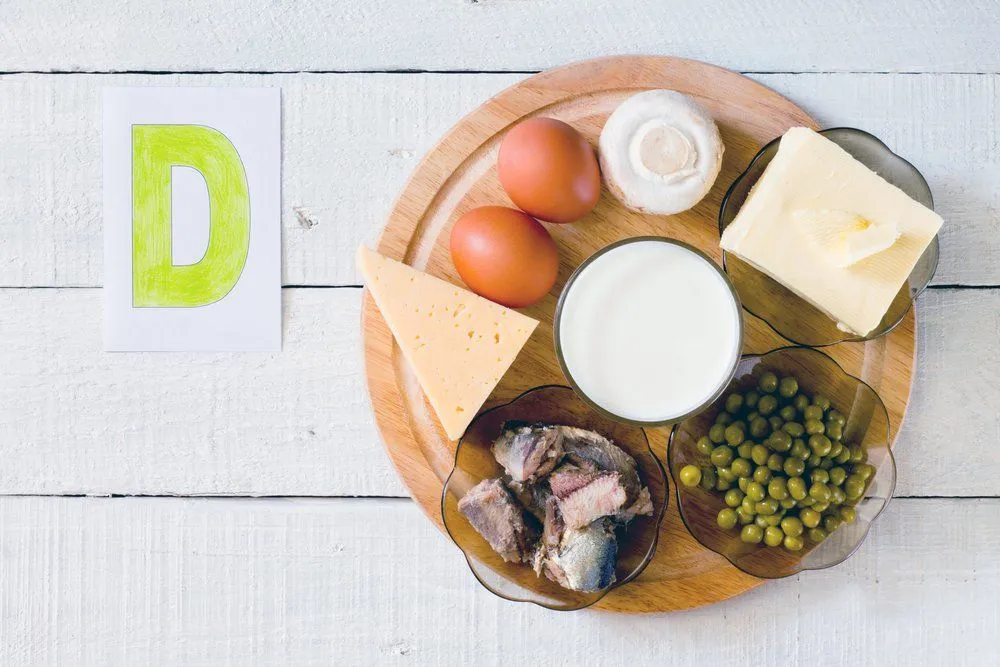
Also, since Vitamin D is readily available in other foods, such as breakfast cereal, orange juice and soy milk, one does not have to be dependent on milk for fulfilling their quota of Vitamin D. The same thing goes for dietary protein; the amount of protein found in milk can also be gained from other food sources, like beans and eggs.
As the studies show, there are no disadvantages to not drinking milk regularly, but you still need those nutrients. Therefore, if you can replace milk with some or all of the foods mentioned above, you can basically say goodbye to milk!
If you are curious whether we are the only species that drinks the milk of other animals, find out here.
Is Milk Bad For You After A Certain Age?

Here is the part most people never hear: for the majority of humans, losing the ability to digest milk as you grow up is the normal setting, not a disorder. The sugar in milk is lactose, and to break it down your gut lining makes an enzyme called lactase. As a baby, you produce plenty of it. After weaning, a regulatory switch near the lactase gene (linked to the MCM6 gene, which sits next to the LCT gene that codes for lactase) gradually dials production down in most people, a condition called lactase non-persistence or primary hypolactasia. (For a fuller breakdown of the symptoms and the enzyme behind them, see our guide to what lactose intolerance is.)
How common is this? Roughly 65 to 70% of the world's adult population has a reduced ability to digest lactose, according to a StatPearls review and MedlinePlus Genetics. The trait varies enormously by ancestry: only about 5% of people of Northern European descent lose much lactase, compared with 70 to 100% of East Asian populations. Because the decline is gradual, symptoms (bloating, cramps, gas or loose stools roughly 30 minutes to 2 hours after dairy) usually appear in late adolescence or adulthood, not in early childhood.
So milk is not "bad" once you hit a certain age. What changes is your body's ability to handle the lactose in it. If milk starts disagreeing with you in your twenties or thirties, that is your biology following its ancestral default, not a sign that something has gone wrong. Many people who are lactose non-persistent can still tolerate small amounts, or do fine with lower-lactose options like hard cheese and yogurt. If milk causes you no trouble, there is no health reason to give it up either.
Which Milk Is Best For Kids, And How Do Adults Get Calcium Without It?

For young children who do drink milk, the American Academy of Pediatrics keeps it simple. From 12 to 24 months, give whole (full-fat) cow's milk, because the fat supports rapid brain growth in those years. From age 2 onward, switch to nonfat (skim) or low-fat (1%) milk. On the plant-based side, the AAP notes that fortified soy milk is the one alternative nutritionally close to cow's milk; almond, oat, rice and coconut "milks" are generally too low in protein and calories to stand in as a main milk for toddlers.
But what if a child or adult skips milk entirely? You still need the calcium, you just get it elsewhere. The recommended daily calcium intake is about 1,000 mg for adults aged 19 to 70 and 1,200 mg for those 71 and older, per Harvard's Nutrition Source. Good non-dairy sources include calcium-set tofu, edamame, canned sardines and salmon with bones, calcium-fortified orange juice, and leafy greens such as kale, bok choy, collard and turnip greens. Fortified soy milk delivers a comparable calcium hit to cow's milk per glass.
One caveat worth knowing: not all greens are equal. Spinach is loaded with calcium (about 260 mg per cooked cup) but also high in oxalates, which bind the calcium so that only around 5% is actually absorbed. Lower-oxalate greens are the smarter pick: Harvard notes that a cup of cooked bok choy delivers almost as much absorbable calcium as a cup of milk, because the body takes up roughly 50% of the calcium in bok choy versus about 30% from dairy. The takeaway holds: milk is a convenient calcium delivery system, but it is not the only one.
References (click to expand)
- Calcium | The Nutrition Source. Harvard T.H. Chan School of Public Health
- Consumption of Cow's Milk in Early Childhood and Fracture Risk: A Prospective Cohort Study. American Journal of Epidemiology (PubMed Central)
- Do Kids Really Need to Drink Milk? | Live Science. Live Science
- Should we be drinking milk? Arguments for and against dairy. The Independent
- Lactose Intolerance. StatPearls. NCBI Bookshelf
- Lactose intolerance. MedlinePlus Genetics. U.S. National Library of Medicine
- Recommended Drinks for Children Age 5 & Younger. American Academy of Pediatrics (HealthyChildren.org)
- Eating, Diet, & Nutrition for Lactose Intolerance. National Institute of Diabetes and Digestive and Kidney Diseases (NIDDK)