Most seedless fruits and vegetables are grown through parthenocarpy, where the ovary develops into a fruit without fertilization. Growers trigger this either by applying plant hormones (auxins and gibberellins) to the flower or by breeding sterile plants, such as triploid watermelons. The fruit still forms, but it never makes viable seeds.
As a child, I was convinced that if I swallowed a seed, my body would eventually grow the plant inside my stomach. It was one of the many things that scared me, so before eating a slice of watermelon I would carefully remove every seed. It seems silly now, but it seemed critical to my survival back then!
Perhaps the idea of seedless fruits came into a researcher’s mind for a similar reason. Maybe his child’s fear of a plant growing in his belly annoyed him to the point that he decided to start growing seedless fruits! It might sound credible, but that’s not how it happened.
Seedless fruits have been around for quite a long time. They are naturally present in nature and can also be artificially produced. The process of seedless fruit formation is called parthenocarpy and many fruits are known to be produced through this method.
What Is Parthenocarpy?
The term parthenocarpy was introduced by the German botanist Fritz Noll in 1902 to describe fruits produced without pollination or other stimulation. Take the banana, for example, a seedless fruit. Bananas cultivated by parthenocarpy are sterile; their ovaries do not produce seeds and the resulting fruit is therefore seedless.
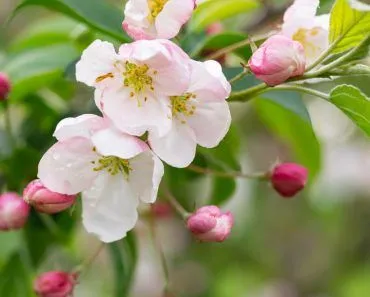
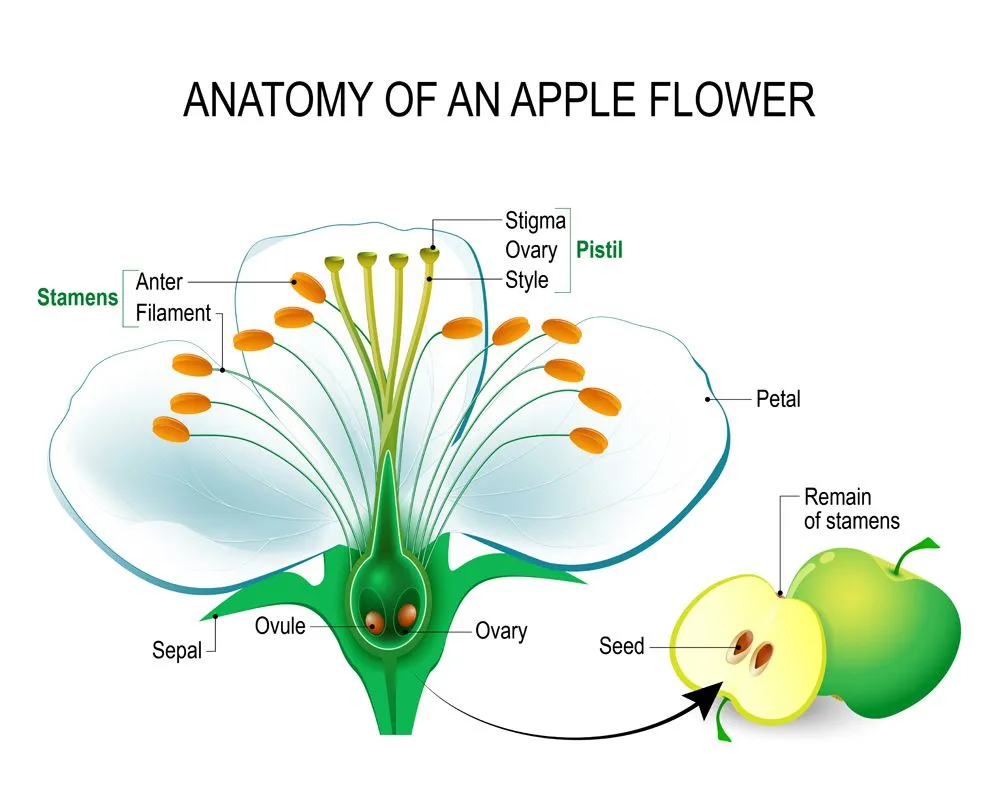
As you may know, a fruit is nothing but the ripened ovary of a plant’s flower. A flowering plant contains an ovary that contains one or more ovules within it. These ovules contain the egg cell. Plant fertilization is different from human fertilization. In plants, each pollen grain delivers two sperm cells, as opposed to the single sperm cell that fertilizes the egg in humans. This is called double fertilization: one sperm fuses with the egg to form the zygote, while the other fuses with a central cell to form the endosperm, the nutritive tissue used by the embryo. With time, the ovule develops into seeds and the ovary starts ripening, becoming large and fleshy to ultimately form the fruit. This is the natural and most common way that fruit forms.
Now, in parthenocarpy, fruits are developed without the fertilization of the egg and sperm. Parthenocarpy can either be natural or induced artificially to develop seedless fruits on a commercial scale.
How Are Seedless Fruits And Vegetables Grown?
Hormones play an important part in the growth and development of plants. Seed and fruit development are closely related processes controlled by hormonal levels. Seedless fruit production can be incepted by the development of plants that can produce fruits independently of pollination and fertilization. At this point, fruit development is in the control of phytohormones. Plant hormones are phytohormones present in small quantities in the plant that regulate plant germination, metabolism, and growth.
Auxins and gibberellins are important plant hormones and play a significant role in the development of fruits. They are naturally present phytohormones, but can also be added externally to the plant. These two hormones are widely used to develop seedless fruits on a commercial scale.
Tomato A Fruit Or Vegetable?
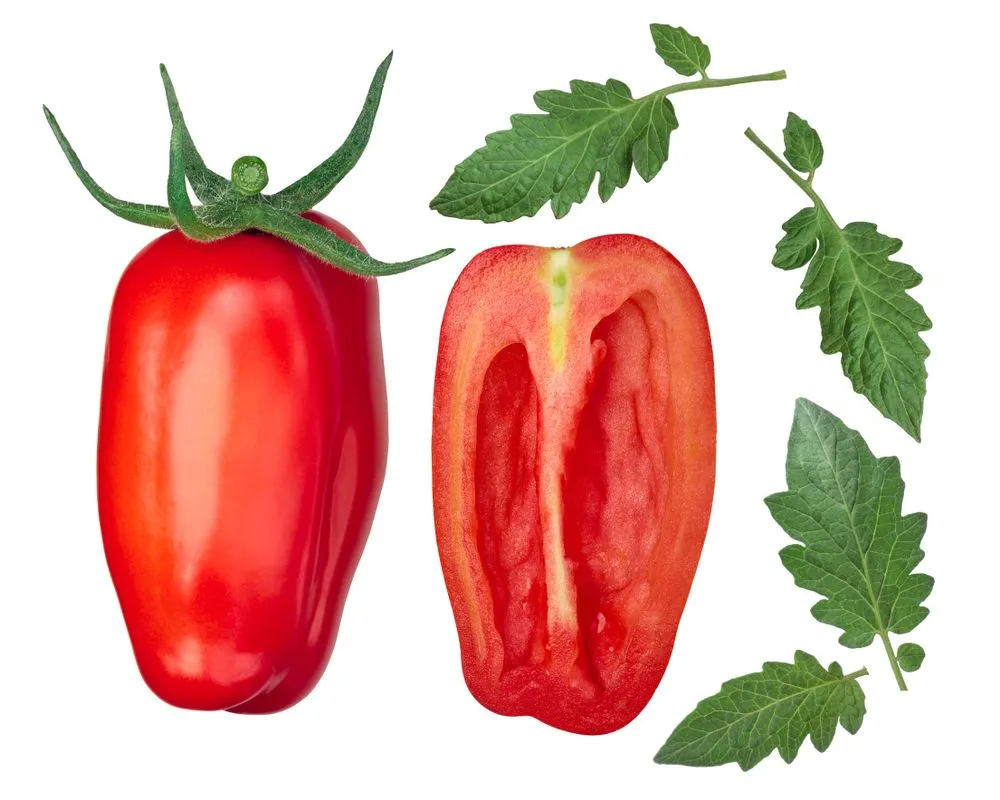
Tomatoes, also known by their botanical name Solanum lycopersicum L., are some of the most widely studied fleshy fruit for seedless fruit production. But wait! Isn’t a tomato a vegetable? I was confused by this myself, but it is botanically correct to say that tomato is a fruit. There are two ways to classify fruits and vegetables: that of a botanist and that of a chef. The chef in you is correct when you call a tomato a vegetable. In the kitchen, tomatoes are treated as vegetables because they are savory rather than sweet and are mostly used in savory dishes. However, tomatoes are technically fruits because every fruit grows from a flower and tomatoes grow from tiny yellow flowers on a vine.
Tomatoes are widely exploited for understanding how seedless fruits are developed artificially. In 1936, Gustafson was the first to show that the application of a substance similar to auxin on the stigma of the tomato plant caused the ovary to develop into a seedless or parthenocarpic fruit. The stigma is the female reproductive part of the flower; it is the part that gets pollen from bees or other sources. Gustafson also found that applying pollen extracts to the outside of the ovary produced similar results, leading to the hypothesis that pollen contains hormones similar to auxin.
In simpler terms, the hormones present in the pollen travel to the ovary, which in turn develops into a fruit with seeds. However, if you apply hormones externally to the stigma of the flower, the ovary gets triggered due to the external hormone source. The ovary doesn’t differentiate between natural pollen stimulation and external hormonal stimulation. The resultant fruit is formed without natural pollination, but isn’t devoid of any hormones and is therefore a normal seedless fruit.
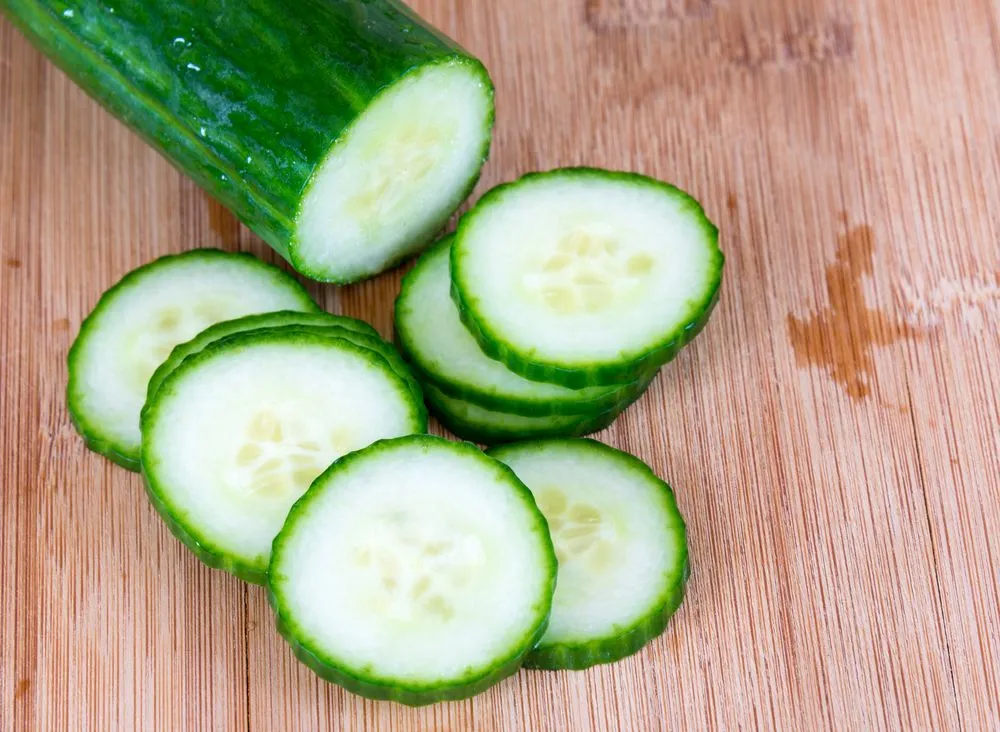
In one experiment, seedless fruits were genetically produced by using the auxin-synthesizing gene iaaM of the bacterium Pseudomonas syringae pv. Savastanoi. This gene was under the control of the ovule- or placenta-specific promoter from the DefH9 gene of Antirrhinum majus, a flowering plant. A promoter is the region of the DNA where the transcription of the gene begins. It basically promotes the beginning of gene expression. Upon studying the tissue collected from the plant, it was found that there was significant auxin synthesized during fruit development. The gene successfully helped in the production of parthenocarpic varieties of tomatoes, cucumbers, eggplants and raspberries.
Gibberellins (GA) are another class of plant hormones that are known to affect plant growth and fruit development. It is seen that tomatoes only induced with gibberellin are smaller than seeded tomatoes; this suggests that gibberellin alone isn’t enough for the holistic development of fruits. Auxins and gibberellins are known to have a synergistic effect on fruit and vegetable development, such as in tomatoes and peas. It is seen that the addition of gibberellins can increase the concentration of auxins in the ovary of an unpollinated flower.
Seedless fruits have been produced by genetically manipulating the GA signaling synthesis. A set of proteins called SlDELLA proteins are negative regulators of the GA pathway. The depletion of these proteins allows the plant to overcome the growth arrest that is normally enforced on the ovary during the anthesis stage.
Anthesis is the stage when the flower is ready for fertilization. During the anthesis stage, ovaries of the flower are immature and lack ovules, so they remain arrested in their growth. Pollination induces the development of the ovary and the embryo sac. If an external hormonal source is added during this stage, the ovary is stimulated as if it had been pollinated, so it starts maturing and begins to form a fruit, even though no fertilization has taken place. The depletion of the SlDELLA proteins allows the GA synthesis to take place, even in the absence of pollination, allowing the ovary to develop into a seedless fruit.
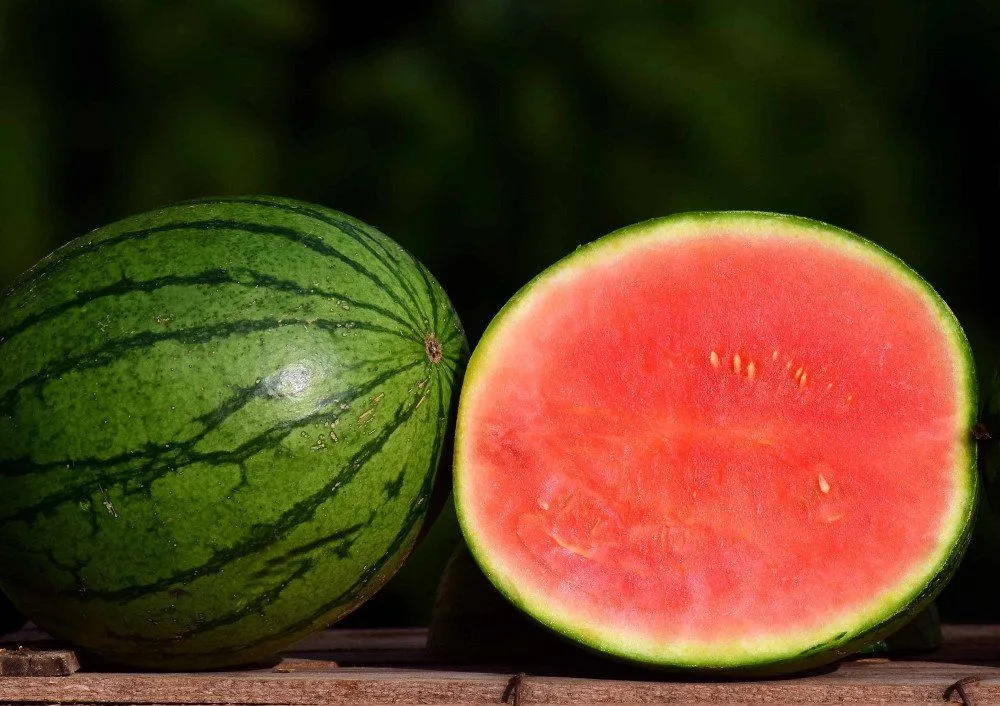
Genetic manipulation is not the only way to get seedless fruits; a change in the ploidy number of plants can also achieve a similar goal. Ploidy number refers to the number of sets of homologous chromosomes that are present in the genome of a cell or an organism. Seedless watermelons are produced through this procedure with the help of a triploid plant, which is created by crossing a normal diploid plant (two sets of chromosomes) with a tetraploid plant (four sets). The resulting triploid has three sets of chromosomes, an odd number that cannot pair up evenly during meiosis (the cell division that makes pollen and egg cells). Because the chromosomes cannot separate properly into the daughter cells, the plant fails to make viable seeds, and the fruit it bears is seedless. Note that this is sterility, not a mutation: the triploid plant is healthy, it simply cannot complete the cell division needed to form seeds.
Be it fruits or vegetables, these seedless products are induced by either hormonal stimulation or changing their ploidy number.
How Do Seedless Plants Reproduce Without Seeds?
Here is the question that probably nags you at the fruit stall: if the fruit has no seeds, how does the grower raise next year’s plant? A seed is the usual way a plant makes a copy of itself, so a seedless variety looks like a dead end. It isn’t, because growers simply skip seeds and clone the plant instead.

Most seedless fruit plants are multiplied by vegetative propagation, which means raising a new plant from a piece of an existing one rather than from a seed. The new plant is a genetic copy, or clone, of its parent, so it carries the very same seedless trait. Seedless orange trees and many other fruit trees are propagated by grafting, in which a bud or twig from the desired tree (the scion) is joined onto the rooted base of another plant. Seedless grapes are grown from rooted cuttings or by grafting, a method growers have used ever since seedless vines first turned up on their own thousands of years ago. Bananas send up side shoots called suckers, or pups, at the base of the plant, and each sucker can be dug up and replanted to become a new banana plant; on a commercial scale, bananas are also raised by tissue culture, cloning them from tiny pieces of tissue in a lab.
A couple of seedless crops break this pattern. Seedless watermelons are not grown from cuttings. Growers plant a fresh crop from seed every year, using special triploid seed produced by crossing an ordinary plant with a chromosome-doubled one, which is why you can buy seedless watermelon seed in a packet. Greenhouse seedless cucumbers are likewise grown from seed each season, but their female flowers are kept away from pollinating insects so the fruit sets without fertilization.
Are Seedless Fruits Genetically Modified?
Because the word “seedless” sounds high-tech, many people assume these fruits must be genetically modified, cooked up in a lab. For the seedless fruit in your shopping basket, that is almost never true. The seedless watermelons, grapes and bananas we eat are not GMOs; they come from breeding tricks and natural quirks that are far older than genetic engineering.

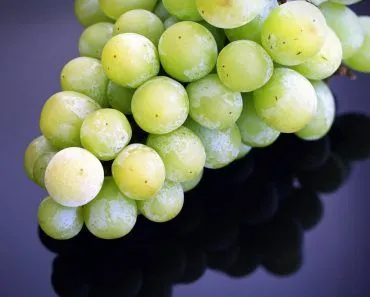
Take the pale green Thompson Seedless grape, one of the most common grapes used to make raisins. Its seedlessness first appeared spontaneously, as a natural change in the plant, and growers simply recognized the useful vine and cloned it by cuttings and grafting, exactly as described above. Seedless watermelons come from a breeding cross rather than a gene edit: the young shoots of one parent plant are treated with a chemical called colchicine to double its chromosomes, and crossing that plant with an ordinary one yields the three-set, seedless fruit. Bananas are seedless for the simplest reason of all: the cultivated varieties are naturally sterile and set fruit without pollination.
Genetic engineering can switch on parthenocarpy in the lab, and researchers have done exactly that in tomatoes and eggplants, as we saw earlier. But those are experimental plants, not the produce stacked on supermarket shelves. In everyday shopping, “seedless” is a story about patient cross-breeding and vegetative cloning, not genetic modification. (If you are curious why even gene-edited crops are often not counted as GMOs, that is a rabbit hole of its own.)
Conclusion
There are many reasons why seedless varieties have been important. Seedlessness can increase the quality and taste of a fruit, especially when the seeds are hard or have a bad taste. There is remarkable texture reduction and prevention of browning when eggplants are developed without seeds. The shelf-life of fruits can also be increased due to the absence of seeds, which adds to their commercial viability.
Seedless fruits might be of great value in the market, but they aren’t very easy to produce, given the various factors involved in their production. While producing seedless fruits, care should be taken that there is no change in the vegetative or reproductive nature of the plant. Another point of concern is the amount of hormones being added. Usually, hormones are present in very minute concentrations, so any significant increase in their quantities can result in other phenotypic abnormalities.
Our knowledge of how plant hormones affect the development of fruits is still in the research stage. With further study, we may be able to exploit this to produce more commercially viable seedless fruits. This gives us a few more years of telling stories and annoying our little siblings about the danger of a watermelon growing from a seed in their belly!
References (click to expand)
- Pandolfini, T. (2009, November 23). Seedless Fruit Production by Hormonal Regulation of Fruit Set. Nutrients. MDPI AG.
- de Jong, M., Mariani, C., & Vriezen, W. H. (2009, January 23). The role of auxin and gibberellin in tomato fruit set. Journal of Experimental Botany. Oxford University Press (OUP).
- How do seedless fruits arise and how are they propagated?. Scientific American
- Parthenocarpy | botany - Encyclopedia Britannica. britannica.com
- Seedless Fruits and Vegetables. How Does That Happen? Piedmont Master Gardeners
- That Watermelon Isn't a GMO! The Science Behind Seedless, Cubed and Colorful Melons. The Non-GMO Project