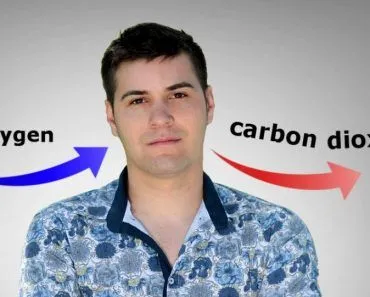
Plants do excrete waste, but they don't "poop" the way animals do. Instead, they get rid of the by-products of photosynthesis and respiration mainly through tiny pores on their leaves called stomata, releasing oxygen by day, carbon dioxide and water vapor by night (transpiration). Excess salts and water can also seep out through specialized glands or droplets on leaf tips (guttation). Solid or gooey waste (gums, resins, latex, tannins, certain alkaloids) is stored in old leaves, bark or vacuoles and shed when those parts drop.
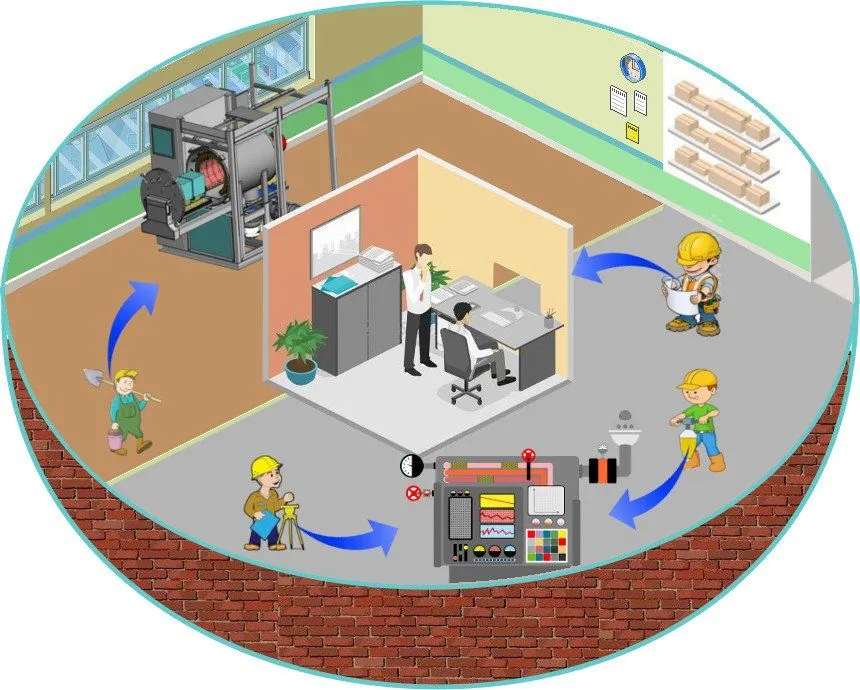
If you were to cut through the layers and peek inside a plant, you would find a highly functional molecular industry inside.
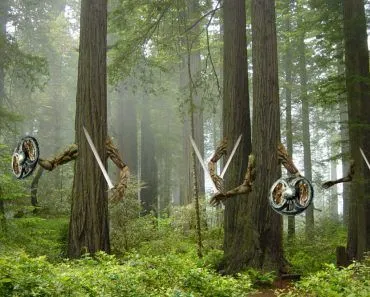
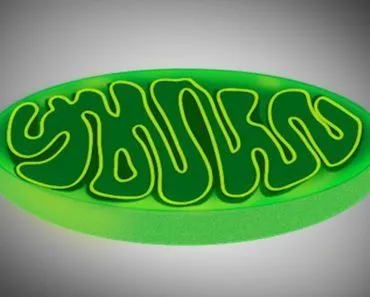
Its resilient workers toil interminably to deliver chemical reactants on conveyor belts and single-wheeled carts, perpetuating a myriad of chemical reactions. The factory is constructed and run by Nature with a single aim: to keep it alive.
Furthermore, plants are not simply a mixed bag of chemicals that are spilled and exchanged randomly, nor do they work incoherently. Because they are exceedingly complex, Nature has divided the labor into teams. One of these methodical systems that remove the waste that accumulates throughout the body is the excretory system.
Excretion is one of the most important life processes that help to regulate life. However, animals are more biologically complex than plants, which is why a plant’s excretion system is much simpler and, consequently, more inept. Demands on a plant’s molecular machines are less taxing than they are on an animal.
The numerous metabolic reactions underlying these processes produce useful products, as well as unwanted toxins. When accumulated, these toxins can be fatal. An excretory system gets rid of these toxins or metabolic waste to ensure a longer, healthier life.
How Do Plants Excrete?
Like I said, plants lack complex machinery. Plants excrete through stomatal pores on their leaves. The major metabolic reactions occurring in a plant that produce this waste are cellular respiration and photosynthesis.
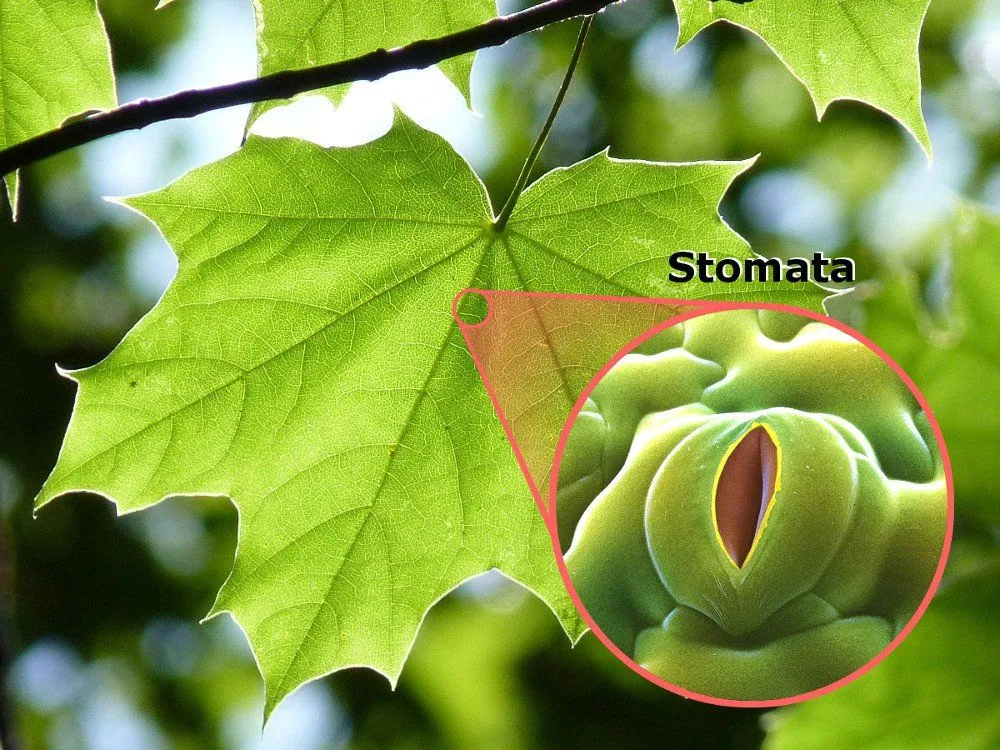
These processes are responsible for most of the gaseous waste produced by a plant. However, as we’ll find out, stomatal pores are not the only opening plants excrete through. This is because other than gases plants also excrete solid or gooey things.
Photosynthesis
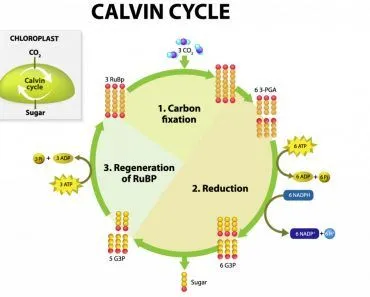
Photosynthesis is the process by which a plant forms simple sugar in the presence of sunlight. A plant converts light energy into chemical energy, which is utilized later to fuel its metabolic reactions. A reaction between water and carbon dioxide produces sugar and oxygen molecules.
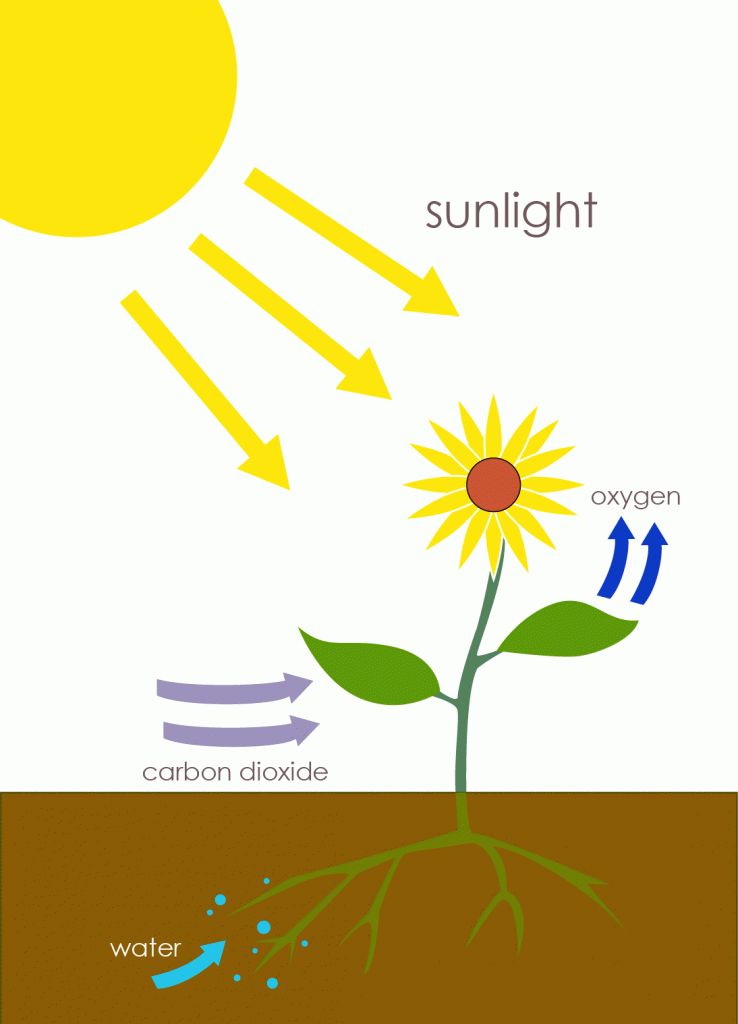
Along with the splitting of water, photosynthesis has to be one of the most consequential processes for the introduction and continuation of life forms. This is how plants provide us the air that we inhale – by breathing in the very air we exhale.
However, for them, oxygen is an undesirable toxin. The oxygen is released through pores into the surrounding air.
Respiration
Plants respire just like every organism does. Respiration is the process by which a plant converts the energy stored in the form of glucose or “food” into resourceful chemical energy. This process is essential for providing the “workers” with the energy to carry out metabolic reactions.
The gaseous waste produced when a plant cell respires is carbon dioxide. The carbon dioxide oozes through its pores and is simultaneously used as the reactant for photosynthesis. Similarly, the oxygen produced by photosynthesis is utilized for cellular respiration.
Plants obtain a voluminous quantity of carbon dioxide from animals, and in return, plants replenish us with oxygen. In this way, plants and animals share a symbiotic relationship. They live and benefit from each other. The absence of one would fatally affect the survival of the other.
Transpiration And Other Excreta
Plants also excrete nitrogenous compounds that are produced in protein metabolic reactions. Another method is transpiration, whereby plants excrete excess water through their leaves, which are suffused with stomatal pores, or they cause this water to profuse from fruits and stems.
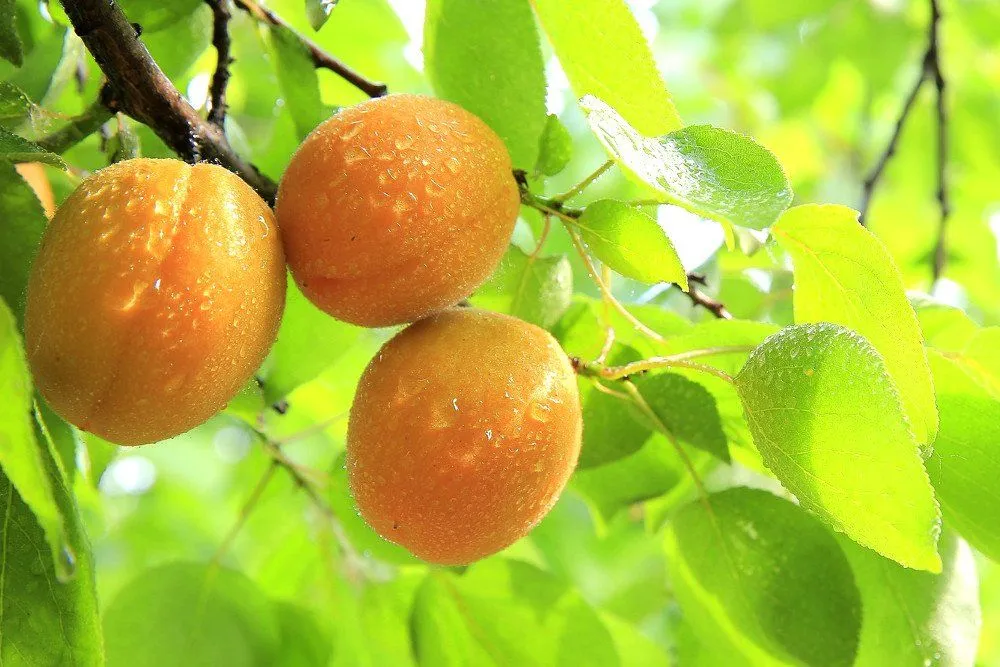
Metabolic reactions also produce organic “waste”, which assumes different shapes and occupies different parts. These include gums, various oils, latex, resins and a multitude of crucial products that we borrow from plants. These substances are found on barks, succulent stems and colorful leaves.
What Are The Main Ways Plants Get Rid Of Waste?
So far we have met the busiest exit door, the stomata, but a plant's waste-disposal department actually runs several conveyor belts at once. It helps to lay them out side by side, because no single route handles everything. Think of it as four overlapping methods rather than one tidy "excretory system".
- Stomatal diffusion. The tiny adjustable pores on the underside of leaves let gaseous by-products slip out. Oxygen leaves during the day, carbon dioxide and water vapor at night, all by simple diffusion through the open stomata.
- Guttation. On a still, humid night, when the stomata are shut and water is still being pushed up from the roots, the excess does not just sit there. Root pressure forces watery xylem sap out through permanently open pores called hydathodes, set at the very tips and margins of the leaves. By dawn you see the result as a neat row of droplets along the leaf edge, a process named guttation. Unlike dew, which condenses from the air, these drops come from inside the plant and carry dissolved sugars and minerals such as potassium with them.
- Lenticels. Once a stem turns woody and the bark seals it off, gases can no longer slip through the old stomata. Special spongy pores called lenticels take over (more on those below).
- Storing and shedding. Anything the plant cannot vent as a gas or flush out with water, such as tannins, resins, gums, latex and various alkaloids, is locked away inside the cell's central vacuole or deposited in old leaves and bark, then dropped when those parts are shed.

A few plants run a fifth belt underground. Roots leak a surprising amount of organic material directly into the soil, a process called root exudation. Estimates suggest plants may release as much as 20 to 40 percent of the carbon they fix in photosynthesis back into the ground, mostly as sugars, amino acids and organic acids. Much of that is deliberate, feeding helpful soil microbes rather than dumping toxins, but it is one more way unwanted compounds end up outside the plant.
How Do Trees Get Rid Of Waste Through Their Bark?
Trees pose a neat little puzzle. A leaf is riddled with stomata, but the trunk of an old oak is wrapped in thick, corky bark that is essentially waterproof and gas-proof. So how does a tree breathe out, and where does its waste go?

The answer is written all over the bark, if you know what to look for. Those raised circular, oval or horizontal streaks dotting the surface of birch, cherry and apple bark are lenticels. Each one is a patch of loosely packed cells riddled with air spaces, a built-in vent through bark that is otherwise impermeable to gases. Through these pores, oxygen, carbon dioxide and water vapor pass freely between the living tissue inside and the open air, doing for the woody trunk what stomata do for the leaf.
The tree's second trick is simply to throw waste away. Tannins, resins and other gooey by-products are steadily salted away in old leaves, the heartwood and the bark itself. When a deciduous tree drops its leaves each autumn, or when bark flakes off, it is also discarding a season's worth of accumulated rubbish. It is a slow, deliberate version of taking out the trash, perfectly suited to an organism that is in no particular hurry.
Why Don't Plants Need An Excretory System Like Animals?
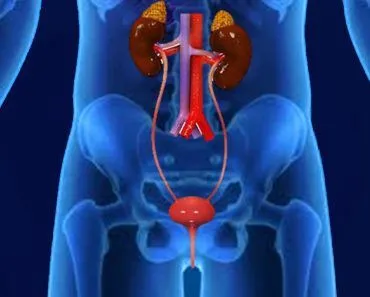
Here is the question that tends to nag at people: animals have kidneys, bladders and a whole plumbing system devoted to waste, so why does a plant get by with a few pores and the occasional dropped leaf? The honest answer is that a plant simply does not generate the same kind of mess.
Animals burn through food at a brisk pace and, in breaking down proteins, churn out toxic nitrogen-rich waste such as ammonia, urea and uric acid that has to be flushed out quickly before it poisons the body. Plants live life in a much lower gear. Their metabolism is slower, and crucially, they treat nitrogen as treasure rather than trash. Instead of excreting spent nitrogen compounds, a plant recycles them: nitrogen is shuttled around the body as amino acids through the xylem and phloem and pulled back out of ageing leaves before they fall, then reused to build new tissue elsewhere. What would be waste in an animal is a reusable building block in a plant.
That single difference explains the whole picture. Because plants make far less toxic nitrogenous waste and recycle most of what they do make, they never needed to evolve a dedicated excretory system. The leftover by-products are gentle enough to be vented as gases, washed out in droplets, leaked into the soil, or quietly walled up and shed with the leaves. It is excretion by a thousand small exits rather than one big organ, and for a plant, that is more than enough.
References (click to expand)
- Cellular Respiration - msu.edu
- PHOTOSYNTHESIS - www2.estrellamountain.edu
- Gas Exchange in Plants (stomata and lenticels) - Biology LibreTexts
- Guttation (hydathodes and root pressure) - Wikipedia
- Lenticel (gas exchange through bark) - Wikipedia
- Amino Acid Export in Plants: A Missing Link in Nitrogen Cycling - Molecular Plant (PMC)
- Root Exudation of Primary Metabolites - Frontiers in Plant Science (PMC)