Table of Contents (click to expand)
A supernova is the powerful explosion of a dying star. It happens either when a white dwarf pulls too much matter from a companion star, or when a massive star runs out of fuel and its core collapses. A supernova can briefly outshine an entire galaxy and forges many of the heavy elements that build planets and life.
A dazzling bright star sparkled into view in the corner of the night sky while you gazed out into the cosmic void. It was a mere speck in the vast fabric of space, one among a million more, but something was different about this particular twinkler. This spectacular light show wasn’t there a few hours ago, yet now it burns like a beacon!
What Causes A Supernova?
A supernova occurs when there is a change in the core of a star, one much bigger than our sun. These changes can occur in two different ways, both of which result in a supernova.
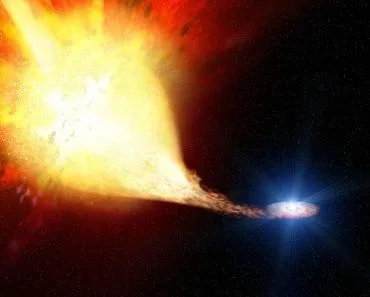
The first type of supernova is associated with binary star systems. Binary stars are two stars that orbit the same point, or center of mass. When one of the stars, a white dwarf (an incredibly dense, burnt-out star that packs roughly the mass of our sun into a body about the size of Earth), steals matter from its companion star as it orbits the axis, it begins to accumulate enormous amounts of matter. This causes the star to eventually explode, resulting in a supernova.
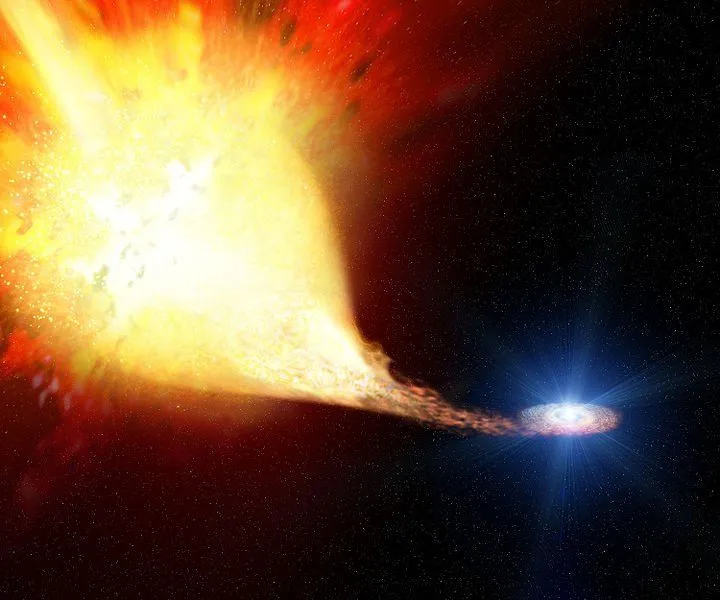
The second type of supernovae occurs at the end of a single massive star’s lifetime. It is important to note that not all stars “go supernova”; only those with at least about eight times the mass of our sun. After the star has burnt up its reserves, the nuclear fusion in the core comes to a standstill, and the star’s mass begins to flow into its core.
Eventually, the core gets immensely dense, to the point where it can no longer withstand its own gravitational force. This results in a core collapse, paving the way for a catastrophic and violent explosion, known as a supernova. Think about how massive our sun is, in comparison to its planets, and yet its mass is nowhere near that of the massive star that could end in a supernova.
The Destroyer/Creator: Amazing Facts
- Supernovae can be brighter than an entire galaxy. One single supernova can easily outshine an entire galaxy of stars in its release of a single burst of energy. In a short period of time, it might generate more energy than what our sun might generate in its entire 10 billion-year lifespan.
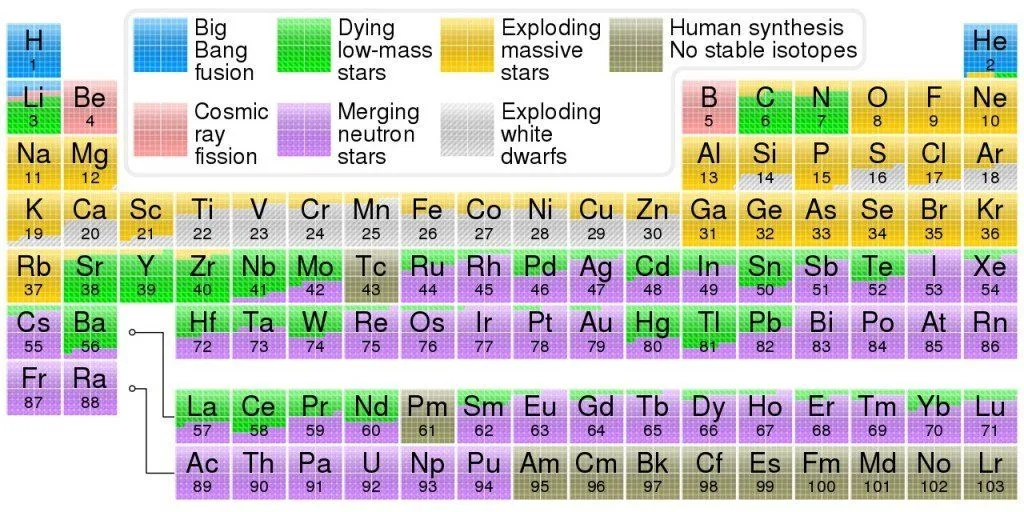
- Most known elements are made in supernovae. The nuclear process inside stars, termed stellar nucleosynthesis, fuses hydrogen to build heavier elements. Everything from helium up to iron is forged in the core of a star. However, the formation of elements heavier than iron requires something hotter and far more energetic than a stellar core, the kind of conditions found in the instant of a supernova!
- Roughly once a second, a supernova goes off somewhere in the universe. Across all the galaxies in the cosmos, supernovae happen far more often than you might imagine. Luckily, the Milky Way only has an average of two supernovae per century, so trying to observe one at the moment it happens is a tricky task. The last supernova seen with the naked eye in our own galaxy appeared over 400 years ago, in 1604. Johannes Kepler studied it so closely that it now bears his name; at the time, he and his contemporaries simply called it a “new star,” since the concept of an exploding star did not yet exist.
- Not all supernovae are star destroyers. In some instances, stellar explosions don’t end up destroying their progenitor stars: these are known as stellar impostors. They can’t be considered true supernovae, although they can easily be mistaken for one. Instead, they can be considered an especially powerful nova, something quite similar to a supernova, which causes a star to release a significantly increased amount of energy for a short period.
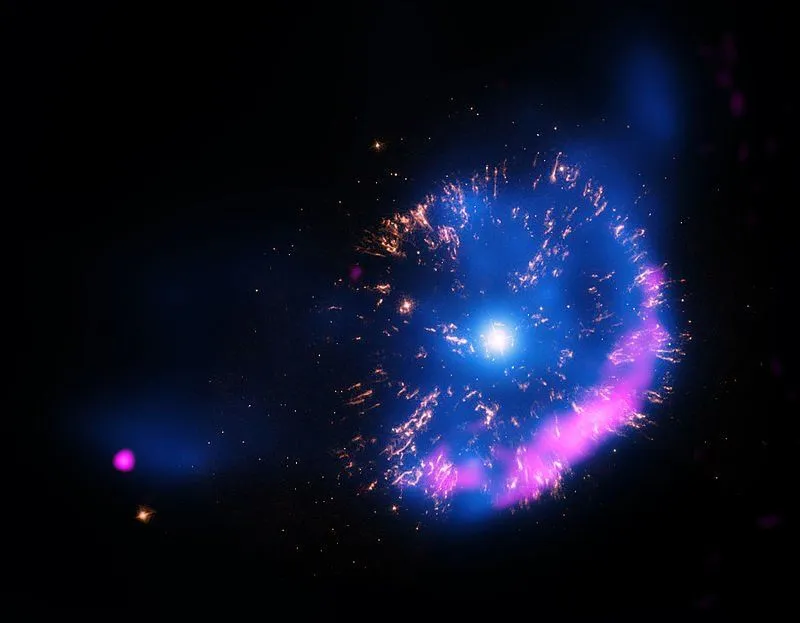
- The Creators of incredibly beautiful remnants. The result of these immense and apparently destructive forces is often quite stunning. Some of the most magnificent stellar objects in existence, like the glowing Crab Nebula, are the expanding remnants of supernovae that exploded hundreds or thousands of years ago, and observing one is the dream of every astronomer.
But Why Do Scientists Study Supernovae?
A supernova only burns for a small while, yet each one lets out an incredible amount of information regarding our universe.
Supernovae have shown scientists that we live in an expanding universe (by observing the redshift), one that is growing at an ever-increasing rate. Astronomers have concluded that supernovae play a vital role in distributing the elements produced in their cores throughout the universe.
When a star explodes, it flings elements and debris across space, spanning millions of kilometers (millions of miles), which eventually condense to form new stars and celestial bodies. Most of the elements we find here on Earth likely had their origins in the core of a star. These building blocks go on to form new stars, planets and every other cosmic body in the universe.
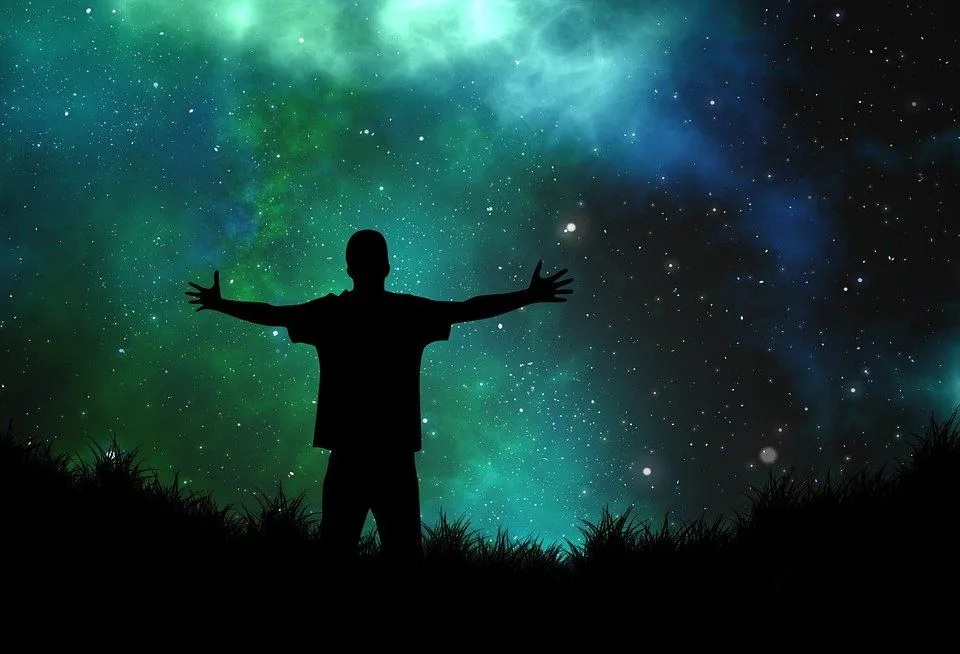
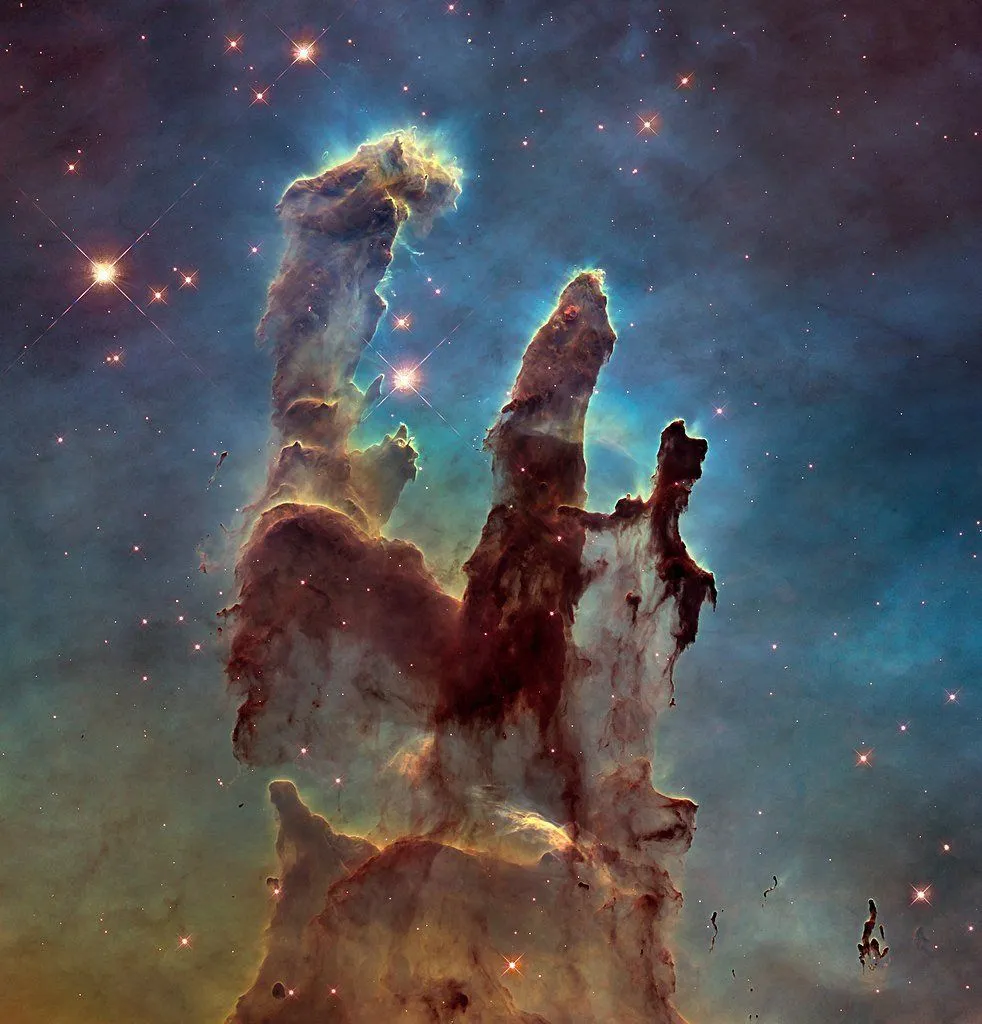
The sight of a supernova explosion might be awful and mesmerizing at the same time, as the beauty of destruction is not always euphoric, yet these humbling events are the celestial distributors of seeds, the explosive pillars of creation.
References (click to expand)
- Supernovae - Hyperphysics. Georgia State University
- 420 Years Ago: Astronomer Johannes Kepler Observes a Supernova. NASA
- Mazzali, P. A., et al. (2008). The Metamorphosis of Supernova SN 2008D/XRF 080109: A Link Between Supernovae and GRBs/Hypernovae. Science. American Association for the Advancement of Science (AAAS).