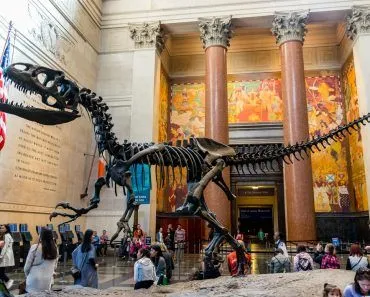
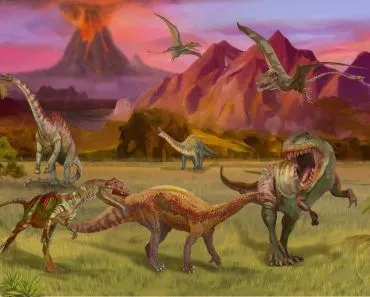
Just as ancient fossils tell us about life on the early Earth, the fossils we leave behind will tell future generations the story of us. They will record the species we drove extinct, a sharp drop in biodiversity, acidified oceans, and a planet reshaped by our "technofossils" of plastic, concrete, and bone.
We’re all going to die, and in millions of years we may become fossils. We humans, and our furry friends, could one day be the subject of study by future paleontologists.
But what kind of story will our fossils tell about us and our planet?
Well, it’s quite possible that the fossil record of today will reveal a lot about the impact that human activities have had on the environment.
The good thing is that this “future generation” will be able to learn from our mistakes and change things for the better. We should take action now to care for our planet, just as a small seed can grow into a beautiful plant, provided it has proper care and attention.
For now, let’s explore what mysteries future paleontologists may dig up from our lives today!
More Extinct Species
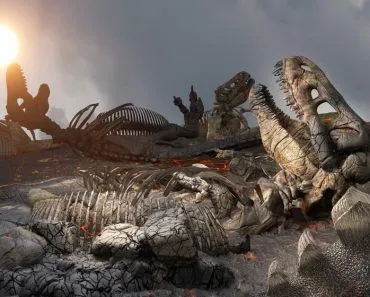
Today’s fossils will tell the story of a heartbreaking loss: the extinction of countless species as a result of human activity.
Future paleontologists may discover the fossils of exotic animals, similar to a treasured old photo album, providing a glimpse into the diverse world that once existed.
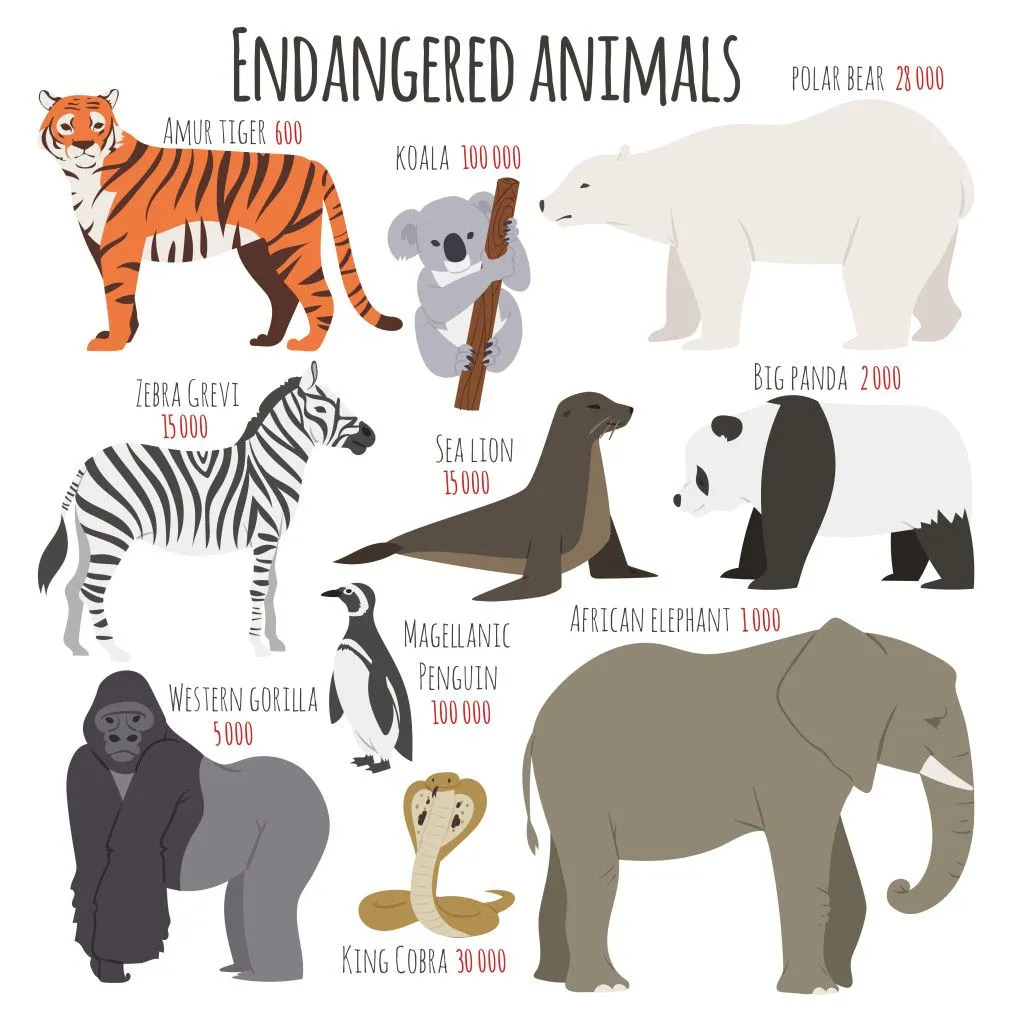
Passenger pigeons, Tasmanian tigers, and dodo birds have all gone extinct as a result of human activity. The dodo was hunted out within a century of European sailors reaching Mauritius; the last passenger pigeon, Martha, died in a zoo in 1914; and the last known thylacine died in captivity in 1936. A few newer members who are not extinct, but may be on their way out, will also be added to the list. These fossils act as a time capsule of our past mistakes, reminding future generations to prioritize conservation efforts.
Loss Of Biodiversity And Species Diversity
Today’s fossil record may also tell a story of biodiversity loss and a decline in species diversity. Global biodiversity has declined significantly due to habitat loss, overharvesting, and the introduction of invasive species. Loss of biodiversity is analogous to losing puzzle pieces, but each piece is critical for the overall picture to be complete. Just as different crayon colors are required to create a beautiful picture, diverse species are required to maintain a beautiful and healthy planet.
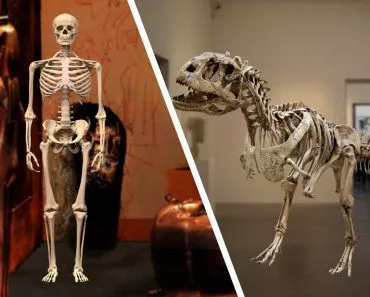
Because we bury our loved ones and pets, the chances of finding fossils of humans and their pets are likely to increase, as this means of “disposal” provides a more stable environment for the preservation of fossils.
These fossils may provide a unique perspective on contemporary daily life and cultural practices, as well as a reminder of our shared history.
Fewer Marine Fossils
Usually, fossils are better preserved in oceans, as they get buried almost immediately by sediments. However, it may not be easy to find oceanic fossils in the future, akin to trying to find a needle in a haystack, as the increasing acidity of the ocean may affect the preservation of fossils.
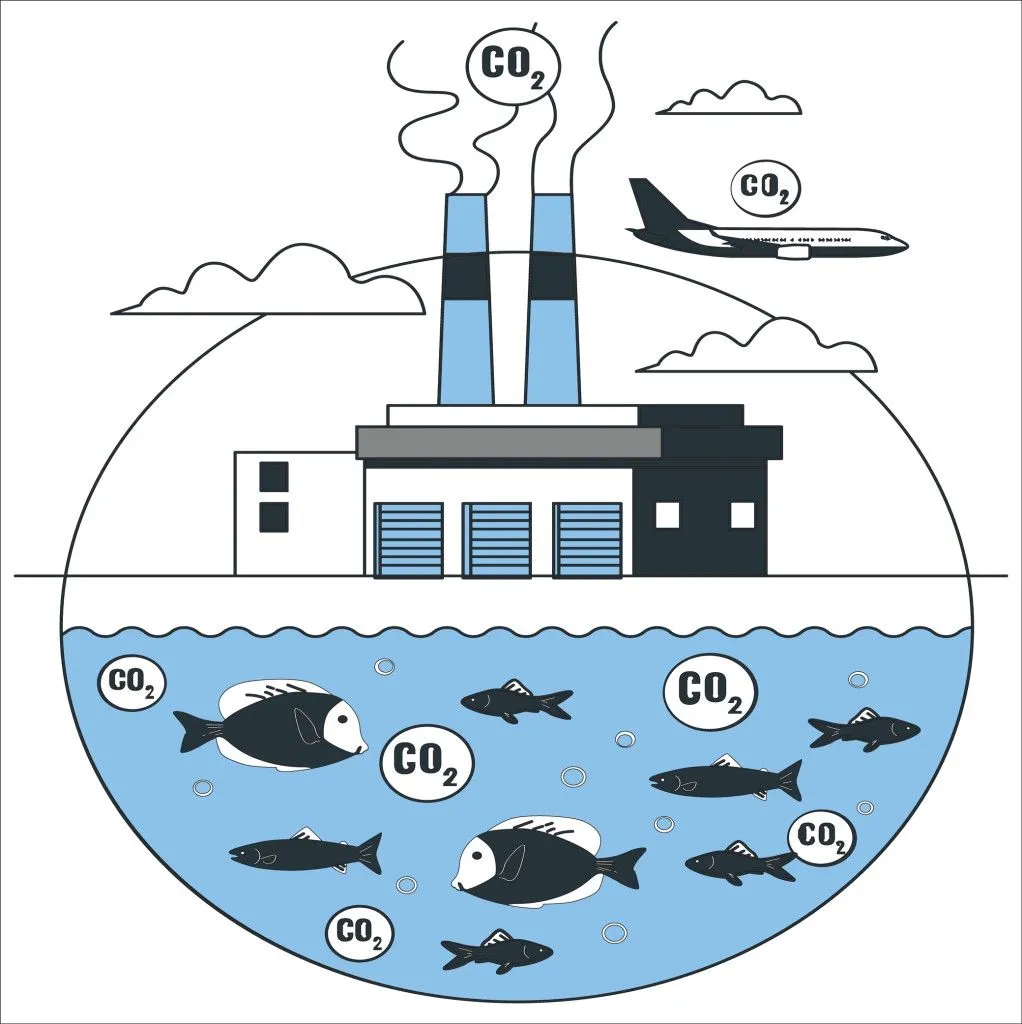
The acidity of the oceans has increased significantly as a result of carbon dioxide emissions from the combustion of fossil fuels, causing significant harm to marine life. As the seawater takes up more CO2, it turns into carbonic acid, and the same shells and skeletons made of calcium carbonate that become fossils start to dissolve. It appears that the oceans are becoming hostile environments, and the fossils that do survive will tell the story of how we have negatively impacted the seas.
Paleontologists may discover that the oceans are no longer thriving ecosystems. Instead, they may discover a world of scarcity and decay, where species have become extinct and the oceans have grown polluted.
However, there is still hope. We can learn from our mistakes and take action to prevent further harm by studying the fossil record. We can make the oceans more hospitable for marine life and ensure that future fossils tell a different story, one of restoration and renewal.
Increased Nitrogen Concentration
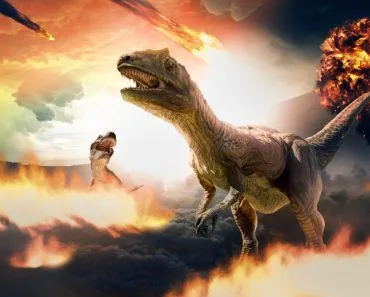
It is well known that an unusual spike of an element, iridium, in the rock layers marked the end of the dinosaur era. Iridium is rare in Earth’s crust but common in asteroids, so this thin worldwide layer pointed to a massive impact (the one that carved out the Chicxulub crater) as the trigger for that extinction. In the same way, today’s fossils may carry chemical fingerprints of our present-day conditions.
For example, increased nitrogen levels in the soil due to synthetic fertilizer production and fossil fuel burning could be evident in future fossils. The Haber-Bosch process, which pulls nitrogen straight out of the air to make fertilizer, has roughly doubled the amount of reactive nitrogen cycling through the planet. Nitrogen is a critical nutrient for plant growth, but excessive amounts can lead to environmental problems, such as eutrophication, where the runaway growth of algae reduces oxygen levels in water bodies, causing harm to aquatic life.
The evidence of increased nitrogen levels and the drastic increase in CO2 and greenhouse gases will highlight humanity’s contribution to significant changes in the environment. It is crucial to acknowledge our role in shaping the planet’s future and take measures immediately to mitigate negative effects.
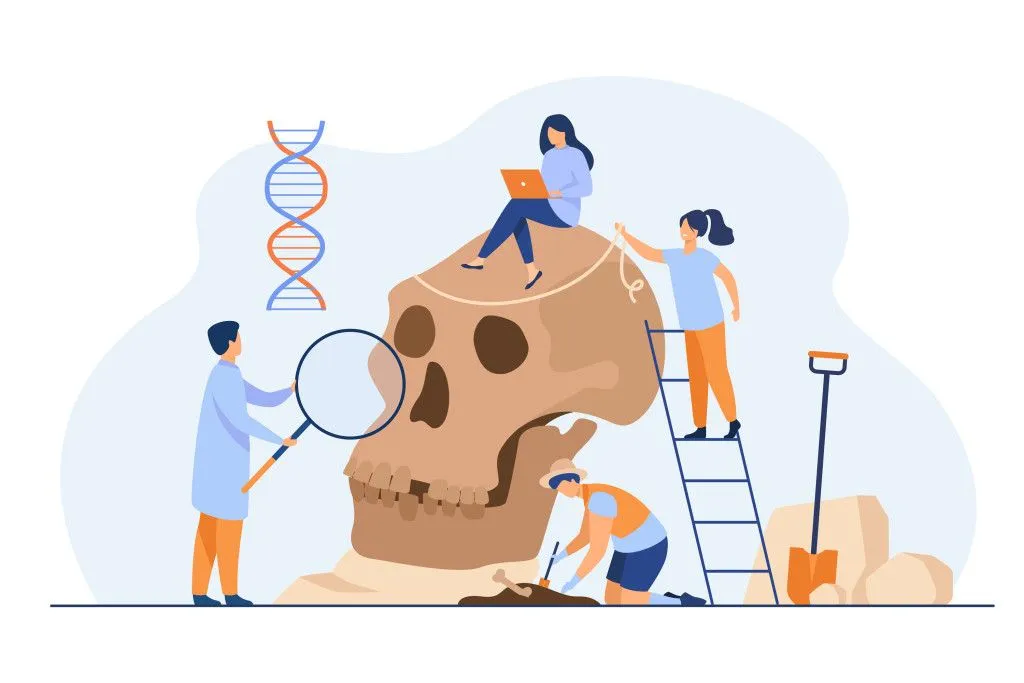
Technofossils And The Anthropocene
Not everything we leave behind will be bone. Paleontologists Sarah Gabbott and Jan Zalasiewicz have a name for the stranger half of our legacy: "technofossils." These are the things we make rather than the things we are, including plastic bottles, ballpoint pens, aluminum cans, concrete, and even the humble teabag. Humans have already produced about 8.3 billion metric tons (roughly 9 billion US tons) of plastic since the 1950s, much of it already buried in landfills, and most of it is not going anywhere fast. To a digger 10 million years from now, a flattened smartphone or a wind-turbine blade could be every bit as telling as a dinosaur footprint.
One of the most distinctive fossils of all may be the broiler chicken. We slaughter tens of billions of them every year, far more than any wild bird, and their bones pile up in landfills around the world. That single, fast-growing, human-bred animal could end up as one of the clearest signatures of our age in the rock.
This sweeping human imprint is exactly what people mean by the "Anthropocene," the idea that our species has become a planet-shaping geological force. It is worth being precise here, though: in 2024 the International Union of Geological Sciences rejected a proposal to add the Anthropocene to the official geological timescale as a formal epoch, largely because its sediment record is still so thin and recent. The term has not gone away; scientists, writers, and the public still use it (often as an informal "event") to describe the mark we are leaving. Whatever we call it, the fossils will record it.
Conclusion
Today’s fossil record will bear witness to the impact of human activity on our planet, highlighting our successes, failures, and everything in between. From the extinction of exotic species to the loss of biodiversity, today’s fossil record will be a valuable resource for future generations, namely to learn from our mistakes.
Paleontologists of the future may study our remains to understand how our actions shaped the planet, just as archaeologists today can unearth and study the remains of ancient civilizations.
The lessons learned from studying today’s fossils could help future generations make better decisions and take action to mitigate the negative effects of human activity on the broader ecosystems of the planet. By doing so, they can contribute to a more sustainable future for many generations to come.
References (click to expand)
- Kyne, P. M., & Adams, V. M. (2016, May 3). Extinct flagships: linking extinct and threatened species. Oryx. Cambridge University Press (CUP).
- Geyer, R., Jambeck, J. R., & Law, K. L. (2017). Production, use, and fate of all plastics ever made. Science Advances. American Association for the Advancement of Science (AAAS).
- Alvarez, L. W., Alvarez, W., Asaro, F., & Michel, H. V. (1980). Extraterrestrial Cause for the Cretaceous-Tertiary Extinction. Science. American Association for the Advancement of Science (AAAS).
- The Anthropocene. International Union of Geological Sciences (IUGS), March 20, 2024.
- Our Technofossils Will Define Us Forever. Scientific American.
- Bennett, C. E., et al. (2018). The broiler chicken as a signal of a human reconfigured biosphere. Royal Society Open Science. PMC, National Library of Medicine.
- Mulvaney, R. L., Khan, S. A., & Ellsworth, T. R. (2009, November). Synthetic Nitrogen Fertilizers Deplete Soil Nitrogen: A Global Dilemma for Sustainable Cereal Production. Journal of Environmental Quality. Wiley.
- Livestock, Pets and People Will Dominate Future Fossils.