Table of Contents (click to expand)
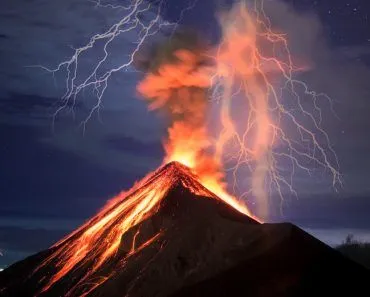
Whether a volcano explodes or simply oozes comes down to its magma. Runny, low-silica basaltic magma lets dissolved gas bubble out gently, so it erupts as flowing lava. Thick, high-silica magma traps that gas until the built-up pressure shatters the rock, producing a violent, explosive eruption.
The most creative explanation that I could come up with for volcanic eruption is that it is Mother Nature’s personal firework show!
Jokes aside, a volcanic eruption is a fascinating and dangerous phenomenon that can claim lives and change the planet itself.
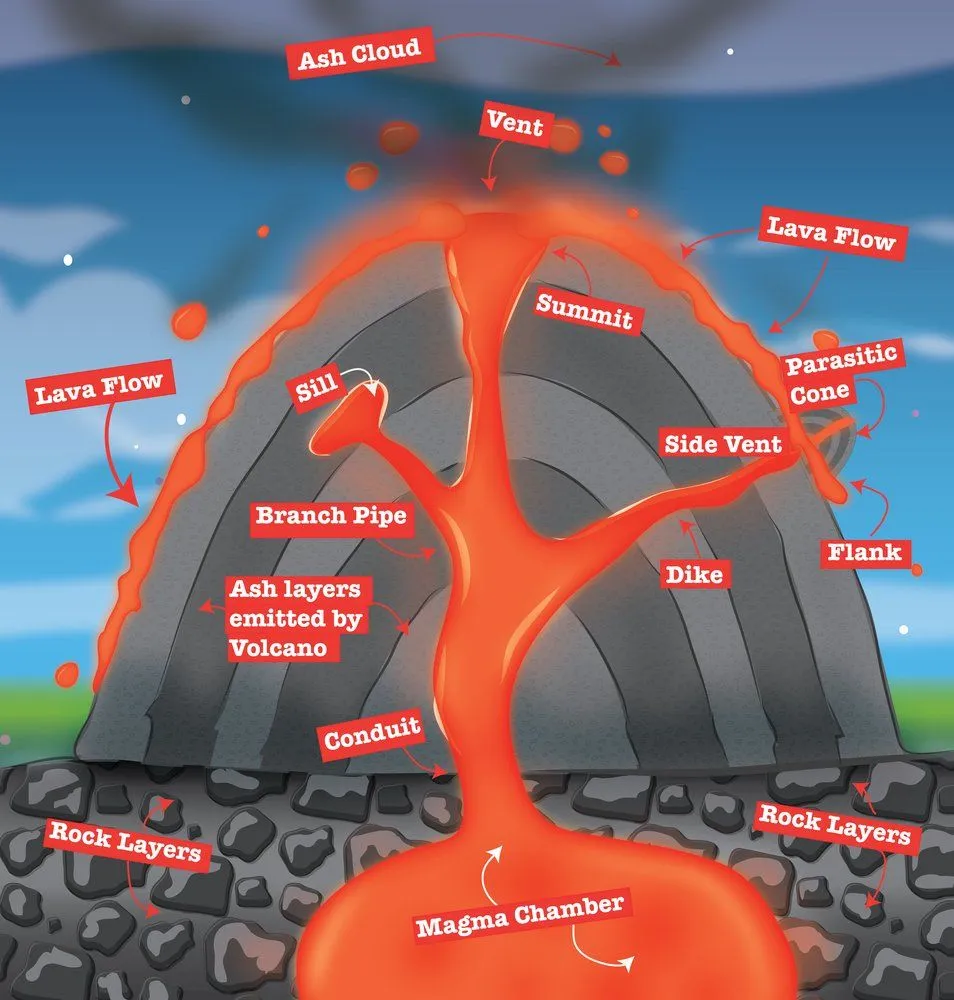
Volcanoes are mountains with a long vent, a columnar channel that runs from a reservoir of molten rock down in the crust or upper mantle up to the surface. This vent lets the magma stored beneath the volcano work its way up. However, the eruption story isn’t that simple.
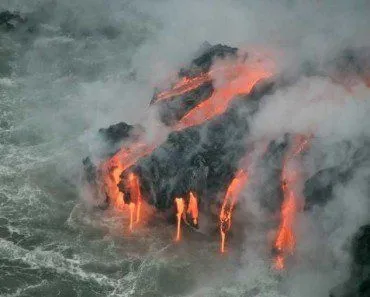
Some volcanoes erupt with a loud explosion, while others spurt lava continuously or at intervals, but more peacefully. There are very few volcanoes that do not erupt, but are considered active nonetheless. The cause of this difference lies in the composition of each volcano’s magma.
Magma Chamber Underneath A Volcano
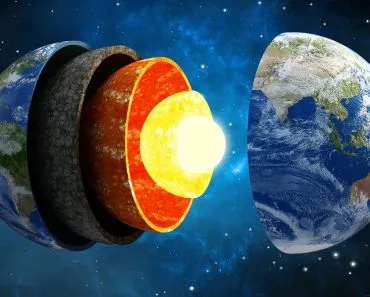
Volcanoes have a magma chamber underneath them. Magma is molten rock that also carries crystals, rock fragments and dissolved gases, and it is rich in elements like silicon, oxygen, iron, aluminum, magnesium and calcium. What melts the rock in the first place, you ask? Not Earth’s core (that sits thousands of kilometers down). Magma forms much closer to the surface, in the crust and upper mantle, where rock melts as pressure drops, water and other volatiles are added, or temperatures climb.
Also, there are other processes that happen above, below, and inside the magma chamber that replenish the stores of magma, causing it to increase in volume and pressure.
Role Of Tectonic Plates In Volcanoes
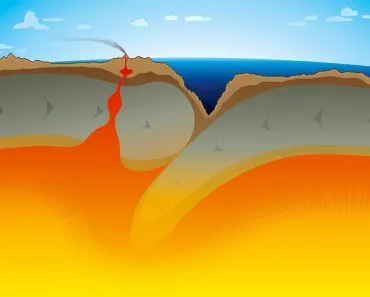
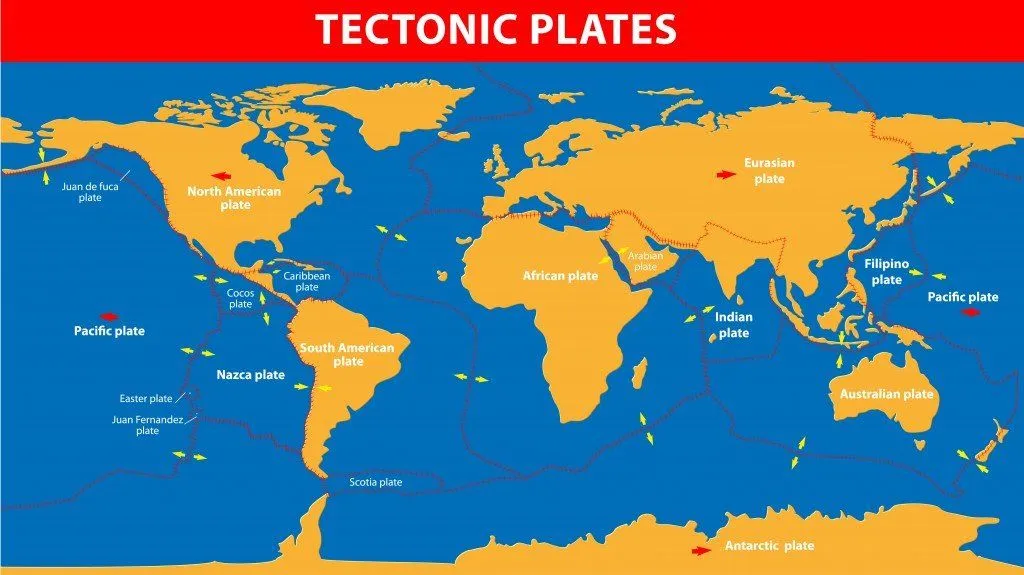
Our Earth is wrapped in tectonic plates (huge slabs of rock, if you will) that span entire continents. There are seven major plates and a patchwork of smaller ones, all slowly grinding past, into, or away from each other. The places where the edges of these plates meet are far more prone to earthquakes and volcanic activity because of all that shifting.
Mountains that sit over these plate edges are more likely to be volcanic. As the plates move, rock can melt for a few reasons: the pressure on it drops as one plate pulls away from another, or water released from a sinking plate lowers the rock’s melting point. This molten rock collects in the magma chamber and adds to its volume.
Fresh batches of magma also rise into the chamber from below and recharge it, while inside the chamber some magma cools and crystallizes, with the denser crystals sinking through the molten slush. Over time, this recharge and the gas coming out of solution raise the pressure in the chamber.
What happens when you try to fill a bottle that is already full to the brim? It spills over, right?
Similarly, the magma chamber cannot contain the increase in volume and the only place for the magma to go is upwards to the surface.
If there are smaller vents along the volcano, then the magma can ooze out slowly through these vents. If there is no way out, however, it outpours through the singular vent in the volcano.
However, this still does not explain the explosion.
Why Do Certain Volcanoes Erupt So Violently?
Magma in the chamber is always moving. Its temperature usually falls somewhere between 700 and 1,300 °C (about 1,300 to 2,400 °F), with the cooler end belonging to thick, silica-rich magmas and the hotter end to runny basaltic ones.
That heat matters. According to Gay-Lussac’s Law, for a trapped gas, pressure rises in step with temperature. So between the sheer weight of overlying rock and the hot, expanding gases dissolved in the magma, the pressure inside the chamber is tremendous.
To picture what happens when that pressure has no easy escape route, shake a bottle of soda for a minute and then crack the cap. The drink shoots out because the dissolved gas suddenly comes out of solution and expands. A volcano works much the same way: as magma nears the surface and the pressure on it drops, dissolved gases form bubbles. If the magma is too stiff for those bubbles to slip free, the gas keeps building until it blasts the magma out through the vent, which causes an explosion.
As mentioned before, the composition of the magma, and more specifically how much silica it contains, decides how big or small the explosion will be. The key is not density but viscosity, or how thick and sticky the magma is. Silica molecules link up into long chains, and the more silica there is, the more these chains stiffen the magma. In thick, high-silica magma, gas bubbles cannot rise and escape, so they stay trapped.
Hence, volcanoes fed by high-silica magma tend to erupt violently. Rhyolite, the rock such magma forms, contains roughly 70% silica or more, making it extremely viscous and prone to explosive blasts of ash and pumice. Basalt sits at the other end: with only about 50% silica, it is runny enough for gas to bubble out gently, so basaltic volcanoes mostly ooze lava rather than detonate. When an explosive eruption does occur, the escaping gas tears the magma apart and flings it skyward, where it cools so fast that it freezes into fragments of rock, pumice and the fine particles we call volcanic ash.
In simpler terms, a volcanic explosion is like Earth’s burp, or perhaps a huge tantrum to advocate against climate change!