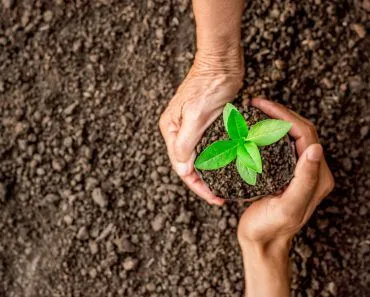
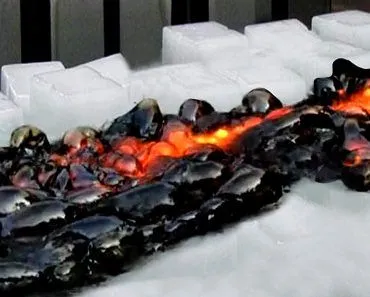
Volcanic soil is so fertile because it is derived from both volcanic lava and volcanic ash, both of which are rich in certain key nutrients, such as iron, calcium, magnesium, sodium, potassium, phosphorous, sulfur, silicon and many other trace elements, a rich combination that can act as a stimulant for plant growth.
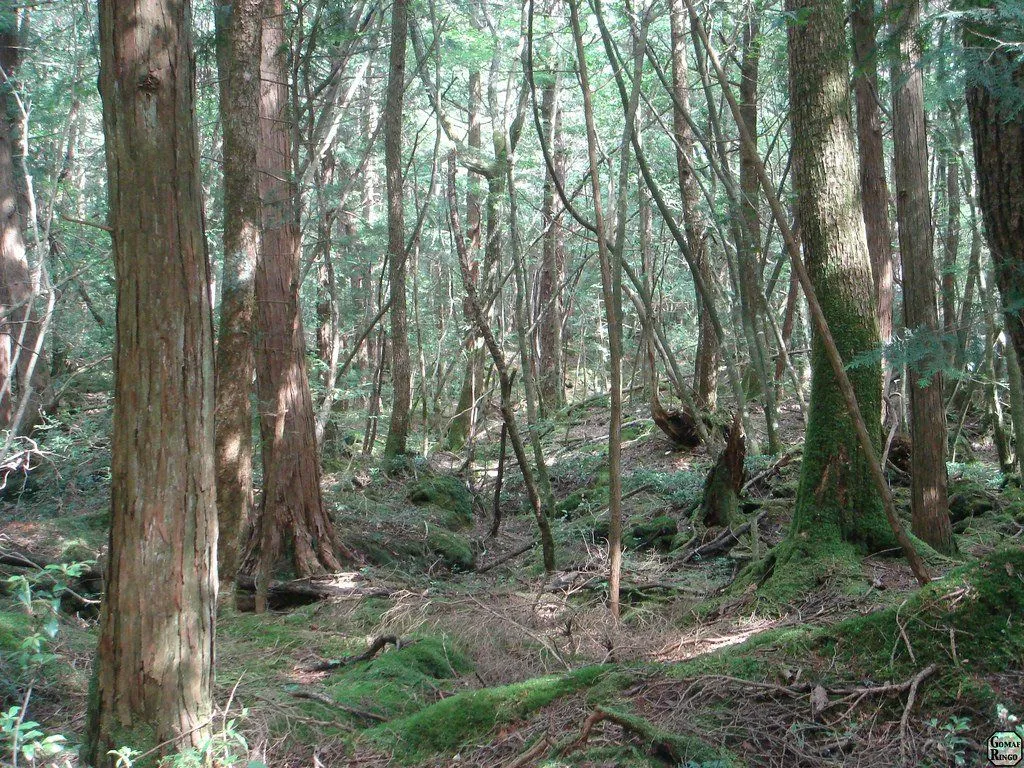
Have you ever seen pictures of Aokigahara, the legendary forest that surrounds the northwestern side of Mt. Fuji? Also known as the Sea of Trees, this lush and mysterious landscape emerged following the last major eruption of the volcano in the 9th century. Or perhaps you have visited the Hawaiian Islands, which boast some of the greenest and most beautiful ecosystems on the planet, yet this idyllic island chain was formed exclusively from volcanic activity.
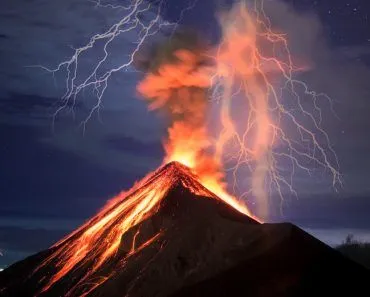
These seem like strange environments when we think of volcanic eruptions, because our minds so often go to Hollywood depictions, with streams of scorching lava racing down streets and mountainsides, or massive plumes of fire and smoke billowing up into the sky. Volcanic eruptions are massive disasters, devastating homes, cities and entire civilizations; the insanely hot lava engulfs everything it touches in flame. Last year, in 2018, there was major volcanic activity on Hawaii’s Big Island from Mt. Kilauea, and you likely saw the viral video footage of lava swallowing entire cars in flame and destruction.

If volcanoes are so violent and destructive, why have some of the most abundant and lush ecosystems in the world been able to not only survive, but thrive in the aftermath of these fiery explosions from the Earth? As the title of this article suggests, this flourishing of life is due to the fertility of the soil in these areas. Let’s take a closer look at these ecosystems and discover the hidden secrets of volcanic soil.
What Is Volcanic Soil?
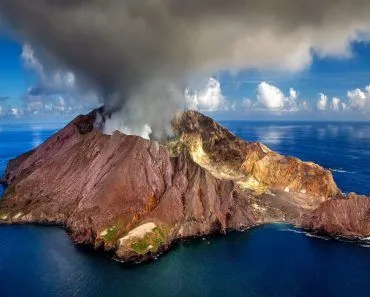
What do you think happens after those lava flows have slowed and hardened and cooled? After the volcano has stopped belching out death and fire, the temperatures will eventually fall and a new stasis will be reached. In some cases, the lava fields that form after a volcanic eruption, the largest of which can stretch for dozens of square miles, will permanently change the ecosystem in the area. The fallen ash cloud’s total area can stretch for hundreds of square miles.
However, these lava fields also represent a restart for an area, because once that lava hardens and begins to break down (anywhere from a few years to a few hundred years, depending on rainfall), it will turn into rich soil. It is important to understand that dirt in every part of the world is different, composed of different mineral concentrations, particulate matter, pollutants, and any other substance that floats in the atmosphere in a given region. Volcanic soil is no different, despite being created in such a dramatic fashion.

Volcanic soil, which belongs to a category of soils known as andisols, is derived from both volcanic lava and volcanic ash, both of which are rich in certain key nutrients, such as iron, calcium, magnesium, sodium, potassium, phosphorous, sulfur, silicon and many other trace elements, a rich combination that can act as a stimulant for plant growth. When volcanic ash and lava fall in the same place, particularly if the region receives good amounts of precipitation, this is an ideal situation for rapid regrowth and abundance of plant growth. However, soil derived from ash and soil derived from lava, on their own, is not necessarily the same thing. Let’s take a brief closer look.
Lava Vs Ash
It is important to understand that an ash cloud may be sent extremely high into the atmosphere (the highest plume from Mount St. Helens went more than 30 km, about 19 miles, into the air!) Thus, as these massive clouds of ash are moved by wind currents in different directions, they can stretch much further than the flowing lava, in most cases, meaning that the ash may land on parts of the earth that haven’t been scorched by fire. This ash is rich in minerals, as explained above, and while they may temporarily leave behind a gray wasteland of ash that chokes much of the life in the area, that is only temporary. The ash is very fine, and will become integrated with the soil relatively quickly, provided the ash isn’t overly acidic. The regrowth of trees could take decades, but in terms of geologic time, that is the blink of an eye. In the course of a single human lifetime, an ecosystem could recover and become abundant, eager for growth thanks to the integration of ash.
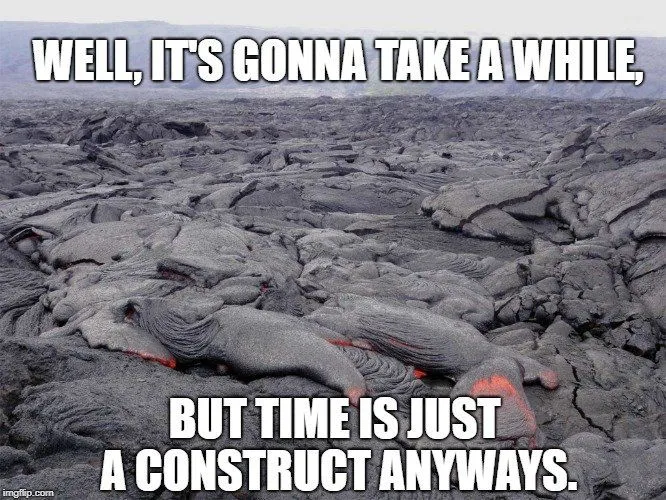
When a lava flow floods into an area, however, it could take hundreds or even hundreds of thousands of years to fully recover. That may sound like a long time from a human perspective, but it is relatively short in geologic time, which stretches back billions of years. The obvious difference between lava and ash is that when lava cools and hardens, it basically turns into solid rock. The newly formed lava field will have to wait for rainfall to weather the rock into smaller particles, to form cracks and gaps where seeds can fall and eventually take root. As mentioned above, lava can take hundreds of years to break down, meaning that it can take much longer for an ecosystem to scrape back into existence and flourish.
When the soil does break down, however, it is some of the most lush soil on the planet, able to create places as beautiful as the Hawaiian Islands and Aokigahara. Many of the mountainsides of the mightiest volcanoes on the planet, peaks that have been bathed in dozens, hundreds or thousands of eruptions, after hundreds of thousands of years, have found a way to once more support abundant life.
Is Volcanic Soil Always Long-Term Beneficial For An Ecosystem?
While it sounds like volcanoes are a natural recycling program of the planet, one that adds essential nutrients to ecosystems and soils, there are some potential downsides to volcanic soil. Depending on the particular chemical composition of the ash and lava, it could have a negative impact on the soil, primarily through making the soil more acidic. This can make it more difficult for some plant life to grow, and the soil is widely considered less fertile. If there is a high concentration of hydrogen ions in the ash and lava, it could be detrimental to the soil, although it could correct itself over longer periods of time. Sulfur is also often present, and as it oxidizes it forms sulfuric acid, which lowers the pH and pushes the soil further toward the acidic end of the scale.
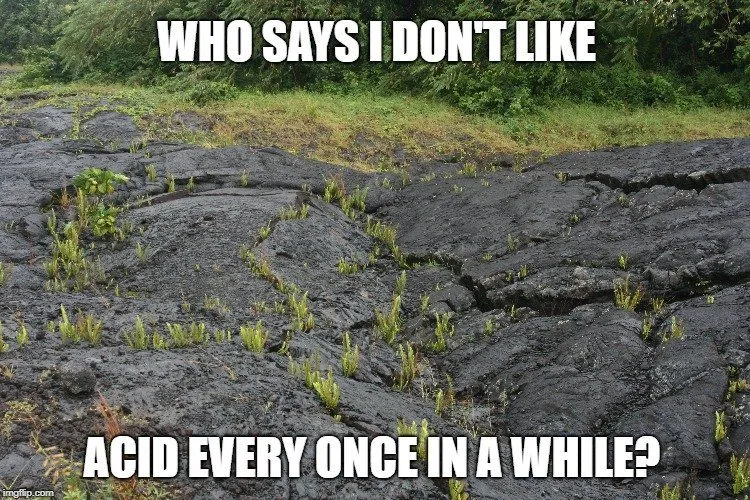
Remember, however, that many plants prefer a more acidic environment, and thanks to the wonders of natural selection and the adaptive nature of life, life will fill every viable niche, if given enough time!
What Exactly Makes Volcanic Soil So Fertile?
Let's get specific, because "it's rich in minerals" is the kind of answer that earns a raised eyebrow from a teacher. There are really three things working together, and you need all three for that famous fertility.
First, the raw ingredients. Fresh volcanic ash and lava carry a generous load of the elements plants crave: potassium (K), calcium (Ca), magnesium (Mg), iron (Fe), and a long tail of trace nutrients like zinc and manganese. A single ash layer just 10 cm (about 4 inches) deep can deliver something on the order of tens of megagrams of potassium oxide per hectare, which is a serious deposit of plant food dropped from the sky for free.
Second, rapid weathering. Most ordinary rock surrenders its nutrients grudgingly, over thousands of years. Volcanic glass and the minerals in fresh ash are chemically unstable, so they break down far faster, releasing their stored elements into the soil water where roots can actually reach them. The flip side is that this is not instant. The ash typically needs a few years of rain and chemistry before it starts giving up its nutrients in earnest.
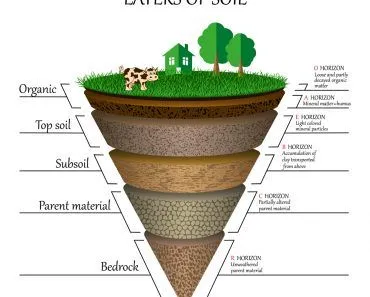
Third, structure. As the glass weathers, it forms incredibly fine particles with an enormous internal surface area. That texture lets the soil grip water and nutrients instead of letting them drain straight through, which is why volcanic soils stay moist and well stocked. If you want the deeper story on how loose mineral material turns into proper, layered soil, we cover that in how soil is formed and how many layers it has.
Why Is An Andisol So Fertile?
If you have run into this question on a quiz or worksheet, you have met the formal name for volcanic soil: the Andisol. In the USDA soil taxonomy, Andisols are the soil order that forms in volcanic ash and other volcanic ejecta, and the name comes from the Japanese ando, meaning "black soil." They are actually the rarest of the twelve soil orders, covering only about 1% of the planet's ice-free land, clustered along the Pacific "Ring of Fire" from the Andes to Japan to the Pacific Northwest.
So why is an Andisol so fertile? The short, exam-ready answer: it is a young soil that is rich in minerals released from volcanic deposits, and it holds water and nutrients exceptionally well. As the volcanic glass weathers, it produces a family of "short-range-order" minerals with almost no orderly crystal structure, chiefly allophane, imogolite, and ferrihydrite. These minerals are astonishingly fine, with specific surface areas around 1,000 square meters per gram, which gives the soil its high water-holding and nutrient-holding capacity.
There is one honest catch worth knowing, because it trips up a lot of simplified answers. Those same allophane minerals are greedy for phosphorus. Andisols can "fix" or lock up phosphorus so tightly, by as much as 90% in ash-heavy soils, that this otherwise abundant nutrient becomes hard for crops to access. So an Andisol is genuinely fertile for many plants, but a farmer often still has to manage phosphorus deliberately. If you have ever wondered whether plants anchor the soil or the soil supports the plants, that two-way relationship is explored in do plants hold the soil, or is it the other way round.
How Long Before Volcanic Ash Becomes Fertile Soil?
This is the part that surprises people: volcanic soil is not fertile the moment the eruption ends. In the immediate aftermath, a thick ash fall can actually smother existing vegetation and behave like a sterile gray blanket. Fertility is something that develops as the ash weathers and integrates with the ground beneath it.
For fine ash, the turnaround is fast in geological terms. Studies of ash-covered farmland find the material needs roughly 2 to 4 years of weathering before it reliably starts supplying nutrients to crops, and within a human lifetime a buried landscape can return to lush growth. That is why communities keep farming the slopes of active volcanoes despite the obvious danger. The payoff of repeatedly renewed, mineral-rich soil is real enough that people accept the gamble, planting coffee, grapes, and vegetables on ground that may erupt again.
Solid lava flows are a different timescale entirely. When lava cools it becomes dense rock, and that rock has to be physically broken down by rain, frost, and the slow pioneering work of lichens and mosses before anything can root in it. Depending on the climate, turning a fresh basalt flow into usable soil can take anywhere from a few hundred to many thousands of years, far slower than the ash that often falls in the same eruption.
References (click to expand)
- Taylor, H. E., & Lichte, F. E. (1980, November). Chemical composition of Mount St. Helens volcanic ash. Geophysical Research Letters. American Geophysical Union (AGU).
- Nanzyo, M., Dahlgren, R., & Shoji, S. (1993). Chapter 6 Chemical Characteristics of Volcanic Ash Soils. Developments in Soil Science. Elsevier.
- Naughton, J. J., Lewis, V. A., Hammond, D., & Nishimoto, D. (1974, November). The chemistry of sublimates collected directly from lava fountains at Kilauea Volcano, Hawaii. Geochimica et Cosmochimica Acta. Elsevier BV.
- Shoji, S., Dahlgren, R., & Nanzyo, M. (1993). Chapter 1 Terminology, Concepts and Geographic Distribution of Volcanic Ash Soils. Developments in Soil Science. Elsevier.
- Andisols. Natural Resources Conservation Service. U.S. Department of Agriculture (USDA).
- Andisols. College of Agricultural and Life Sciences. University of Idaho.
- Does the Mineral Composition of Volcanic Ashes Have a Beneficial or Detrimental Impact on the Soils and Cultivated Crops of Ecuador? PMC, National Library of Medicine.