Table of Contents (click to expand)
Yes, a scream can break a glass, but it takes skill and luck. The voice has to match the glass’s own resonant frequency (usually somewhere around 400–700 Hz, near an octave above middle C) and reach roughly 105 decibels, far louder than ordinary speech. Singer Jaime Vendera shattered one with his unaided voice on MythBusters in 2005.
You wouldn’t believe all that can be achieved today using technology, especially in movies! You can see the Hulk smashing through buildings and fighting bad guys from all over the galaxy, Neo escaping every bullet fired at him with a perfect backward bend, and plenty of other unbelievable things that seem impossible to normal people.
There is one particular thing that you’ve probably seen many times in movies, plays, or TV shows; a female (usually an opera singer) screams or sings so loud that glasses in her vicinity begin to shatter.
As dramatic as it seems, is it really possible to shatter glasses just by shrieking at a high pitch?
Sound Waves
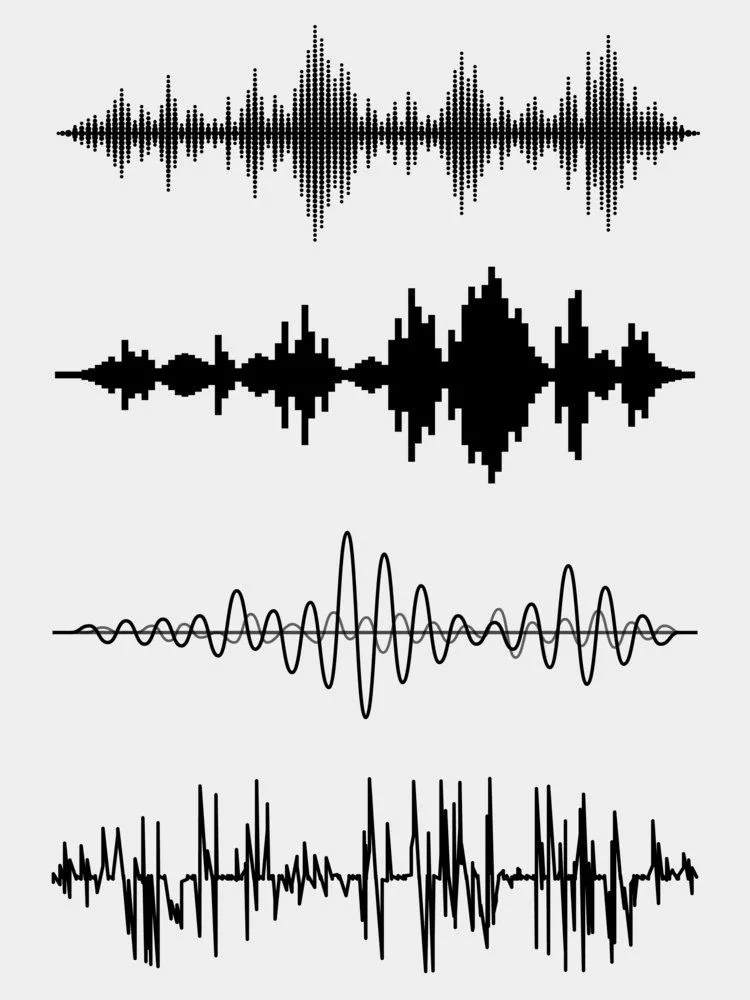
Just like electricity, sound is also a form of energy. It travels through various substances in waves. When a sound wave comes in contact with a certain object, it excites the particles present in that object, causing its particles to vibrate against themselves. This is how a sound wave and the particles of an object interact when they come in contact.
Resonant Frequency
The number of waves passing through a single point over the duration of 1 second is called frequency. It is measured in Hertz. Every material has a certain resonant frequency (or natural frequency) at which its own particles vibrate. For a wave to cause vibrations, its frequency should fall in the range of the resonant frequency of the object. For instance, if playing loud music on your speakers makes the plaster of your room shake and peel off, then it means that the sound waves emitted by the speakers falls somewhere in the resonant frequency range of the plaster.
The Case Of Shattering Glass
In order to break a glass with nothing but a human voice, you have to look at a few important factors. First, the voice has to match the glass’s own resonant frequency, the note you hear when you flick a wine glass with your finger. That pitch isn’t the same for every glass, but it typically lands somewhere in the 400–700 Hz range (roughly an octave above middle C). The MythBusters crew, for example, measured their crystal glass at around 556 Hz. So the person doing the shattering has to make sure their voice can hit, and hold, that exact note.
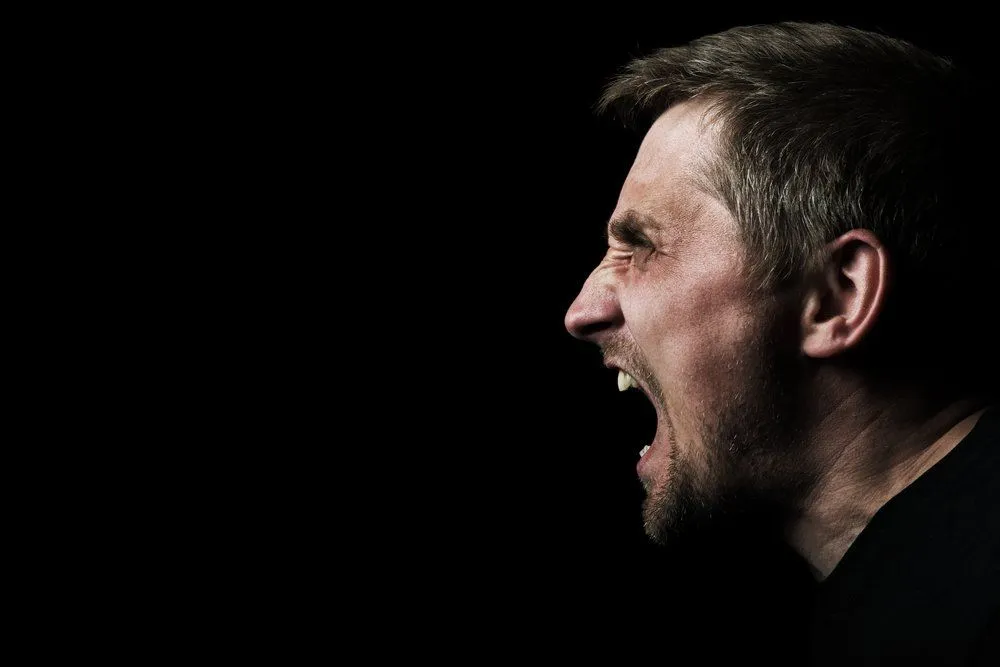
Another important factor is the loudness, or intensity, of the sound. The note has to be ear-splittingly loud, around 105 decibels or more, so that it pumps enough energy into the glass to make it vibrate violently. For comparison, ordinary conversation sits at about 50 decibels. Most people can’t get anywhere near that volume, so the easiest route is to amplify the voice with a speaker. It can, however, be done with raw lung power alone: that’s exactly what makes the feat so rare.
An empty glass will also be easier to shatter than a glass filled with wine or water. Furthermore, minor defects in the structure of the glass can also help to shatter it more easily, as these defects provide ideal weak spots.
So, breaking a glass with the human voice alone IS possible, but the singer has to be skilled and incredibly lucky. MythBusters, the popular show on Discovery, put the myth to the test in 2005 and confirmed it is possible. Rock singer and vocal coach Jaime Vendera went through a dozen glasses before he finally shattered one at roughly 105 decibels, with no amplification at all, the first documented case of an unaided human voice doing it.
After hearing all of that, I shouldn’t have to tell you this, but don’t hold a glass in front of your face and try to shatter it just by the force of your voice. It simply wouldn’t work, and if it ever did, you’d have a glass shattering inches from your face. That’s what I call a lose-lose situation!
Why Won’t It Work On A Window, Tempered Glass, Or Bulletproof Glass?
Notice that every successful demonstration of this trick uses one very specific object: a thin, hollow drinking glass, usually fine leaded crystal. There’s a reason singers don’t shatter windows, phone screens, or car windshields by belting out a high note. The trick only works on glass that is both highly resonant and brittle, and most of the glass around you is neither.

A wine glass is easy to ring like a bell because its thin, curved wall flexes freely and stores almost no energy as it does. Tempered glass, the kind used in shower doors, oven windows, and car side windows, is a different beast. It is made by heating a glass sheet to roughly 650 °C (1,200 °F) and then chilling its surfaces with jets of air, which locks the outer skin into permanent compression. That built-in compression makes tempered glass around four to six times stronger than ordinary annealed glass, so a voice can never pump in enough energy to overcome it. When tempered glass finally does fail, it doesn’t shatter cleanly like crystal; it crumbles into a web of small, blunt granules, as in the photo above.
Bulletproof (or ballistic) glass is even further out of reach, because it isn’t really one solid pane of glass at all. It’s a sandwich of glass and tough plastic layers, typically polycarbonate or a polyvinyl butyral interlayer, bonded together. That plastic is viscoelastic: instead of cracking, it stretches and flexes, soaking up energy and damping vibrations rather than letting them build to a breaking point. The very property that stops a bullet also stops a sound wave from ever setting up the runaway resonance you need. So unlike the movie trope, no human voice is shattering a bank teller’s window. To learn how that glass-and-plastic armor actually stops a bullet, see our piece on bullet-resistant glass.