Table of Contents (click to expand)
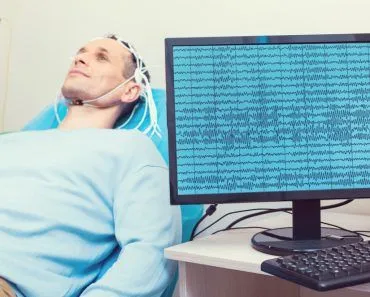
Electroconvulsive therapy (ECT), also called shock therapy, treats severe or treatment-resistant mental illness such as major depression, catatonia, and bipolar disorder. Under general anesthesia and a muscle relaxant, brief electric currents are passed through the brain to trigger a short, controlled seizure. This boosts blood flow, releases beneficial brain chemicals, and rewires neural circuits.
Countless films and books, most famously One Flew Over the Cuckoo's Nest, have depicted shock therapy as a punishment or as an abusive tactic used by draconian authorities. This has heavily shaped public perception and saddled the treatment with a powerful negative connotation. Modern ECT, however, looks nothing like those scenes: it is carried out under general anesthesia, takes only a few minutes, and remains one of the most effective treatments available for severe, treatment-resistant depression.
What Is Electroconvulsive Treatment?
Back in 1927, the Austrian physician Julius Wagner-Jauregg received the Nobel Prize for showing that deliberately infecting patients with malaria could treat the dementia caused by late-stage syphilis. The principle of “curing one disease by inducing another” helped pave the way for the first biological treatments of psychiatric disorders, the family to which ECT belongs.
Twentieth-century psychiatrists observed that when they induced seizures in patients with schizophrenia, their symptoms considerably improved.
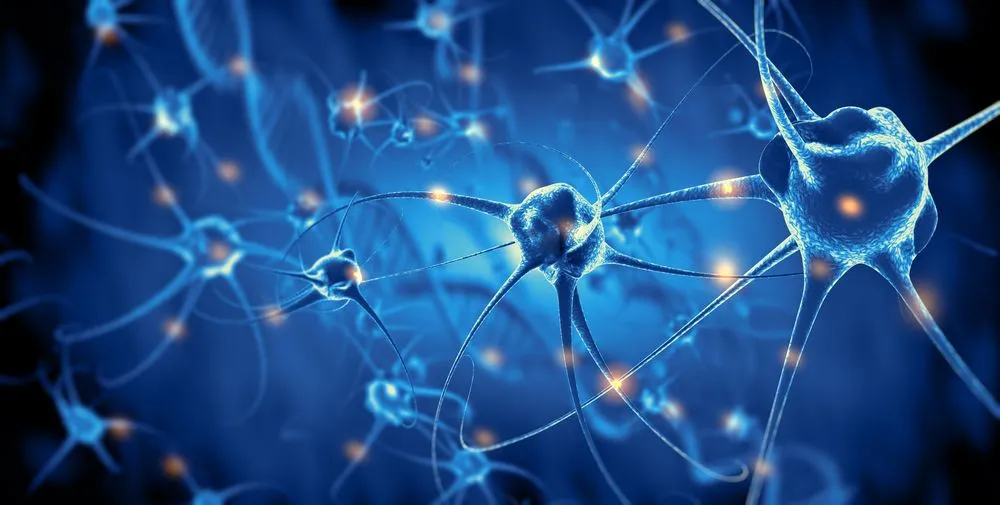
Our brain is composed of approximately 86 billion neurons. These neurons communicate with each other by way of electrical impulses of very small voltages. When the back-and-forth of electrical impulses between neurons becomes uncontrollable, it gives rise to a seizure.
In 1934, the Hungarian neuropsychiatrist Ladislas Meduna began inducing seizures in patients by injecting chemicals like camphor. However, this was an unpleasant and unpredictable experience, so doctors set out to find a more reliable method.
The Italian psychiatrists Ugo Cerletti and Lucio Bini came up with the idea of using electric currents to induce seizures instead. The first person to undergo the treatment, in 1938, was a man with schizophrenia found wandering at a Rome railway station. After a course of treatments, his psychosis cleared and he was able to return home.

Present-day ECT involves placing electrodes on the patient’s scalp and transiently passing electric currents through them to bring about a seizure. The current is in the low-risk range (usually between 800–900 mA); this is enough to induce seizures in the brain, but not cause the patient any life-threatening harm. This application of current is controlled by professionals who ensure its safe administration at all times.
Crucially, modern ECT is performed under general anesthesia with a muscle relaxant (typically succinylcholine), so the patient is asleep and the body barely moves during the seizure. The stimulus itself is delivered as a series of very short electrical pulses (each lasting roughly 0.5 to 2 milliseconds), and the resulting therapeutic seizure usually lasts only about 15 to 70 seconds.
ECT is reserved for severe or treatment-resistant cases of major depressive disorder and other mood disorders, particularly for patients who have not responded to antidepressants. It is also used for catatonia, bipolar disorder, and severe depression with a high risk of suicide.
How Does Electroconvulsive Therapy Work?
How can shocking someone with electricity bring about an improvement of their mood? ECT is shown to increase blood flow to the brain, release a bunch of beneficial chemicals, and even rewire neurons in parts of the brain that have been implicated in psychiatric disorders.
Although scientists and doctors have yet to describe the precise mechanism behind ECT, there are three main theories:
1. ECT Increases Blood Flow To The Brain
The flow of oxygenated blood in our brains is imperative for its normal functioning. People suffering from depression often display poor circulation of blood in their nervous system.
Passing controlled electric currents through the brain of such patients demonstrated a significant increase in blood flow in their cerebrum. This increase in the flow of blood helps mitigate symptoms of depression.

2. ECT Causes Your Brain To Release Specific Chemicals That Help You Feel Better
Unlike most cells in the body, neurons largely do not regenerate. Once they die, they’re mostly gone for good. A notable exception is a small, seahorse-shaped structure deep in the brain known as the hippocampus. This piece of brain tissue is central to forming our new memories.
This little space in the brain can also birth new neurons, albeit in small quantities. This phenomenon is known as neurogenesis, the “genesis” of new “neurons”. The initiation of this process requires the release of special chemicals in the brain known as neurotrophic factors, which prevent the neurons from dying, and instead stimulate them to grow.
Studies have shown that ECT can increase the volume of the hippocampus. One theory posits that ECT makes it easier for these factors to cross into the brain and carry out neurogenesis. Certain psychiatric disorders, such as schizophrenia, also present with a loss of neurons. The neuron-generating ability of ECT can help improve such symptoms.
3. ECT Changes The Very Structure Of Your Brain By Rewiring Neurons
Abnormalities in the limbic system of the brain are a prime cause of mood disorders. The limbic system is also known as the emotional center of the brain. This part of the brain elicits almost all of our emotional responses, including anger, fear, love, sadness, etc.
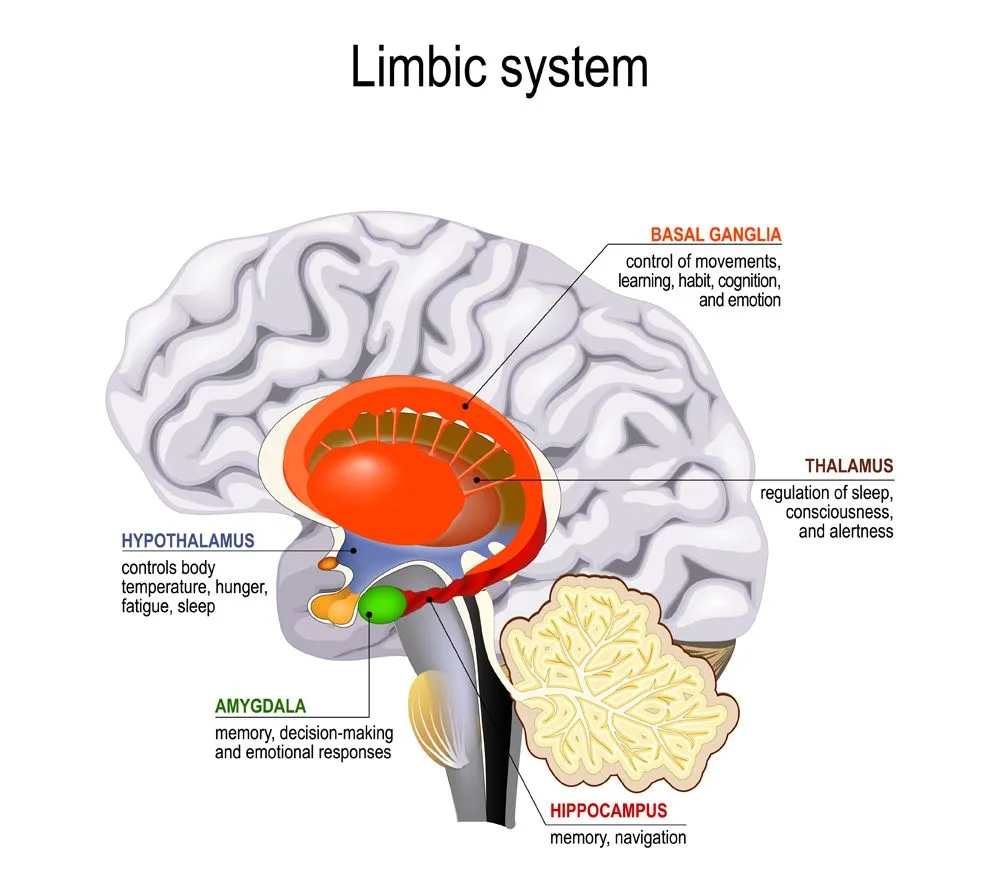
Patients who underwent ECT showed normalization of the connectivity between the frontal lobe of the brain and the limbic system, the parts of the brain that tend to show abnormal connectivity in people with depression. These changes are known as neuroplastic changes.
As mentioned earlier, cells in the brain do not regenerate, but that does not close all doors for improvement. Neuroplasticity is the phenomenon of extensive rewiring that the brain undergoes under various conditions.
For example, when you learn a new language, the neurons in your brain undergo some cross-wiring to accommodate the new information you are taking in.
ECT similarly causes rewiring in the limbic systems of patients suffering from mood disorders, thereby alleviating their debilitating symptoms.
80 Years, And Still Going Strong
It has been more than eight decades since psychiatrists started using ECT, and it has stood the test of not only time, but also that of highly negative public perception.
Despite the less-than-appealing enactment of ECT in popular media, its benefits mask the disapproval of the masses. Patients who have undergone this treatment are satisfied with its outcome and often say that they would recommend it to others.
Memory loss is the most significant drawback of this procedure, though for most patients it is mild and tends to improve in the weeks after treatment ends. For people severely debilitated by major depression and other mood disorders, the benefits often outweigh the costs.
Scientists and doctors are now working on making ECT as safe and comfortable for patients as possible, ensuring that our brains are sharp and ready for memory storage in the future!
References (click to expand)
- Gazdag, G., & Ungvari, G. S. (2019, January 4). Electroconvulsive therapy: 80 years old and still going strong. World Journal of Psychiatry. Baishideng Publishing Group Inc.
- Singh, A., & Kar, S. K. (2017, August 31). How Electroconvulsive Therapy Works?: Understanding the Neurobiological Mechanisms. Clinical Psychopharmacology and Neuroscience. Korean College of Neuropsychopharmacology.
- Guruvaiah, L., Veerasamy, K., Naveed, M., Kudlur, S., Chaudary, F., & Paraiso, A. (2017, May 31). Patients' experiences of and attitudes towards ECT. Progress in Neurology and Psychiatry. Wiley.
- Griffiths, C., & O’Neill-Kerr, A. (2019, May 7). Patients’, Carers’, and the Public’s Perspectives on Electroconvulsive Therapy. Frontiers in Psychiatry. Frontiers Media SA.