Table of Contents (click to expand)
A defibrillator is a machine that delivers a controlled electric shock (typically 120-360 joules) to a heart that has fallen into a lethal, chaotic fast rhythm, specifically ventricular fibrillation (VF) or pulseless ventricular tachycardia (pVT). The jolt briefly stops the heart’s electrical activity so its own pacemaker can restart a normal rhythm. It does not restart a flatlined heart and is not used for very slow rhythms or for true cardiac standstill (asystole). Doctors shout “Clear!” first to make sure no one else is touching the patient when the current is delivered, since they would get shocked too.
Before we get started, watch this scene from the movie Spiderman 3.
Towards the end of the scene, you see that Harry (a friend of Peter Parker, aka Spiderman) is laid on the operating table in a hospital room. The doctor rubs a pair of paddles together, shouts ‘Clear!’ and the doctor zaps him with the paddles.
You may have seen those zapping paddles in many movies or television shows where someone is being brought back from the dead by zapping them with an electric current. Out of everyone who has seen that device being used in movies and TV shows, I wager that more than 70% of the people don’t know what the machine actually does.
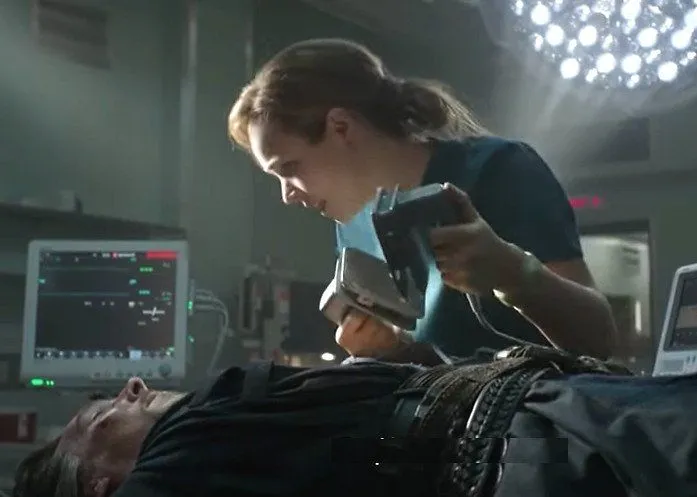
Many would simply say that the device restarts a patient’s heart (which may have stopped beating due to some injury or trauma), thereby bringing the patient back from the dead. This is what popular culture leads you to believe, but I have news for you…. that’s not what those devices – known as defibrillators – actually do.
What Is Defibrillation?
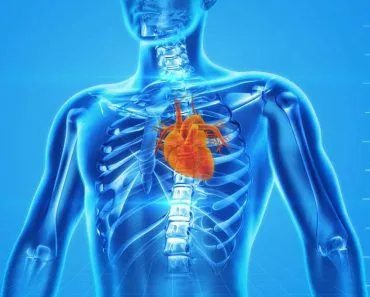
The human heart relies on small electric currents to contract and pump blood out into the arteries. Have you ever seen an electrocardiogram (ECG) report? It basically measures the electric currents passing through your heart.
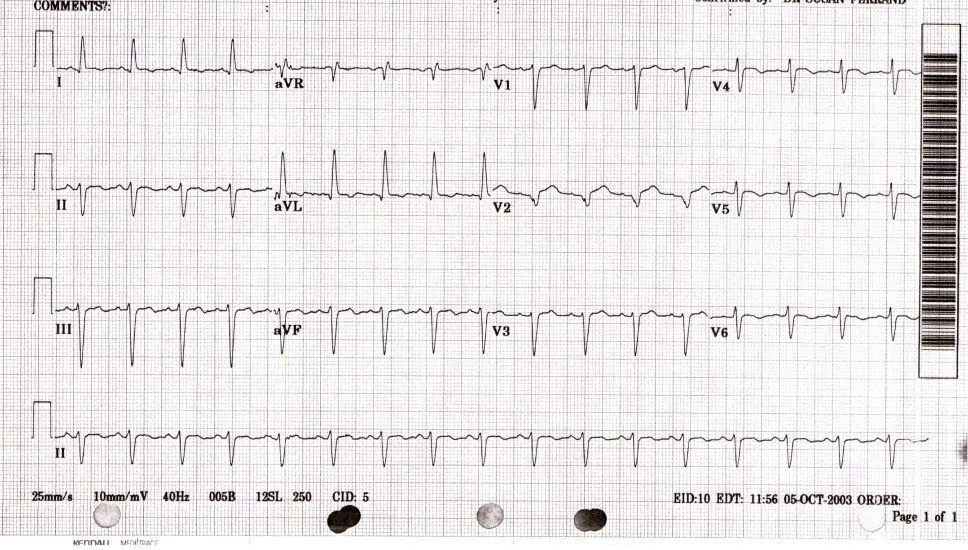
However, when those electric currents go haywire, so does the pumping action of the heart. As a result, the heartbeats become erratic or irregular. This is when a technique called defibrillation is used.
In other words, defibrillation is a treatment for a specific kind of life-threatening arrhythmia, one in which the lower chambers of the heart fire so chaotically and so fast that they can no longer pump blood. The two rhythms for which a defibrillator is actually used are ventricular fibrillation (VF) and pulseless ventricular tachycardia (pVT). These are sometimes called "shockable rhythms." Defibrillation is not used for slow rhythms (bradycardia) or for asystole, the true flatline. Bradycardia is treated with pacing or drugs; asystole and pulseless electrical activity (PEA) are treated with chest compressions, epinephrine and treatment of the underlying cause, not with a shock.
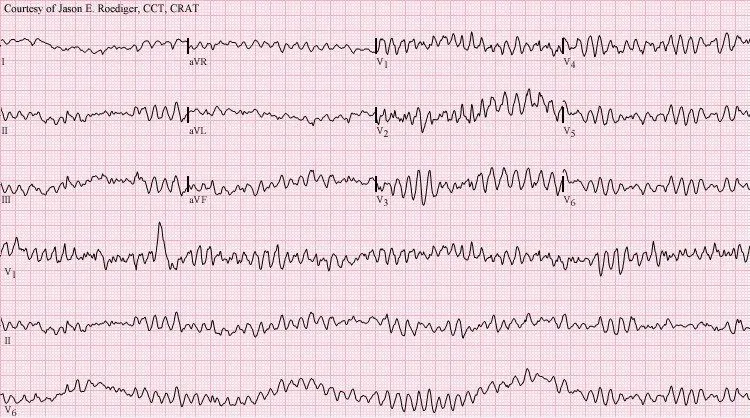
Defibrillation is carried out with the help of a device called a defibrillator.
Defibrillator
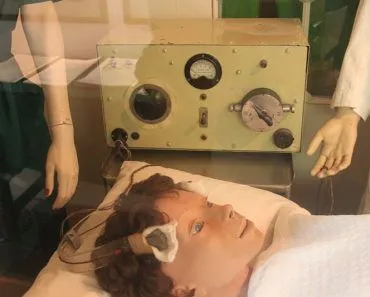
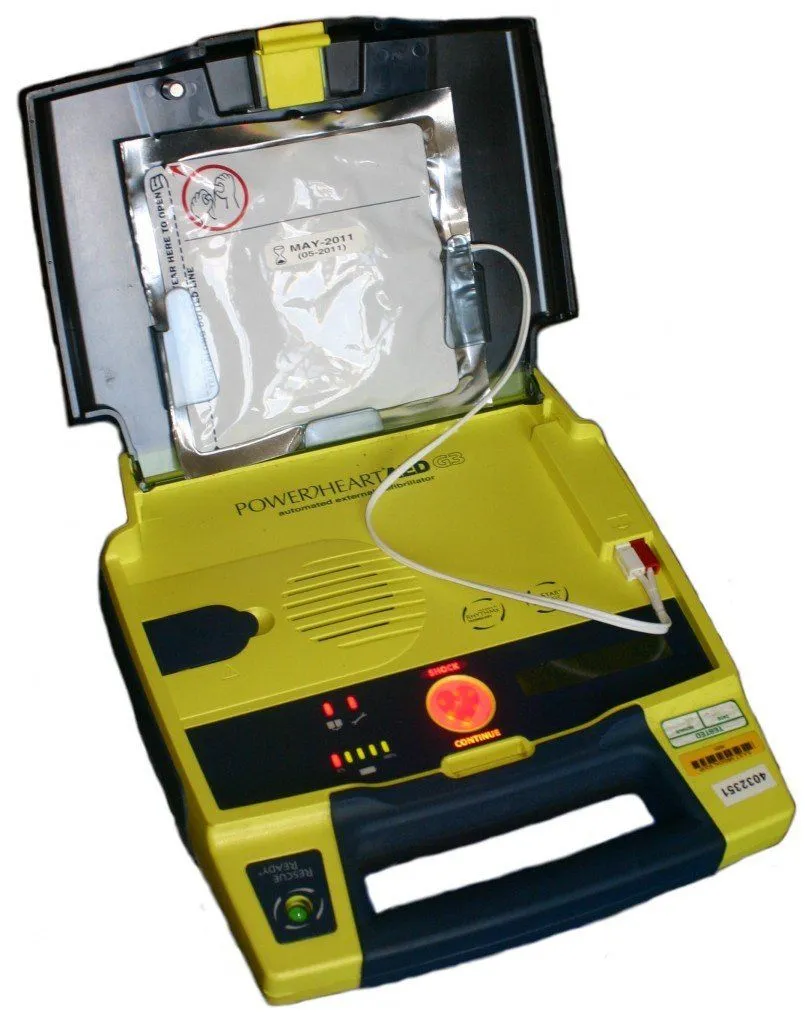
A defibrillator is a machine that delivers a controlled, brief jolt of electric energy (called a ‘countershock’ in medical lingo) to the heart. A modern external defibrillator typically delivers 120-200 joules per shock with a biphasic waveform (the current flows one way and then reverses), while older monophasic machines used 200-360 joules. The first successful defibrillation of a human heart was performed by Cleveland surgeon Claude Beck in 1947, on a 14-year-old boy whose heart had fibrillated during chest surgery.
When a person suffers from cardiac arrest, there are a number of things that could potentially be happening to their heart: they could be in ventricular fibrillation (chaotic electrical activity in the ventricles), pulseless ventricular tachycardia (the ventricles are firing extremely fast but not pumping blood), pulseless electrical activity (there is electrical activity but no useful contraction), or asystole (no electrical activity at all). Of these four, only VF and pulseless VT are "shockable" - a defibrillator will help. PEA and asystole are not shockable; CPR and drugs like epinephrine are used instead.
How Do Defibrillators Work?
The paddles/stickers of a defibrillator, when attached to a patient’s body, pass a limited amount of electric current and depolarize a large amount of the heart muscle, which subsequently ends the dysrhythmia. In simple terms, a defibrillator stops the heart altogether, contrary to the popular belief that it restarts the heart.
Defibrillators come in a few types, including a manual external defibrillator (these require the expertise of a medical professional), manual internal defibrillator (mostly used in the operating room), automatic external defibrillator or AED (most commonly seen in movies, and can be used by an inexperienced person) and implantable cardioverter-defibrillator.
All versions of defibrillators usually consist of two paddles or stickers that are placed on the patient’s body in a very specific position in order to pass the desired amount of current through the patient’s heart.
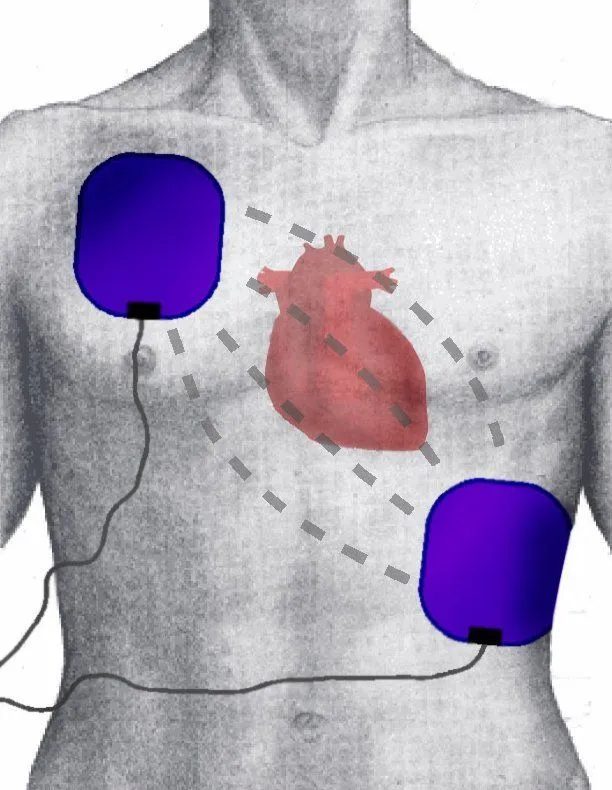
All in all, a defibrillator doesn’t revive a patient by restarting a stopped heart. It briefly stops the chaotic electrical activity in a fibrillating heart by depolarizing essentially all of the cardiac muscle at the same instant. With that disorganized signal wiped out, the heart’s own natural pacemaker (the sinoatrial node) gets a chance to take charge again, hopefully driving a clean, rhythmic beat. This is why television scenes of doctors zapping a flatlined patient and shouting "We got him!" are dramatic but medically inaccurate, since shocking an asystole patient does not help.
Why Do Doctors Say ‘Clear!’ Before Using A Defibrillator?
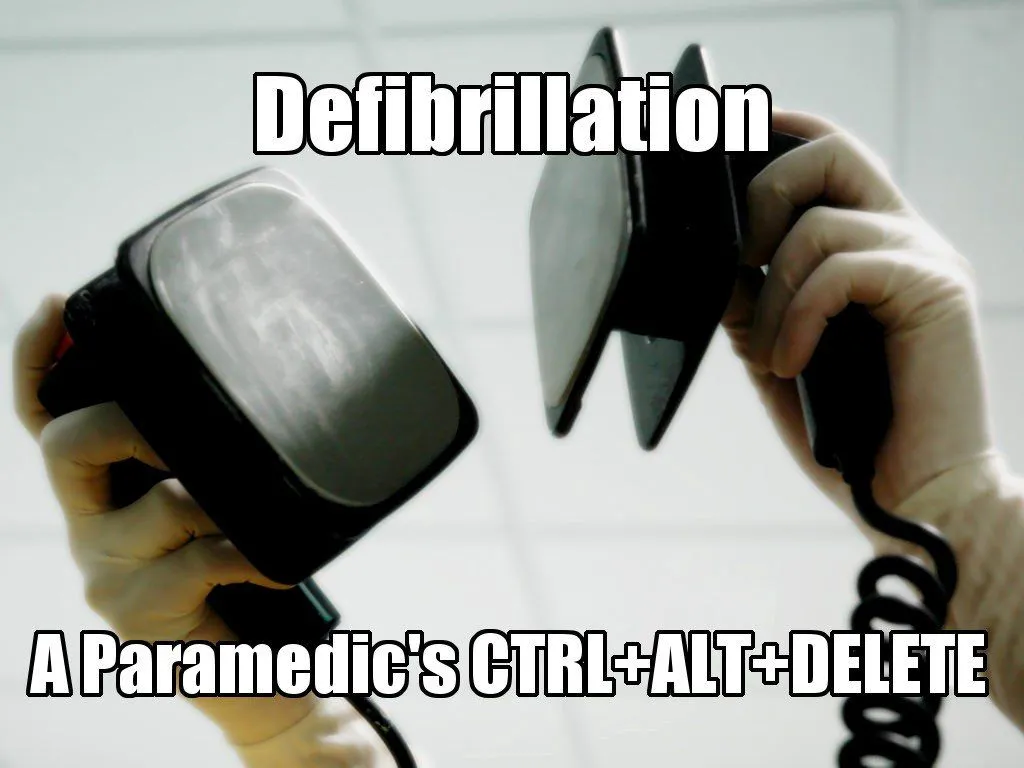
Doctors always loudly say ‘Clear!’ before placing the paddles on the patient’s body and passing an electric current through it. Why?
This is because defibrillators pass an electric current through the patient’s body. Thus, if anyone else is touching or has any sort of physical contact with the patient at the time when the doctor administers the shock, they may also get shocked. That’s why a doctor yells ‘Clear!’ just before administering the shock to the patient, so that anyone touching the patient knows to ‘clear away’.
References (click to expand)
- Defibrillators - U.S. National Heart, Lung, and Blood Institute
- 2020 American Heart Association Guidelines for CPR and Emergency Cardiovascular Care (shockable vs non-shockable rhythms)
- Defibrillation - StatPearls, NCBI Bookshelf
- Claude Beck and the History of Defibrillation - Dittrick Medical History Center, Case Western Reserve University
- Dosdall, D. J., Fast, V. G., and Ideker, R. E. (2010). Mechanisms of Defibrillation - Annual Review of Biomedical Engineering
- Danger from Unneeded Defibrillation - Harvard Health Publishing