Table of Contents (click to expand)
A haploid cell is a cell that contains only one set of chromosomes (n), rather than the two sets (2n) found in a diploid cell. In humans, the haploid number is 23. Gametes (sperm and egg) are haploid, formed by meiosis from diploid germ cells, so that fertilization restores the full diploid count of 46 chromosomes.
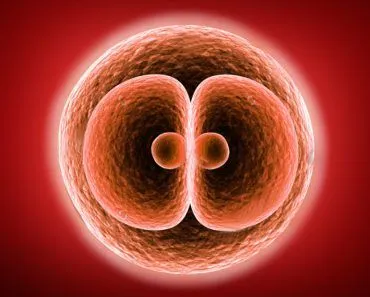
When you look at the world around you, at the broad diversity of humans and animals and the majority of other eukaryotic organisms, you are looking at diploid organisms. A diploid cell or organism is one that contains two sets of chromosomes, one from a male and one from a female. However, as many of you already know, during sexual reproduction, a sperm and an egg join to form an embryo. This embryo is also a diploid cell, and will replicate and divide millions of times to create a human being (or any other eukaryotic, sexually-reproducing organism).
What you may not know is that the sperm and egg (the gametes) are haploid cells, meaning that they contain only one set of chromosomes (23 in humans, rather than the usual 46), making them unique, and also incredibly important in the process of reproduction. Haploid cells are only present as gametes in human beings and most other animals, although there are some interesting exceptions across plants, fungi and insects, which will be explained at the end of this article.
What Does Haploid Mean?
As mentioned, a haploid cell is one that only contains one set of chromosomes. This can be from either a male or female in the species, and these exist so that the correct number of chromosomes will pass to the next generation. If haploid cells weren’t involved in sexual reproduction, each successive generation would contain twice as many chromosomes, making the nucleus dense, heavy and unmanageable.
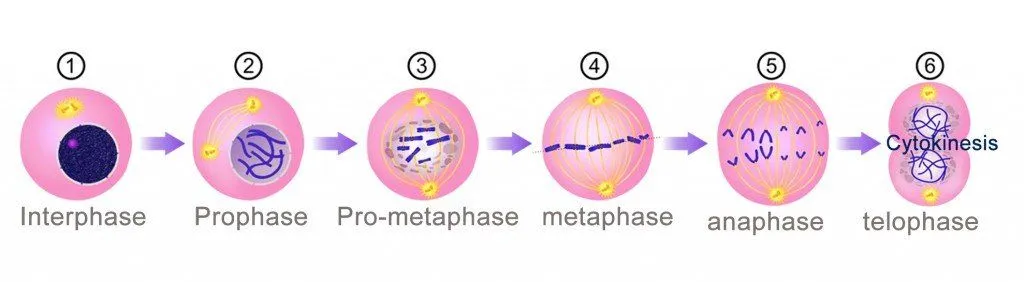
In eukaryotic organisms, haploid cells come into play during the production of sex cells, also known as germ line cells. In humans, these origin cells live in the testes (in males) and the ovaries (in females). These germ cells will undergo the process of meiosis, which begins with a single diploid cell and ends with four haploid cells. That is different from mitosis, in which a diploid cell replicates and divides once, resulting in two identical diploid daughter cells.
To better understand this concept, we will provide a short review of meiosis, although a more detailed explanation can be found here.
Meiosis begins with the germ line cells, which are diploid. These cells will undergo Meiosis I and Meiosis II, which together will result in the desired haploid cells (gametes) that are required for sexual reproduction. Prior to Meiosis I, every chromosome in the cell is duplicated, so each one now consists of two identical sister chromatids joined at the centromere; the maternal and paternal copies then pair up as homologous chromosomes. During Meiosis I, these homologous pairs undergo crossing-over, a process that produces more genetic diversity in the resultant daughter cells by exchanging segments of DNA between the paired chromosomes. At the end of Meiosis I, the homologous chromosomes are pulled apart into two new daughter cells. This is the key step: each daughter cell now carries just 23 chromosomes (one from each homologous pair), making it haploid in chromosome number, although each of those 23 chromosomes still consists of two sister chromatids (so the cell contains 46 DNA molecules in total).
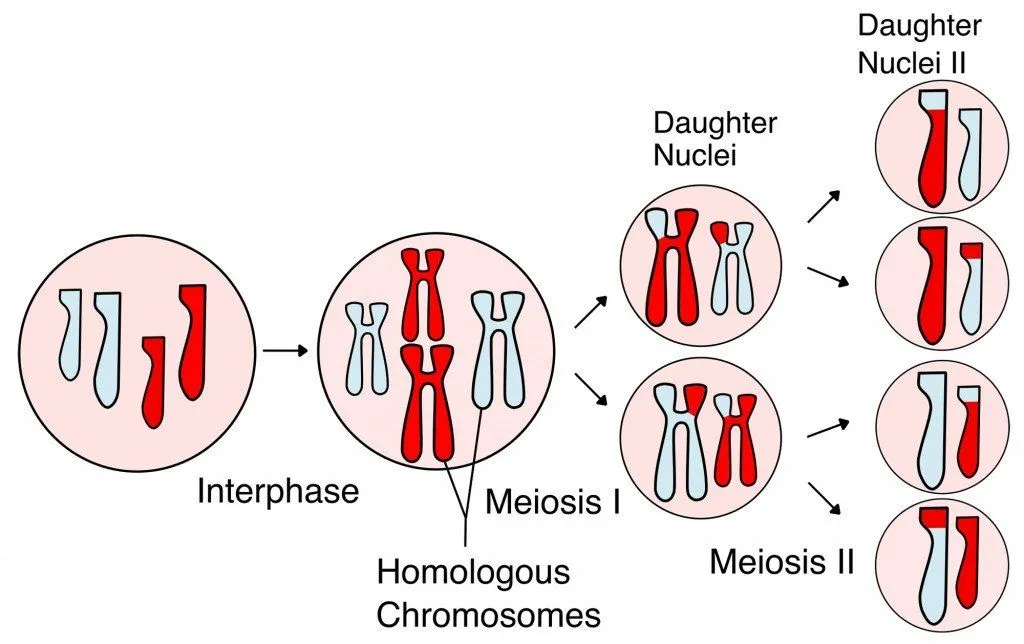
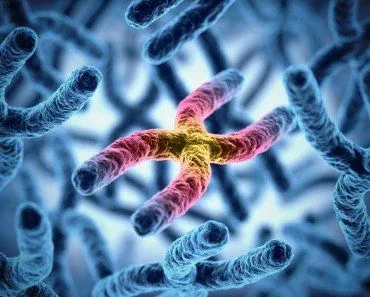
During Meiosis II, the sister chromatids (the classic X-shaped chromosomal structure) of those 23 chromosomes are pulled apart by spindle fibers, much like a normal mitotic division. Each of the two cells from Meiosis I therefore splits again, leaving us with four daughter cells in total, each containing 23 single-chromatid chromosomes. These are the finished haploid gametes (sperm or egg), and once two of them unite during fertilization, the resulting zygote is once again diploid, with a full set of 46 chromosomes.
Haploid Cells In Some Plants And Insects
While this process is rather well known and straightforward in eukaryotic organisms like humans and other animals, there are some exceptions, wherein organisms will produce haploid cells at certain points in their life. Certain species of algae and fungi have two potential methods of reproduction, either asexual or sexual. When they undergo sexual reproduction, the zygote that forms after fertilization will undergo meiosis, which will result in four haploid spores.
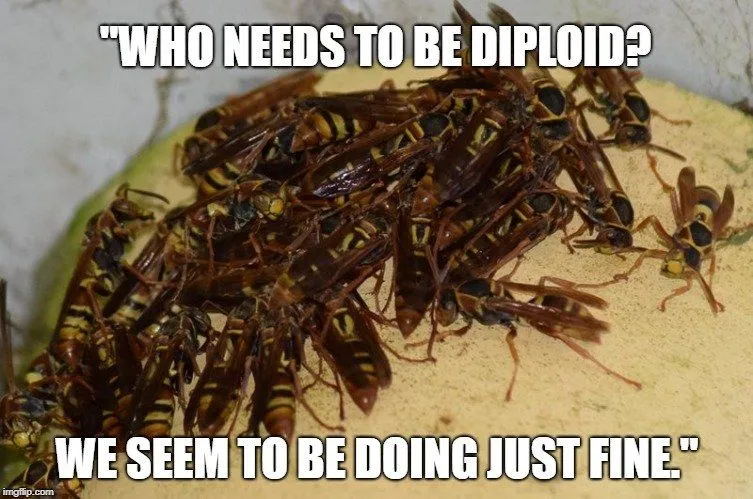
In the insect world, haploid cells are also present and play a strikingly different role. In bees, ants and wasps (the insect order Hymenoptera), sex itself is decided by ploidy in a system called haplodiploidy: females develop from fertilized eggs and are diploid like us, but males develop from unfertilized eggs and are haploid for life. In other words, a male honey bee or a male ant carries only one set of chromosomes in every cell of its body, and has no father at all, only a mother and grandfathers on the maternal side.
Haploid cells are well understood, but continue to be studied by researchers, particularly as they apply to research on genetic defects, recessive genes, and potential techniques to manipulate chromosomal balance through genetic screening.
A Final Word
While there are a number of examples of haploid cells and organisms in nature, the most significant thing to note is that without haploid cells in eukaryotic organisms, sexual reproduction simply could not work. Without halving the chromosome count in the gametes, the chromosome number would double every generation, and the existence of stable, complex multicellular life would be impossible. Given that sexual reproduction and its reliance on haploid cells enables life as we know it, understanding their activity and chromosomal significance is extremely important!
References (click to expand)
- Haploid. Nature Education / Scitable.
- Meiosis and Fertilization. In: The Cell: A Molecular Approach. NCBI Bookshelf.
- Li, Y., & Shuai, L. (2017). A versatile genetic tool: haploid cells. Stem Cell Research & Therapy.
- Honey Bee Genetics Basics. Penn State Extension.
- UCMP Glossary. University of California Museum of Paleontology.