Table of Contents (click to expand)
Demographic changes affect an economy by shifting its age structure. Falling fertility and mortality change the dependency ratio, the share of dependents relative to working-age people. A large working-age share can create a demographic dividend, but it is not destiny: aging is not always a curse, youth is not always a blessing, and sound policy decides the outcome.
In 1900, a person born in the United States could expect to live about 47 years. By 2000, that figure had climbed to roughly 77 years.
What changed in 100 years to add three decades to the average human life, and with it, many more years spent in retirement?
The answer is wider access to healthcare and education, both of which generally lead to better living standards.
Planning and forecasting are required to navigate such systemic shifts resulting from demographic changes. The findings of demographic studies have built systemic capacity to endure a growing or declining population.
What Is Demography?
Demography is the study of population size, growth, and age structure. Simply put, it is the study of the population composition.
Every resource must be examined to ensure effective utilization. Land, labor, capital and entrepreneurship are the key inputs in any production process. Labor, as a resource amongst others, starkly stands out, as it is resources that play a significant role in the production process, and ultimately, it is also the labor for whom everything is produced. Think of consumers.

However, consumers do not imply only labor, but also dependents. Dependents comprise the population that is not of legal working age. This refers to young children and the aging population.
To sustain any population, systems must be built to cater to the needs of both the working and dependent populations.
The focus is primarily on two indicators: fertility and mortality rates. The fertility rate denotes the average number of children a woman has in her fertile years. The mortality rate, or crude death rate, is the number of deaths per 1,000 people in a year.
There are other indicators, too, such as birth rate, life expectancy, and natural growth rates. However, we will only be looking at the two broad and commonly interpreted rates, fertility and mortality.
All these rates are called demographic indicators. They provide a crucial overview of the population, and their movements determine the components of change in the forthcoming years.
Is Demography Destiny?
‘Demography is destiny’ is often famously quoted because it is the composition of a population that dictates policy design. For instance, some countries have a high proportion of older populations; this raises the question of whether there are enough savings in the economy to sustain that “top-heavy” population. The older demographics are no longer a part of the working age group, but can the young working population shoulder payments to the older population for pensions, insurance and other social security measures? If not, the taxation rates need to be revised.
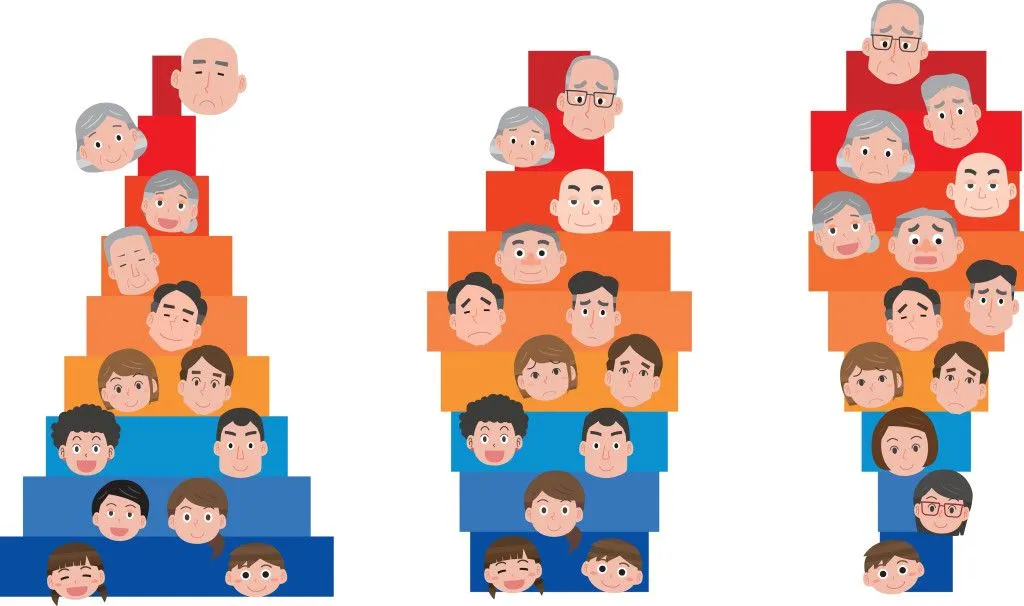
This is one of many other questions that economies face when looking at demographic indicators. This also does not necessarily imply that an aging population is a burden or that a robust working-age population is a boon.
The influence can go the other way too. Economic policies can equally influence demography. Think of China’s one-child policy, in force from 1980 to 2015. China’s total fertility rate had already fallen from around 6 children per woman in the late 1960s to under 3 by the time the policy began, driven largely by the earlier “later, longer, fewer” campaign of the 1970s. The one-child policy then helped push fertility well below the replacement level of 2.1, and today it sits near just over 1 child per woman. The policy controlled population growth, but it came at a cost. It had severe ramifications on the gender composition of the population, as sons were often preferred to daughters, coupled with rising abortion rates and the abandonment of female babies.
Furthermore, it also led to a rise in the aging population and a shrinking working-age population.
Therefore, there is a close interplay of forces between policy and demography, as they are both equally influenced by economic incentives, as well as social and cultural norms and behaviors. Policies must be designed with all these factors being considered.
What Is The Impact Of Demographic Changes On An Economy?
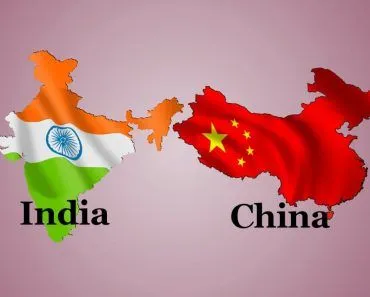
Population growth is examined to understand the rate at which the overall population of any country is growing. The rate dictates systems for food, clothing, housing, medical services and other infrastructure that need to be simultaneously built. The world crossed 8 billion people in November 2022, and the milestones keep shifting: in 2023 India overtook China as the most populous country, while China’s population began to shrink as its fertility rate fell below replacement. These shifts reshape the economic demands placed on each nation.
The next focus is to understand the dynamics of the population – its composition. This can be examined through the fertility, mortality and birth rates.
A country is said to be experiencing a demographic dividend when birth rates, child death rates, and fertility rates are low, while most of the population is of working age.
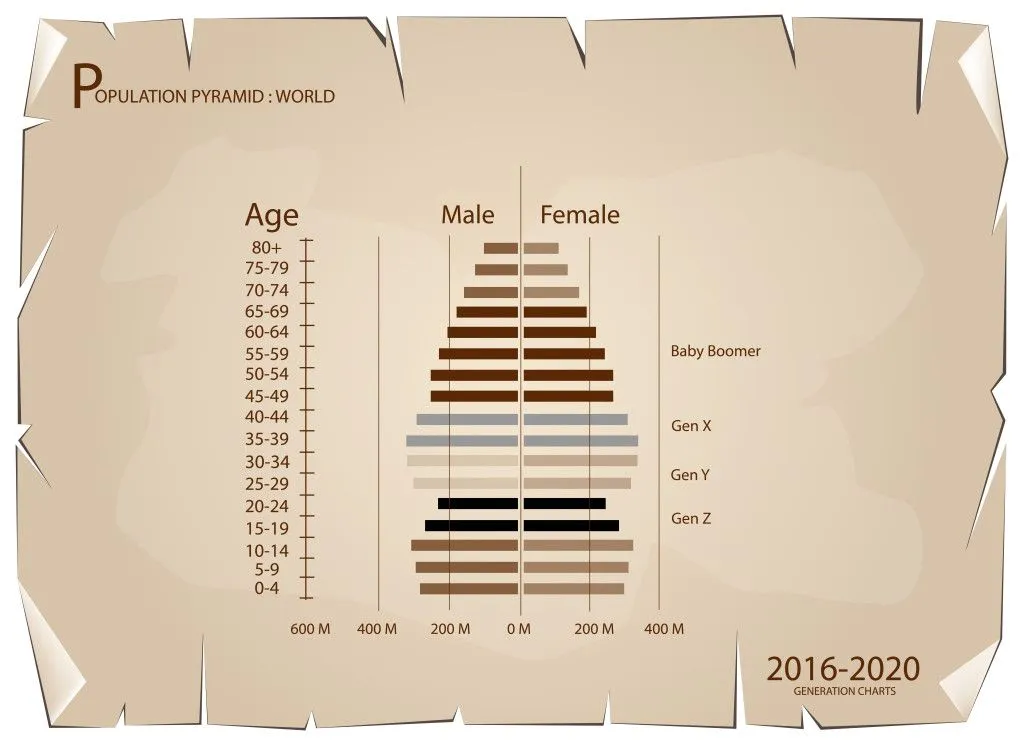
The dependency ratio (the ratio of the dependent population, or non-working population, to the working-age population) is low during a demographic dividend. This is so because with fewer births, fewer child deaths and lower fertility rates, there is a reduced dependency on the working-age population. With a reduced burden of the dependent population, resources are freed up for investments, rather than consumption being the sole focus.
Economies yearn for a demographic dividend. They design policies to catalyze their transitions so that they can experience economic growth. This does not imply that a demographic dividend is a necessary and sufficient condition for economic growth; it needs to be backed by sound macroeconomic policies and a stable political environment.
Once an economy experiences a demographic dividend, the benefit sticks around for five decades or more. The effects of economic growth can extend even further, based on the investment decisions made by the population during their youth. If assets are accumulated through savings and investments, this will continue to add to the economy’s national income.
The period of experiencing a demographic dividend can also be extended. The extension depends on the kind of savings and investments the aging population has committed to during their working years. If they do not invest or save, it can send the economy towards disaster, as it becomes the responsibility of the youth to shoulder the survival of older demographics through income support, resulting in high taxation. Hence, the benefits from a demographic dividend are not necessarily guaranteed or automatic!
References (click to expand)
- (2010) Demography and the Economy | NBER. NBER.org
- Changing Demographics and Economic Growth – IMF F&D. Dana Moneter Internasional
- Demographic Changes and their Macroeconomic Ramifications in India. Reserve Bank of India (RBI)
- Kim, J. (2016, September). The Effects of Demographic Change on GDP Growth in OECD Economies. IFDP Notes. Board of Governors of the Federal Reserve System.
- Fact Sheet: Attaining the Demographic Dividend | PRB. Population Reference Bureau
- What Is the Demographic Dividend? - Finance & Development. International Monetary Fund