Table of Contents (click to expand)
Greenland has the highest suicide rate in the world, but as a territory of Denmark it is usually left off lists of sovereign countries. Among independent nations, Lesotho currently ranks highest. Greenland's rate has long sat near 80 per 100,000 (roughly five times the global average), driven by alcohol abuse, rapid social upheaval and the Arctic's extreme light cycles.
It might surprise you to learn that it isn’t one of the war-stricken countries of the Middle East. Nor is it one of the poor nations whose populations are starving. No, it’s not a state under a repressive totalitarian regime. In fact, it’s not located in Africa, Asia or South America.
The country with the highest suicide rate is considered a part of the First World.
And that country is Greenland.
How Bad Is The Problem?
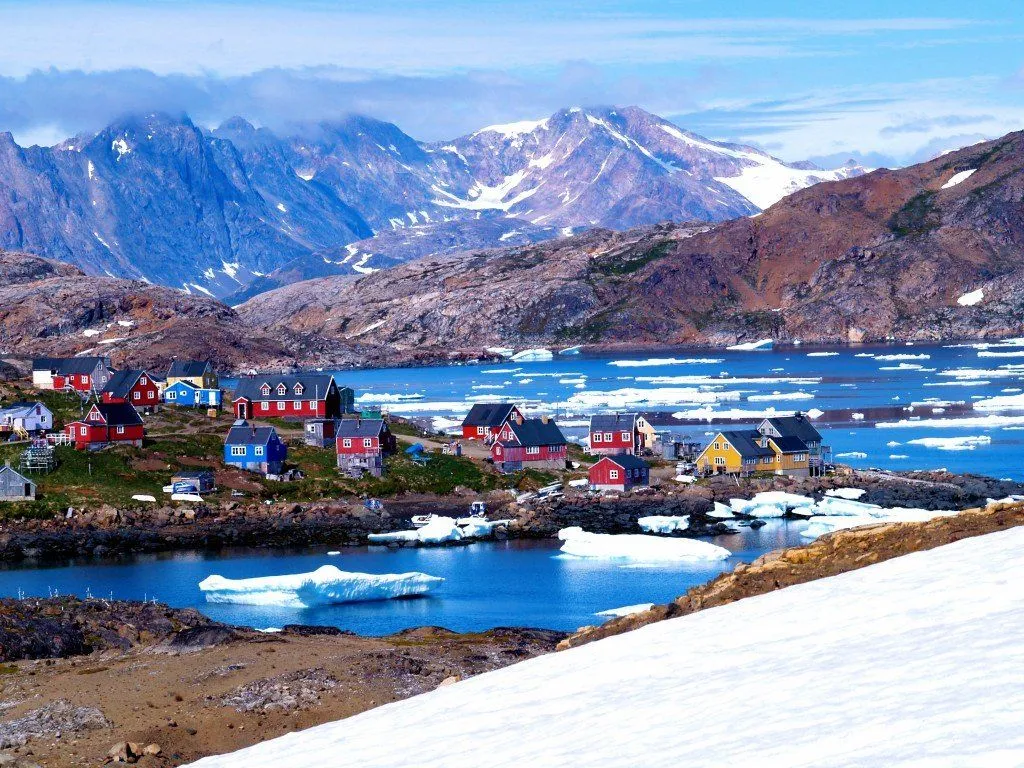
Well, to be completely fair, Greenland is not technically a country. It is still considered a part of the kingdom of Denmark. However, as of recently, Greenland has been declared an ‘autonomous country’, which means that it functions as an independent nation in most ways, but not in every way.
Because Greenland is not a sovereign state, it usually doesn’t appear on the lists that rank the world’s suicide rates by country. Among independent nations, Lesotho currently tops those lists, with a rate the World Health Organization has reported as high as 87.5 per 100,000 people (figures from such small countries carry a wide margin of error). For years, Guyana held that grim distinction instead.
In Greenland, however, the situation is even more dire. Across reports from 1985 to 2012, the average suicide rate worked out to roughly 83 per 100,000 people, and recent years (2015–2018) have stayed above 80 per 100,000. That is around five times the global average of about 9 per 100,000, and higher than any recognized country on Earth.
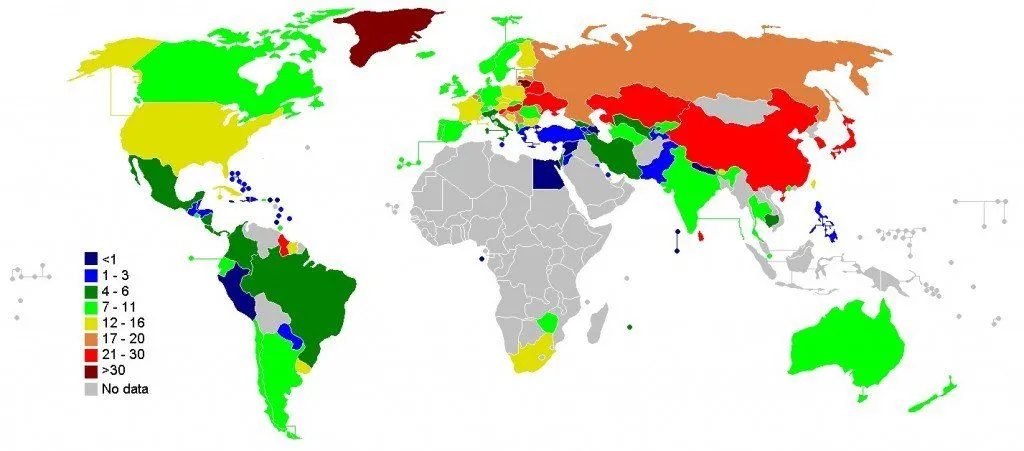
Greenland has left every other nation in the dust in terms of its colossal number of suicides, and that number just refuses to decline. Obviously, there must be something glaringly wrong in the country for this phenomenon to occur.
At first glance, you might find yourself struggling to understand why Greenland’s population would be driven to take their own lives so frequently. Most people earn a high income and enjoy social security. They face no immediate foreign threat and have no conflict with any other nation. In fact, they don’t even feel the need to maintain a regular military!
And yet, surveys of Greenlandic youth have found that up to one in five young people report having attempted suicide at least once, a staggering figure for any community.
The question is, who’s to blame for these Greenlandic suicides?
Alcoholism
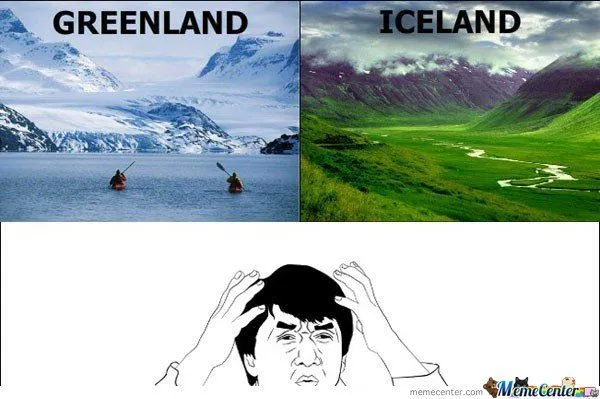
Let’s take a minute to examine Greenland’s weather conditions. First of all, don’t be fooled by its misleading name! There are very few places in the world that are as unforgivably freezing as Greenland. For a bit of historical perspective… the famous Viking Erik the Red gave Greenland its name. He wanted to persuade his fellow countrymen to join him at his new settlement. To convince migrants, he chose an optimistic name like ‘Green’land, despite the fact that there is nothing green about it!
During the summers, the average temperature in Greenland ranges from 0 degrees Celsius to 10 degrees Celsius. The winters, on the other hand, are plagued by nothing but sub-zero temperatures. Needless to say, Greenland is basically just an ice block of an island.
You might not think that extreme climate is enough to drive anyone to commit suicide. Sure, life is much more depressing without proper sunshine, but the human spirit is more resilient than that, right? However, what can drive a person to commit suicide is impaired rationality and chronic depression, often induced by the over-consumption of alcohol.
The fact is, people living in colder regions are more prone to alcoholism. Even in Russia, where suicide is a long-standing national issue, the rate (around 21 per 100,000 by recent WHO estimates) is modest compared to Greenland. And in Russia too, researchers have drawn clear connections between suicide and heavy drinking, with alcohol implicated in a large share of cases.
Alcohol abuse is a huge social problem in Greenland. It acts as a catalyst for domestic violence, sexual abuse and unemployment, which in turn contributes to the nationwide suicide epidemic.
Insomnia
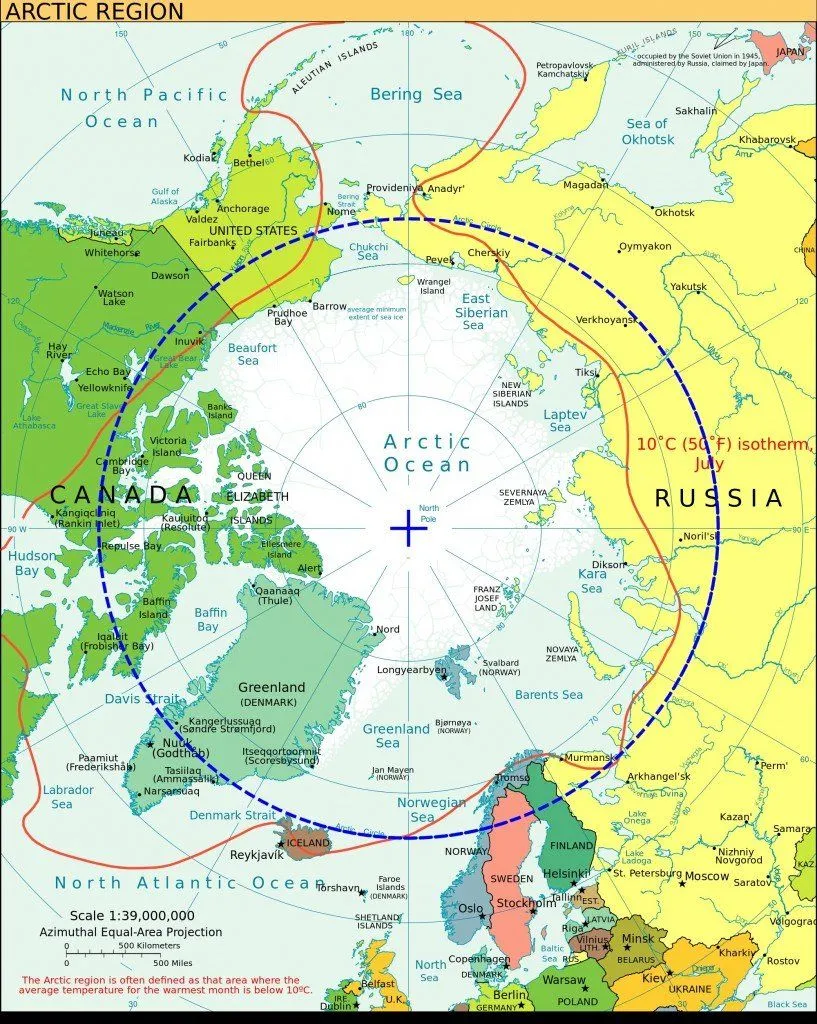
The Arctic Circle is the lowest latitude in the Northern Hemisphere that experiences at least one winter day with no sunrise and at least one summer day with no sunset. The higher you go above the Arctic Circle, the more of those days there are each year.
The majority of Greenland is located above this Arctic Circle. Being so far north, most of the country experiences a winter season where it is dark even during the day, and summers where the sun never leaves the horizon. In the far north of the country, there are 120 days a year when the sun never sets, 108 days a year when the sun never rises, and only 137 days that include both light and dark.
You would think that people might want to take their own lives when there is no sign of sunlight outside, i.e. during the dark winters. Surprisingly, though, research shows the opposite: suicides in Greenland peak during the summer. One study of West Greenland found suicides clustering around the period of constant daylight, and the effect grew stronger at higher, brighter latitudes. Researchers have proposed (cautiously, as a hypothesis rather than a settled fact) that the endless midnight sun disrupts sleep and may nudge the brain’s turnover of serotonin, the chemical that helps regulate mood. Combined with chronic sleeplessness, that shift could raise impulsiveness, and most Greenlandic suicides are impulsive in nature. It is important to stress that this is a correlation, not proven cause and effect: light is only one thread in a much more tangled story.
Isn’t it strange how easily our mental state can change in the face of sleeplessness?
However, both of these theories – alcoholism and insomnia – don’t consider one very significant factor.
Suicides haven’t always been a problem in Greenland. In fact, the rates were quite low during the 1950’s. However, once the 1960’s began, suicide rates doubled and eventually tripled. Natural causes like weather conditions would not have resulted in such a sudden increase.
Surely, there must be more variables at play here.
Migration And Alienation
Greenland is the least densely populated territory on Earth. Despite being the largest island in the world (not counting continents), Greenland is home to only about 56,500 people, and roughly 20,000 of them live in the capital city of Nuuk. The rest of the population either live in tiny townships near the capital, or isolated villages where no one would ever hear you scream. Truly… some of these villages have no more than 50 people!
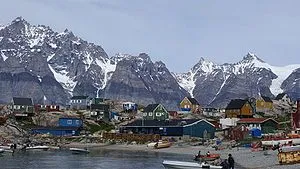
During the 1950s and 1960s, Denmark, which then governed Greenland directly, launched an aggressive modernization drive (the so-called G-50 and G-60 plans). Officials decided it was too costly to keep supplying scattered villages, so people were strongly encouraged, and at times effectively compelled, to abandon their settlements and resettle in a handful of larger towns.
Nonetheless, there were still several who wanted to stay back. These were the proud Inuit tribe members who wanted to preserve their identities and ancestral homes. Unfortunately, over time, they had no choice but to leave. After all, as a population dwindles, it becomes increasingly difficult to continue living in a community.
Now, many traditional Inuit communities have migrated to the southwest for the metaphorical greener pastures. Cities like Nuuk are heavily Danish in character, and Inuit from the north often found themselves alienated and out of place in such an urban atmosphere. The culture shock proved to be too much for many migrants.
It wasn’t long before the suicide rate began to rise.
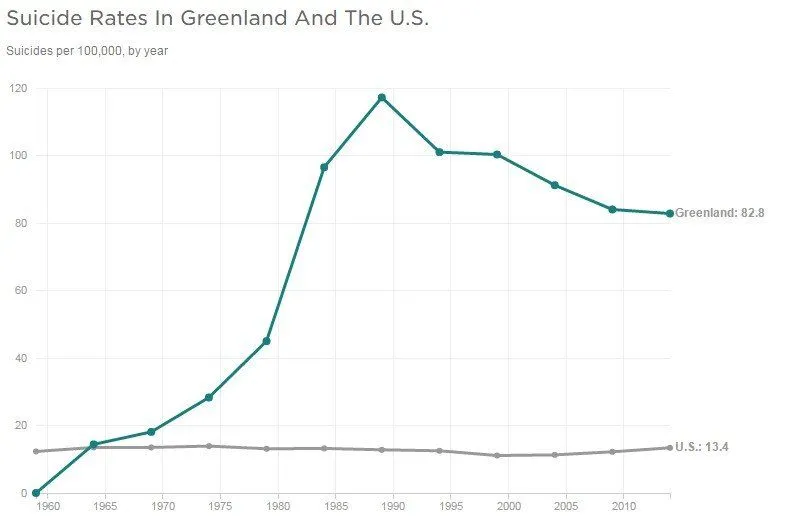
The good news is that Greenland’s suicide rate is no longer climbing the way it did decades ago. It peaked around 120 per 100,000 in the 1980s and has since fallen, even as it remains the highest in the world. Part of that improvement can be credited to investment in support systems like helplines and grief counseling. Greenlanders have come a long way in confronting this crisis. Let’s hope they keep doing their best to push back against chronic depression and suicide in their beautiful homeland.
References (click to expand)
- Accentuation of suicides but not homicides with rising latitudes of Greenland in the sunny months. BMC Psychiatry (PubMed Central).
- Time trends and geographical patterns in suicide among Greenland Inuit. BMC Psychiatry (PubMed Central).
- Suicide. World Health Organization.
- List of countries by suicide rate. Wikipedia.
- Suicide in Greenland. Wikipedia.
- The Arctic Suicides: It's Not The Dark That Kills You. NPR.
- Back From Greenland, The Country With The World's Highest Suicide Rate. NPR.