Table of Contents (click to expand)
Banning legal alcohol did not erase the demand for it, so a black market sprang up to supply it. Because that trade was illegal, it fell to criminal syndicates like Al Capone's, handing them huge untaxed profits and political clout. Drinking did drop sharply at first, but it rebounded to roughly 60-70% of pre-Prohibition levels, never disappearing as reformers had hoped.
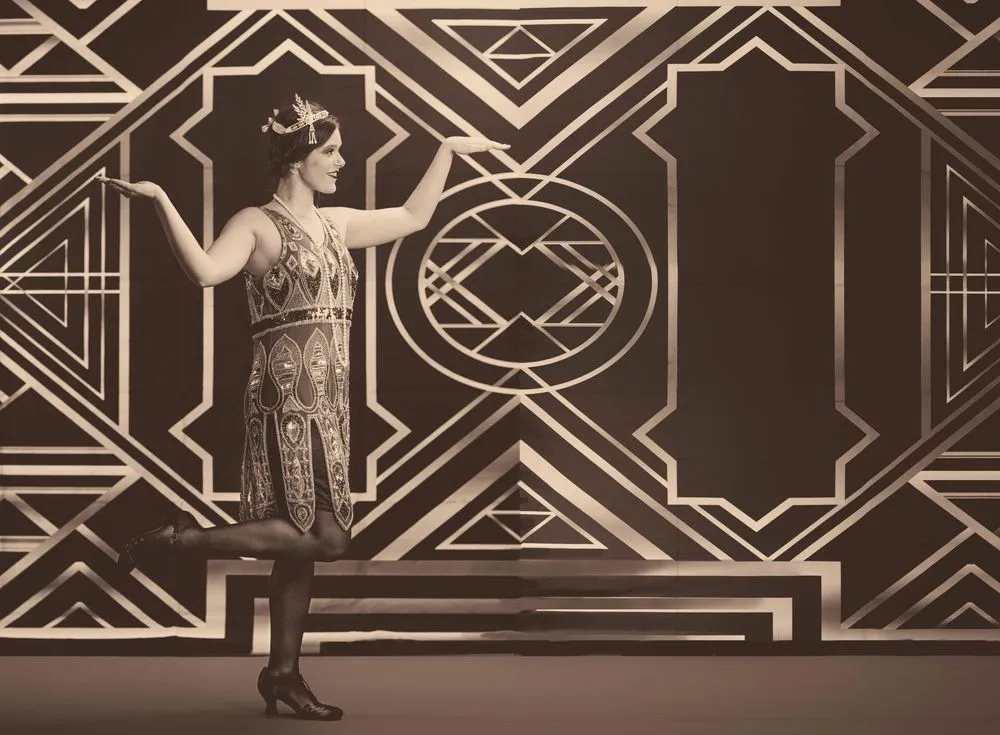
Prohibition in the United States, a period often synonymous with the Roaring Twenties, stands out as one of the most distinctive eras in the country’s history. It was a period that is often romanticized in American culture with images of speakeasies and flappers, and was rooted in the belief that alcohol was the source of many social problems.
The manufacturing, sale, and transportation of alcoholic beverages were banned nationwide following the ratification of the Eighteenth Amendment to the Constitution. However, the resultant era was not one of sobriety and peace, but was instead defined by increased organized crime and a thriving illegal liquor trade. Drinking did fall steeply when the ban first took hold, but it crept back up over the decade rather than vanishing as its supporters had promised.
A Background On Prohibition
The Eighteenth Amendment was ratified on January 16, 1919, and national Prohibition took effect a year later, on January 17, 1920. Congress had already passed the Volstead Act in October 1919 (over President Woodrow Wilson's veto) to spell out how the ban would be enforced. This “noble experiment,” as it was dubbed by its proponents, was meant to reduce crime, solve social problems, improve health and hygiene in America, and protect individuals and families from the consequences of alcohol abuse.
Despite the good intentions of its advocates, Prohibition dramatically failed to achieve its goals. Drinking did fall steeply at the outset, dropping to roughly 30% of its pre-Prohibition level. Within a few years, though, consumption climbed back to around 60-70% of that earlier level, and instead of ushering in an age of sobriety and moral clarity, the ban gave rise to speakeasies, bootlegging, and a black market controlled by criminal syndicates.
The Rise Of Organized Crime
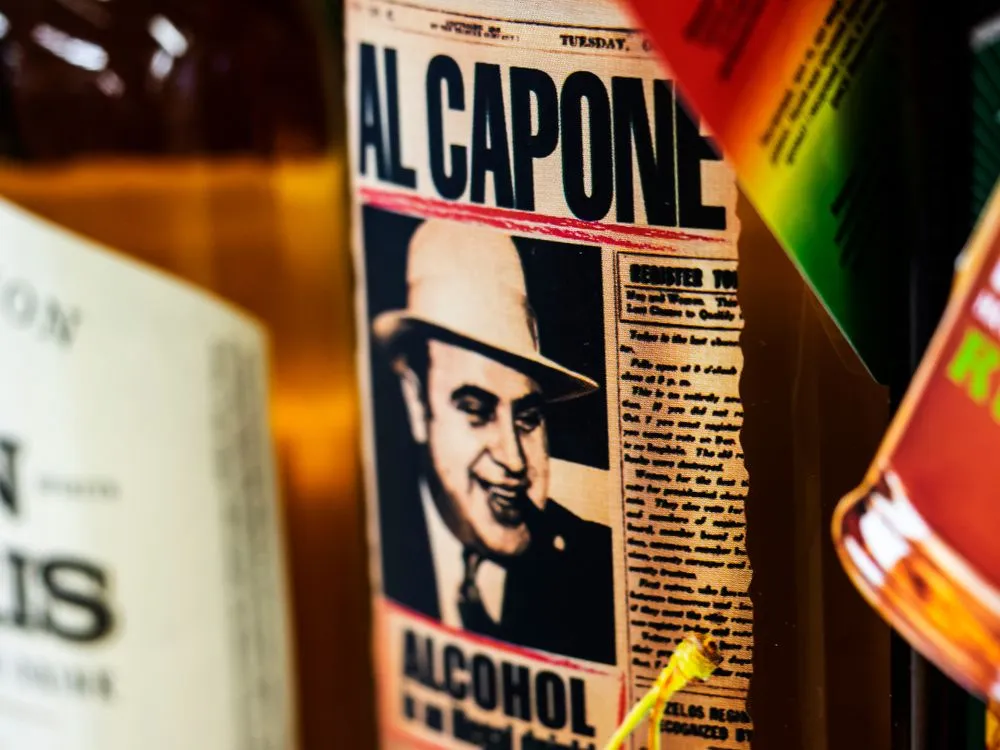
One of the most prominent features of the Prohibition era was the explosive growth of organized crime. The criminal underworld saw a lucrative opportunity in the public’s undiminished desire for alcohol. The prohibition of the sale, production, and transportation of alcoholic beverages did not equate to the prohibition of its consumption, a loophole that created a profitable black market.
This black market needed a supply chain, a distribution network, and security, all services that organized crime was well-positioned to provide.
Gangsters like Al Capone capitalized on the opportunity, creating sophisticated operations to smuggle, produce, and distribute alcohol. These operations often required the corruption of public officials to turn a blind eye, thus entwining crime syndicates with political power. The scale of these activities was vast and often overt: by the late 1920s, estimates put the number of speakeasies in New York City alone at around 32,000, roughly twice the number of legal saloons the city had before the ban.
Lack Of Enforcement
Prohibition laws were met with enforcement challenges from the onset. Law enforcement agencies were understaffed and lacked the resources needed to manage the widespread illegal activities. The Volstead Act provided guidelines for the enforcement of Prohibition, but was full of loopholes that were easily exploited by those willing to break the law.
From using medicinal and religious allowances to circumvent the law to the inadequacies of the legal system in dealing with the sheer volume of prohibition-related crimes, the federal government found itself in a quagmire.
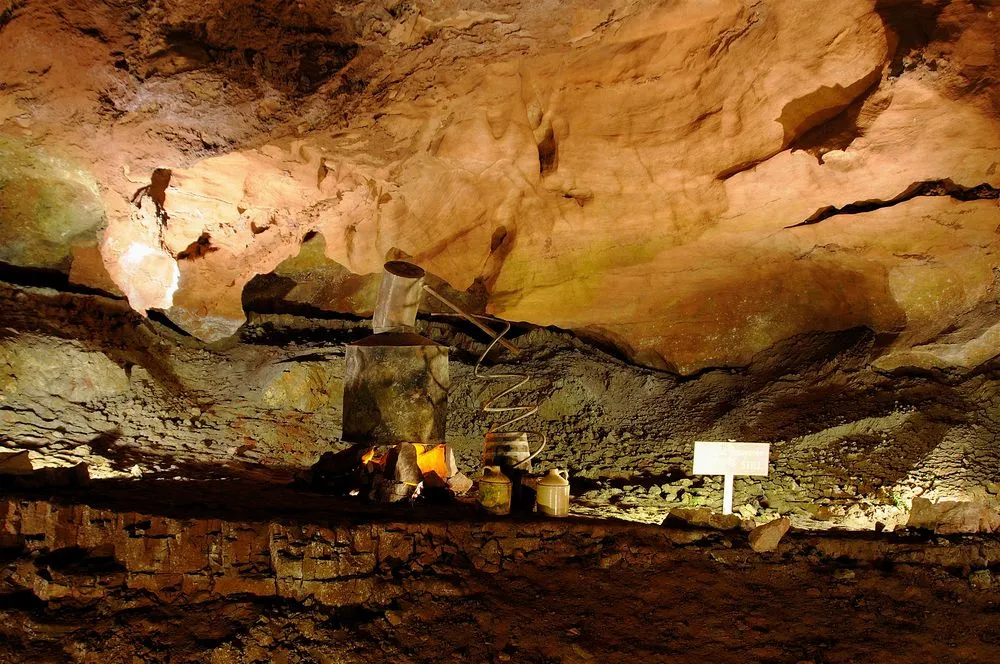
The insufficient salaries and the enormous profits to be made from illegal alcohol made law enforcement agents and officials susceptible to bribery and corruption. It was not uncommon for police, judges, and politicians to be on the payroll of bootleggers and speakeasy operators. This endemic corruption made it extremely difficult to enforce the laws.
Economic Impacts
Economically, Prohibition was disastrous. Prior to its enactment, the government collected significant revenue from the taxation of alcohol. The loss of this revenue, combined with the costs of enforcing Prohibition (estimated at more than $300 million over the era) and the resultant loss of jobs in the brewing and distilling industries, had a profound impact on the economy. This financial strain became even more acute with the onset of the Great Depression, highlighting the inefficiency and economic untenability of Prohibition.
Public Opinion And Repeal
Public sentiment, initially in favor of Prohibition, shifted as the negative consequences became so apparent. The promise of decreased alcoholism and social ills was overshadowed by the lawlessness and corruption that emerged to fill the gap. Moreover, the supposed economic benefits did not materialize; instead, there were job losses and an overall decrease in government revenue.
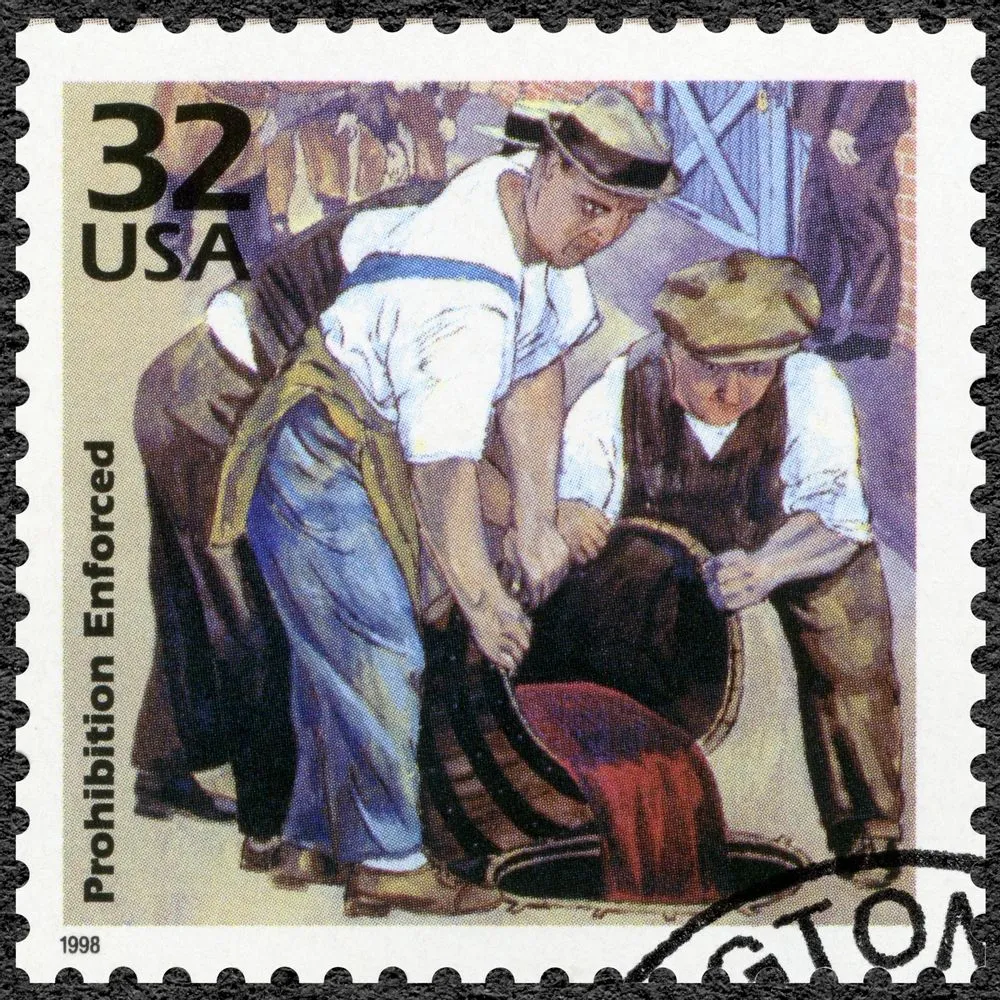
These factors, combined with the advocacy of organizations like the Women’s Organization for National Prohibition Reform (founded in 1929 by Pauline Sabin and grown to roughly 1.5 million members by the early 1930s), culminated in the ratification of the Twenty-first Amendment on December 5, 1933, which repealed the Eighteenth Amendment.
Conclusion
The story of Prohibition is a saga of good intentions clashing with unintended consequences, of a government grappling with the limits of legislating morality, and of a people’s quest for personal freedom and choice. It is a period that serves as a poignant illustration of how a policy meant to protect the public good can sometimes lead to widespread public dissent and unforeseen complications.
Prohibition curbed drinking far less than its backers expected and, in a cruel irony, fueled the very things it sought to diminish: organized crime and corruption. Rather than quenching America’s thirst for alcohol, it mostly drove that thirst underground, creating a vast black market that criminal syndicates were all too eager to supply and profit from.
The failure of Prohibition is a historical example of how legislation can have unintended consequences, and how the government’s reach can sometimes fall short when it goes against ingrained social habits and desires. The eventual repeal of Prohibition was an admission that the “noble experiment” was a mistake, one from which lessons about legislation, enforcement, and the balance between morality and personal freedom are still remembered today.
References (click to expand)
- Alcohol Consumption During Prohibition. National Bureau of Economic Research (Miron & Zwiebel).
- Negative Economic Impacts of Prohibition. Washington State University Libraries Digital Exhibits.
- 18th Amendment to the U.S. Constitution: Primary Documents in American History. Library of Congress.
- How Many Speakeasies Were Open in New York City During Prohibition? The New-York Historical Society.
- The New York Women Who Dismantled Prohibition. Museum of the City of New York.