Table of Contents (click to expand)
We crave sugar largely because of evolution. For our ancestors, a sweet taste flagged safe, calorie-dense food that aided survival when meals were scarce. Sugar also fuels the brain (its main energy source) and triggers a dopamine reward, so eating it feels good and keeps us coming back for more.
How bleak would the world be without sugar? Sugar is something that everyone loves, no matter which culture you come from. What is it about sugar that’s so universally appealing? It contributes to obesity, diabetes, high blood pressure and much much more… obviously, sugar has a lot of detrimental effects on the human body. Even so, nothing seems to curb our craving for sugary sweet products.
So, what sets the “sweet” apart? Why do we crave it so much more in comparison to other tastes? Sugar lights up the brain’s reward system, and researchers still debate whether it is truly “addictive” in the way drugs are. But the deeper reason we find it so hard to resist is hidden within the study of human evolution.

Calories
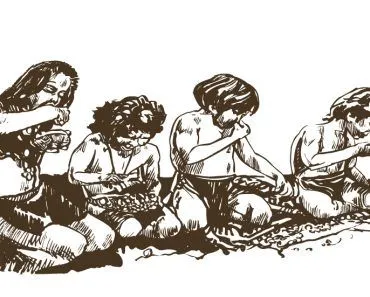
We have to remember that prehistoric humans had very different concerns than we do today. Their ultimate goal was to survive in the harshest of situations, no matter what. There is also a basic chemistry reason sugar matters so much: the sugar we eat is broken down into glucose, and glucose is the brain’s main fuel. Although the brain makes up only about 2% of body weight, it burns roughly 20% of the glucose the body uses, so a craving for something sweet is, at bottom, the body reaching for the fastest energy it can find. If a food tastes sweet, then it’s an indication that that particular food is high in calories. We have evolved to process sugar in such a way that we can store excess energy as fat in our bodies. This fat can later be useful in case there is a severe lack of food. Our ancestors therefore naturally developed a taste for sugar, as it significantly helped them in their efforts for survival.
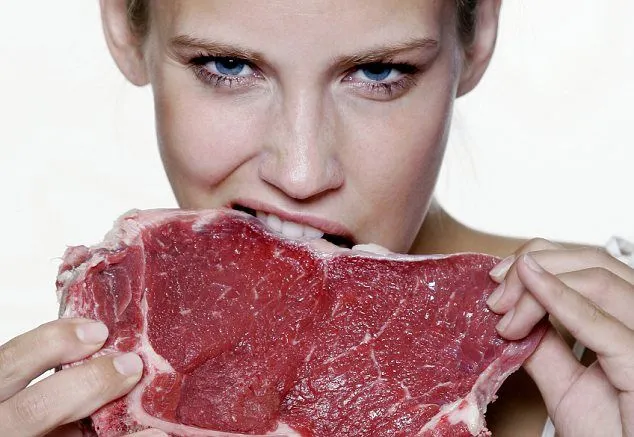
Sugar is found in varying degrees in almost all foods. Even meat contains a certain amount of sucrose. The higher the concentration of sugar in a piece of meat, the juicier it is. Sweetness therefore becomes an indicator, a fact which helped our ancestors distinguish between good, juicy, calorie-dense meat and bad, unpalatable, unhealthy meat.
Fruits
However, some scientists suggest that sweetness does not necessarily flag a food item as being high in calories. For example, potatoes are not essentially sweet in nature, despite being full of carbohydrates. The other explanation that is therefore offered is that our craving for sugar is basically a craving for fructose.
Because they craved fructose, our ancestors would vigorously look for fruit. The consumption of fruit was important to them, not only because it imparted a concentrated dose of sugar and calories through fructose, but also because it ensured the intake of vitamin C and fiber. Fruits are not commonly found everywhere in the natural world. Moreover, most fruits are situated high up in trees. Therefore, evolution ensured that we humans developed such a strong craving for fructose that we would undertake the task of climbing trees to access fruits.

Poisons
Our sense of taste is finely tuned to read food for danger and for reward. Sweetness is easy to pick up: many people can taste sucrose when it makes up only about 0.5% of a solution, which helps us tell what is ripe for eating and what isn’t. We are actually even more sensitive to bitterness, and that is no accident, because bitter compounds in the natural world are often a warning sign of toxins. A palate that flinches at bitterness and welcomes sweetness was a survival advantage: bitterness flagged what might poison our ancestors, while a sweet taste signaled food that was both safe and energy-rich.
So an early human with a sweet tooth had a higher chance of survival than peers, because they would actively avoid bitter foods and lower their chances of getting poisoned. That tendency to enjoy sweeter foods would then be passed on to their children, who would also fare better at surviving. Human breast milk is itself rich in lactose, the sugar in milk, which gently conditions babies to prefer sweetness right from infancy. Over many generations, we became more and more receptive toward sugar, helped along by the way the brain responds to it: eating sweet, energy-rich food releases dopamine, a neurotransmitter at the heart of the brain’s reward system. In simple terms, the brain rewards you for eating sugar, which in our ancestors’ world meant rewarding behavior that improved the odds of survival. There is a serotonin angle too. Carbohydrate-rich foods nudge the amino acid tryptophan into the brain, where it is used to make serotonin, a chemical tied to calm and contentment, which may be part of why we reach for something sweet or starchy when we feel low.

So Is Sugar Really Bad For Us?
The so-called “obesity epidemic” is quite a recent phenomenon, but sugar in itself is not the villain behind it.
For example, the Hadza tribe of Northern Tanzania value honey more than any other food substance. Their diet is extremely high in sugar, with honey supplying roughly 15 to 20% of their calories, yet they are among the healthiest populations studied. They are lean and fit, and conditions like high blood pressure, type 2 diabetes and heart disease are rare among them. Why is that so?
The reason is partly that the Hadza eat unrefined honey. Any natural food item with a high concentration of sugar is usually also accompanied by fiber, vitamins and proteins. Unprocessed honey that the Hadza consume is nothing like the honeyed candies we find in our grocery stores. The type of sugar that is giving the modern world such trouble is artificially concentrated and refined. Just as important, the Hadza walk many kilometers a day to forage, while our modern lifestyle is becoming increasingly sedentary. Refined sugar also tends to spike blood glucose and then let it crash, and that post-meal dip can leave us hungry again and reaching for the next sweet snack, a cycle the Hadza, eating whole foods and moving constantly, largely avoid.

In short, sugar is not necessarily bad for humans. Naturally-sourced sugar substances are incredibly helpful for the human body. It is only because we started refining sugar and mass-producing it, while also isolating it from the other nutritional values, that we now have to face the obesity epidemic. Unfortunately, evolution is a slow and cumbersome process of biological trial-and-error. Maybe, one day in some far-off future, evolution will realize the newly discovered harmful consequences of ‘too much sugar’. At that point, perhaps we would naturally stop craving sugar. After all, too much of something is not always a good thing!
References (click to expand)
- Why A Sweet Tooth May Have Been An Evolutionary ... - NPR. National Public Radio
- BBC Science - Why is sugar so addictive? - www.bbc.co.uk
- Sugar for the brain: the role of glucose in physiological and pathological brain function. PMC, National Library of Medicine.
- Sugar and the Brain. Harvard Medical School.
- Carbohydrate craving, obesity and brain serotonin. Appetite. PubMed, National Library of Medicine.
- Toxins Drove Evolution of Human Taste Sense. Duke Health.