Table of Contents (click to expand)
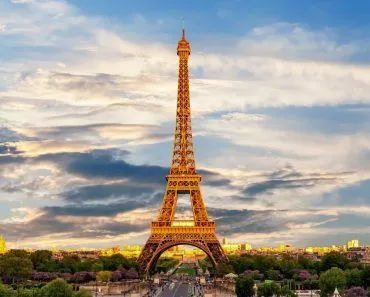
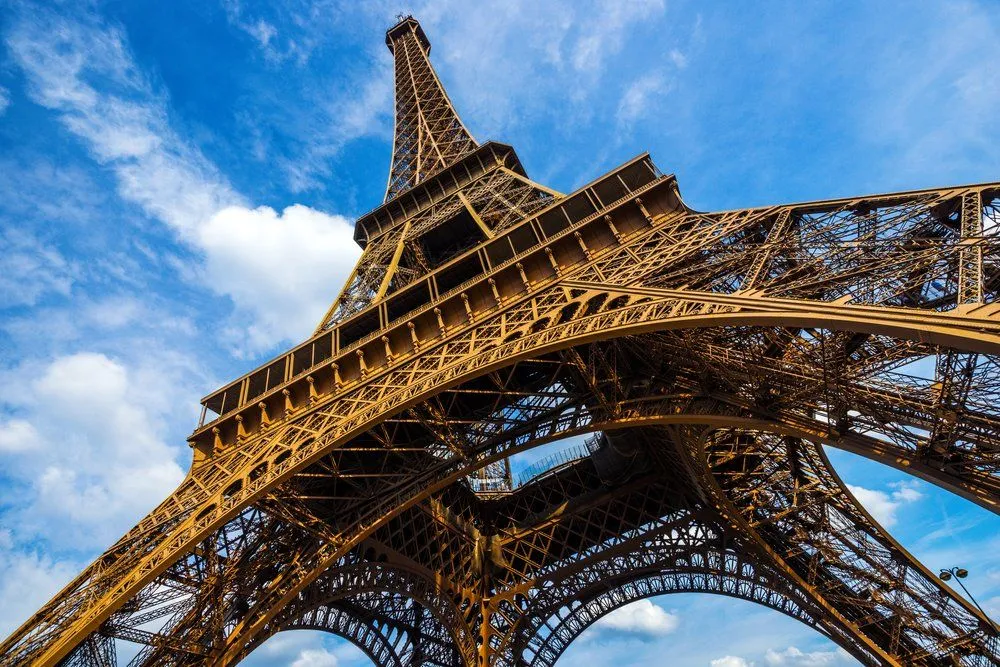
The Eiffel Tower was built as the entrance arch for the 1889 World’s Fair in Paris, which marked the 100th anniversary of the French Revolution. Designed by engineers at Gustave Eiffel’s firm, it was erected on the Champ de Mars between January 1887 and March 1889, and stood as the world’s tallest structure for 41 years.
If you’ve ever been lucky enough to visit Paris, there is one part of the city that you simply cannot miss. In fact, even for those who have never traveled to the capital of France, one of the city’s structures remains the most recognizable images in the world. We are talking, of course, about the Eiffel Tower. While most people know where it is, and have admired its elegant design, towering high over a cultural capital of Europe, few people know the proper history of this magnificent structure.
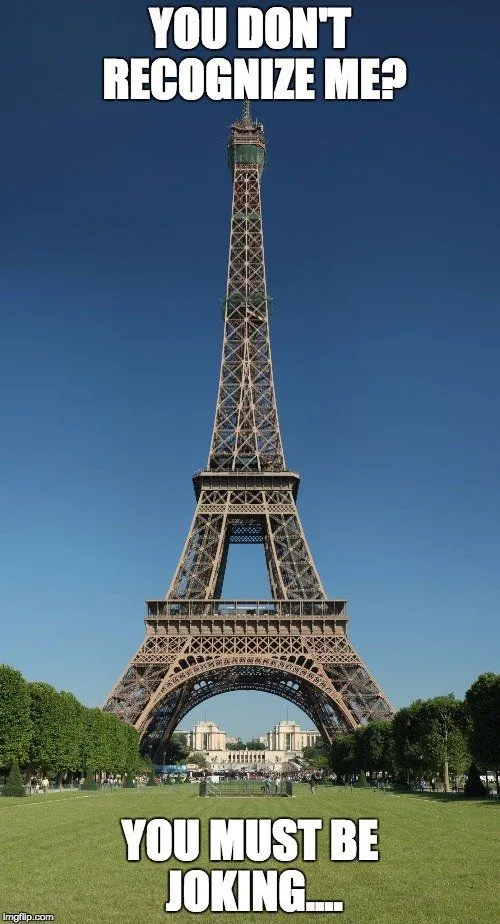
A good question to start with, obviously, is…. why was the Eiffel Tower built in the first place?
The 1889 World’s Fair
The Eiffel Tower was built to mark the 100th anniversary of the French Revolution. Paris hosted the 1889 World’s Fair (the Exposition Universelle) and wanted to mark the occasion with something truly spectacular. A space on the Champ de Mars was the proposed site for a one-of-a-kind structure, and 107 architects and designers submitted ideas in response to the official competition. The structure was to be used as the gateway for the World’s Fair (the entrance arch to the exposition) so it needed to be something truly incredible.
The winning bid came from the construction firm of Alexandre-Gustave Eiffel, a renowned bridge builder and engineer. While he is often credited with the design of this now-iconic structure, history has revealed that the original concept was actually sketched by two of his senior engineers, Maurice Koechlin and Émile Nouguier, with later refinements from the architect Stephen Sauvestre. Work on the foundations started on 28 January 1887, and the tower was finished on 31 March 1889 (two years, two months and five days from the first stroke of the shovel). It consists of roughly 2.5 million rivets holding together 18,038 individual pieces of puddled iron, a refined form of wrought iron. Hundreds of workers swarmed the site to complete the monumental structure before the opening of the Exposition. When it was finished, it stood roughly 1,000 feet (300 m) tall, making it the tallest structure in the world, a title it held for the next 41 years.
After The Fair…
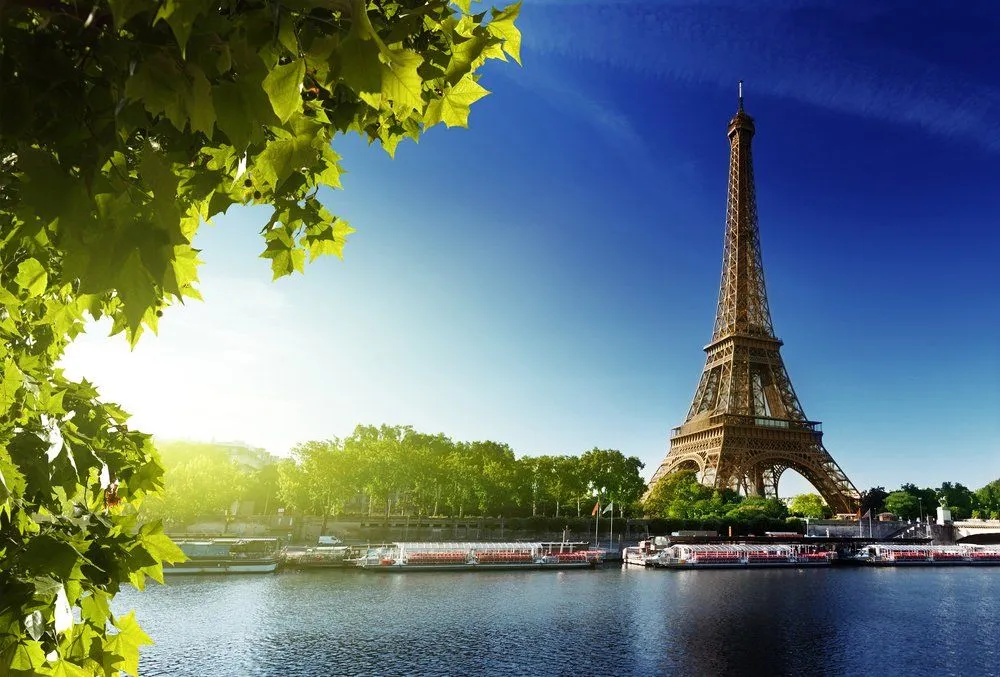
While it seems impossible today, the French government nearly tore down the Eiffel Tower in 1909, just twenty years after it was constructed, since it was only supposed to be a temporary exhibit. Many French citizens had also voiced their concern that it marred the profile of the city, and some even called it an “eyesore”. However, the strategic value of the tower as a radio antenna could not be denied, so the City decided to keep the structure in place. If they hadn’t, they would have destroyed the most popular paid tourist attraction in the world.
In 1930, 41 years after its construction, its title as the tallest manmade structure in the world was lost when the Chrysler Building was completed in New York. Not wanting to be outdone by the Americans, the French added a radio antenna to the top of the Eiffel Tower, briefly bringing it to 1,063 feet and making it 17 feet taller than its American challenger. The reclaimed title did not last long: in 1931, the Empire State Building was erected, topping out at 1,454 feet (including its mast), marking the end of the Eiffel Tower’s reign over the sky. The tower has continued to grow in fits and starts since then, and after a new digital radio antenna was bolted on in March 2022, it now stands at 330 meters (1,083 feet).
When the Nazis occupied Paris during the Second World War, Hitler ordered the city’s landmarks (the Eiffel Tower included) wired with explosives and destroyed before the Allies could retake them. The order was never carried out: the German military governor of Paris, General Dietrich von Choltitz, defied it and surrendered the city largely intact in August 1944. Since the middle of the 20th century, the tower has swelled in popularity as global travel has increased, and the French government now considers it a national treasure. It is repainted roughly every seven years and welcomes visitors 365 days a year.
Today, around 7 million people visit the Eiffel Tower each year, and more than 300 million have visited since its construction. Those picture-snapping visitors often take the daring climb up the 674 stairs that lead to the second floor, or opt for one of the elevators tucked inside the base legs of the structure. The four main pillars, if you’re ever lost in Paris, are aligned with the points on a compass (north, south, east and west).
It provides jobs for hundreds of people on a daily basis, between the operators, tour guides, ticket-sellers, security, and the staff of its two restaurants (Madame Brasserie on the first floor and the Michelin-starred Le Jules Verne on the second) plus the champagne bar at the summit.
What About Eiffel Himself?
Now, you may be wondering…. if Alexandre-Gustave Eiffel and Maurice Koechlin designed the Eiffel Tower, surely they must have also done some other great work, right?
Well, as it turns out, the two men were also employed to work on another iconic structure that you have surely seen before….
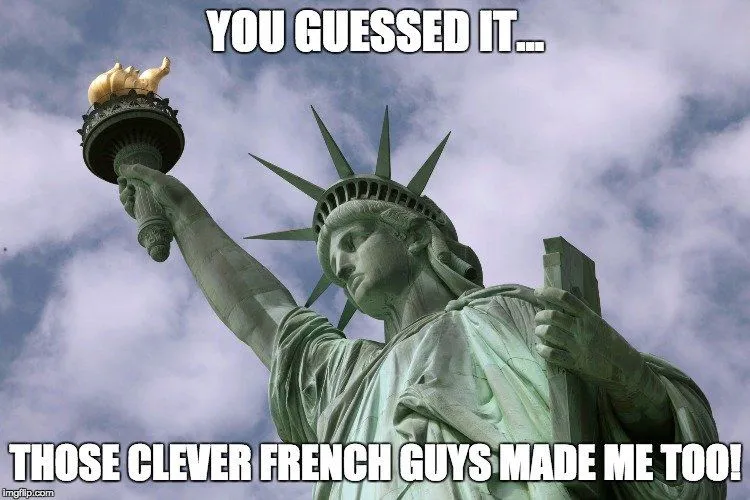
Yes, that’s right. Alexandre-Gustave Eiffel was the second designer of the internal structure of the Statue of Liberty, after the original designer, Eugène Viollet-le-Duc, passed away suddenly in 1879. Eiffel stepped in and ensured that the internal structure was sound, even altering the initial designs to use more modern techniques to increase strength and durability.
His reputation grew after this historic construction project, which may have given him a leg-up on the competition when it came to competing for the World’s Fair Commission.
The Eiffel Tower is the pride and joy of many Parisians, and will continue to attract awestruck tourists from around the globe for a very long time! At least now, when you’re hiking up those 674 stairs with the love of your life, minutes before you plan to propose in one of the most romantic places on Earth, you can tell her precisely why the Eiffel Tower even exists!
References (click to expand)
- Castellaro, S., Perricone, L., Bartolomei, M., & Isani, S. (2016, November). Dynamic characterization of the Eiffel tower. Engineering Structures. Elsevier BV.
- Alexandre-Gustave Eiffel - Statue Of Liberty National .... The National Park Service
- (2012) The Eiffel Tower - JSTOR. JSTOR
- The Birth of the Eiffel Tower. Official Eiffel Tower Website (Société d’Exploitation de la Tour Eiffel).
- The Eiffel Tower Grows Even Taller: 330 Meters High. Official Eiffel Tower Website.
- Eugène Viollet-le-Duc. Statue of Liberty National Monument. U.S. National Park Service.