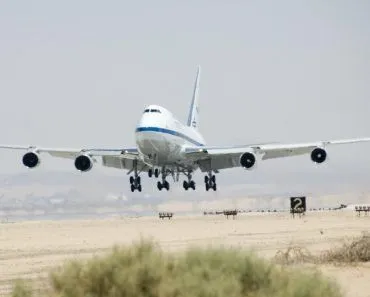
Taxiing is how an aircraft moves between its gate and the runway on the ground. Most airplanes taxi under their own engine power, with the engines throttled back to idle and the pilot steering the nose wheel. Heavy jets are pushed back from the gate by a tow tug rather than by reverse thrust, which is too hazardous near the terminal.
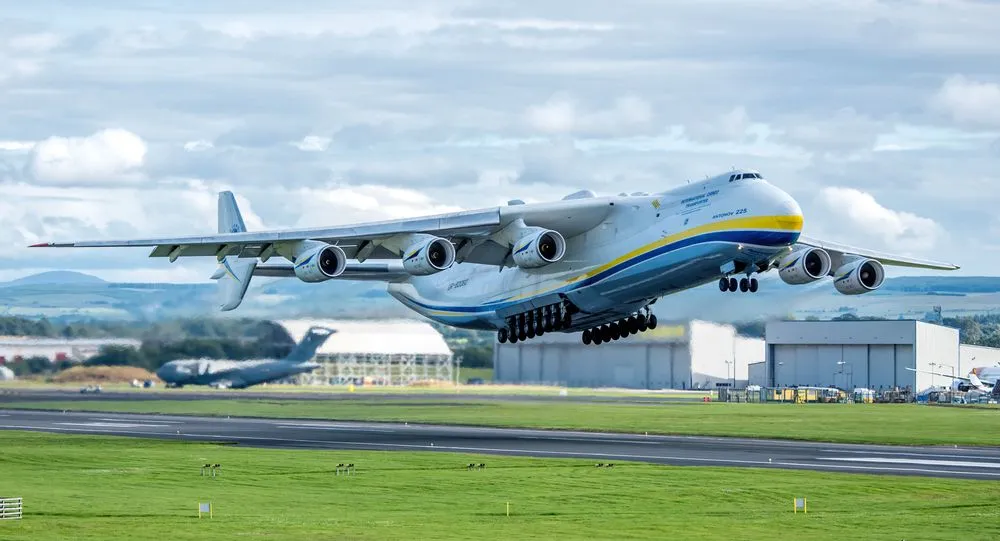
Even though the term ‘gigantic’ is not inherently associated with ‘mobile’, there are plenty of examples to prove otherwise. From the humble bumblebee to the Antonov An225 Mriya, there is plenty of evidence in this regard. Since we mention the Mriya, let’s take the case of gravity-defying aircraft. Seeing them take off or land is a breathtaking occasion in itself!
However, planes are parked in the hangar, so how do they make their trip to the runway? Why is the term taxiing so commonly thrown around when aircraft are discussed? Let’s bring a little order to this chaos.
What Is Taxiing?
Taxiing refers to the movement of aircraft from their parking bays, to the runway (as during take-off), or vice versa (upon landing). It is exactly the same as you pulling out of your parking space, and crossing one or many aisles to reach the exit when you leave for work.
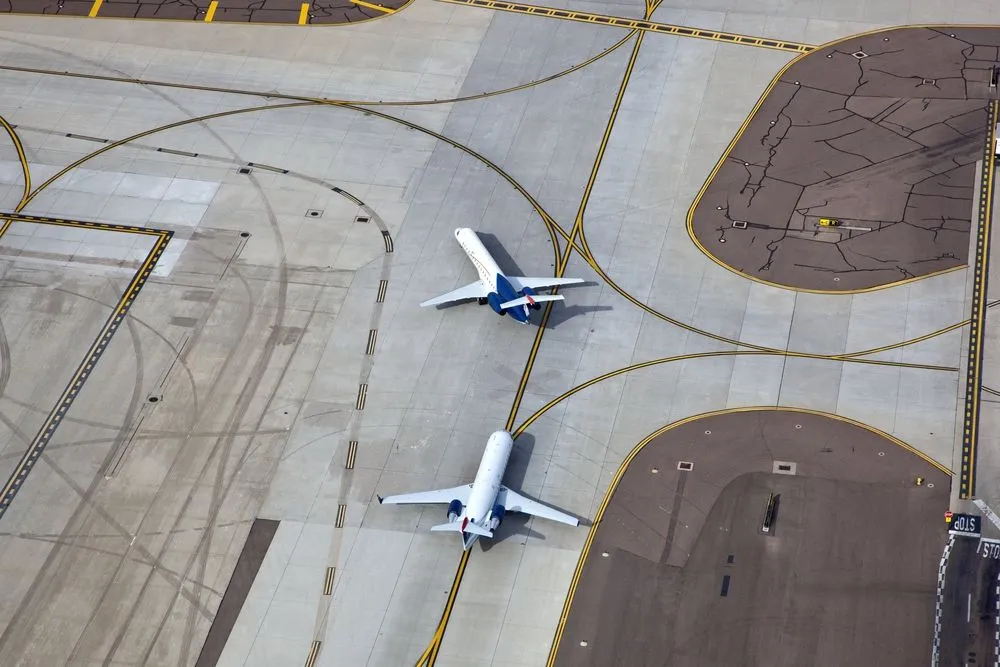
Now, why would something so mundane warrant so much attention? In truth, as graceful as aircraft are in the skies; they’re equally unwieldy on land.
Throw invaluable infrastructure, fallible people and expensive, highly combustible fuel into the mix, and the stakes rise instantly. As you read on, you will find that there is much more to taxiing than just pulling in and out of the hangar.
Why Is It Called "Taxiing"?
It is a fair question: what does a jumbo jet trundling toward the runway have to do with a yellow cab? The link is genuine, and it reaches back to the earliest days of flight. Dictionaries trace the aviation verb "to taxi" to around 1911, and it borrows straight from the noun "taxi", which was itself a shortening of "taximeter cab", the metered motor cabs that appeared on the streets of London in March 1907. The image that stuck was of a taxicab cruising slowly along the road looking for fares. An aircraft creeping along the ground under its own power, moving but not yet fast enough to fly, looked much the same to early aviators, so they simply called it taxiing.

There is a second thread to the story, woven in the flight schools of the day. As early as 1909, French flight schools run by pioneers such as Farman and Voisin used "taxi" as a noun for a deliberately underpowered training aircraft. A contemporary report in the San Francisco Call in December 1909 described "a special aeroplane known as the 'taxi', on which pupils are taught to fly", adding that "its power is low" so that students could practice running along the ground without accidentally lifting off. Blériot later built a famously flightless, clipped-wing trainer nicknamed the "Penguin" for exactly this kind of ground schooling. Whichever thread you follow, the underlying sense is identical: a taxi is something that scoots along the ground rather than taking to the air, which is precisely what an aircraft is doing when it taxis to the runway.
How Do Aircraft Taxi?
Depending on their size, aircraft can taxi using their own propulsion or be tugged around.
Taxiing With Engine Power
Jet and propeller engines are very powerful and draw in large quantities of air to generate thrust. At ground level, this can be a very dangerous situation, due to presence of personnel and equipment. Most modern aircraft use their engine power to navigate to the runway, so pilots operate engines at reduced power output to taxi safely on and off the runway.
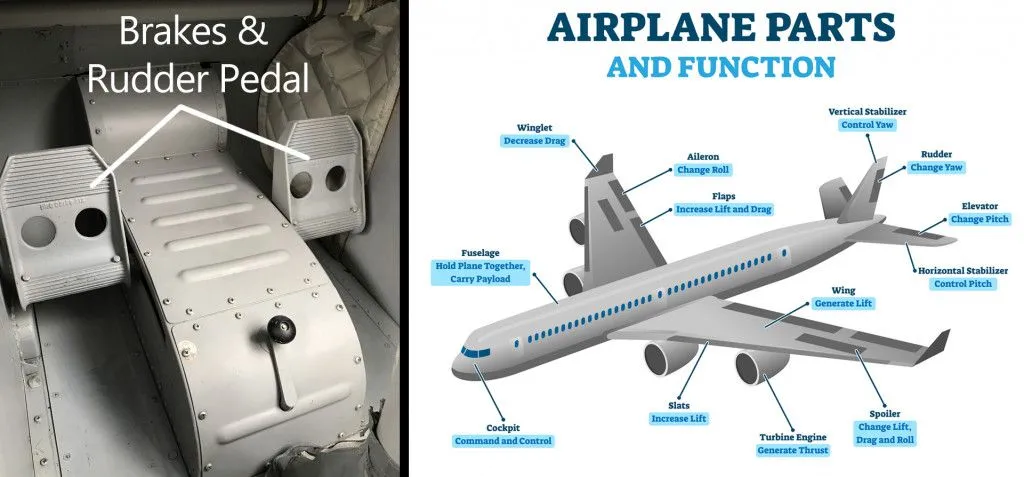
The nose wheel present at the front of the aircraft can be steered to fairly extreme angles from within the cockpit. Aircraft can also be steered using a hand-operated crank called the tiller wheel.
In addition to this, the pilots use brakes and rudder control to steer the aircraft. In the event of winds along the taxiway, ailerons can be used to stabilize the aircraft, but they serve no purpose in steering, per se.
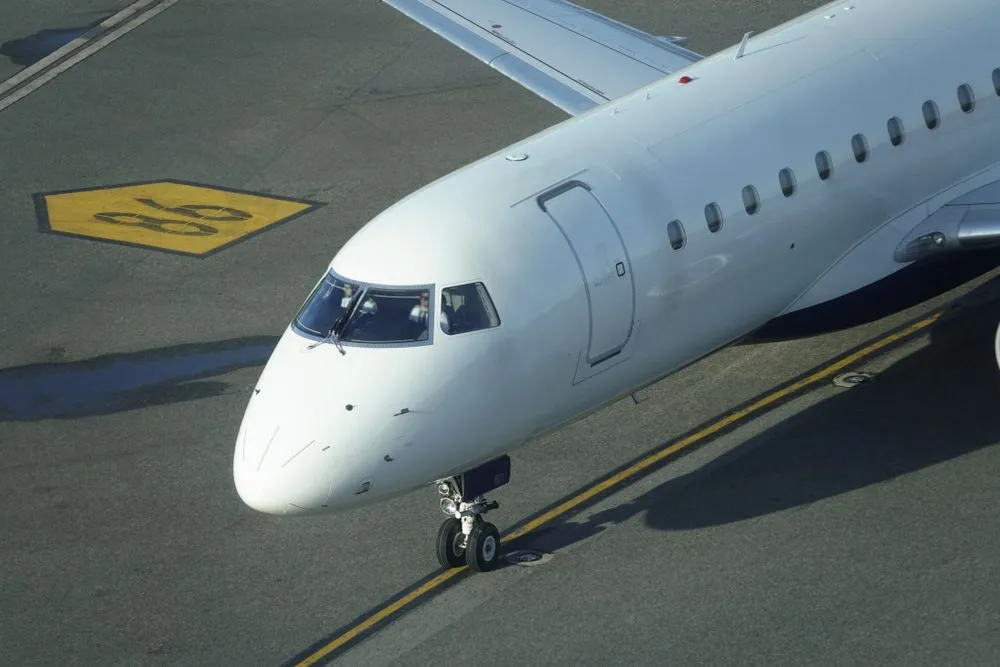
In order to know when to make a turn, the taxiway has a bright yellow centerline painted on it. Its position and turning radius is calculated beforehand to ensure that even the largest of aircraft can stay on it, without becoming unstable at sharp turns.
And no, this is not a high-speed dash. Taxiing is a slow, deliberate crawl. On a clear, straight taxiway, airline rules typically cap the speed at around 30 knots (about 55 km/h or 35 mph), but pilots usually keep it nearer to 20 knots (37 km/h or 23 mph) and slow to roughly 10 knots (18 km/h or 12 mph) through turns. The aircraft is steered with the feet, by the way: the pilots press the rudder pedals to swivel the nose wheel, much as you would turn a bicycle's handlebars.
Taxiing With Tow Vehicles
Tow vehicles, often called pushback tugs, are squat, high-torque vehicles that connect to the nose wheel using a towbar (or, in newer towbarless designs, by cradling the nose wheel directly). They are capable of both pulling and pushing aircraft. While they connect to the nose gear, the pilots release nose wheel steering so the tug can guide the plane.
This is where the everyday question comes in: why do so many planes get towed away from the gate instead of simply backing up on their own? Big jets are parked nose-in at the gate, so they need to reverse before they can taxi forward. In theory, a jet could use reverse thrust to back up (a maneuver called a "powerback"), but in practice it is rare and usually prohibited at the gate. Aiming all that engine exhaust at a terminal building is a recipe for trouble: it can fling loose debris (FOD, or foreign object debris) into people, vehicles and the engines themselves, it is deafeningly loud, it burns fuel, and the pilots cannot even see what is behind them. A tug sidesteps every one of those problems, which is why nearly every airliner is pushed back by one.
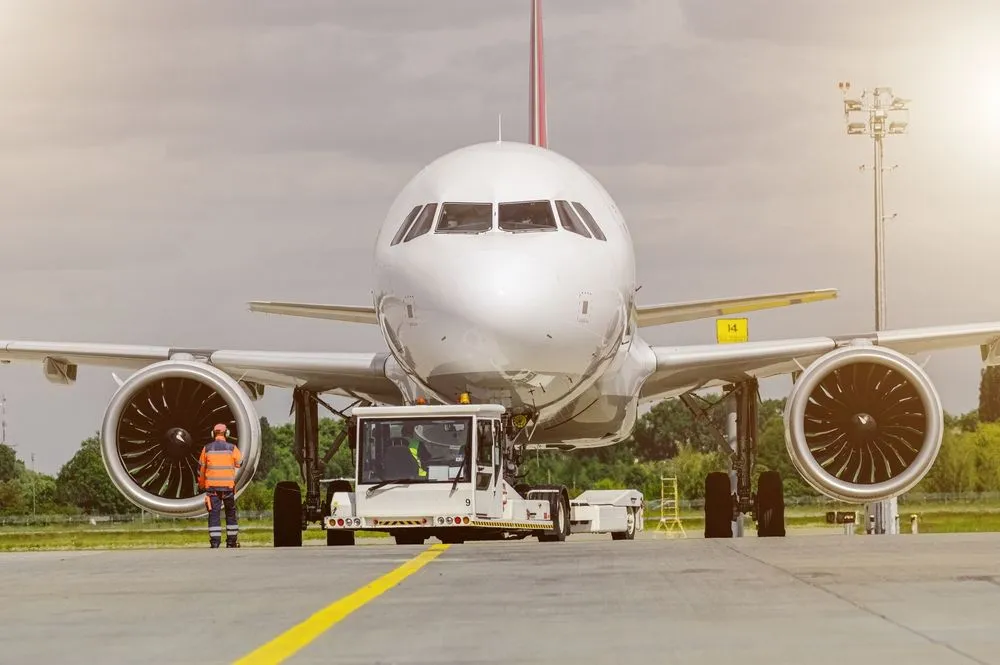
Extremely light, recreational aircraft, such as gliders and biplanes, can also be moved around on the ground by hand. Far from becoming obsolete, the humble tug remains a fixture of every busy airport: pushing aircraft back from the gate is a job their own engines simply cannot do safely.
Taxiing In Helicopters And VTOL Aircraft
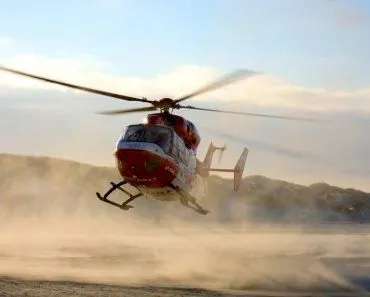
In skid-mounted helicopters and vertical take-off and landing (VTOL) aircraft, the absence of landing gear, like wheels, can make taxiing a challenge. Therefore, they perform hover taxiing, wherein they fly close to the ground at reduced speeds.
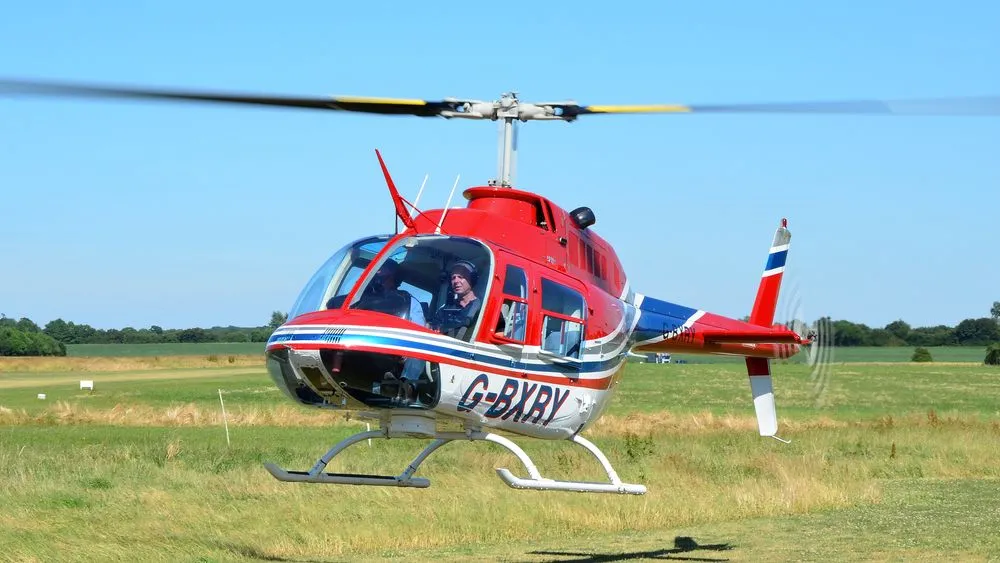
In a phenomenon known as ground effect, flying within roughly one rotor diameter of the surface lets the rotor downwash pile up against the ground, which reduces induced drag and the power the rotor needs to stay aloft. That makes it efficient for a skid-equipped helicopter to hover-taxi just above the surface, usually below about 20 knots (37 km/h or 23 mph), without climbing into full flight.
Aircraft Taxiing: An Economic Standpoint
Fuel costs comprise a significant chunk of operating costs for airlines. Over the decades, fuel prices, the volume of fliers, as well as overall air traffic have gone up. Airport operations are optimized to serve the maximum possible number of flights in a day. Increased air traffic can contribute to longer waiting times for aircraft, further increasing their taxiing time.
Based on studies conducted around aircraft taxiing times, here are a few interesting statistics to consider.
- Jet fuel is the single largest variable cost for most airlines, typically accounting for roughly a third (often around 25 to 35%) of an airline's operating costs.
- Fuel burned during taxiing alone can account for around 6% of the total fuel used on a short-haul flight, which is far from trivial when multiplied across an entire fleet.
- Aviation is responsible for about 2 to 3% of global carbon emissions from human activity.
- Global airlines were forecast to burn close to 99 billion gallons of jet fuel in 2024, at a cost of roughly USD 291 billion, as traffic climbed past pre-pandemic levels.
- The US Bureau of Transportation Statistics has also tracked the steady creep upward in both taxi-in and taxi-out times at busy airports.
Upon correlating increasing taxiing times across the fleet with fuel costs, environmental hazards and delays, the numbers paint a pretty ugly picture of what running costs are like.
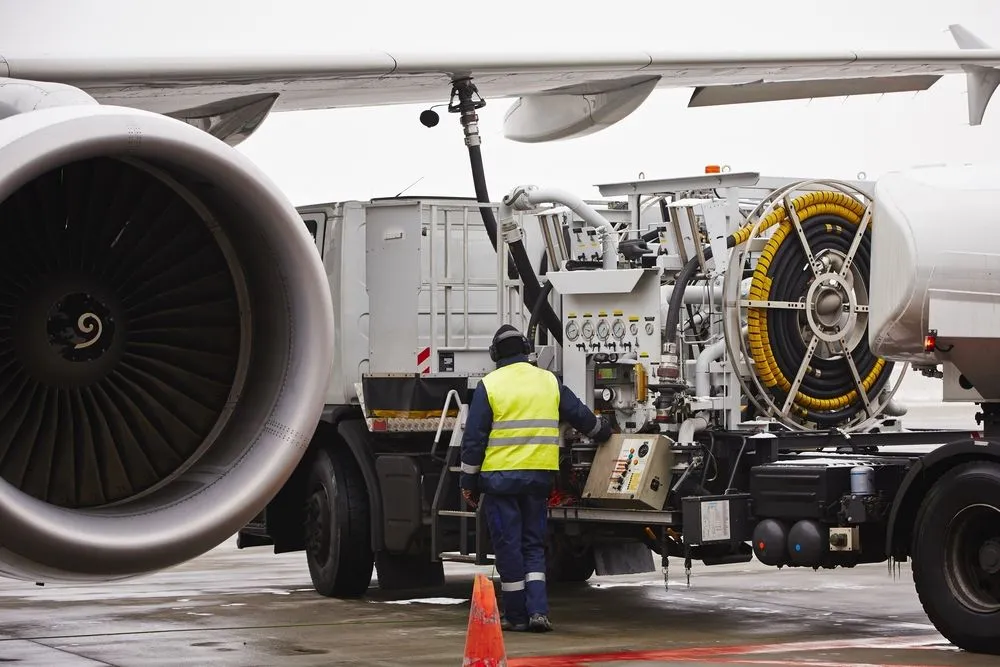
Even though jet engine efficiency improves significantly with each iteration, there are several hurdles. To begin with, it is not feasible to switch engines every time a more efficient engine is unveiled to the market. At the same time, the increase in efficiency shows no significant offset against rising taxiing times and fuel costs.
Further Developments
The major component of fuel costs is determined by actual airtime, and consequently, engine design. Thus, as operators, airlines may have little control over their fuel access or costs. However, peripheral operations, such as taxiing, can quickly accrue significant costs, leading to the need to optimize on them.
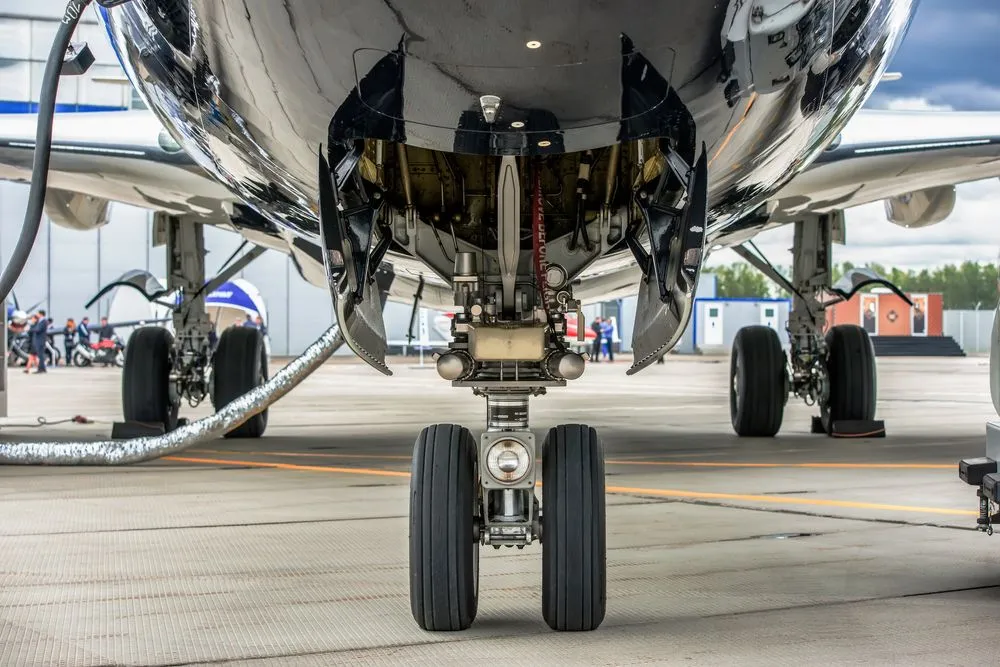
The simplest fix is already in widespread use: single-engine taxiing, where a twin-engine jet shuts down one engine and idles to the runway on the other, trimming taxi fuel burn without any new hardware.
The more ambitious idea is to take the main engines out of the equation altogether. One approach moves the muscle off the aircraft: a semi-robotic, towbarless tractor called the TaxiBot (developed by Israel Aerospace Industries with TLD and Airbus) tows the plane all the way to the runway with its engines off, then disconnects just before takeoff. It is the only such system certified and in service so far, and the manufacturer claims it can cut taxi fuel use and emissions dramatically. The other approach builds an electric motor right into the landing gear, so the wheels drive themselves. Several onboard "electric green taxiing" systems (from ventures such as Safran and Honeywell's EGTS, and WheelTug) have been demonstrated, but the added weight and certification hurdles have kept any of them from reaching everyday airline service. For now, the engines (and the tug) still do the work, but the long-term goal is clear: move aircraft around the ground while burning as little fuel as possible.
References (click to expand)
- The Aircraft Electric Taxi System: A Qualitative Multi Case Study - ProQuest - www.proquest.com
- How does an aircraft steer while taxiing on a runway?. The MIT School of Engineering
- (2001) An Investigation into the Aerodynamics of Wings in Ground .... eprints.soton.ac.uk
- airline fuel and labour cost share. The International Air Transport Association
- Fuel Fact Sheet - IATA. The International Air Transport Association
- Greener Aircraft Taxiing: Single-Engine Taxi-out Evaluations. The Single European Sky ATM Research 3 Joint Undertaking
- Taxi - Etymology, Origin & Meaning. Online Etymology Dictionary
- Flight School - The History and Etymology of Taxiing. Early Sports and Pop Culture History