A modern twin-engine jetliner can fly perfectly safely on a single engine, which is exactly what ETOPS certification is built around. Even if both engines fail, the airframe doesn’t fall out of the sky: it becomes a glider with a typical glide ratio of about 10:1, meaning roughly 10 miles forward per mile of altitude lost. From a cruising altitude of 30,000 ft, that buys the crew about 100 miles to find somewhere to put it down, the same physics Captain Sullenberger used to ditch in the Hudson River in 2009.
Operating at roughly 35,000 feet above sea level, aviation is ironically the safest mode of transportation, considering that we are creatures not designed to fly.
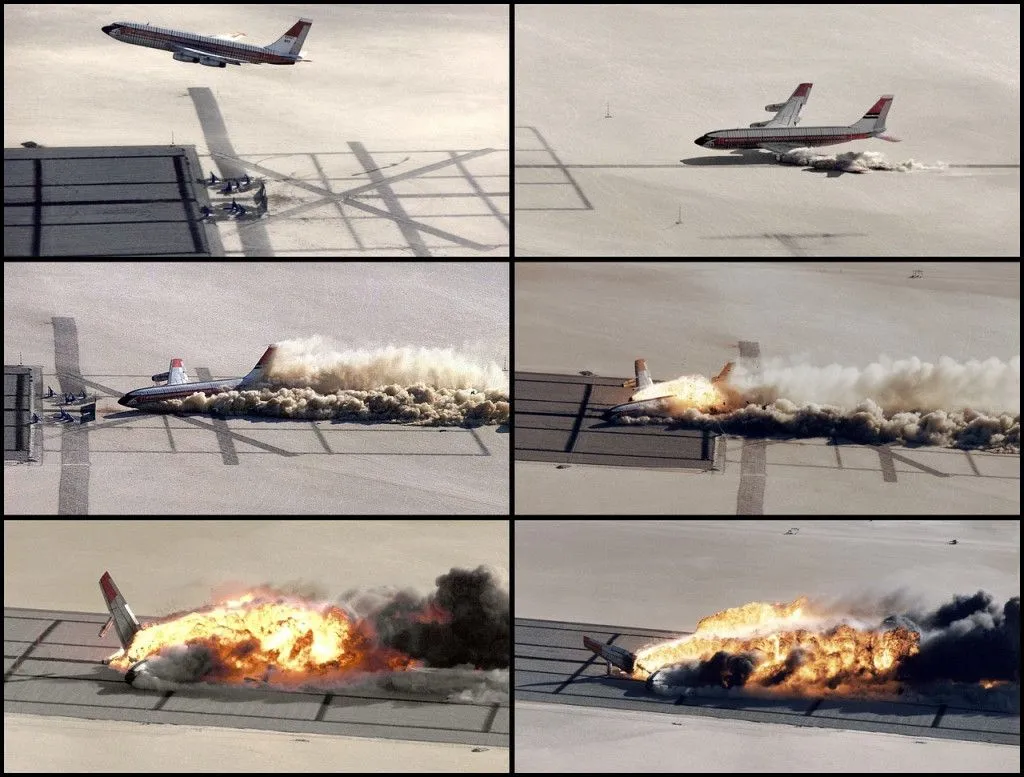
Aviation industry history, however, is dotted with sporadic incidents, some of which end in near misses, while others result in catastrophe. One such scenario is aircraft engines failing in mid-air.
What Happens If Aircraft Engines Stop Working In Mid-air?
Unlike other potential dangers of flying, engine failure in flight is relatively frequent. However, this does not necessarily end in fatal crashes. It is helpful to understand its causes and the impact on both passengers and aircraft. While there are various types of aircraft engines, this discussion revolves primarily around the most common, twin-engine commercial aircraft.
Causes Of Aircraft Engines Failing Mid-air
Most commercial aircraft are powered by jet engines due to their superior design and reliability. However, these engines can fail due to both external and internal reasons.
1. Mechanical Failure
Any failure pertaining to the engine’s internal components is classifiable as a mechanical failure. Uncommon, but not unheard of in turbine engines, it is often traced to manufacturing defects or servicing errors.
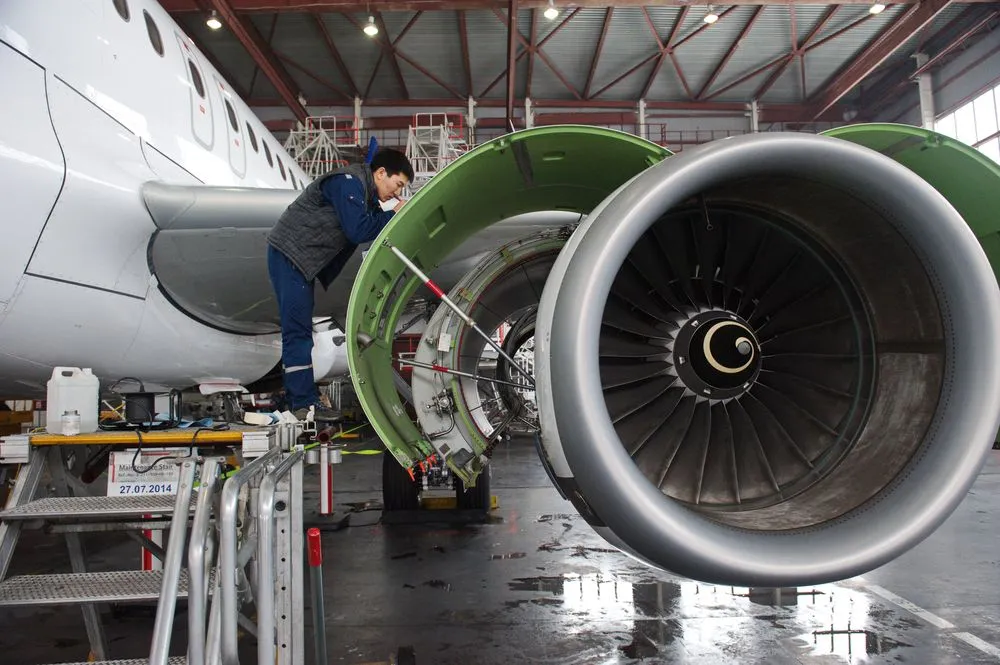
Grave mechanical failures include fan blades detaching from compressors and turbines. This can then cause damage to other engine components and even the airframe. Other mechanical failures involve the leakage of combustible fluids, such as fuel and hydraulic oils.
2. Foreign Object Damage (FOD)
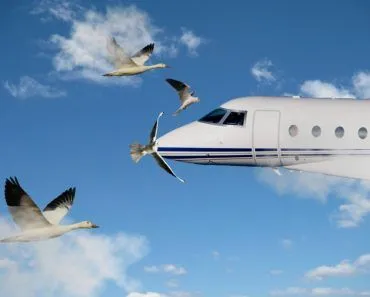
Turbine engines work well with only one thing – air. However, they can prove particularly fickle when accosted with any foreign object – birds, volcanic ash, or even tools or tiny spare parts that are missed during service.
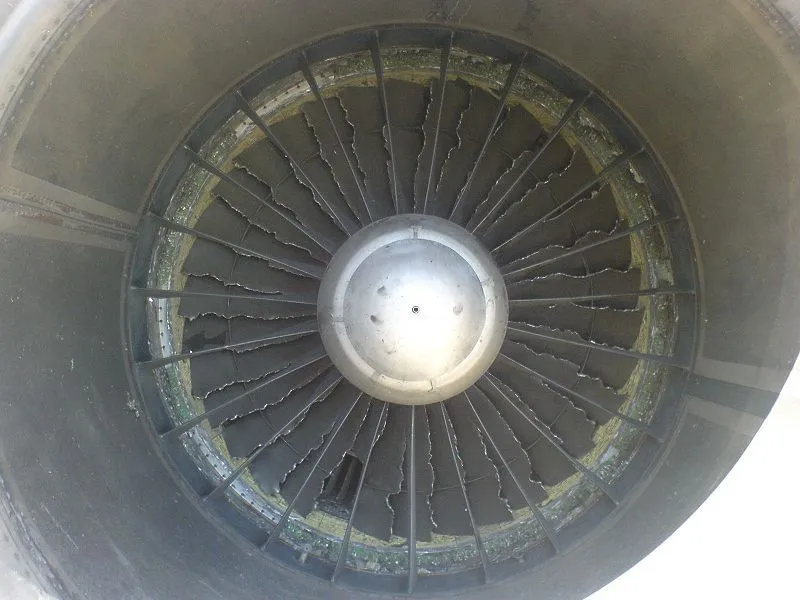
At higher altitudes and in colder climates, ice can build up at the air inlet, causing damage to components downstream.
3. Fuel Starvation And Exhaustion
Choked fuel lines and pumping faults may prevent fuel from reaching the engine. Aviation fuel is susceptible to contamination that adversely affects its combustion characteristics. The engine may also be deprived of fuel in the case of complete fuel exhaustion.
4. Compressor Stall And Aerodynamic Stall
Two separate "stalls" can ground a flight, and they are easy to confuse. A compressor stall is a disruption of the airflow through the engine's compressor blades, often caused by a sudden change in inlet conditions, which can choke off thrust. An aerodynamic stall, by contrast, is a wing problem: it happens when the angle of attack gets too steep for the airflow to follow the wing's upper surface, and lift collapses. The engine keeps running, but the wings stop holding the plane up.
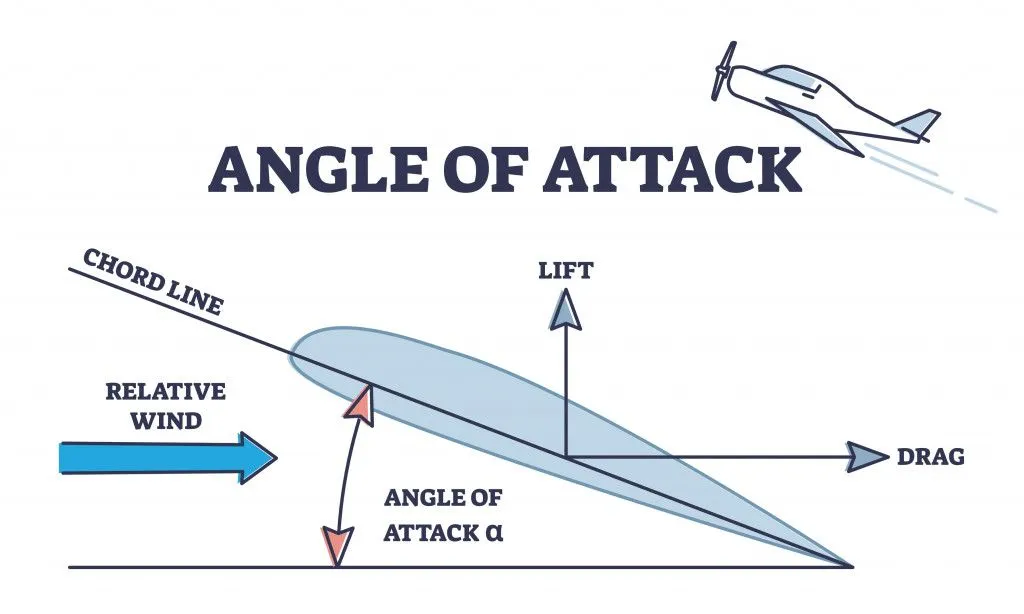
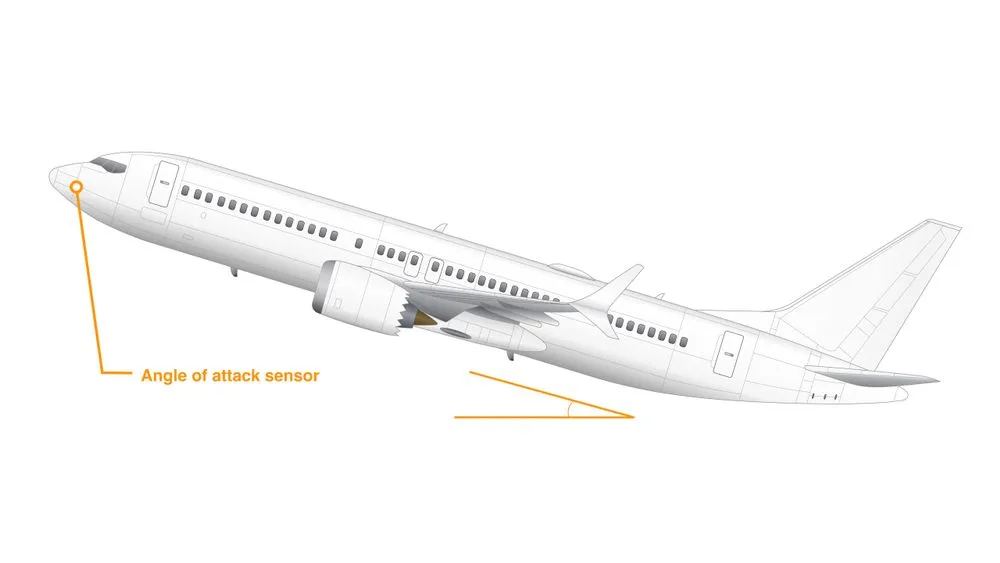
Aircraft often enter the wind at an angle, measured between its direction and inclination of the wing, known as the angle of attack (AOA). Beyond the critical AOA, there is insufficient airflow underneath the wings to sustain the aircraft’s lift, causing it to lose altitude very quickly.
Effects Of Engine Failure
Engine failure results in the loss of thrust, which is required for aircraft to maintain altitude or climb further. However, engine failure does not necessarily culminate into the complete loss of aircraft control. Aggressive use of flight controls, namely rudders and ailerons, can steer the flight to safety.
Aircraft compensate for a loss of thrust by losing altitude, gliding instead of climbing. A modern commercial jet has a glide ratio (lift-to-drag ratio) of roughly 10:1 to 20:1, meaning it can travel 10 to 20 miles forward for every 1 mile of altitude it loses. From a typical cruising altitude of 35,000 ft (~6.6 miles), that translates to a glide range somewhere between 65 and 130 miles, generally plenty of room to reach a suitable airfield.
Engine failure is easier to deal with at higher altitudes than at lower altitudes, such as when taking off.
Landing With Engine Failure
Pilots faced with engine failure must conduct forced landings on the most favorable surface available to them. Here’s an interesting catch – this surface need not only be land. Airplanes can be ditched, i.e., landed on water or ice, without compromising passenger safety.
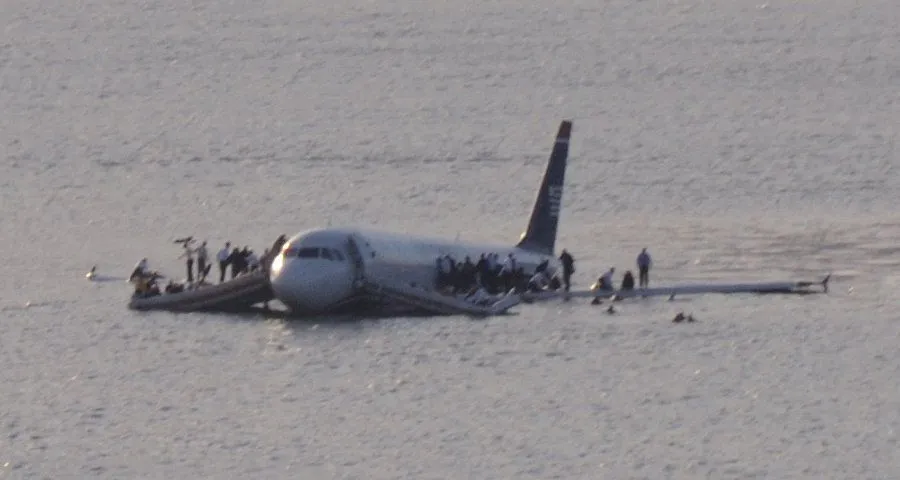
Similar to crumple zones in cars, aircraft have expendable parts in their structure to dissipate the force of landing in inclement terrain. These include the wings, landing gear, and even the bottom part of the fuselage.
Forced Landing From High Altitudes Due To Engine Failure
When landing from high altitudes, pilots have the benefit of distance to select suitable spots, and can ‘ease’ into the forced landing. Raising the nose cone to maintain altitude increases the risk of stalling, and thus a more rapid loss of altitude.
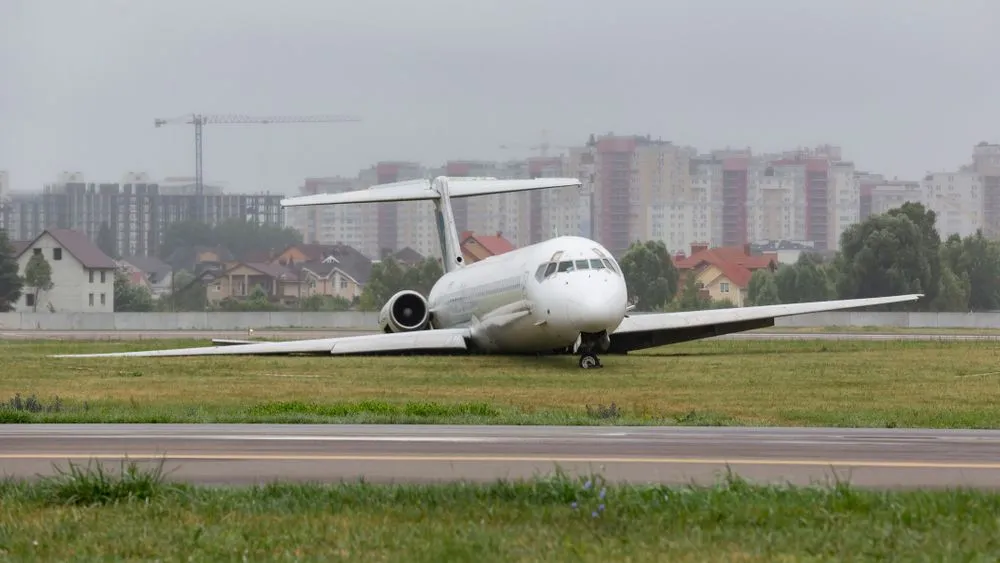
Pilots lower the nose cone, pulling the aircraft into a gentle glide and maneuver it with the flight controls available to them. It is desirable to land as flat as possible, to prevent the aircraft from cartwheeling or striking on the wing tips.
The pilots also cut off all power and fuel flow to the engine just before they touch down, to prevent the risk of fire.
Forced Landing Upon Takeoff Due To Engine Failure
Engine stalls and failures are very difficult to rectify at low altitudes. The first instinct it to turn back to the field from which the aircraft took off. However, it is important to achieve normal flying altitude before attempting to turn an aircraft around. Aircraft force-landing on airfields are safer due to the immediate availability of on-ground fire suppression systems.

Safety Measures To Prevent Engine Failure
1. Design
Mechanical failure can often result in components, such as blades, flinging out of the engine at high speeds, damaging other parts of the aircraft. To prevent this, engines are designed, tested and certified to contain such damage to within the engine’s nacelle.
2. ETOPS
ETOPS, originally Extended-range Twin-engine Operational Performance Standards (officially renamed in 2007 to EDTO, ExtenDed range Twin-engine aircraft Operations, by ICAO), is the certification that lets a twin-engine jet fly long routes far from a diversion airport. The basic rating is ETOPS-60 (must stay within 60 minutes of an emergency airfield on a single engine), but modern aircraft are certified to ETOPS-180, ETOPS-240, ETOPS-330, or even ETOPS-370 for the Airbus A350. That last figure means the aircraft is approved to fly more than six hours from the nearest diversion airfield, on one engine, with passengers on board.
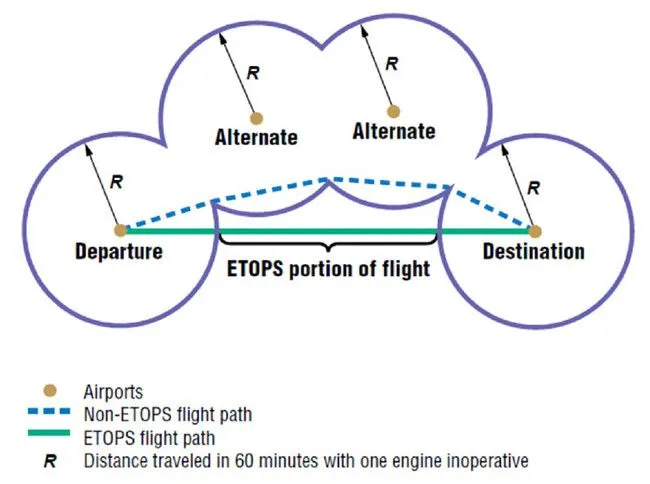
Given the minuscule probability of both engines failing simultaneously, this is considered adequate to find an airport for an emergency landing.
3. Fire Extinguishing Systems
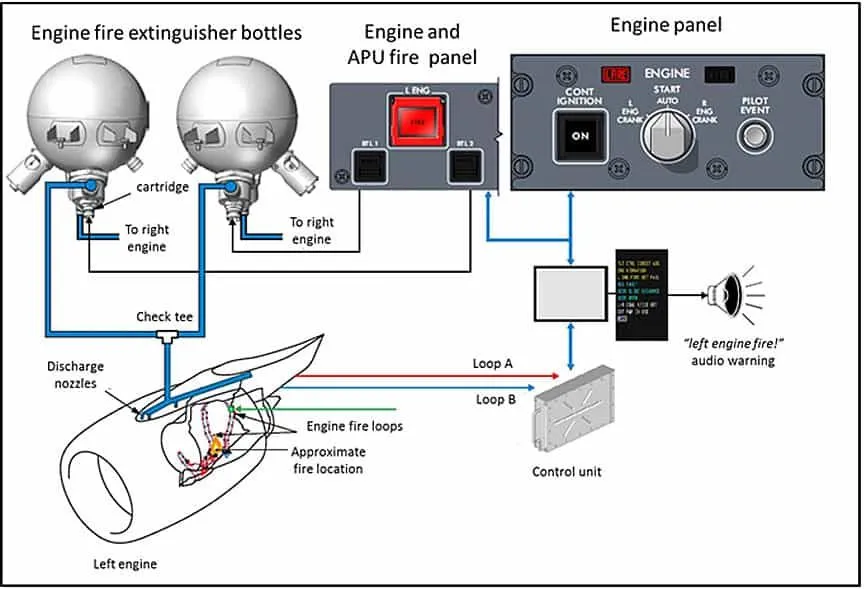
Aircraft are equipped with electronically operated fire extinguishers. If the engine catches fire, the fuel supply is staunched and extinguishers are deployed. This prevents the fire from engulfing other parts of the aircraft mid-air.
4. Engine Stall Rectification
Tipping the nose cone downwards helps reduce the angle of attack, preventing the risk of engine stall. Aircraft experiencing an engine stall will lose altitude much faster unless they take a gentler angle of attack, which allows them to glide.
5. Training For Engine Failure Prevention
Reducing human error during maintenance activities is a definitive way to prevent most aircraft engine failures. At the same time, pilots train rigorously for flying with failed engines to prepare for future eventualities.
Conclusion
Modern engines are extensively tested and equipped with sensors to map their health in real time. This is very helpful in mitigating mechanical failures and oversight due to human error.
Concurrently, flying safety protocols get stricter with time, further reducing the risk of engine failure due to pilot error. This goes a long way in ensuring flights remain the safest mode of transport available to us!
References (click to expand)
- Engine failure after take-off | aviation.govt.nz. Civil Aviation Authority of New Zealand
- AERO - The New FAA Etops Rule - Boeing. Boeing.com
- Airplane Flying Handbook (FAA-H-8083-3B) Chapter 17. FAA.gov
- Mastering the Maze of V-speeds - FAA Safety. faasafety.gov
- https://apps.dtic.mil/dtic/tr/fulltext/u2/a528013.pdf