Table of Contents (click to expand)
Rescuers race the clock: more than 90% of fully buried victims survive if dug out within roughly the first 15 minutes, after which the odds fall fast. To find them, each member of a party carries an avalanche transceiver (beacon) that emits a 457 kHz signal; companions switch their own beacons to search mode, then pinpoint the victim with collapsible probes, dig with shovels, and call in trained rescue dogs or RECCO detectors.
Although nature fosters, nurtures and cares for the inhabitants of this planet, it can also be extremely brutal and unforgiving at times. It can unleash its fury in many ways; an avalanche is one of the most extreme.
In the most basic terms, an avalanche (also referred to as a snowslip or snowslide) is a rapid flow of snow down a sloping surface. When defined in this way, it may not seem consistent with the scale of what people generally expect from natural disasters like earthquakes and floods. However, let me assure you, avalanches wield a great deal of devastating force. In fact, in ancient times, entire armies were swept away and buried alive by the momentum of large avalanches.
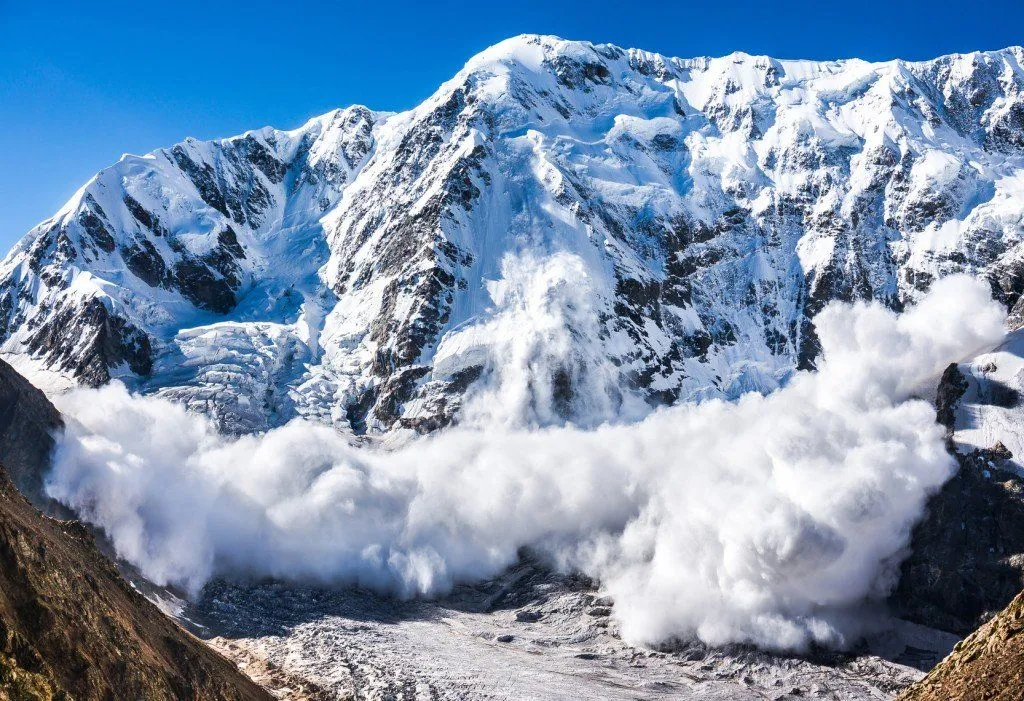
Even so, there have been numerous incidents when rescue teams have saved a person after an avalanche completely buried them. How did that happen? How do rescuers and mountaineers find people buried in the snow?
Equipment Used In Avalanche-rescue Operations
As the saying goes, ‘Prevention is better than a cure’. In more specific terms, it’s always better to take proper precautions before going into an avalanche-prone region. A skier or a mountaineer should carry standard mountaineering gear, which consists of some extremely important articles that may be the only things that save the person from falling into the clutches of death.
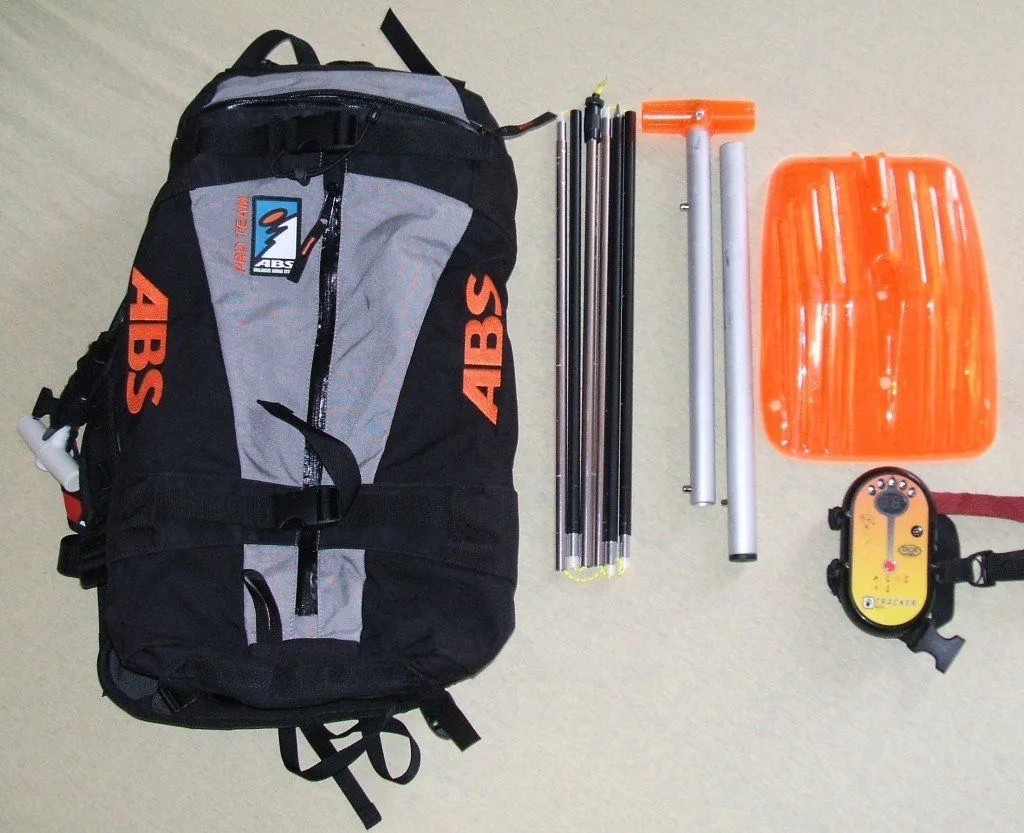
Still, if a person is caught in an avalanche, they are more or less dependent on the swiftness of the action of others who are safe above the ground (including the rescue teams). These are some of the tools that are usually used to locate, and subsequently rescue victims in an avalanche.
Avalanche Transceivers (Or Beacons)
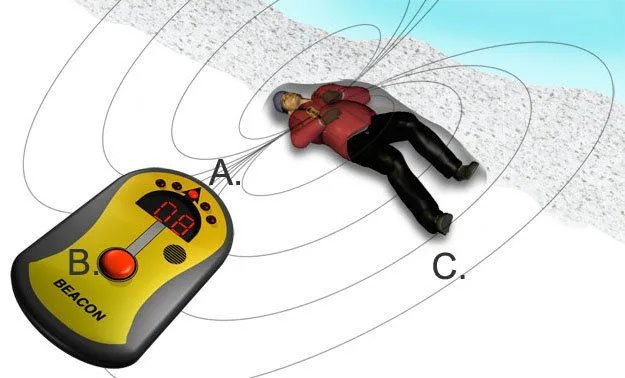
Avalanche Transceivers are the single most important device in any mountaineer’s gear, and they can be the difference between life and death. Simply referred to as ‘beacons’, these are carried by each member of a mountaineering party. During normal use, every beacon transmits a pulsed 457 kHz radio signal (the worldwide standard frequency since 1986). If someone is buried, the survivors flip their own beacons to ‘search mode’, turning them into radio direction finders that home in on the buried unit’s signal. A modern digital beacon realistically picks up that signal from roughly 40 to 60 meters (130 to 200 feet) away, which is why rescuers sweep the debris in parallel strips rather than wandering at random.
RECCO Rescue System
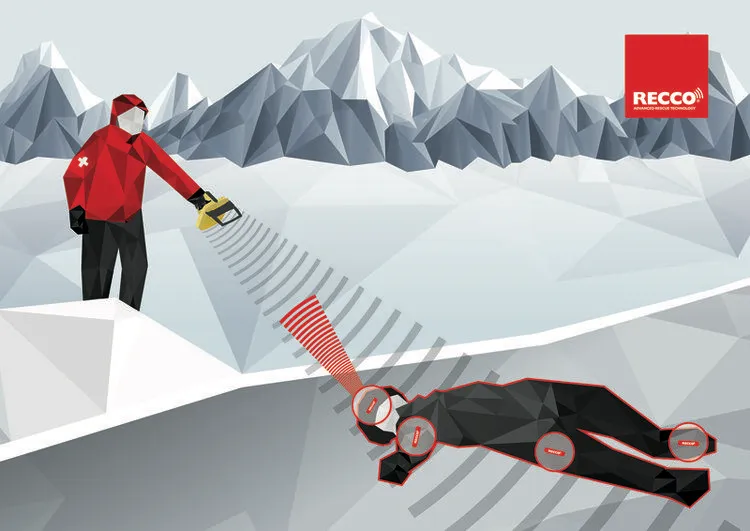
The RECCO rescue system is a two-part technology used in avalanche rescue operations all over the world. Fundamentally, it consists of a detector and a reflector. Many jackets, helmets and boots come with a small RECCO reflector built in, and unlike a beacon it is completely passive, with no battery and nothing to switch on. The detector works on the principle of harmonic radar: it sends out a directional radar signal, and when that signal strikes the reflector, a tiny diode bounces back an echo at double the frequency, which the detector hears and uses to home in on the buried person. Rescue teams sweep with the handheld detector on foot or from a helicopter. Because the reflector only answers when a detector is searching for it, RECCO should never be treated as a substitute for a transceiver; it is a supplement to beacon technology, which is why many RECCO detectors also include an avalanche beacon receiver.
Dogs
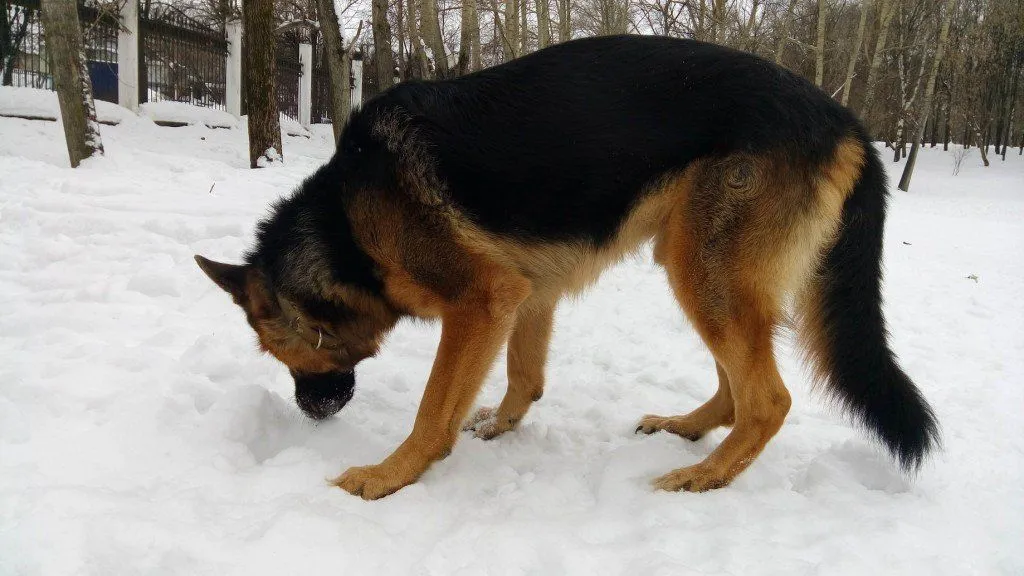
Dogs have a special gift when it comes to picking up scents. Dogs’ sense of smell is thousands of times better than humans’ (For more information, check out Why Do Dogs Have Such a Great Sense of Smell?). However, not every dog can help you uncover a victim that’s buried deep beneath the snow; you need a highly trained dog to do that for you. A buried victim gives off a strong scent, particularly if they are panicking (which is understandable) and sweating, which a trained dog can detect and will then dig up a specific area. This helps rescuers triangulate a victim’s position.
Probes
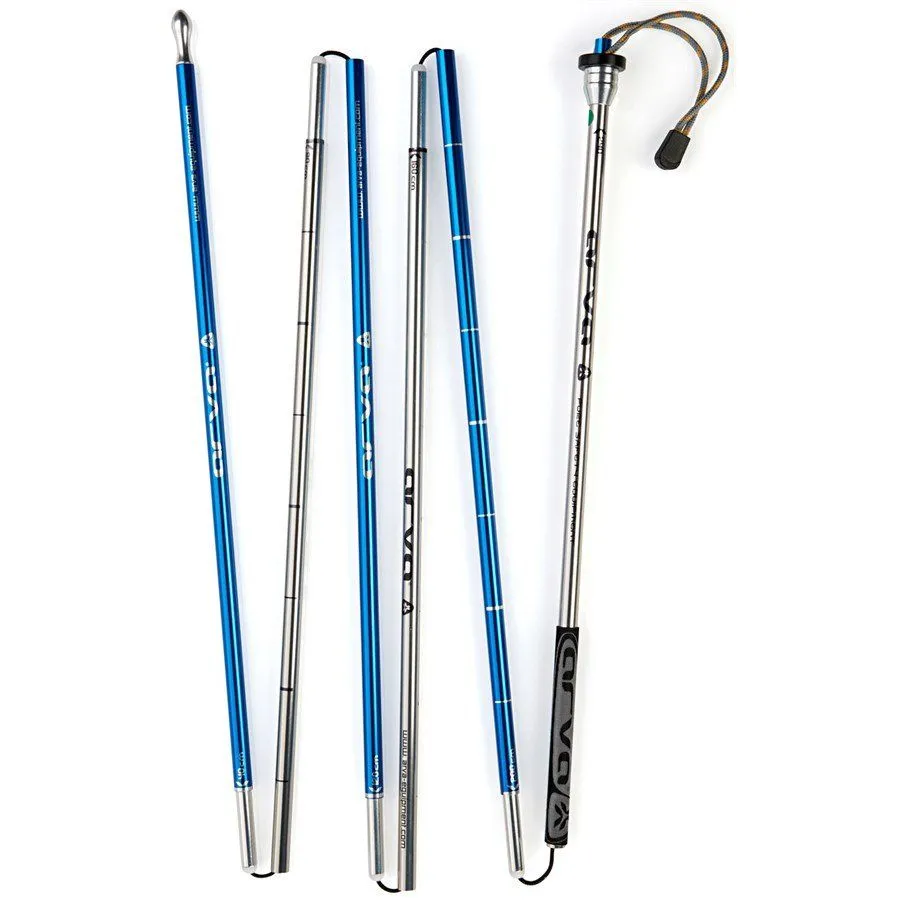
After locating the approximate location of a buried victim, probes (collapsible) are extended into the snow to determine the precise location of a victim that is buried several meters deep. After deploying the probe (probes are held perpendicular to the slope), probing is carried out in a spiral pattern.
Probing is an important, yet time-consuming, process. The condition worsens if the rescuer panics and wastes time randomly shoveling all over a given area.
Shovels
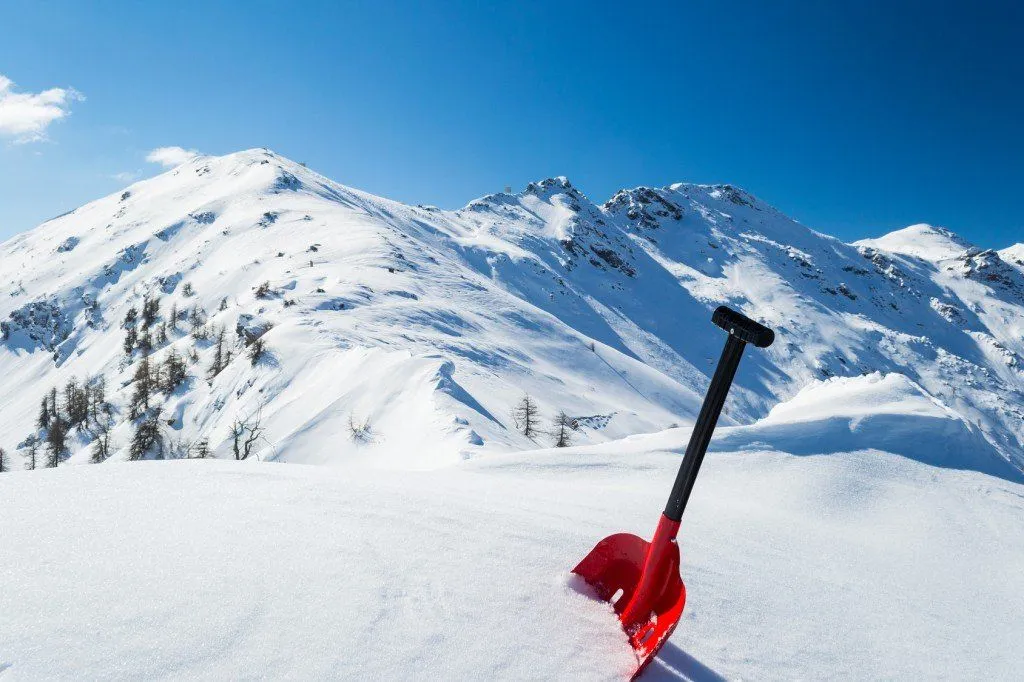
Shovels come at the end of the entire process, when the team has zeroed in on a location and decided to dig to recover the buried victim. Just like beacons, shovels are crucial to the process and must be carried out in a planned, systematic fashion, rather than shoveling randomly, which may further worsen the victim’s chances of survival.
Other Equipment
The devices mentioned above are the most commonly used tools in a rescue operation. However, there are a few other devices too, such as Emergency Position-Indicating Radio Beacons (EPIRB) or Personal Locating Beacons (PLBs), which rely on Global Positioning Systems (GPS). Mobile phones and satellite phones are also very useful after recovering the victim in order to provide them with medical aid.
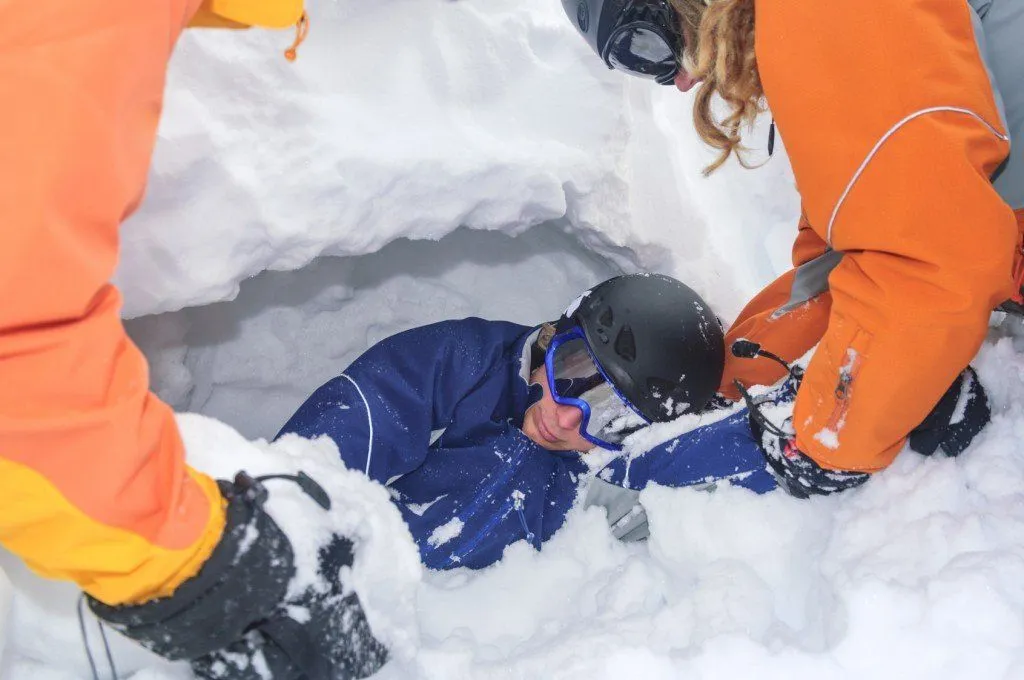
Why all this urgency? Decades of Swiss avalanche data tell a brutal story. More than 90% of people who are completely buried survive if they are dug out within roughly the first 15 minutes. After that, the survival rate collapses, falling to only about 30% by the 35-minute mark. The reason is asphyxiation: a buried victim quickly exhausts the air trapped in the snow around their face, and their own exhaled breath freezes into an ice mask that seals off the supply. This is exactly why companion rescue matters so much. The friends standing on the surface can reach a victim far faster than any organized team that has to travel to the scene.
Surviving an avalanche is a miracle that is made even more incredible when the victim is buried deep beneath the snow and still recovered alive. Time is the most crucial factor when it comes to saving an avalanche victim; proper planning combined with swift, well-drilled effort can buy victims those few critical minutes that may be the only thing standing between a miraculous survival and a definite death.