Gas stations don’t store fuel in the pumps. They keep it in large underground tanks, each typically holding 38,000 to 75,000 liters (10,000 to 20,000 US gallons). A busy station can stock 110,000 to 150,000 liters (30,000 to 40,000 US gallons) in total and is refilled by tanker trucks, sometimes daily, so it never runs dry.
A gas station in a busy metropolitan city can serve hundreds of automobiles every day. From small cars to those monster trucks with 32 wheels, gas stations quench the thirst for fuel, no matter what vehicle you drive.
I remember being at a gas station with my nephew when he pointed to a gas pump and asked: “How much oil does that little thing hold?”
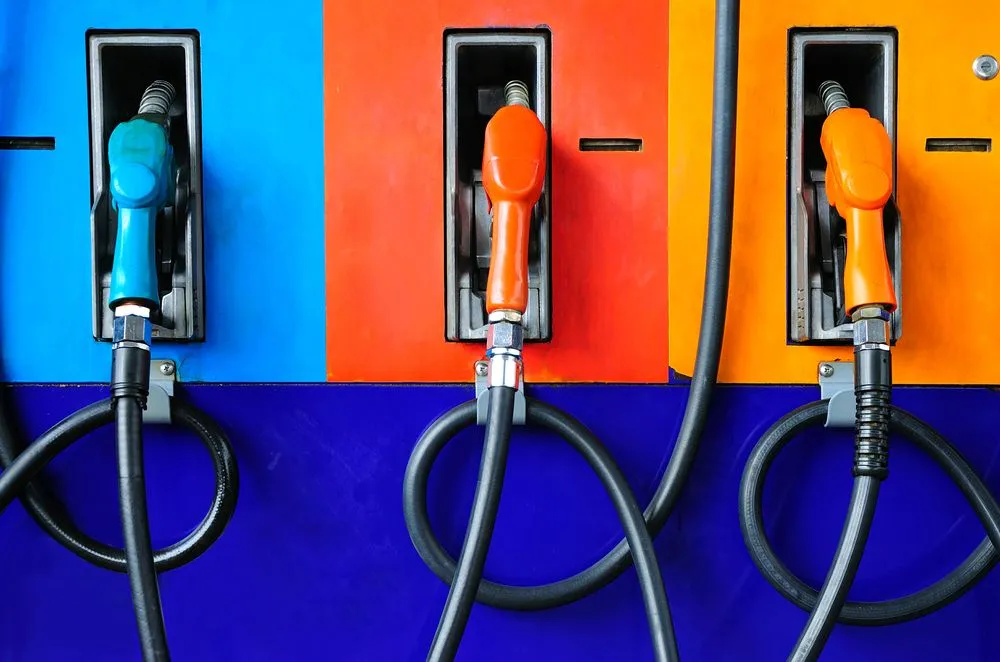
The question was a simple one, but I’m sure there are many 10-year-olds (and adults) who may think that those fuel pumps actually store oil in them, and fill the gas tanks of vehicles through gas dispensers as they pull up next to them.
However, it doesn’t work that way.
Note: The word ‘gas’ is used interchangeably with words like ‘fuel’ and ‘oil’ throughout the article.
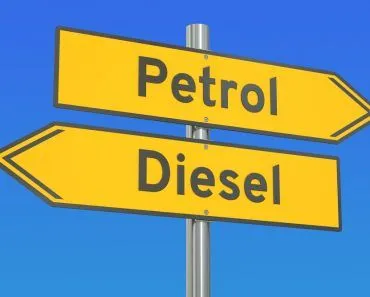
How Gas Stations Store Gas (Or Petrol/diesel)
The gasoline (or petrol or diesel) sold at gas stations is NOT stored in the pumps that dispense gas; rather, it’s stored in large oil tanks that are buried underground, or, sometimes, above the ground.
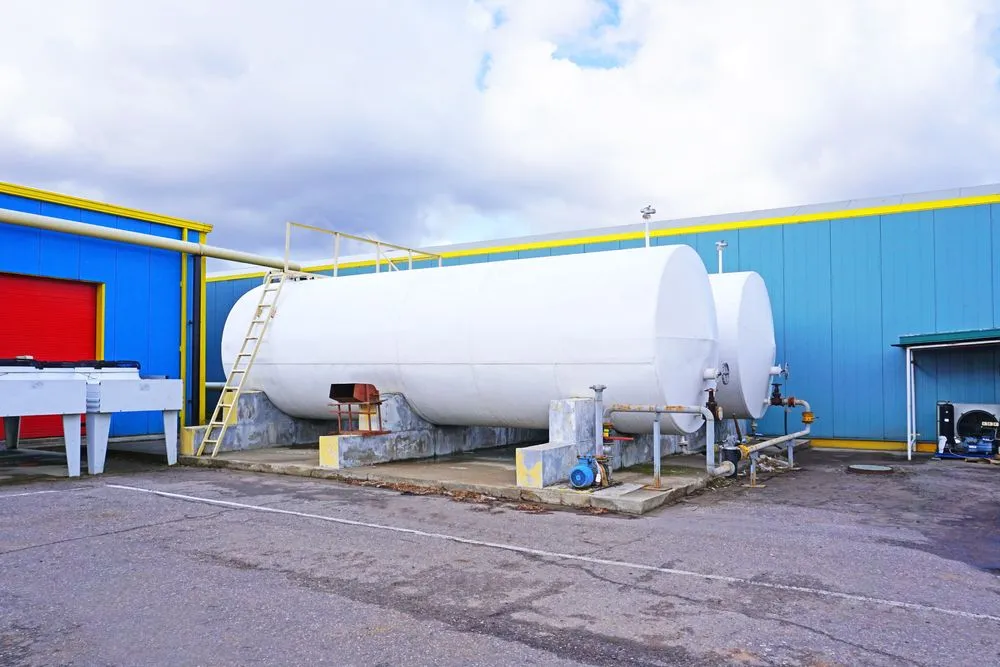
These tanks are far bigger than most people imagine. A single underground storage tank at a typical gas station holds anywhere from about 38,000 to 75,000 liters (10,000 to 20,000 US gallons) of fuel, and a station usually has at least a couple of them beneath or on its property. Add it all up and a fairly ordinary station can store roughly 110,000 to 150,000 liters (30,000 to 40,000 US gallons) at once. The larger or busier a gas station, the more fuel tanks it will have, often a separate one for each grade of gasoline, plus another for diesel.
However, these fuel tanks are usually underground, and automobiles get their gas tanks filled above the ground. So, how is oil actually made to travel upwards, against the force of gravity, to be released from the fuel dispenser?
How Does Fuel Go From Storage Tanks To Dispensers?
Making fuel stored in underground tanks flow up into the dispensers is like getting a waterfall to run in the opposite direction (from down to up). This gravity-defying feat is achieved through two main types of pumps.
Submersible Pumps
A submersible pump, as the name suggests, sits below the surface of the fuel inside the tank. It has an impeller, much like the propeller of a ship, that spins and pushes the fuel upwards. Because it pushes rather than pulls, it isn’t limited by atmospheric pressure, so it can move fuel quickly and reliably even from deep or distant tanks. This is why submersible (or submerged turbine) pumps have been the standard at busy gas stations in the US since the 1970s.
Suction Pumps
A suction pump, by contrast, lives inside the dispenser cabinet and moves fuel using the principle of unequal pressure. Simply put, it creates a region of low air pressure in the direction of the dispenser, which ‘sucks’ fuel up and makes it flow towards the nozzle against the force of gravity. Suction pumps are simpler and cheaper, so you’ll still find them at smaller or rural stations, but the column of fuel they can lift is capped by atmospheric pressure.
You cannot see either of these pumps, as they are underground, but it’s these pumps that pull the fuel away from storage tanks and towards the dispenser, which finally deposits it into cars’ fuel tanks.
How Does A Gas Station Serve So Many Cars Every Day?
As mentioned earlier, a gas station in a metropolitan area may serve thousands of automobiles on a given day. However, if you’ve ever keenly observed a gas station, then you may have noticed that the fuel tankers that deliver fuel to a fuel station don’t seem big enough to hold that much oil.
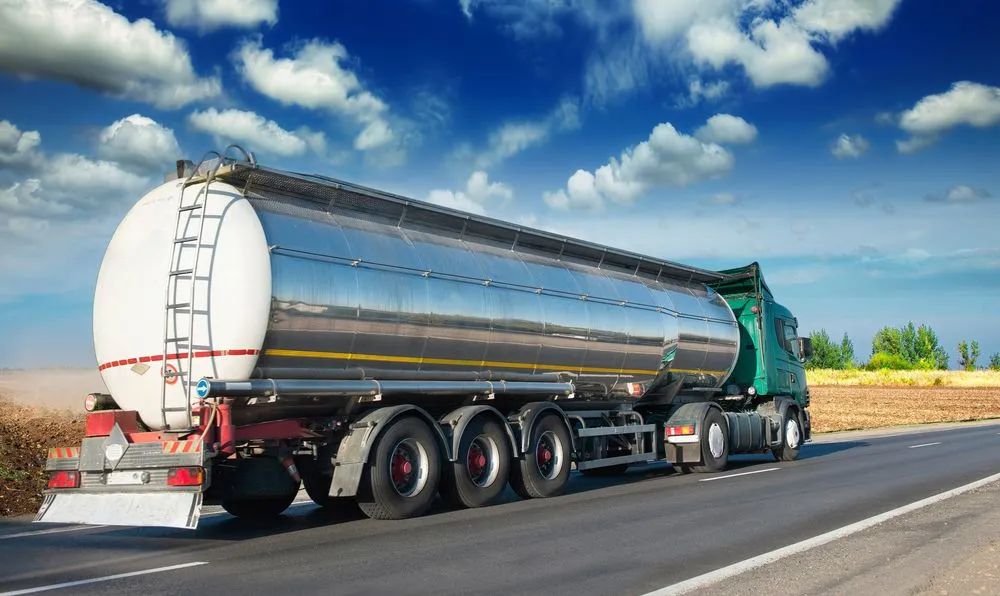
In other words, how does a gas station service thousands of cars every day when its storage tanks are only replenished by seemingly small fuel tankers?
Firstly, note that gas tankers are not that small. A typical fuel tanker truck holds anywhere from about 19,000 to 44,000 liters (5,000 to 11,600 US gallons) of fuel, and the tank is usually split into several compartments so a single truck can carry different grades of gasoline (and diesel) in one trip. Plus, there is almost always more than one tanker delivery topping up a given gas station.
Suppose a very busy gas station sells nearly 38,000 liters (10,000 US gallons) of gas on a weekday and 26,000 liters (7,000 US gallons) on a weekend day (stations are usually less busy on weekends). A station with that kind of demand might take a delivery or two every day, while a quieter one may only need refilling every few days. Pumping a full tanker into the underground tanks isn’t instant either; a typical drop takes roughly 30 to 60 minutes.
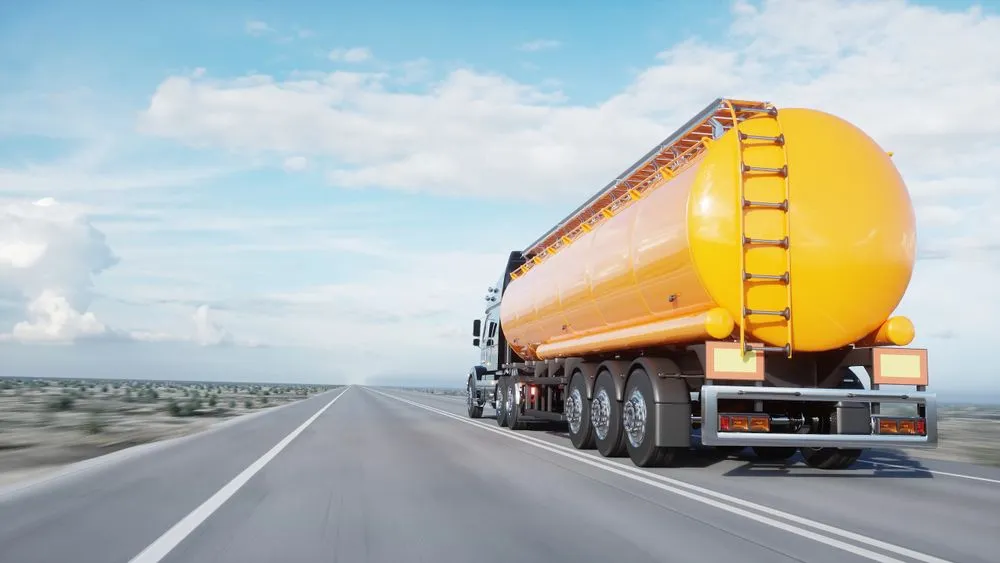
Additionally, gas stations use automatic tank gauges that constantly monitor how much fuel is left and flag the supplier when a fresh delivery is needed. This way, gas stations rarely run out of fuel and are able to service thousands of automobiles, day in and day out.
So, it’s not only the massive underground storage tanks that hold so much fuel, but also a rigorous system of regular maintenance, tracking and replenishment that keeps the motor industry fueled and ready at all times.
How Often Do Gas Stations Get Refilled?
There is no single answer to this, because a refill isn’t scheduled by the calendar; it’s triggered by demand. A station gets topped up as fast as it empties, and some empty far quicker than others.

Consider the numbers. According to the National Association of Convenience Stores (NACS), the average fuel-selling location in the US moves around 9,500 liters (about 2,500 US gallons) of fuel a day, spread across roughly 300 fill-ups. Since a single underground tank holds only a few tens of thousands of liters, a station selling at that pace can drain a tank within a matter of days, not weeks.
That is why a busy, high-traffic station in a city often takes one or more tanker deliveries every single day, sometimes receiving different grades of petrol and diesel on the same run. A quieter suburban or rural station that sells much less can comfortably go several days between deliveries, while the huge big-box stores and hypermarkets, which NACS notes can sell around ten times the average, may need almost constant replenishment.
Crucially, no station waits until it runs dry. Automatic tank gauges (ATGs), electronic probes fitted inside each underground tank, continuously measure the fuel level and volume and record every delivery. When a tank falls below a set level, the system flags it so a fresh load can be booked well before the station is anywhere near empty. It is this real-time monitoring, rather than guesswork, that decides exactly when the next tanker rolls in.
Where Do Gas Stations Get Their Gas From?
The tanker truck is only the final leg of a surprisingly long journey. The fuel it drops into a station’s tanks began as crude oil that was refined, shipped across the country and blended long before it reached your neighborhood.

According to the US Energy Information Administration (EIA), most gasoline moves from refineries through pipelines to large storage terminals near the areas where it will be sold. Petroleum products from different refineries frequently share the same pipeline, travelling through it in batches. From these big terminals, the fuel is trucked on to smaller blending terminals, where ethanol is mixed in to create the finished motor gasoline. Tanker trucks then carry that finished fuel out to more than 100,000 retail outlets across the United States.
Here’s the part that surprises most people: the gasoline doesn’t actually become a “brand” until very late in that journey. As NACS explains, the fuel sits in these shared terminals and pipelines as a generic product. Each company has its own proprietary package of additives that is injected into the fuel only as it is loaded into the tanker truck at the terminal. In other words, two rival stations across the road from each other may be selling fuel drawn from the very same tank, which raises an obvious question about whether one company’s gasoline is really any different from another’s.
References (click to expand)
- Frequent Questions About Underground Storage Tanks - US Environmental Protection Agency (EPA)
- Underground Storage Tanks. Yale University
- Aboveground Petroleum Tank - Purdue Extension. Purdue University
- Where Our Gasoline Comes From - U.S. Energy Information Administration (EIA)
- Who Sells America’s Fuel - National Association of Convenience Stores (NACS)
- Key Facts About Fueling - National Association of Convenience Stores (NACS)
- Why Gas Brands Are Different - National Association of Convenience Stores (NACS)
- Release Detection for Underground Storage Tanks (Automatic Tank Gauging) - US Environmental Protection Agency (EPA)
- Automatic Tank Gauge (ATG) - Petroleum Equipment Institute (PEI)