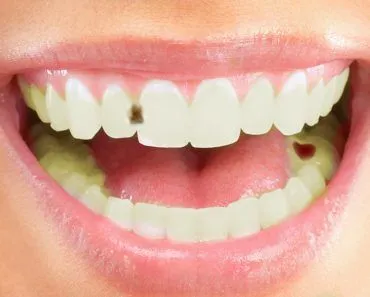
Yes. If you can’t gently reinsert a knocked-out permanent tooth into its socket, drop it in milk. Milk’s near-neutral pH and salt balance match the body’s fluids, so it keeps the root-surface cells alive far better than water, which makes them burst. See a dentist within 30 minutes, and never let the tooth dry out for an hour.
One day, in the middle of a dodgeball game, imagine a ball plowing into your face, causing you to start bleeding a bit inside your mouth. You check inside your mouth and discover that a tooth has come loose. What do you do?
Should you panic? Should you throw the tooth away?
No, simply put it in some milk!
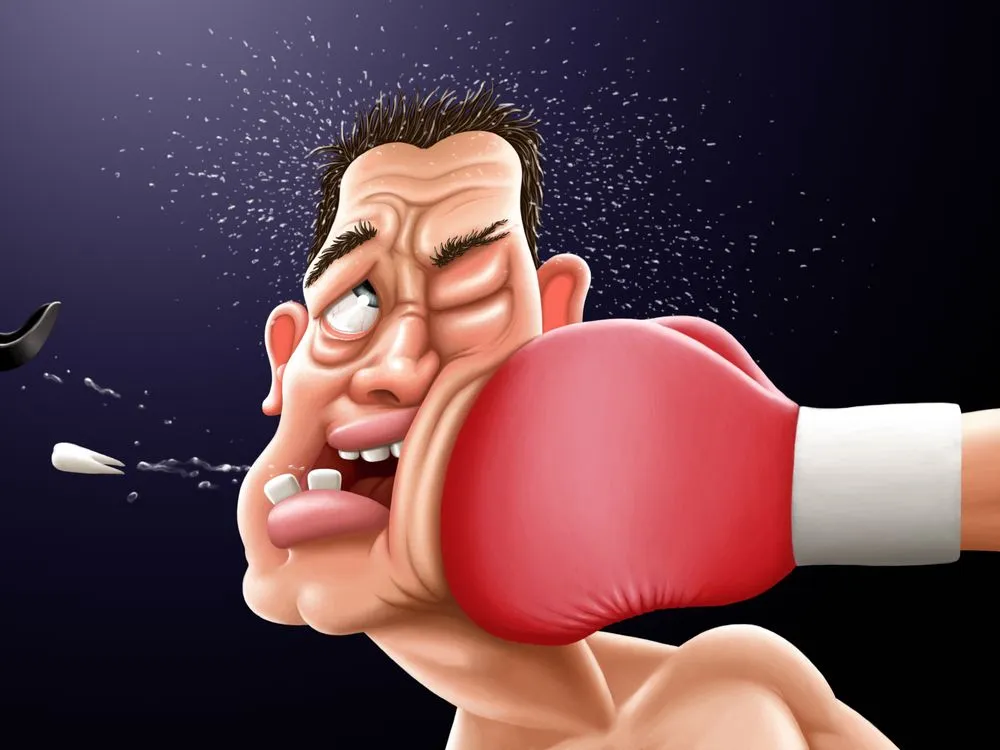
Well, this figure might surprise you, but an estimated 5 million+ teeth are knocked out every year in the United States alone. You might lose a tooth while playing an active contact sport like football, rugby, wrestling, basketball, snowboarding, skiing, or hockey. A tooth can also be knocked out in any kind of accident that directly or indirectly involves the face.
What Should Be The Very First Step When A Tooth Is Avulsed?
“Avulsed” is the technical term for a tooth (or God forbid, teeth) that has been “knocked out”.
First, find the tooth or parts of it. Once you find it, be extremely careful when holding the tooth. A tooth must never be held by its root, so hold the tooth from the upper part (the crown), rather than by the surface that was attached to the gums. You want to prevent any unhygienic particles from transplanting from your finger to the root of the tooth, which might later be attached back to your gum.
If you do find any dust or foreign substance on your knocked-out piece of calcium phosphate, rinse it for a few seconds under cold running water (or milk), holding it by the crown. Do not scrub it, use soap, or wipe it dry, as that strips away the living cells on the root that the tooth needs in order to reattach.
Now, try putting the tooth back in the socket of your mouth, but make sure you put it back from the correct side. If you can’t hold the tooth in place, try using a moist clean cloth to press down on it. Press the tooth into your socket by biting down gently with your jaws.
Placing the tooth back in the socket allows it to be in the environment of its nerves, blood vessels, and the tissues surrounding it so that the cells there don’t reject it as a foreign substance and can begin the process of healing.
What If The Tooth Cannot Be Repositioned Inside The Mouth?
If you can’t manage to put the tooth back in place, your unexpected savior is milk!
Put the tooth in some milk until you reach the nearest dentist. It is the most appropriate medium you can use until a professional can get involved.
Why not water? Well, even though the hard tooth itself is non-living, the periodontal ligament cells that coat the root (the ones that anchor the tooth to the gum and bone) are very much alive. Plain water is too “dilute” for them. When you drop these living cells into water, they soak it up (due to osmosis, since the inside of the cell is saltier than its watery surroundings), so they swell up and eventually burst.
Milk, on the other hand, is a near-perfect match. Its salt balance (osmolality, around 270 mOsm/kg) and near-neutral pH (about 6.5 to 7.2) are close to those of the body’s own fluids, so the root cells neither swell nor shrivel. On top of that, milk supplies nutrients such as sugars that help keep those cells alive, and it has anti-bacterial constituents that reduce the risk of infection. (Source)
The whole point is to give the tooth a suitable environment so it does not dry out, e.g., the inside of the socket (repositioning), a tooth-preservation kit such as Save-a-Tooth (which contains Hank’s Balanced Salt Solution, the medium dentists rate most highly), a glass of milk, or, as a last resort, the inside of your own cheek or a little of your saliva. If none of these is used and the tooth simply sits out in the open air, the cells on the outer surface of the root quickly begin to die. The nerve and connective tissue that were in contact with the tooth start dying too, once the blood supply is cut off. That is why getting to the dentist fast is so important.
The best outcomes come from replanting the tooth within about 15 minutes, and you should aim to reach a dentist within 30 minutes. A tooth kept moist in milk or saline can still be saved well beyond that, but the cells on the root cannot survive more than roughly 60 minutes of being out and dry. Past that hour of dry time, those cells are most likely dead, and the chances of the tooth taking hold again drop sharply.
Should The Same Procedure Of Repositioning Be Applied To A Child’s Tooth?
The answer is an absolute NO. Repositioning a child’s tooth in their mouth can hamper the growth of the adult tooth growing underneath. So, the best idea is to keep the tooth in a few drops of milk until you can take the child to a dentist. If milk is not available, ask the child to spit in a container and keep the tooth soaking in the child’s saliva.
Which Kind Of Milk Is Best?
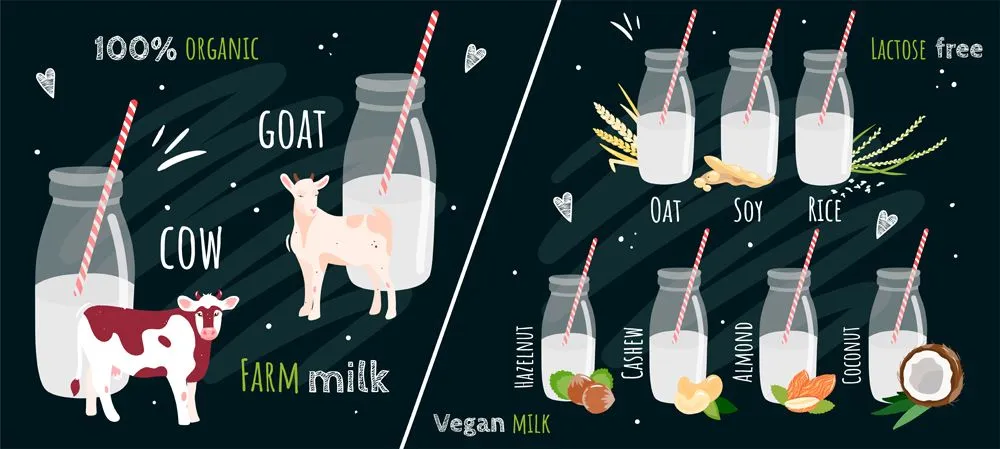
Assuming easy availability and low cost, cow’s milk is generally encouraged for a tooth bath. It also has the required pH and an absence of artificially added sugars.
A University of Queensland research study has shown that UHT (Ultra-High-Temperature treated) milk was the best alternative to store a tooth as a short-term and precautionary solution in case of emergencies. UHT milk was found to be superior to regular milk, as it can be kept for longer periods under normal room conditions. Plant-based “milks” such as almond, soy, oat, and coconut milk are not recommended substitutes, as their composition and salt balance differ from cow’s milk and they have not been shown to keep root cells alive in the same way. When in doubt, reach for plain cow’s milk.
In conclusion, prevention is better than a cure. With that in mind, the best idea is to prevent any kind of injury from occurring in the first place! People who are actively involved in sports that pose a risk to their smile are advised to always wear a mouthguard (the readymade type, the boil-and-bite type, or one custom made by a dentist). However, if an accident involving your tooth still happens, try repositioning the tooth or just keep it soaking in milk until you can visit the dentist!
References (click to expand)
- Knocked Out Teeth - American Association of Endodontists. The American Association of Endodontists
- Fouad, A. F., et al. (2020). IADT guidelines for the management of traumatic dental injuries: 2. Avulsion of permanent teeth. Dental Traumatology. Wiley.
- Avulsed Tooth. StatPearls. NCBI Bookshelf.
- UHT milk best practical way to store knocked-out teeth. The University of Queensland
- Knocked out teeth - Oral Health Foundation. The Oral Health Foundation was formed in 1971 and
- Knocked-out tooth - NHS. The National Health Service
- Hamid, A., & Carter, A. (2021, March). Tooth avulsion: does the milk matter?. British Dental Journal. Springer Science and Business Media LLC.
- Adnan, S., Lone, M. M., Khan, F. R., Hussain, S. M., & Nagi, S. E. (2018, February 6). Which is the most recommended medium for the storage and transport of avulsed teeth? A systematic review. Dental Traumatology. Wiley.