Table of Contents (click to expand)
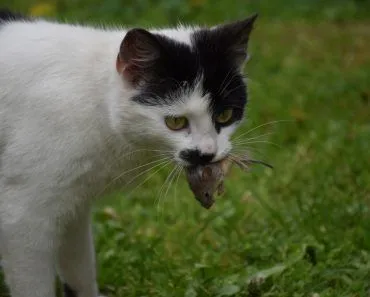
Wild animals don’t brush their teeth because their raw, sugar-free diet rarely lets decay-causing acids build up, and all the chewing scrubs their teeth as they eat. Many also replace teeth throughout life or simply don’t live long enough for serious decay. Pets are different: soft, sticky food lets plaque pile up, so they do need our help.
We are told by everyone, especially our elders, that we should brush our teeth at least twice a day; also, a few flossing sessions and mouthwashes don’t hurt either. All in all, we understand that we have to take care of our teeth quite a bit to make sure that we don’t show up toothless on our 50th birthday party, or even sooner.
But hey, what about animals? Why don’t they brush their teeth? This might be my envious side speaking, but isn’t it only fair that they also have to take care of their teeth as much as we do?
Why Do WE Need To Brush Our Teeth?
To understand why animals don’t brush their teeth, it’s important to first understand why we brush our teeth. Humans have to brush their teeth because of the myriad substances we consume, some of which may be healthy, and some that’s not. In order to have healthy oral conditions, we need to limit the unhealthy stuff that we eat or drink (which is easier said than done).

Tooth Decay
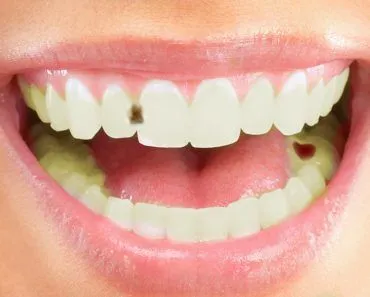
The term ‘tooth decay’ is very aptly used to refer to the condition where you suffer a gradual loss of tooth health due to the formation of acids. This is primarily caused by germs present inside the mouth that eat away or damage teeth. These acids are produced by the actions of germs on carbohydrates, which happen to form a major part of what we eat on a daily basis, i.e. cooked foods and drinks.
Why Don’t Animals Need To Clean Their Teeth?
There are actually a few reasons why animals don’t need to clean their teeth…
Diet
Unlike humans, animals living in the wild don’t consume cooked food. Whether they are herbivores or carnivores or both, they only eat raw food and drink nothing other than water for sustenance. For this reason, their teeth don’t run the risk of being eaten away by food that is rich in refined sugar or flavored drinks.
Therefore, most wild animals are largely protected from tooth decay, thanks to the food they eat. (They aren’t completely immune, though: wild chimpanzees, for instance, have been found with cavities.) Your pets, on the other hand, including cats, dogs, ferrets and the like, are far more prone to dental trouble. It’s less about refined sugar and more about the soft, sticky kibble and canned food they eat, which clings to their teeth instead of scrubbing them clean. That food feeds the bacteria in their mouths, and the resulting plaque hardens into tartar and inflamed gums, which is to say periodontal disease, the most common dental problem in pets (rather than the classic, sugar-driven cavities we get).
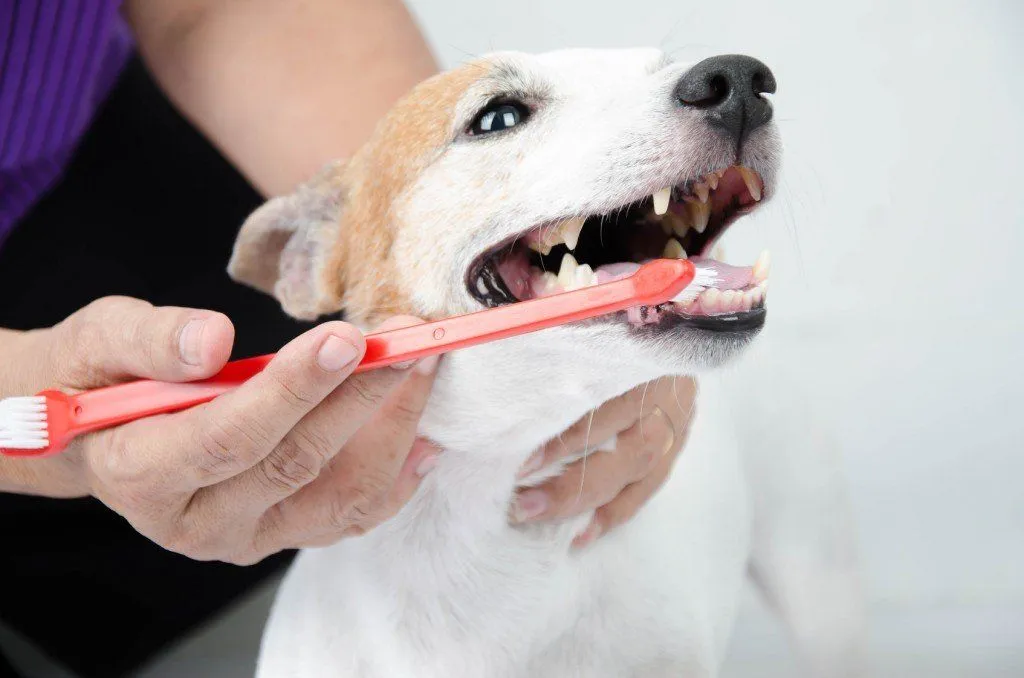
That’s why people actually brush their pets’ teeth using special toothpastes that are approved for use on domesticated animals.
Short Lifespan
As is the case with most wild animals, their teeth tend to outlive them, i.e., these animals don’t live long enough for their teeth to get damaged.
Frequent Replacements
Some species of animals naturally replace their teeth quite frequently. Creatures that are known to have powerful bites – like alligators and sharks – tend to shed teeth more frequently than other species. In fact, sharks belonging to the order Carcharhiniformes (the ground sharks) can shed somewhere in the region of 35,000 teeth over the course of their entire lifetime!
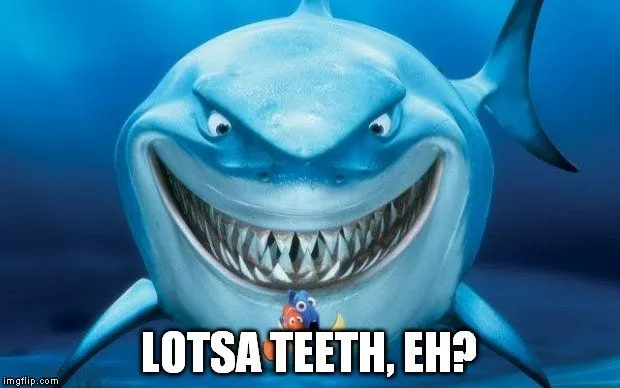
Alligators, on the other hand, can replace each one of their roughly 80 teeth up to 50 times over their long lives, churning through a few thousand teeth in total. Just compare that with the number of complete sets of teeth that we get (naturally) in a lifetime and you’ll understand the seriousness of this situation.
Since such creatures are continuously getting new sets of teeth, they don’t have to worry about keeping their teeth clean, right?
Nature’s Way Of Cleansing Animals’ Teeth
There are some animals that are known to ‘clean’ their teeth, but their technique of doing so hardly resembles our way of cleaning teeth, i.e., brushing them with a toothbrush.
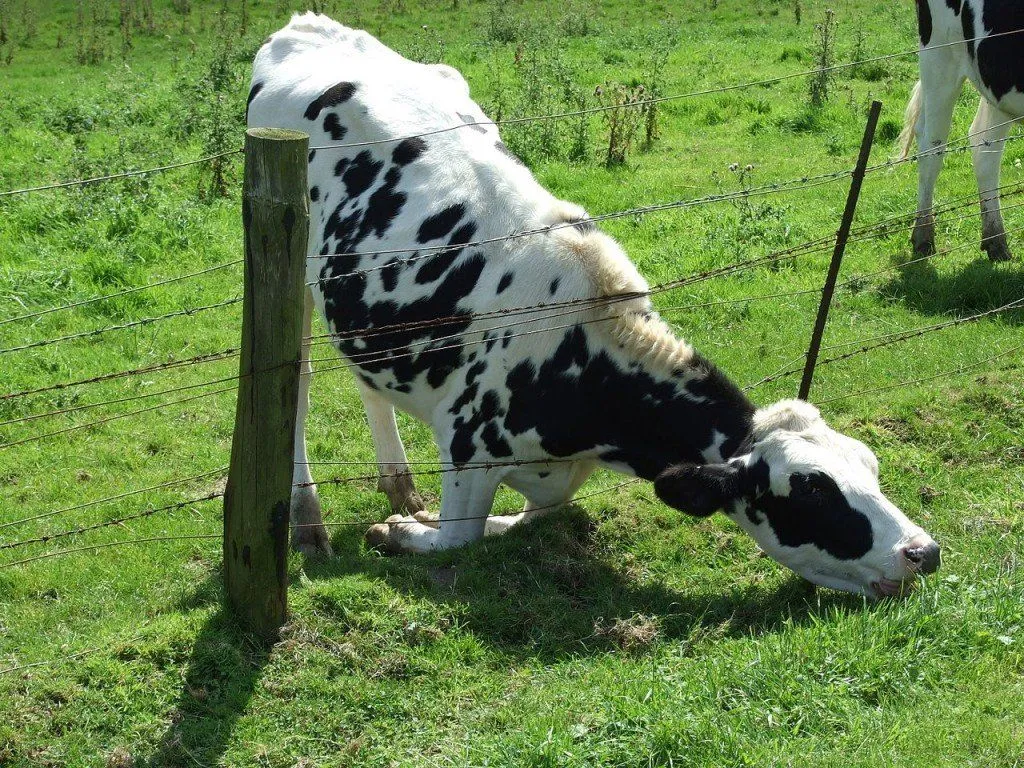
Herbivores, which are animals that depend on raw food that is rich with fiber (like cows and buffalo) need to chew their food for a very long time so that it can be easily digested. In the process of chewing these fiber-rich foods, they unwittingly clean their teeth too.
As another example, elephants have two incisors (tusks) that are brushed naturally when they dig holes or chisel the bark off trees. Members of the feline family, like tigers and other large cats, have saliva with a very high pH value. This protects their enamel from demineralizing and thus prevents cavities. The teeth of rodents (e.g., rats and mice) take care of themselves by growing continuously to compensate for the wear that their teeth sustain due to all their constant nibbling and gnawing.
All in all, animals have their teeth cleaned without actively trying to do so! Nature really takes care of its subjects, don’t you think? If only we were so lucky… teeth-wise.
References (click to expand)
- Brushing for Pet Dental Health - Veterinary Medicine at Illinois - vetmed.illinois.edu
- Dental Care for Pets | UC Davis School of Veterinary Medicine - Veterinary Medical Teaching Hospital - www.vetmed.ucdavis.edu:80
- Tooth Decay in Children - Health Encyclopedia - URMC. The University of Rochester Medical Center
- Pollick, H. (2018, October). The Role of Fluoride in the Prevention of Tooth Decay. Pediatric Clinics of North America. Elsevier BV.
- We’ve proved that wild primates suffer from tooth decay – and chimps are among the worst. The Conversation.