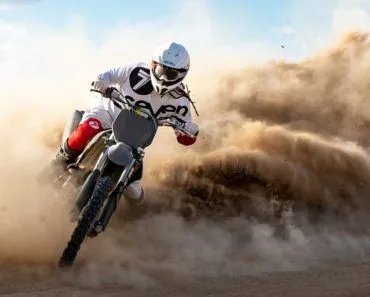
High siders and low siders are cornering crashes caused by a loss of traction. In a low sider, the bike simply slides out from under the rider. In a high sider, the rear wheel slides, then suddenly regains grip and flips the bike upright, violently launching the rider over the high side. High siders are the more dangerous of the two.
If there is one sport where the effect of physics is felt most intensely, it has to be motorcycling. To the casual observer, motorcyclists are a bunch of fancy-looking Power Rangers putting their lives in the hands of two wheels. In truth, however, there is much more to motorcycles than that. Riding one is a fine balance of making friends with some forces of nature, while trying to dodge others. But what happens when something goes wrong?
Are Motorcycle Collisions The Only Type Of Accidents?
There is no stipulated way in which accidents occur. Motorcycle crashes are generally attributed to collisions, bad roads or veering off-course. However, accidents may happen even if none of the above conditions are present. Such accidents are mostly witnessed at the race track; but they can also occur on public roads if similar conditions prevail.
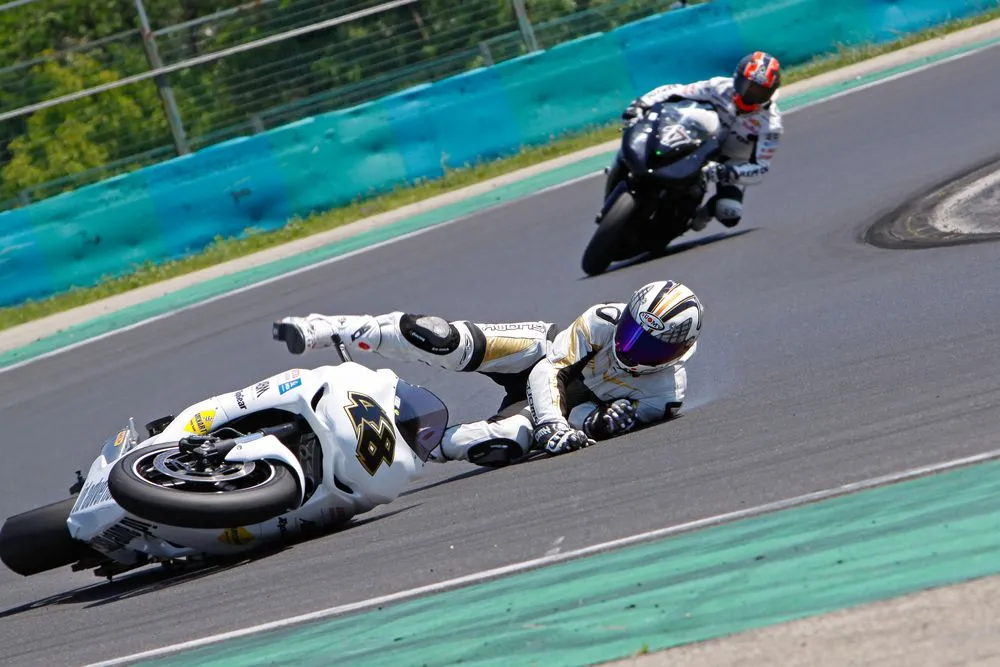
Commonly called low siders and high siders, both involve the rider detaching from the motorcycle as they are attempting to turn. The rider and the motorcycle often continue to move in their own trajectories, even after the crash, owing to the residual momentum.
Low Sider
A low sider happens when a bike slips out from under the rider while taking a corner due to a loss of traction at the wheels. This generally happens due to excessive leaning, but can also happen due to a loss of traction arising from aggressive braking or acceleration while the bike is banked into the corner.
Demonstrated below is a low sider in action, wherein the motorcycle slides out from under the rider.
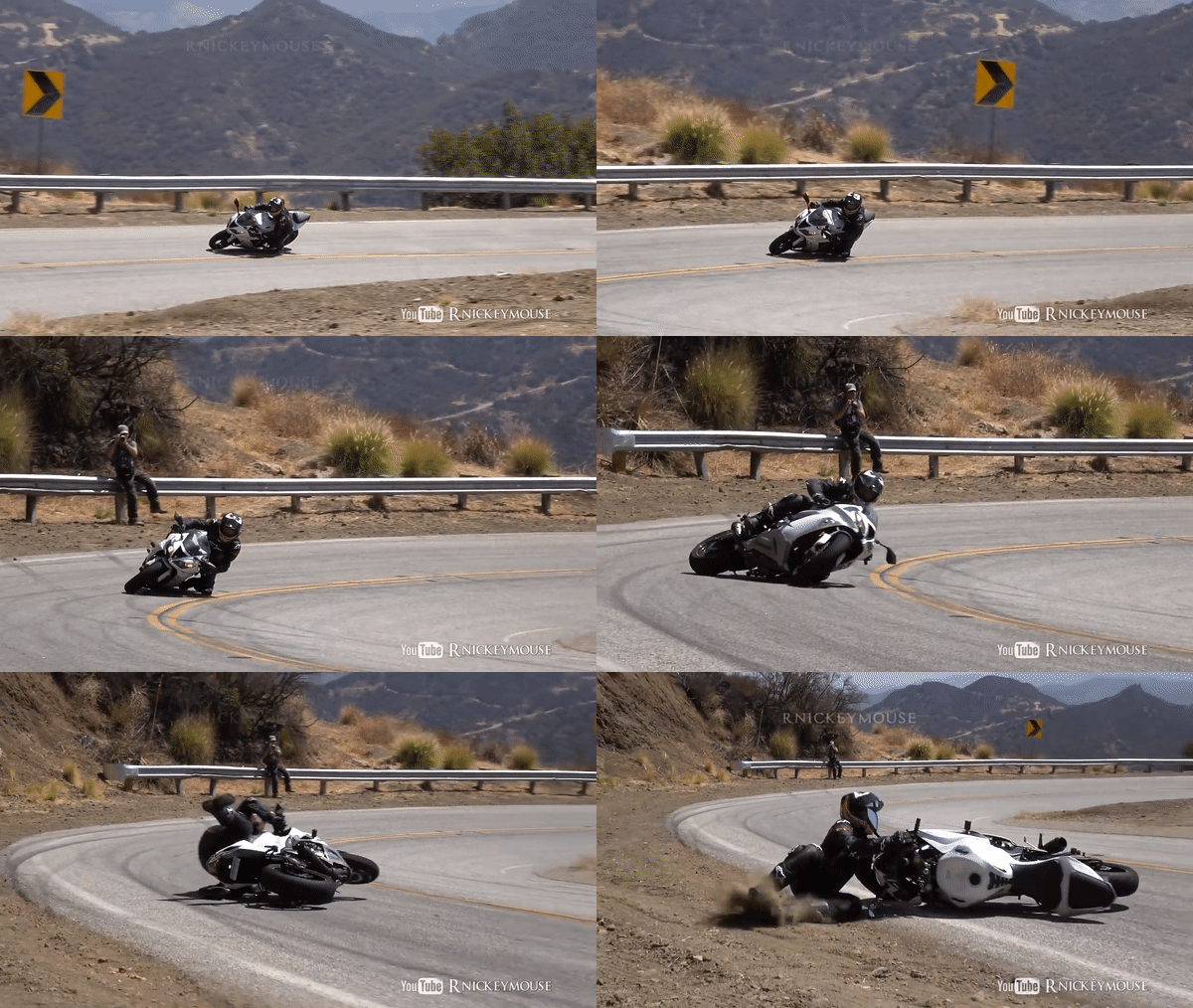
Impact Of A Lowsider
Due to the excessive leaning, the bike can slide onto its body work from under the rider, taking its wheels completely off the road surface. The rider generally gets detached from the motorcycle and follows a similar path. Unless there are objects to crash into, low siders are primarily abrasive, due to the sliding, and do not result in major injuries. Sometimes, however, the rider may fail to detach from the motorcycle and get dragged along with it, further compounding potential injuries.
High Sider
A high sider happens when the rear wheel of a motorcycle momentarily slides out of its line behind the front wheel due to a loss of traction while turning a corner. Most high siders are rider-induced: the rear tire breaks loose (often from chopping the throttle mid-slide, locking the rear brake, or feeding in too much power while leaned over), and the rider's instinct is to back off rather than ride out the slide.
The trouble starts when the rear tire suddenly regains traction and snaps back in line with the front wheel. That abrupt re-grip happens while the bike is still leaned over, and the stored energy is released all at once. The resulting jolt is quite violent and flips the bike and rider over the longitudinal axis, often producing very severe crashes.
Demonstrated below is a high sider in action, causing the rider to get thrown off the bike.
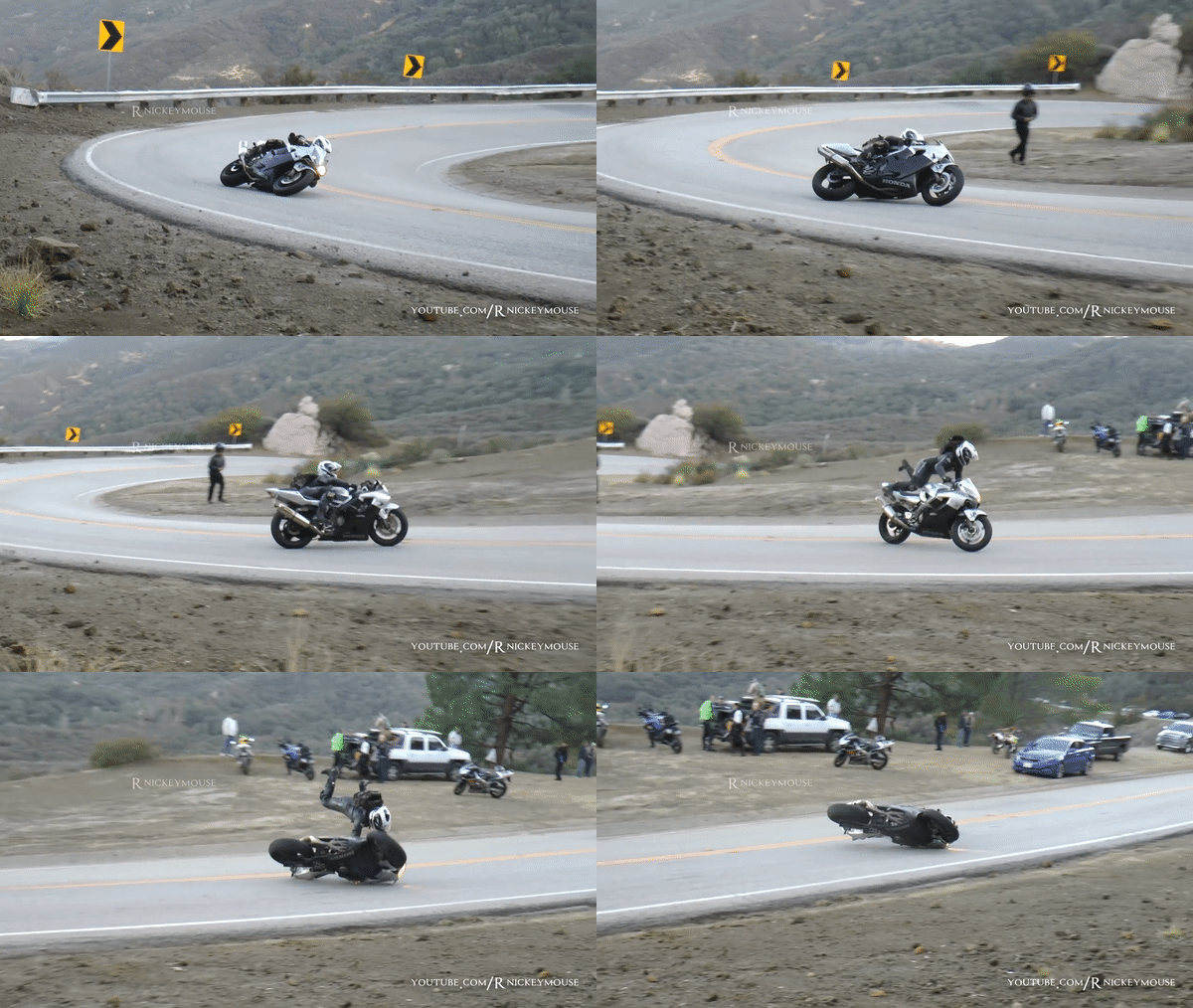
Impact Of A High Sider
The impact of a high sider is directly proportional to its intensity. Since the bike regains its grip suddenly after a slide, the residual momentum is passed on to the rider, who may get thrown off. The riders usually get launched into a trajectory that throws them to one side or in front of the bike. This typically results in impact-related injuries, such as fractures and concussions. Though riders sometimes manage to hang on to the motorcycle stubbornly and even regain stability, such lucky cases are few and far between.
Prevention
Both low siders and high siders are caused by a lack of traction. The former tips the bike over on the inside of the corner, while the latter can throw the bike and rider haphazardly. Once a low sider is underway there is no sure way of stopping it, but a high sider can sometimes be headed off, though it is a highly skilled maneuver that is fraught with extreme risk. It involves the rider resisting the urge to chop the throttle, holding the motorcycle at its existing lean angle, and letting the rear keep sliding rather than letting it suddenly grip again. The resulting crash, if any, is a low sider, which is far less severe than the high sider it replaces.
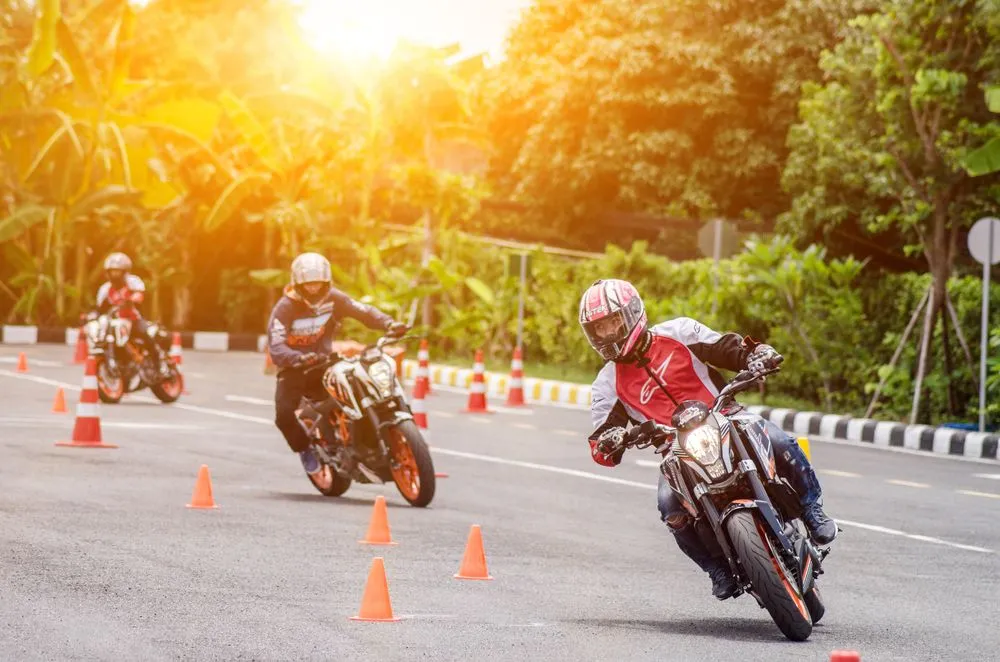
Thus, the more reliable way to save oneself from these crashes is to prevent them. Low siders and high siders result from sliding, which occurs when the traction available to the tire is no longer sufficient to carry the momentum. Heavy braking or acceleration when in the turn, worn out tires, and a reduction in the contact made with the ground due to excessive leaning are the most common causes. Thus, these crashes can be prevented by eliminating these factors.
Which Is More Dangerous?
We now know that the primary cause of both high siders and low siders is a loss of traction. However, under similar conditions, such as on a race track, a high sider is much more dangerous, as it launches the rider into an uncontrolled trajectory that can intersect with that of the bike.
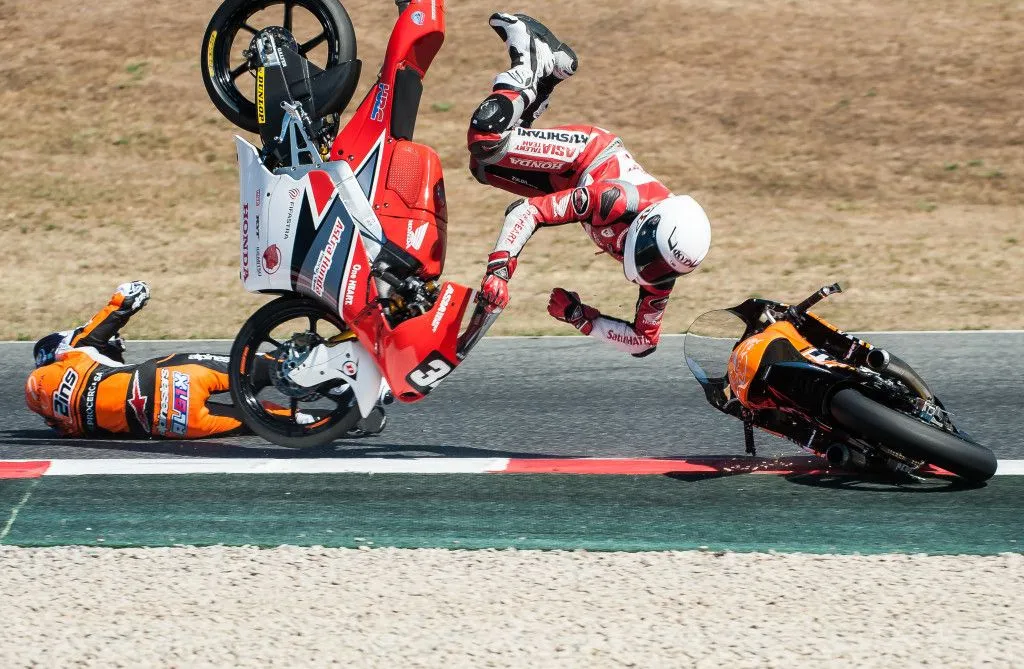
That said, the occurrence of these accidents is not restricted to the race track. When on public roads with fellow motorists and obstacles to crash into, even a low sider can be extremely dangerous.
Occurrence In Other Vehicles
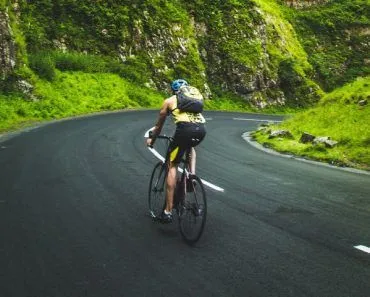
High sider and low sider crashes are not restricted to motorcycles. They are also observed in other single-track vehicles, such as bicycles, and those incidents have similar dynamics as in motorcycles.
Precautions
As we now know, the occurrence of high siders and low siders is more about skill than external factors. Since these crashes are not only limited to race tracks, they can be quite fatal if they happen on public roads.
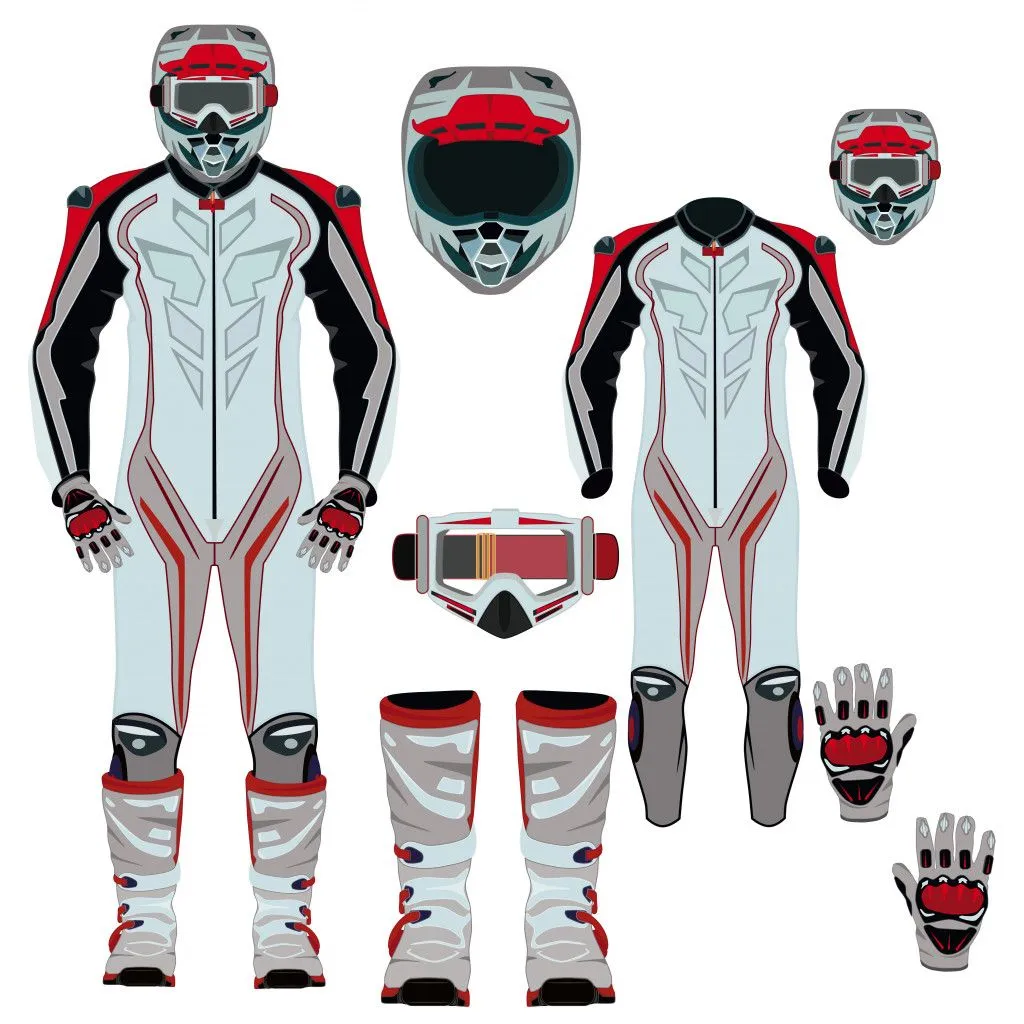
The riders, on their part, must seek to up-skill themselves while investing in high-quality motorcycle gear that will mitigate the impact of such crashes. At the same time, they must ensure that their tires are in optimum shape so that maximum traction is available to them during the course of their ride.
References (click to expand)
- Biomechanics of Solo Motorcycle Accidents. walshmedicalmedia.com
- Petit, L., Zaki, T., Hsiang, W., Leslie, M. P., & Wiznia, D. H. (2020, September). A review of common motorcycle collision mechanisms of injury. EFORT Open Reviews. Bioscientifica.
- Video Analysis of Motorcycle and Rider Dynamics During .... static1.squarespace.com